
Antique Animal Ornament
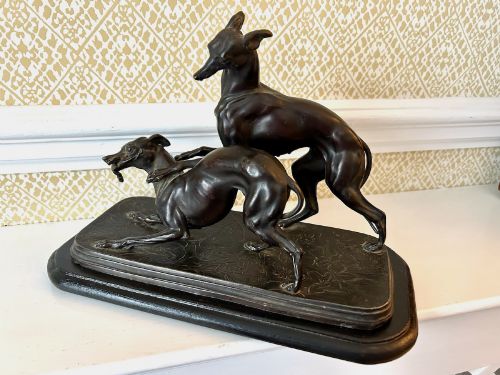
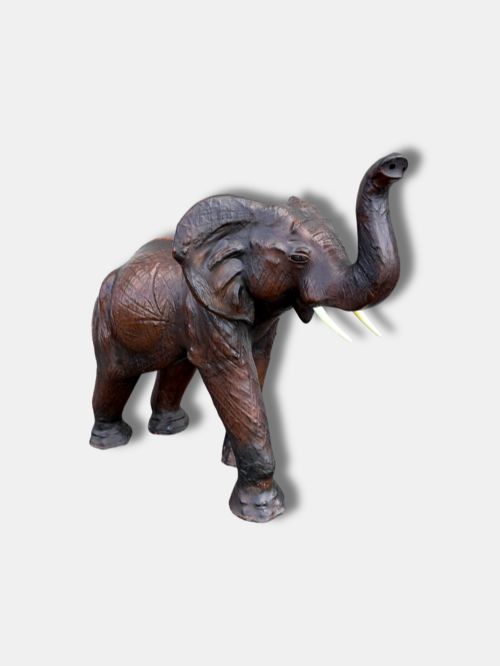
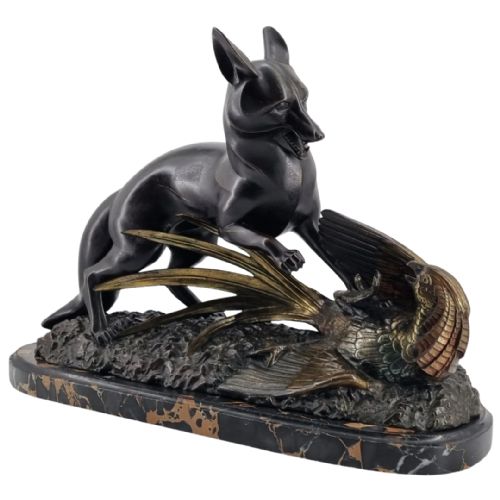
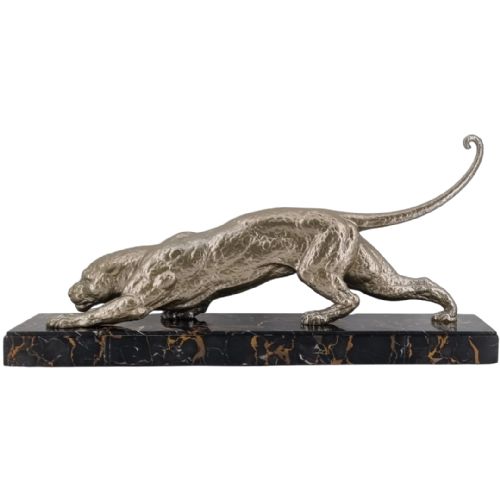
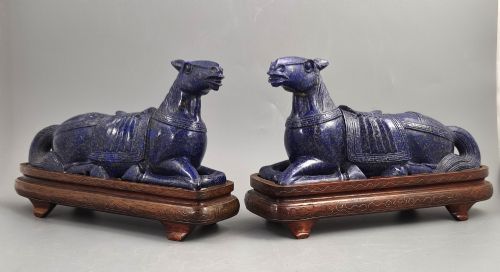
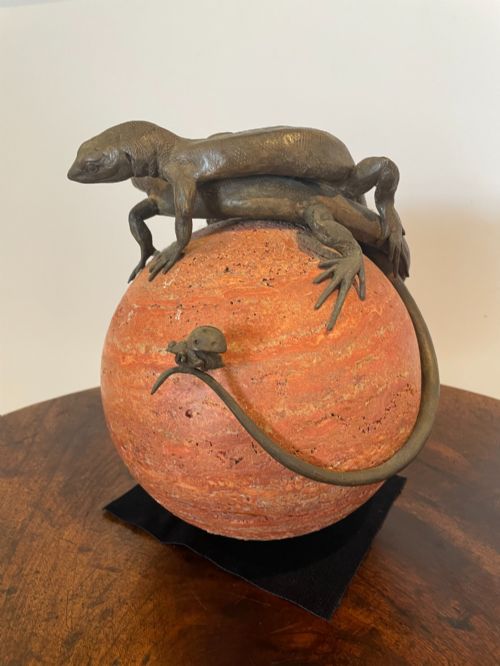
When you search for an antique animal ornament, you find cast metal figures, carved hardstone beasts and ceramic hounds shaped to sit upon a desk or shelf.
Antique Animal Ornament
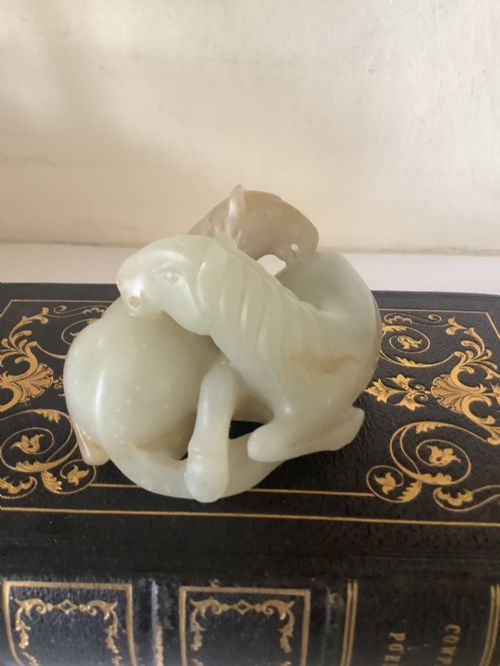
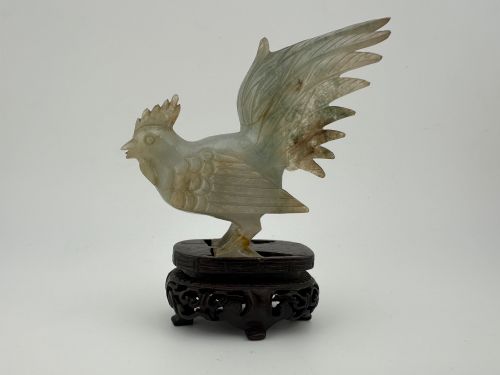
An antique animal ornament covers a diverse range of sculptural forms created to depict creatures in metal, ceramic, wood and carved stone. These objects span from nineteenth-century European bronze studies and Staffordshire ceramics to Japanese wood carvings and Chinese jade sculptures.
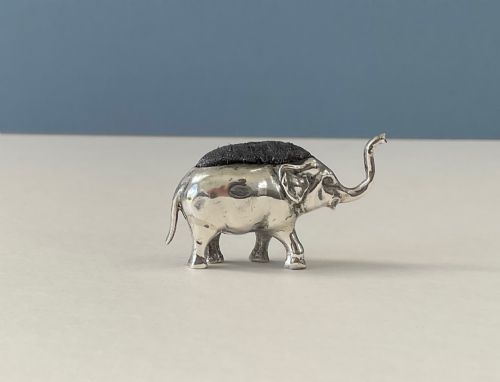
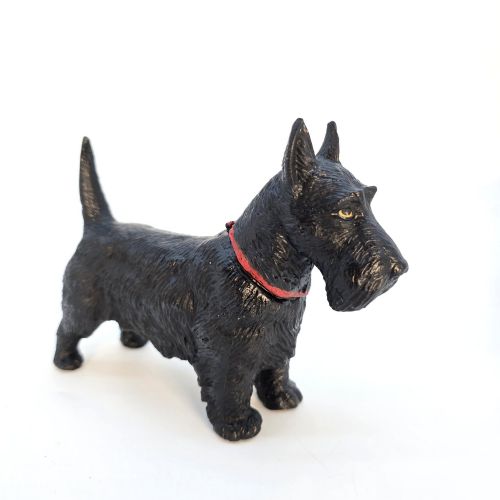
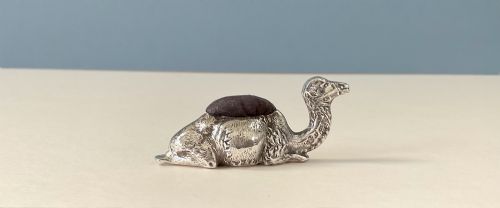
The versions most commonly met on this page include cast metal dogs and foxes from the early twentieth century, alongside Staffordshire poodles and porcelain birds from the Victorian period. Smaller novelty pieces such as silver pin cushions and pepper pots in the shape of camels or cats also appear frequently.
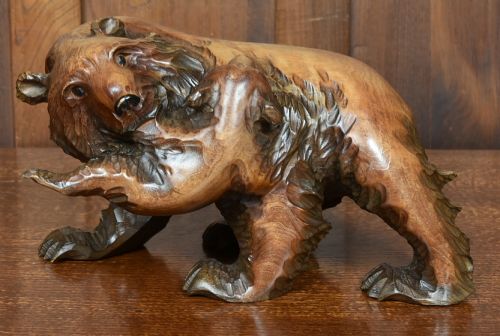
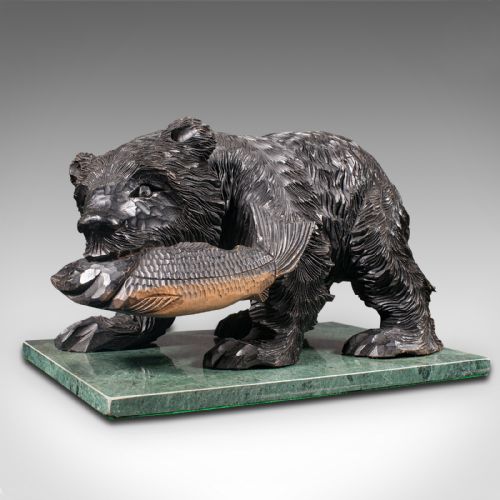
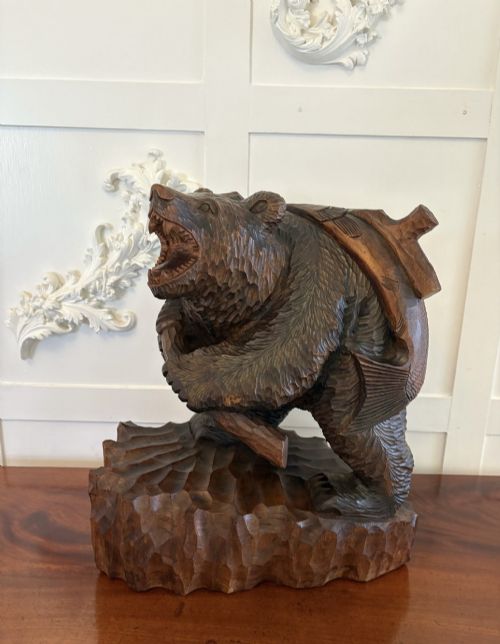
Makers and artisans across continents produced these items for domestic display, utility or scholarly reflection. You encounter everything from French animalier bronzes to Meissen porcelain parrots and carved cedar bear figures from Japanese folk art traditions.
How They Were Made
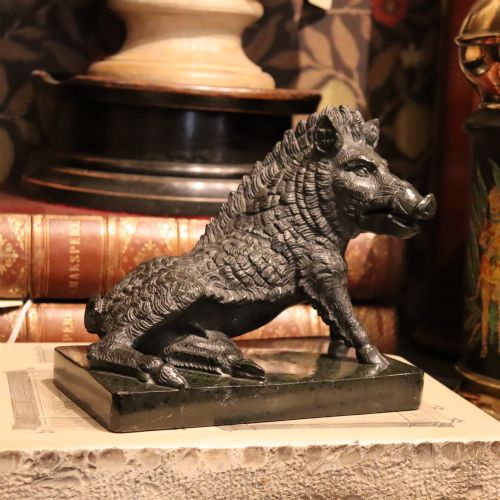
Foundries utilised the lost-wax casting technique for bronze and spelter sculptures, allowing intricate details in feathers, fur and musculature to emerge before cold painting or chemical patination. Cast metal items often required manual chasing to sharpen the lines of the finished beast.
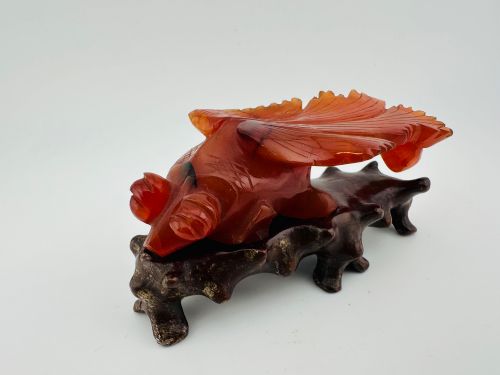
Carvers worked by hand with hardstones such as jade, lapis lazuli and carnelian, or shaped Linden wood, cedar and hardwood into detailed figures often mounted on fitted stands. Potters shaped earthenware and porcelain, applying underglaze blue or polychrome enamel painting before firing.
Materials range from sterling silver and cold-painted bronze to earthenware, enamel and carved linden wood.
What Varies in Quality
The fidelity of the casting or carving dictates much of the visual success in an animal ornament. Superior examples display anatomical precision, realistic movement and careful attention to textures like fur or plumage rather than simplified, flat surfaces.
Material choice and finishing methods also separate standard production pieces from finer works. Hand-chased bronze surfaces, subtle cold-painted polychrome details, and high-grade translucent jade or dense hardwoods indicate skilled workshop production.
Lavroff·D H Chiparus·Tom Mackie·P J Mêne·Louis Emile Cana
The Antique Animal Ornament Glossary
- Animalier
- A nineteenth-century artistic movement and style focusing on the realistic portrayal of animals, particularly predators and prey in dynamic action. French sculptors popularised this approach in bronze.
- Okimono
- A Japanese decorative carving intended for display in an interior setting, often depicting figures, animals or mythical subjects with great intricacy. These objects frequently date from the Meiji period.
- Pin cushion
- A small domestic accessory, often fashioned in silver as a novelty animal such as a camel, elephant or bird, used to hold sewing pins. They combine utility with whimsical sculptural form.
- Spelter
- An alloy of zinc and lead or copper used as a cheaper alternative to bronze for casting decorative figures. It is softer than bronze and typically takes a painted or patinated finish.
- Staffordshire
- Pottery figures produced in the Staffordshire region of England, encompassing popular ceramic dogs and poodles intended for mantelpiece display. They are usually hand-painted over a white glaze.
Antique Animal Ornament: Frequently Asked Questions
What materials were used for antique animal ornaments?
Makers shaped these ornaments from cast metals including bronze, spelter, brass and sterling silver, alongside ceramics like porcelain, earthenware and Delft pottery. Carvers also utilised hardstones such as jade, lapis lazuli and carnelian, as well as woods like cedar and linden.
Selection depended on regional traditions and the intended function of the piece. European foundries favoured bronze and cast metals, while Asian workshops frequently worked with jade and carved wood.
How were these animal figures used historically?
Many served purely as decorative mantelpiece ornaments or cabinet displays to demonstrate taste and appreciation for nature or sculpture. Others had practical domestic uses, functioning as desk weights, table lighters, candlesticks or novelty pin cushions.
Scholar's objects in jade or bronze were placed on desks in East Asian studies for contemplation. Meanwhile, ceramic pairs like Staffordshire dogs were arranged symmetrically on nineteenth-century hearths.
How can I tell the period of a bronze animal?
Dating relies on examining the foundry marks, the quality of the patination, and the stylistic conventions of the period such as Art Deco or nineteenth-century animalier. The style of the base and the casting technique also offer clues to the era of manufacture.
European bronzes often bear signatures or foundry stamps on the base. Comparing the anatomical treatment to known artistic movements helps narrow down the decade.
How do I care for a carved hardstone ornament?
Keep carved jade, agates and hardstones away from direct sunlight and sudden temperature shifts to protect the integrity of the stone and any fitted wooden stands. Dust them gently with a dry, soft cloth without applying harsh chemical cleaning products.
If the piece includes a fitted hardwood or silver-inlaid stand, handle the entire assembly with care as the stone is often resting rather than permanently fixed.