




Antique Animal Marble
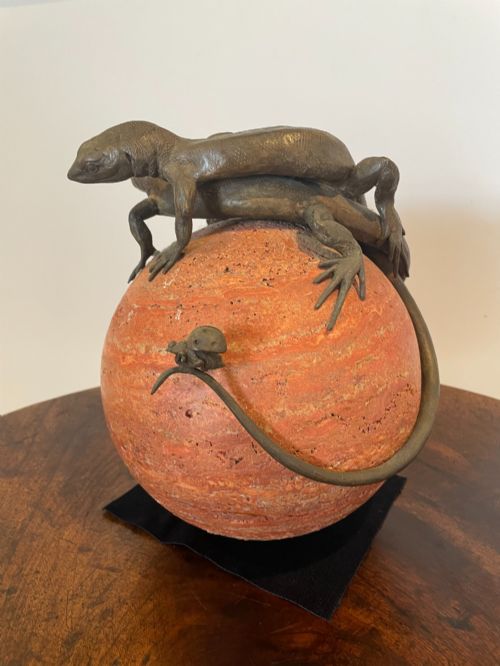
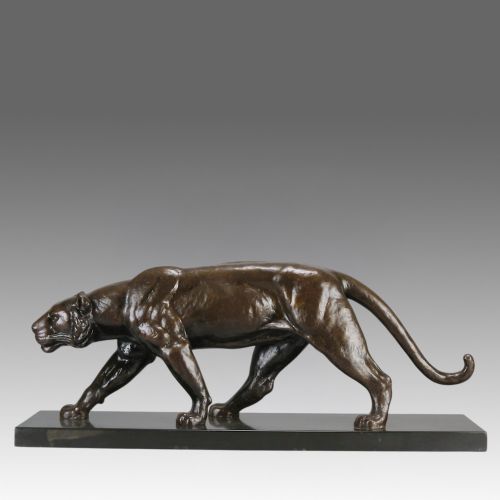
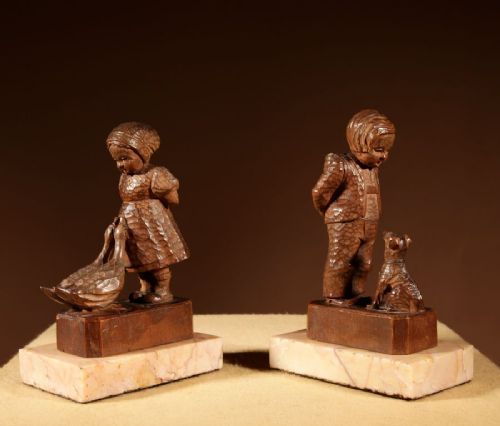
These antique animal marble pieces combine solid stone plinths with metal or carved fauna, bringing robust nineteenth and twentieth century creature studies straight to your room.
Antique Animal Marble
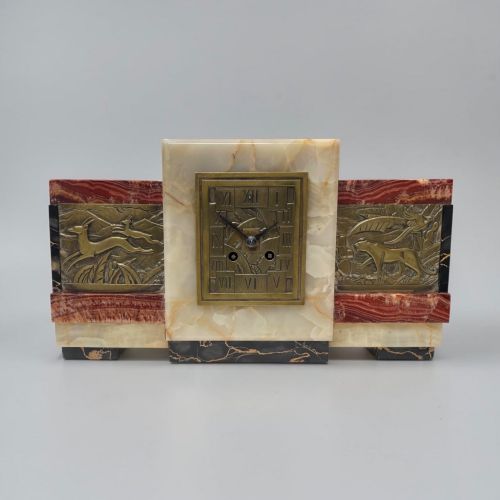
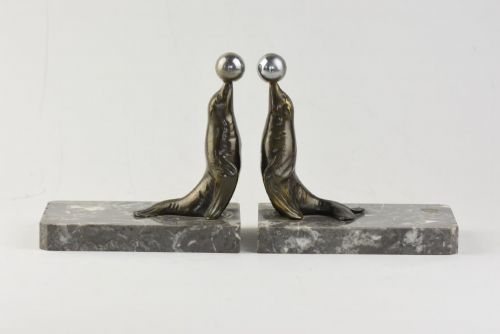
When searching for antique animal marble, collectors encounter solid stone plinths, bases, and carved figures paired with metal beasts ranging from nineteenth century French casts to nineteen-thirties bookends. These items span domestic table lamps, side tables, memorials, and heavy sculptural groups set upon contrasting geological foundations.
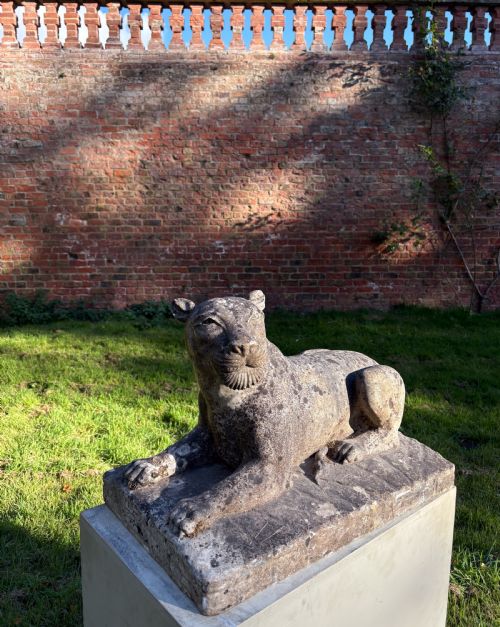
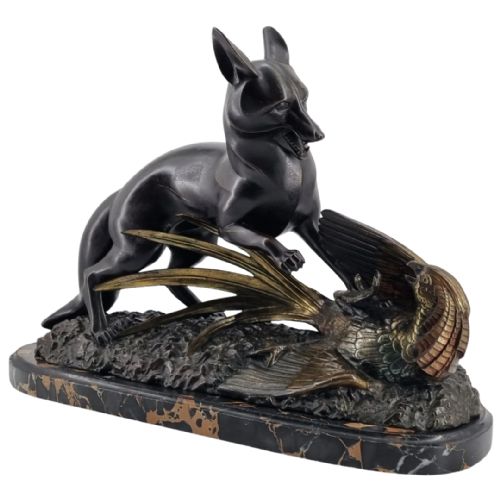
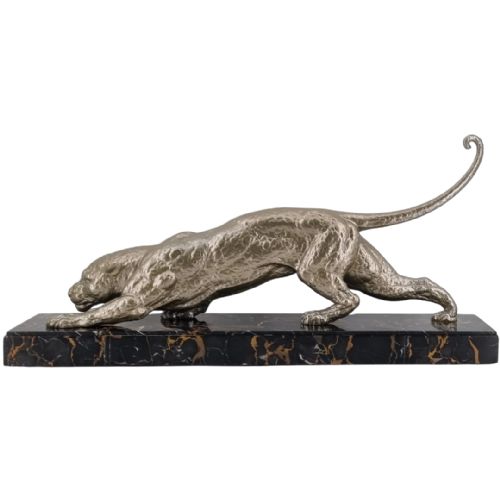
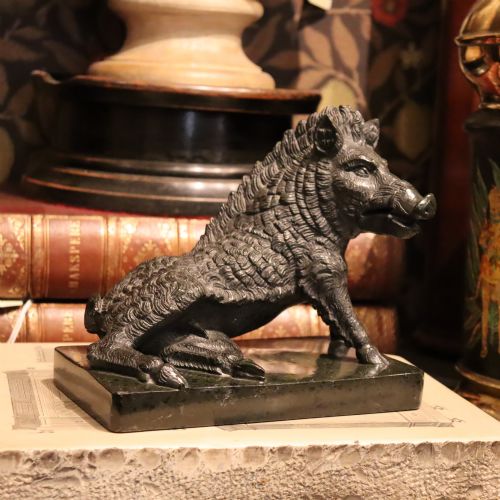
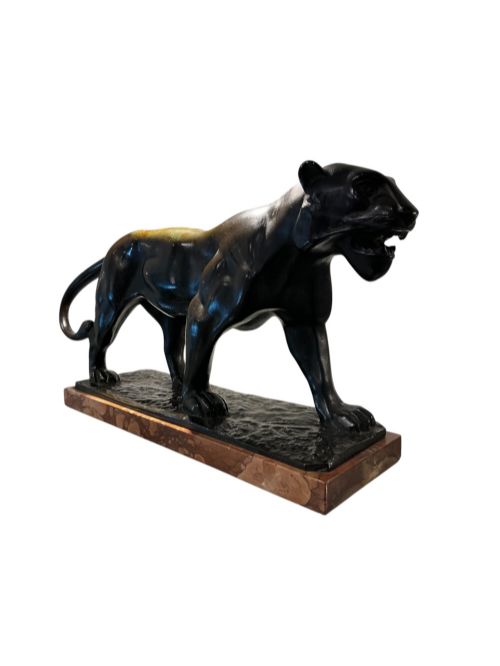
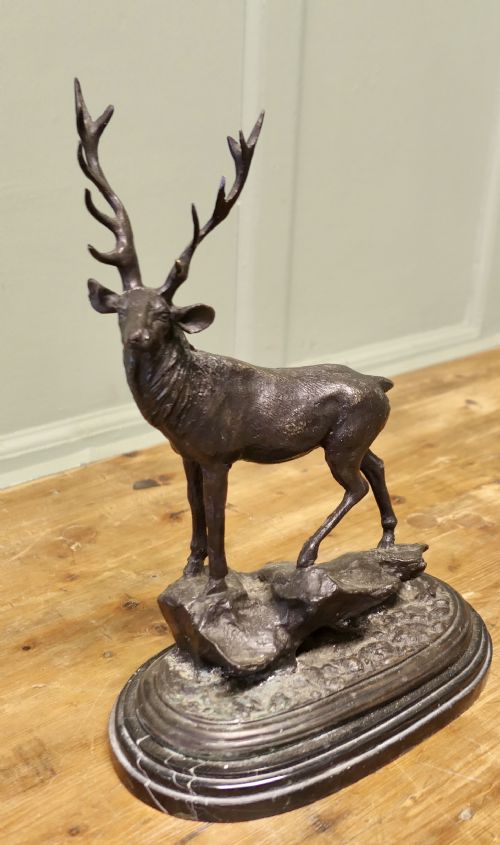
The most common form on this page pairs a cast metal creature - such as a bronze or spelter panther, hound, or stag - mounted directly onto a veined black or multi-coloured marble slab. Grand tour carvings and specimen marble studies also appear, offering carved stone boars and hounds originating from Italian and French workshops.
Pieces emerge from various periods including Victorian, Edwardian, and the Art Deco era of the nineteen-twenties and thirties. Domestic items like dog bookends and bird table lamps sit alongside fierce animalier hunting scenes, all anchored by heavy mineral bases.
Materials and construction methods
Foundry workers utilised the lost-wax casting method for bronze figures or cast spelter into moulds, subsequently applying patinated, silvered, or gilded finishes to the metal animals. These figures were then mechanically secured via threaded rods or pins into drilled stone plinths.
Stonemasons sawed, turned, and polished natural geological specimens including green serpentine marble, veined Carrara marble, onyx, and alabaster to form the heavy bases and carved animal models. The contrast between cold, polished stone and textured metal defines the physical makeup of these works.
Antique Animal Marble Retail Price Guide 2026
Typical asking prices for animal marble among the pieces listed under this phrase on Sellingantiques today, from the lower quarter to the upper quarter. They describe what is for sale here now, not the wider market.
Listings feature items from the nineteenth century through the nineteen-forties, combining bronze, spelter, and brass with various coloured marbles.
Quality factors in stone and metal
The crispness of the metal chasing determines the distinction at the upper end, where fine hand-finishing reveals individual fur strands, muscles, and claws. Lower tiers rely on softer spelter castings with blurred surface details and simpler patination.
Stone selection marks another division, with dense, evenly veined Carrara or green serpentine marble showing superior geological stability and painstaking polish compared to composite bases or plain slate. Well-integrated mounts where the creature fits its stone plinth harmoniously indicate superior workshop execution.
Lavroff·D H Chiparus·Prosper Lecourtier·Delabrierre·Alexandre Ouline·Clovis Masson·Antoine L Barye·C Masson·Michel Decoux·Andrey·I Rochard
The Antique Animal Marble Glossary
- Animalier
- A nineteenth century artistic movement focused on the realistic depiction of animals, particularly predators and game in motion. Sculptors in this tradition often worked in bronze.
- Spelter
- An alloy of zinc and lead used as a cheaper alternative to bronze during the art deco period. It accepts patination well but is softer and lighter than bronze.
- Grand Tour
- A traditional trip through Europe undertaken by upper-class young men in the eighteenth and nineteenth centuries. Souvenirs included small carved marble animal models bought in Italy.
- Serpentine marble
- A dark green, mottled mineral rock resembling snakeskin used extensively for decorative carvings and architectural bases. It polishes to a smooth, lustrous finish.
- Patinated metal
- Metal treated with chemical solutions to produce a specific surface colour or aged finish. This layer protects the underlying bronze or brass while adding visual depth.
Antique Animal Marble: Frequently Asked Questions
How do I clean antique marble bases?
Dust the stone regularly with a soft, dry cloth to prevent grit accumulation.
Avoid acidic cleaning solutions or abrasive pads that can permanently etch or dull the polished mineral surface.
Were these animals always mounted on marble?
Sculptors frequently paired metal fauna with heavy stone plinths to provide physical stability and a decorative foundation.
Marble also offered a contrasting visual weight that elevated domestic items like bookends and lamps.
How can I tell bronze from spelter?
Bronze feels considerably heavier and displays a resonant ring when lightly tapped, whereas spelter is softer and duller.
Examining the underside often reveals the grey, granular appearance of cast zinc beneath any surface patination.
Where were these animal sculptures displayed?
Owners placed these heavy pieces on library desks, side tables, and mantelpieces as decorative conversation starters.
Bookends and table lamps also served practical functions in affluent Edwardian and interwar domestic interiors.