

Antique an Drawers
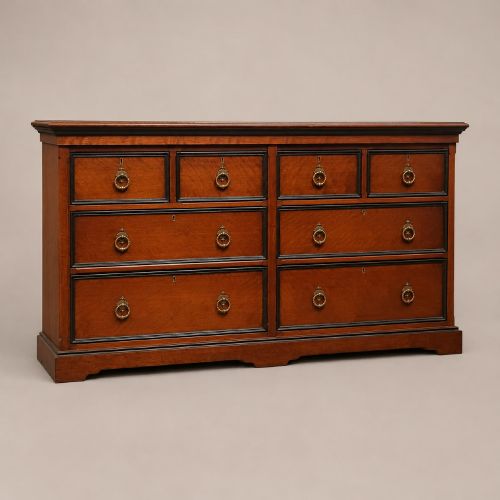
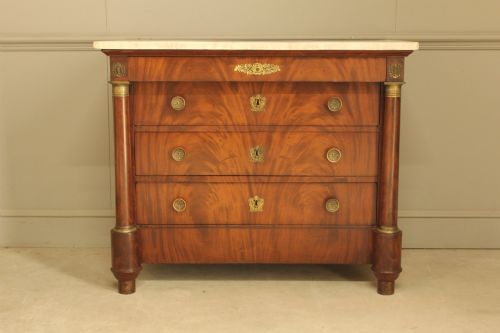
These pieces, found in antique an drawers searches, range from pine chests to oak desks, offering practical storage formed across centuries of British and European craftsmanship.
Antique an Drawers
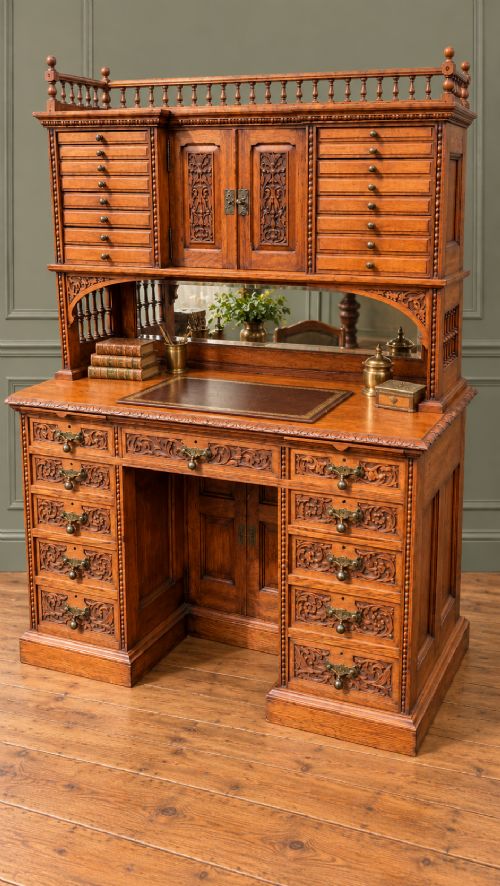
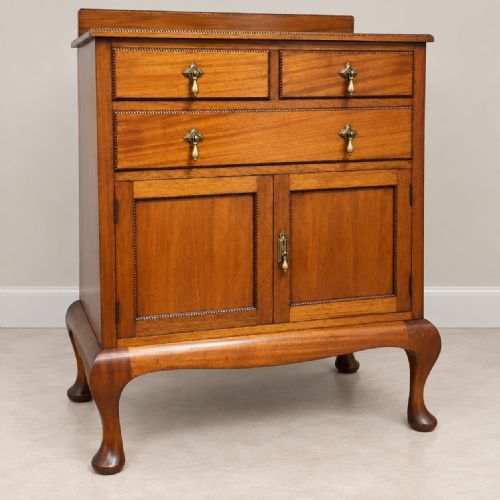
When searching for antique an drawers, buyers encounter a diverse selection of furniture spanning the 18th, 19th, and early 20th centuries. The listings encompass multiple forms including chests of drawers, desks, wardrobes, and specialist shop fittings containing numerous small compartments.
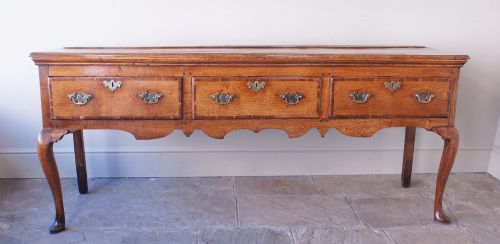
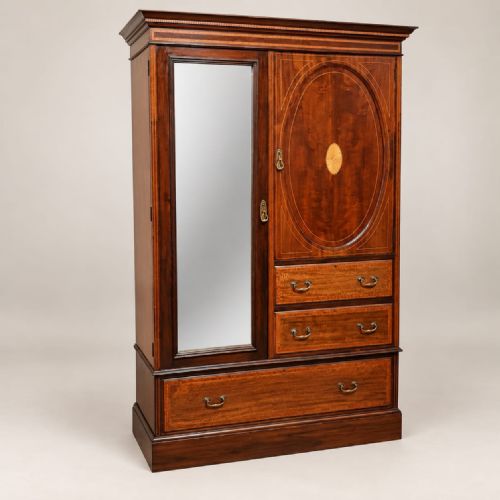
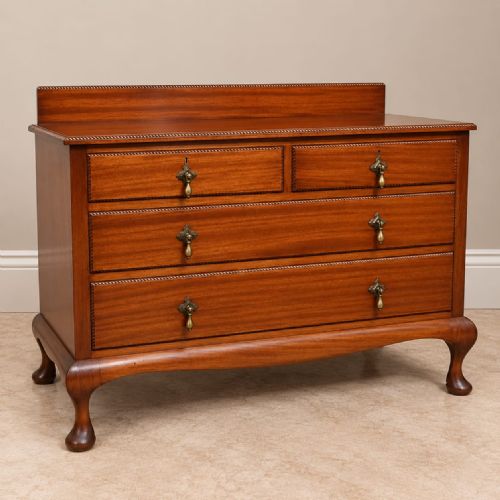
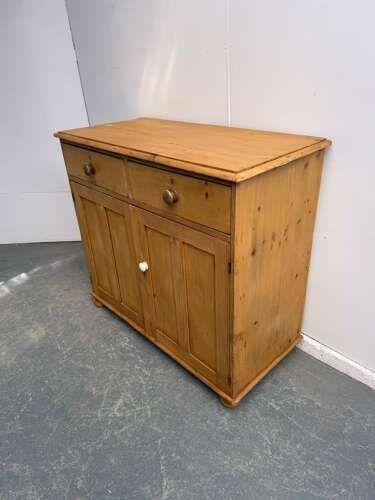
Mahogany and pine dominate the physical evidence on this page, appearing alongside oak, walnut, and teak. Pieces range from modest Victorian country pine items to formal Edwardian combination wardrobes and Georgian mahogany chests on chests.
Regional variations appear frequently, notably Hungarian pine items alongside British pieces. Forms vary from domestic bedroom furniture to commercial shop fittings featuring fifty or more drawers.
How they were made
Makers utilised solid timbers such as mahogany, oak, and pine, often combining them with brass hardware, glass, and ceramic elements. Construction methods relied on traditional joinery techniques appropriate to the period, whether Georgian, Victorian, or Edwardian.
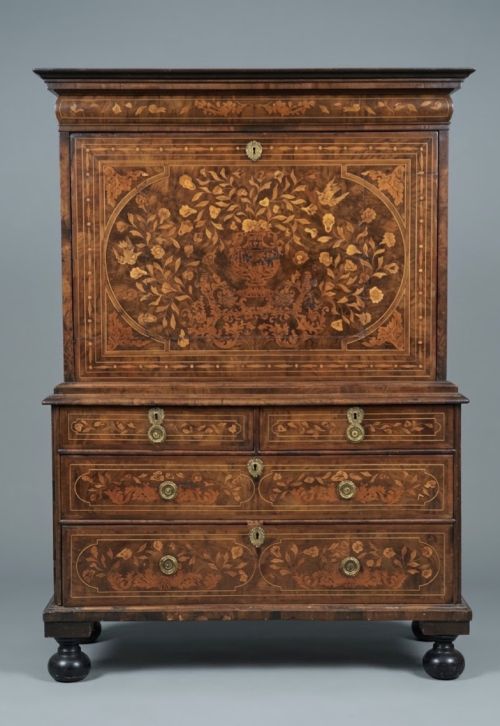
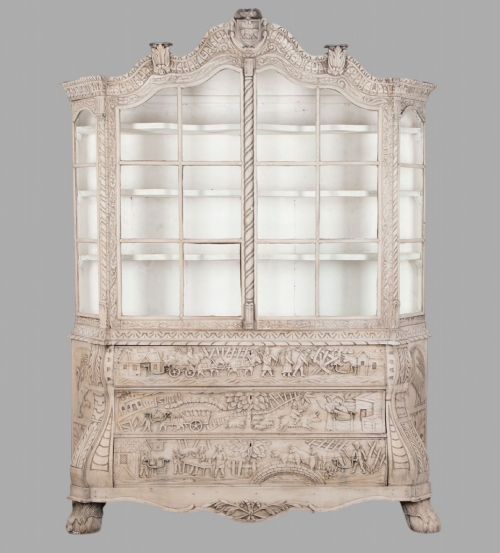
Surfaces show diverse treatments, from waxed natural grains to painted finishes in blue, green, white, and cream. Ebonised details, inlaid woods, and carved ornamentation appear on pieces ranging from writing desks to display cabinets.
Antique an Drawers Retail Price Guide 2026
Typical asking prices for an drawers among the pieces listed under this phrase on Sellingantiques today, from the lower quarter to the upper quarter. They describe what is for sale here now, not the wider market.
Listings feature items from the 18th century, Georgian, Victorian, Edwardian, and 1910 periods.
What varies in quality
Quality rests upon the selection of timber and the precision of the underlying construction. Superior examples maintain original surface treatments, whether polished mahogany or period paint finishes, alongside intact brass drawer pulls and working locks.
Proportion and execution separate standard domestic furniture from finer workshop productions. Refined mouldings, well-fitted drawers, and thoughtful details distinguish pieces from the Georgian era through to the Arts and Crafts movement.
Hubert Simpson of Kendal·George Walton
The Antique an Drawers Glossary
- Tallboy
- A tall chest of drawers, often consisting of a double chest stacked vertically. This form provides substantial vertical storage while occupying a compact floor footprint.
- Bombé
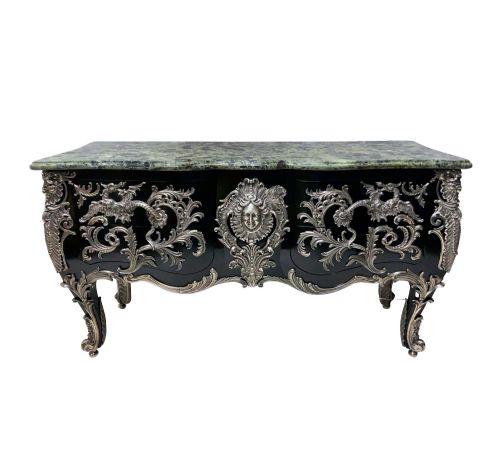
- A swelling, outward-curved frontage or side profile seen on continental furniture. This contoured shape demands advanced woodworking skill to execute properly.
- Apprentice piece
- A miniature item of furniture created by a craftsman in training to demonstrate mastery of joinery techniques. These smaller versions replicate full-scale chests and cabinets precisely.
- Combination wardrobe
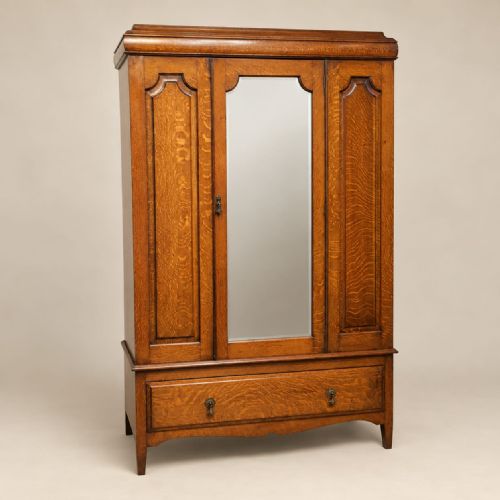
- A large bedroom cabinet integrating hanging space with drawers and shelving. These multi-purpose pieces became prominent during the Edwardian period.
- Shop fitting
- Commercial cabinetry designed for retail environments, such as large banks of multi-drawer units. These industrial forms utilise durable timbers like pine for heavy daily use.
Antique an Drawers: Frequently Asked Questions
What periods do these pieces represent?
The selection spans several centuries, starting from the 18th century and moving through the Regency and Victorian eras. Edwardian and early 20th-century items are also well represented.
Specific dates attach to individual pieces, such as 1890s desks and circa 1910 bedroom suites. Each era brings distinct timber choices and stylistic traits to the furniture.
How do I choose between pine and mahogany?
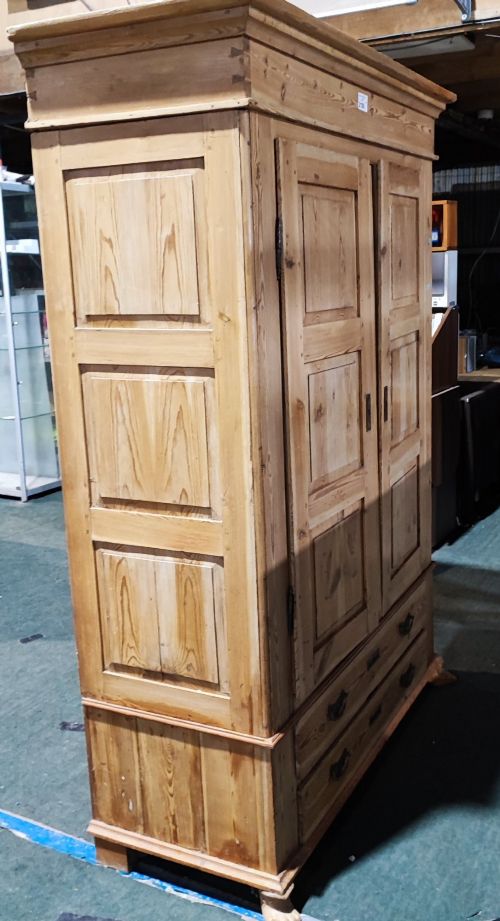
Pine pieces often carry painted finishes or waxed surfaces associated with Victorian country houses and continental workshops. They offer a domestic, rustic character suited to relaxed interiors.
Mahogany items tend to be more formal, appearing in Georgian chests and Edwardian wardrobes. These harder timbers showcase rich grain patterns and polished surfaces.
Were multi-drawer units used in homes?
Large banks of drawers with dozens of small compartments originated as commercial shop fittings rather than domestic furniture. Merchants utilised them to organise small stock items.
Today, these substantial pieces find new life in modern interiors as statement storage units. Their numerous small drawers make them practical for sorting household items.
How do I identify Arts and Crafts pieces?
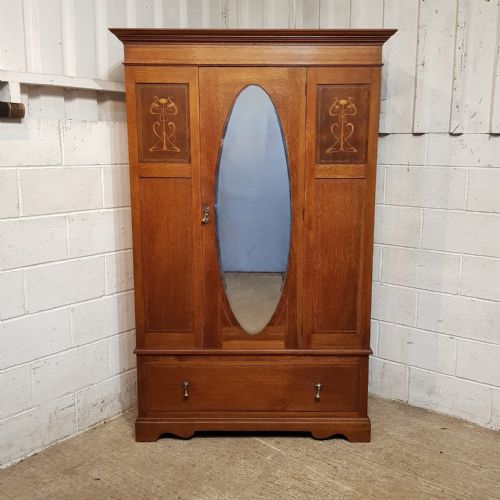
Arts and Crafts furniture from around 1900 focuses on honest construction and visible oak grain. These pieces avoid excessive ornamentation in favour of simple, robust forms.
They often appear within matching bedroom suites or as standalone wardrobes. The aesthetic prioritises functional design over surface decoration.