



Antique Altar Furniture
Antique altar furniture brings solemn architectural presence and functional joinery into a room, spanning European ecclesiastical oak and domestic Chinese hardwood.
Antique Altar Furniture
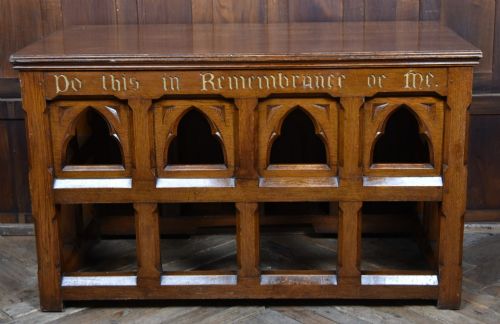
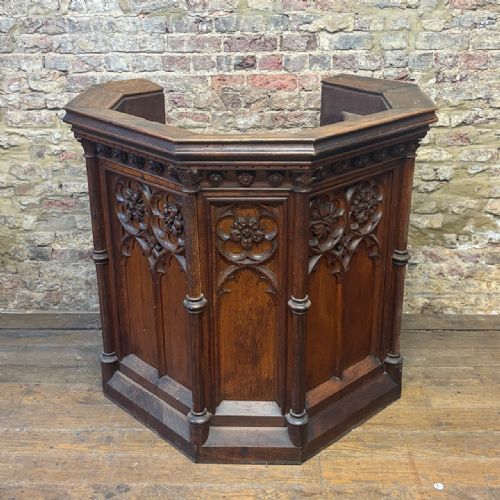
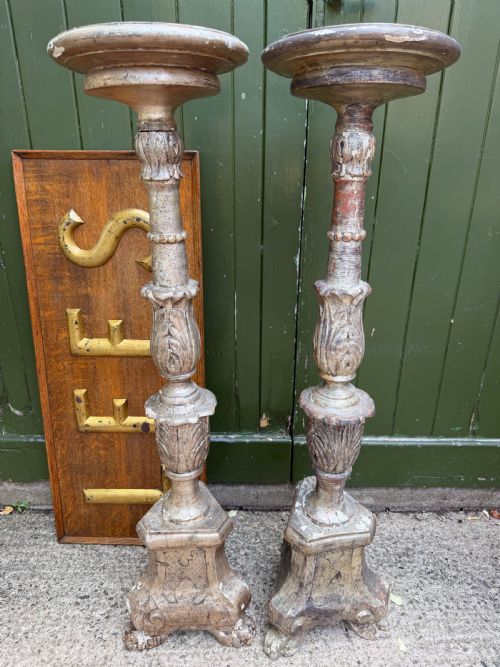
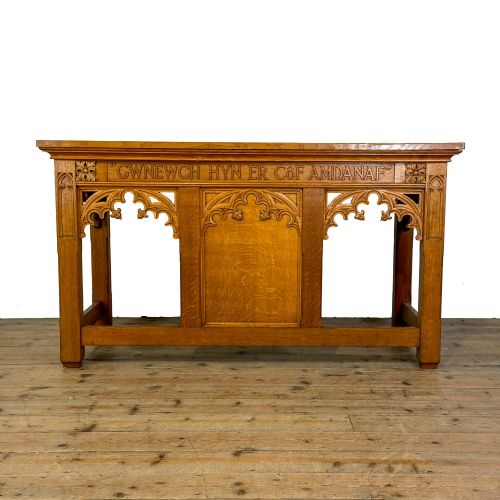
When someone searches for antique altar furniture, they encounter pieces originating from two distinct traditions: European ecclesiastical spaces and traditional Chinese domestic or ritual interiors. The European examples on this page comprise oak church altars, walnut-style pulpits, and Italian carved torcheres dating from the eighteenth and nineteenth centuries, often manifesting Gothic Revival characteristics.
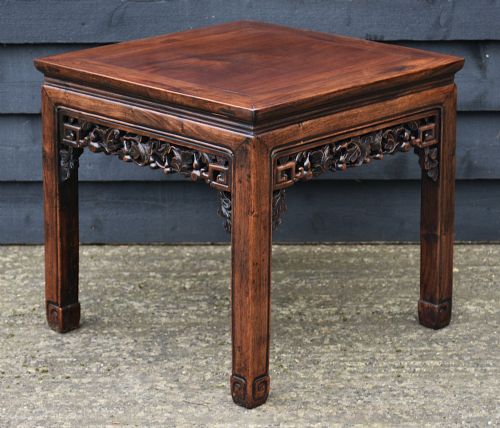
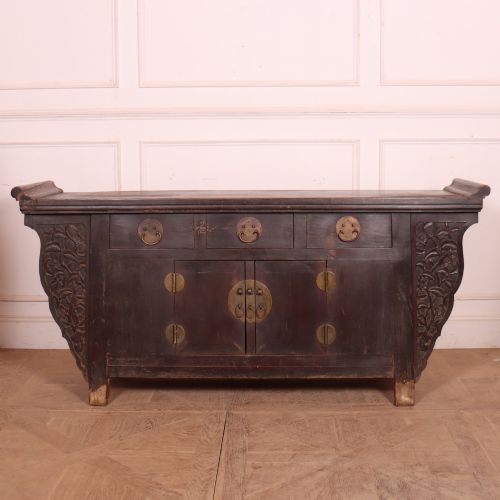
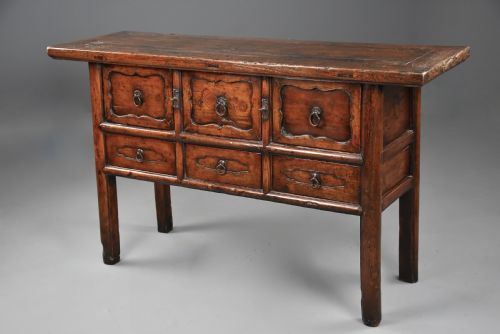
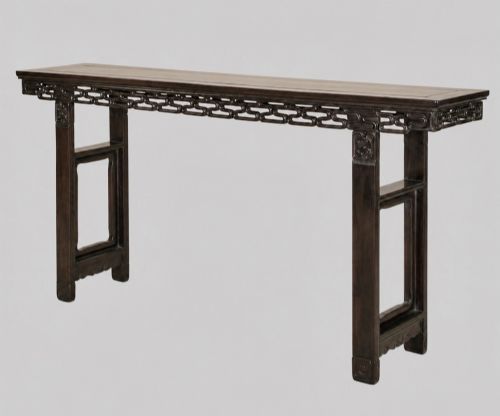
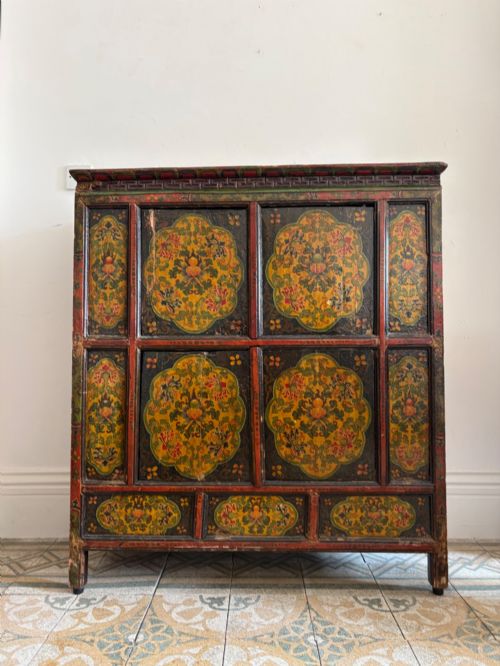
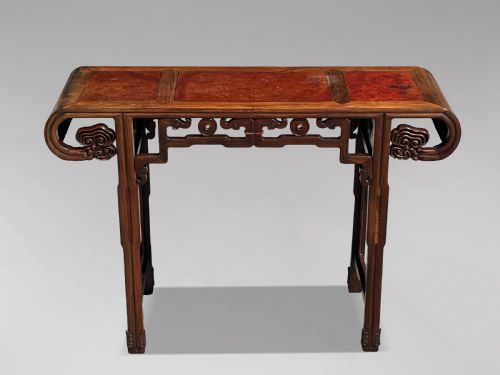
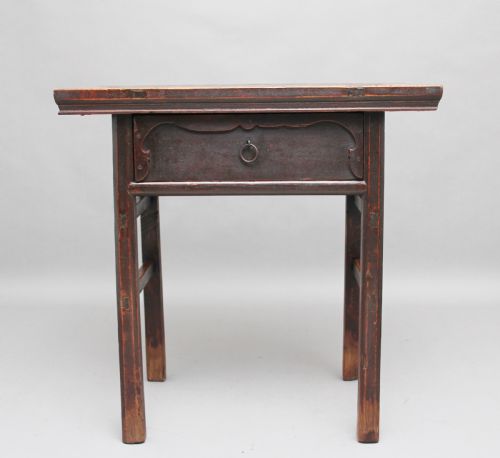
The Chinese contingent forms the larger share of the selection, dominated by nineteenth-century elm and hongmu altar tables, console tables, side tables, and red lacquer pieces. These range from rustic elm sideboards to intricate Qing Dynasty scholar's tables constructed with traditional joinery.
Buyers will most frequently meet nineteenth-century Chinese hardwood and elm tables alongside Victorian Gothic church furnishings. These items retain their original structural purpose, whether intended for ceremonial display or architectural support within places of worship and scholar studios.
What varies in quality
The distinction between standard utility pieces and finer examples rests in the selection of timber and the crispness of the hand-carving. Dense hongmu and well-figured elm command greater attention than utilitarian softwoods or heavily worn utility furniture.
Proportion and structural integrity dictate the standing of a table or pulpit, particularly where original corner legs, flange ends, and carved aprons remain intact. Surface patination also plays a role, with untouched wax finishes and deep historic patinas marking out superior examples.
Antique Altar Furniture Retail Price Guide 2026
Typical asking prices for altar furniture among the pieces listed under this phrase on Sellingantiques today, from the lower quarter to the upper quarter. They describe what is for sale here now, not the wider market.
The listings span the eighteenth to the twentieth centuries, uniting European Gothic Revival oak with traditional Chinese elm and hongmu.
The Antique Altar Furniture Glossary
- Hongmu
- A dense, dark traditional Chinese hardwood prized for furniture construction. It provides a heavy, durable frame that accepts fine carving.
- Gothic Revival
- An architectural and decorative style popular in the nineteenth century. It borrows pointed arches and heavy tracery from medieval ecclesiastical design.
- Torchere
- A tall stand or pedestal originally designed to hold a candle or torch. These pieces often feature carved timber shafts and decorative bases.
- Elm
- A resilient domestic timber frequently utilised in Chinese provincial tables and sideboards. It displays a distinct grain pattern that takes a smooth patina over time.
- Trestle table
- A form supported by horizontal beams and vertical end assemblies rather than four corner legs. This construction offers robust stability for long surfaces.
Antique Altar Furniture: Frequently Asked Questions
What is an altar table?
An altar table is a long, narrow surface traditionally used for ceremonial displays or offerings. In Chinese interiors, these tables often feature upturned flange ends and detailed carved aprons beneath the top.
European counterparts include church altars built from solid oak with architectural tracery. Both forms function well today as console tables or focal points in large hallways.
How do I date Chinese hardwood furniture?
Dating relies on assessing the timber density, construction methods, and stylistic markers of specific periods like the Qing Dynasty. Hardwoods such as hongmu indicate traditional workshops working with imported or regional materials.
Surface patina and the wear patterns on foot stretchers also offer clues to age. Joinery techniques remain consistent, but carvers adapted floral and geometric motifs across the nineteenth century.
Where can I place a church pulpit?
Church pulpits require substantial floor space and high ceilings to balance their imposing architectural scale. They suit large entrance halls, studies, or open-plan living areas as statement pieces.
Positioning them away from direct heat sources protects the aged oak and carved details from splitting. They work well as standalone displays or anchor points in period properties.
What is elm furniture like to live with?
Elm furniture offers a robust, characterful addition to modern interiors through its prominent grain and warm organic tones. Provincial Chinese pieces in this timber often carry a rustic patina developed over generations of daily use.
Maintenance involves regular dusting and occasional waxing to preserve the surface. The wood accommodates everyday placement in dining rooms or as side tables while remaining structurally stable.