
Antique Albert Watch Chain
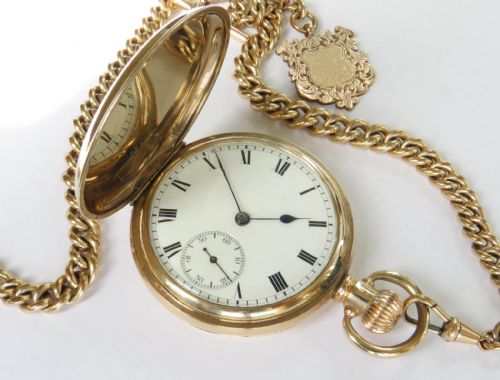
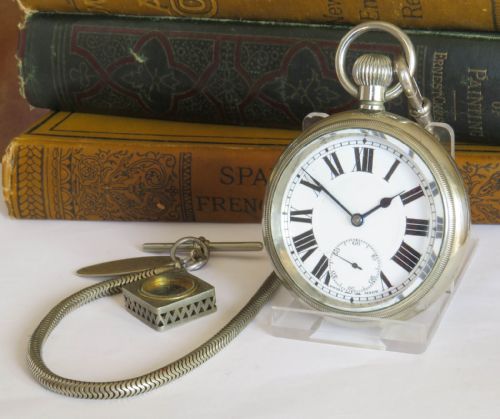
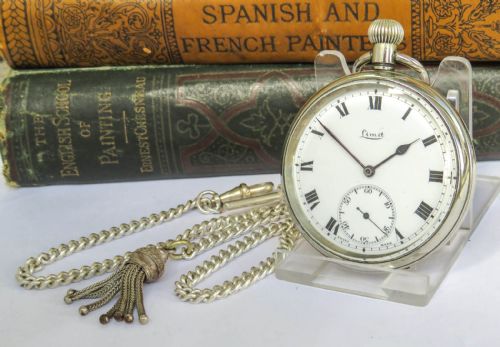
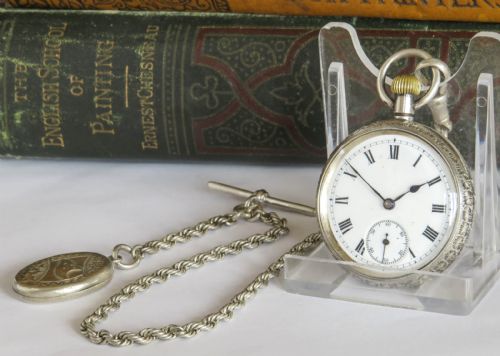
An antique albert watch chain is a heavy, linked length once secured to a pocket watch, now worn as a substantial necklace or bracelet.
Antique Albert Watch Chain
An antique albert watch chain takes its name from Prince Albert, who wore his pocket watch secured by a short length attached to his waistcoat buttonhole. These pieces span the Victorian, Edwardian, and Art Deco eras, reaching through the 1920s and 1930s in silver and gold.
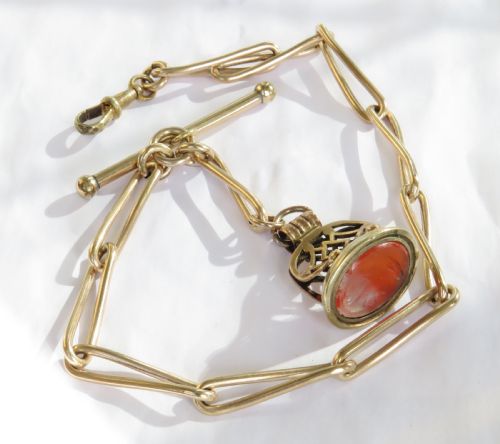
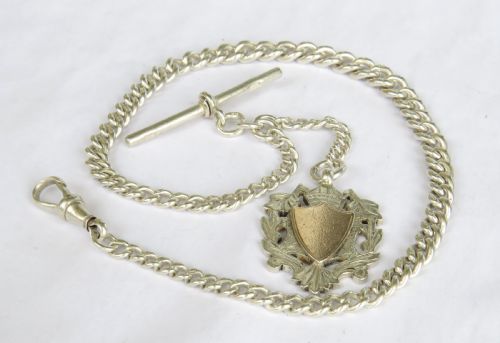
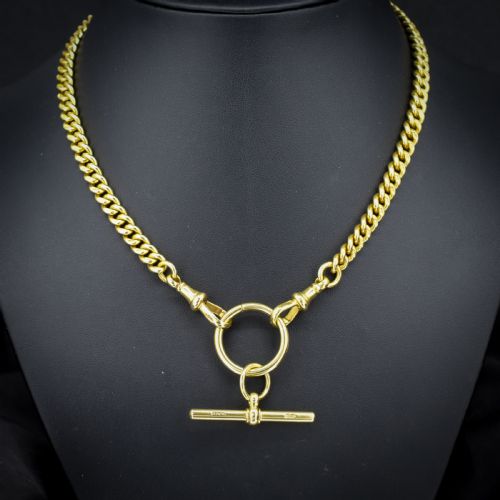
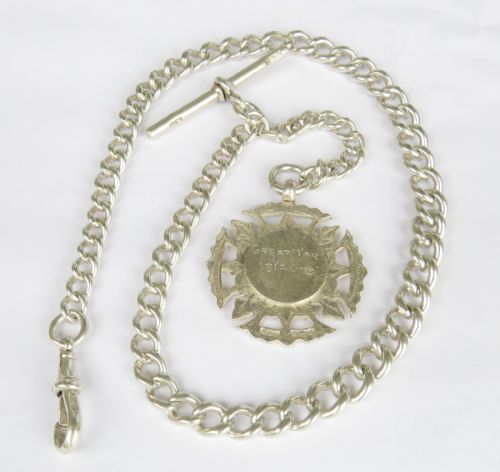
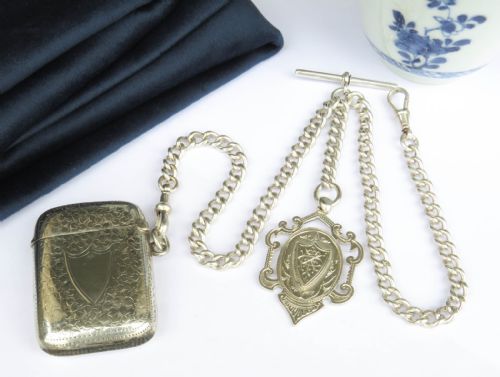
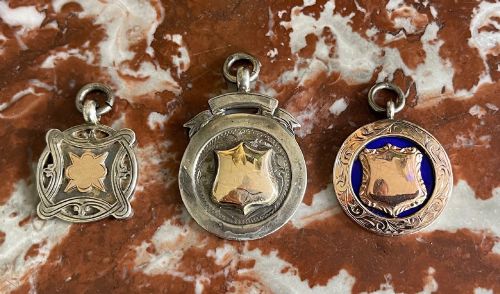
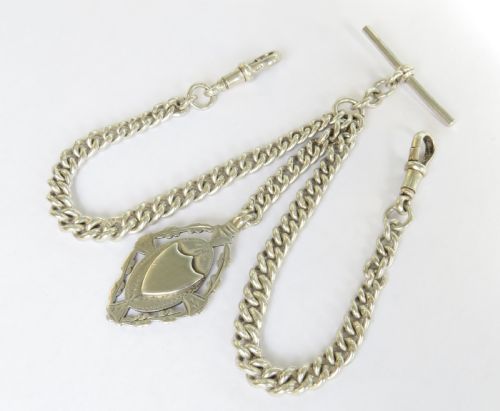
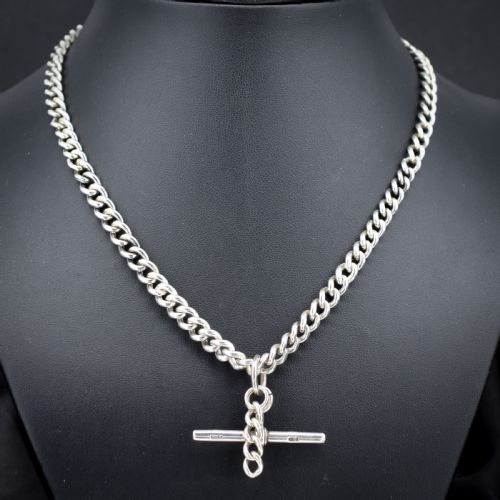
The most common formats found here include sturdy sterling silver curb links and warm 9ct or 18ct rose and yellow gold. Many retain their original T-bars, dog clips, and swivel connectors, alongside commemorative fobs or medallions from sports clubs and societies.
Materials and Construction
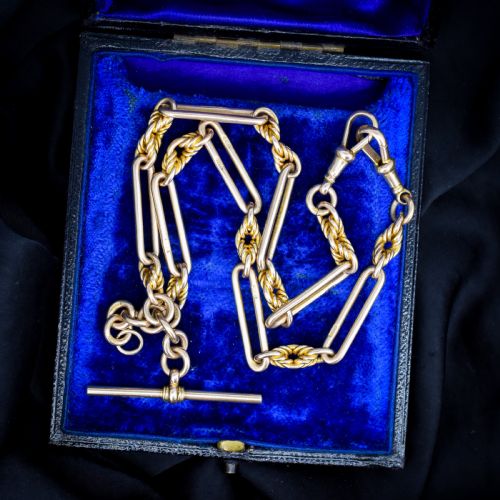
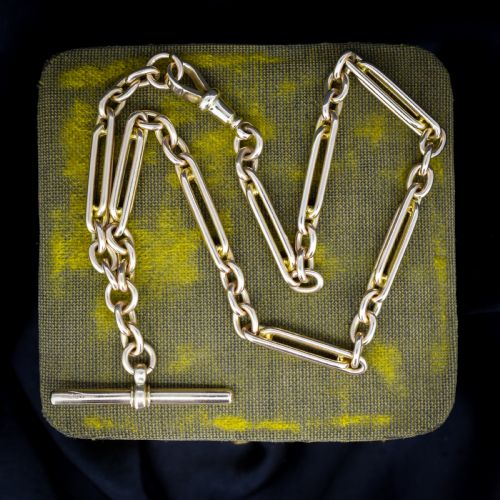
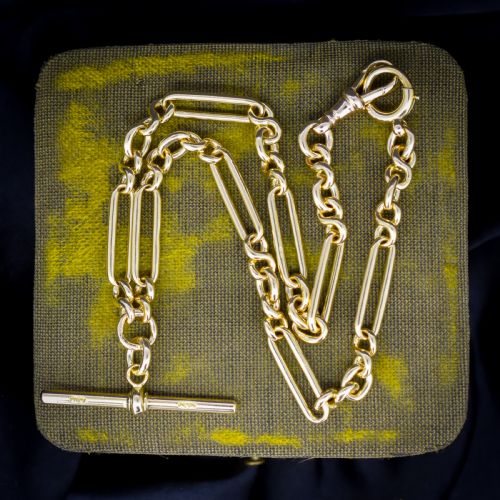
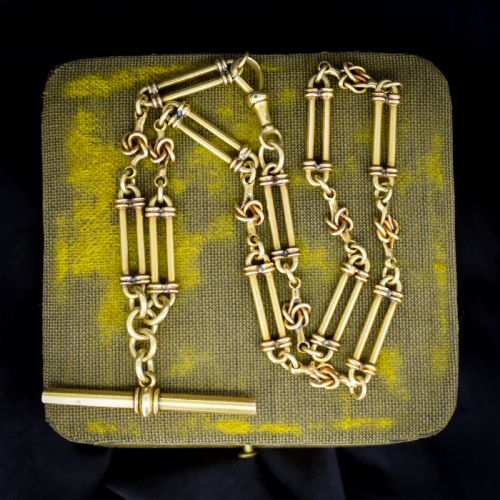
Metals range from solid sterling silver and various purities of gold down to rolled gold and steel. Goldsmiths and silversmiths constructed these chains from interlocking links such as curb, trombone, belcher, and love knot patterns.
Links were individually formed, soldered, and assembled by hand or early machinery, often featuring hallmarks stamped into silver links and dog clips to indicate the assay office and year of manufacture.
Listings include solid sterling silver, 9ct gold, 18ct yellow gold, and rolled gold across Victorian, Edwardian, and 1920s periods.
Assessing Quality and Wear
Quality rests on the integrity of the individual links and the thickness of the metal. Graduated chains, where links taper steadily from the centre towards the ends, require greater skill to manufacture than uniform widths.
The survival of original components such as the T-bar, swivel clasps, and secure dog clips contributes to the integrity of a piece. Hallmarks that remain crisp and legible rather than rubbed down indicate careful handling over generations.
Hopwood·W H Wilmot
The Antique Albert Watch Chain Glossary
- Albert
- A short watch chain designed to pass through a buttonhole and attach to a timepiece in the pocket. It is named after the Victorian prince consort.
- T-bar
- A short transverse bar of metal attached to the centre of an albert chain. It was slipped through a waistcoat buttonhole to anchor the chain securely.
- Dog clip
- A spring-loaded swivel clasp attached to the end of a chain. It allowed the wearer to quickly secure a pocket watch, sovereign holder, or fob medal.
- Curb link
- A type of chain design featuring uniform or graduated oval links that have been twisted and flattened to lie flat. It provides notable weight and durability.
- Fob
- An ornament, medal, or seal attached to the end of a watch chain. Many record military service, sports victories, or club memberships from the Victorian and Edwardian periods.
Antique Albert Watch Chain: Frequently Asked Questions
How do I wear an antique albert chain today?
These chains adapt readily to modern wear as substantial necklaces or wrap-around bracelets. The dog clips and T-bars remain functional for attaching pendants or charms.
Many collectors remove pocket watches entirely and style the chain directly against the collarbone or wrist to showcase the links.
How can I tell silver chains from gold ones?
Silver chains typically bear British hallmarks indicating sterling standard alongside assay office marks from cities like Birmingham or London. They range from bright polished finishes to darkened patinas.
Gold versions display carat stamps such as 9ct, 15ct, or 18ct, often in rose or yellow hues depending on the alloy composition used by the maker.
What are trombone and love knot links?
Trombone links consist of elongated rectangular loops joined by smaller circular or figure-eight links. They offer an architectural silhouette distinct from standard curb patterns.
Love knot links feature interwoven strands of wire tied into intricate symbolic knots, frequently paired with trombone sections in Victorian and Edwardian pieces.