



Antique Advertising Sign
An antique advertising sign carries the commercial history of the street into your interior with character and bold graphics.
What antique advertising signs are
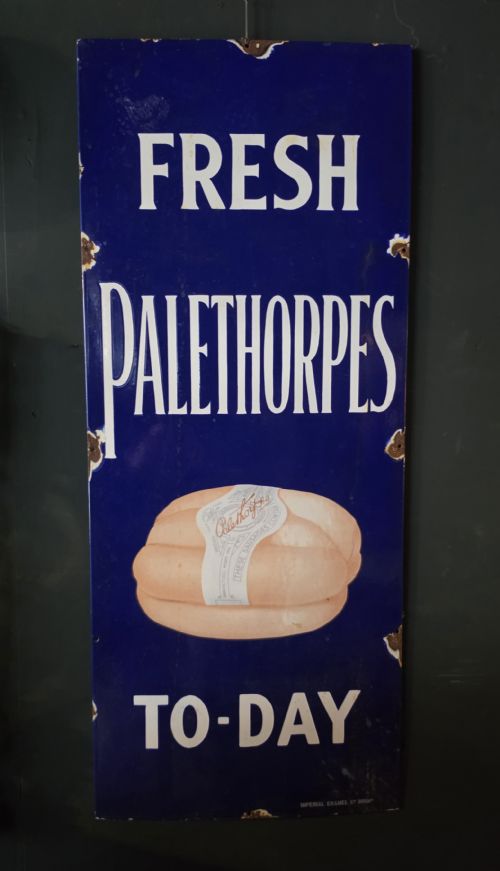
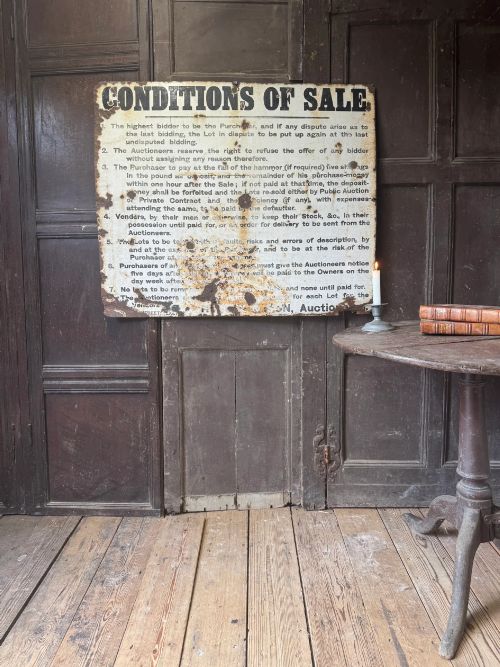
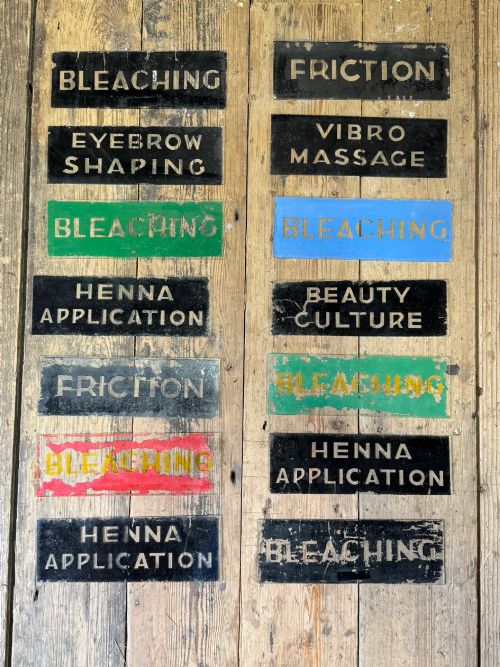
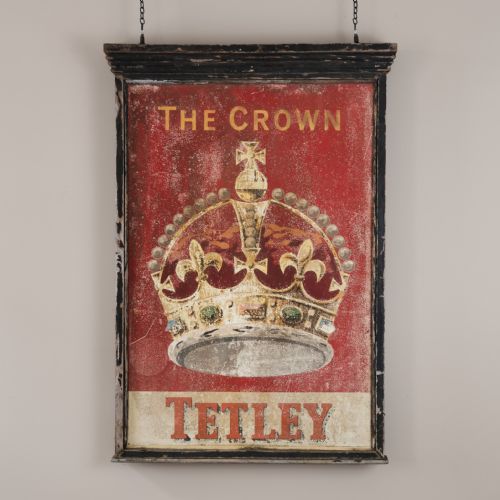
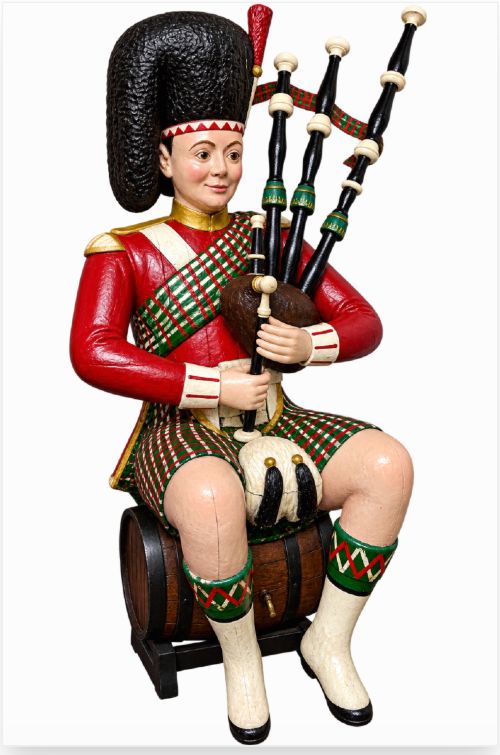
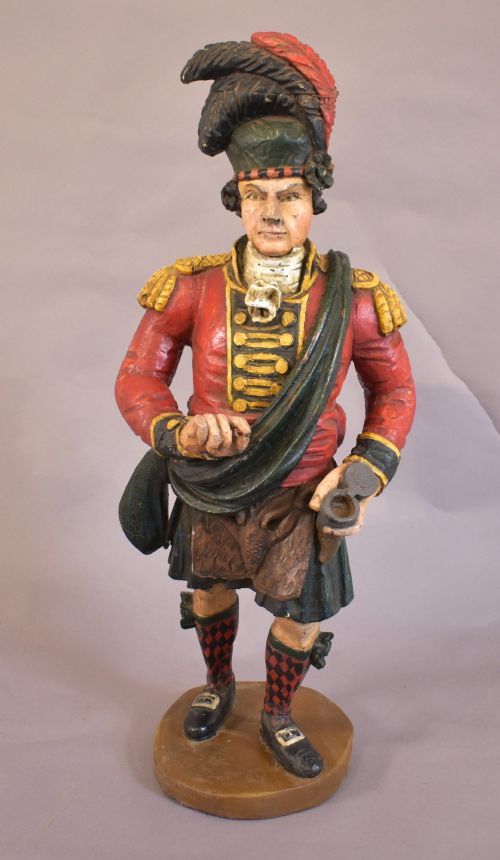
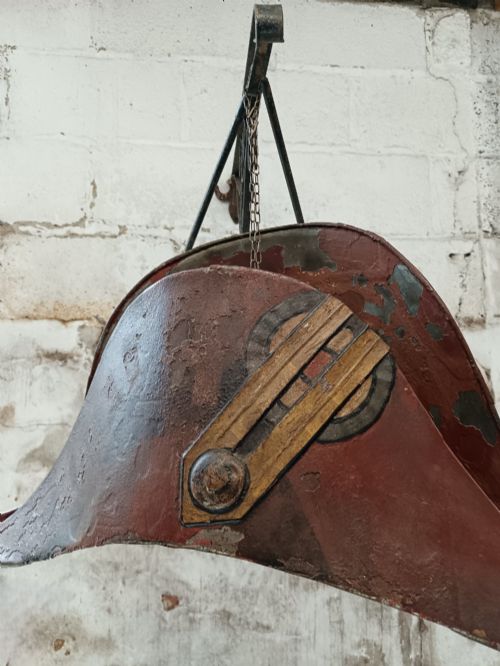
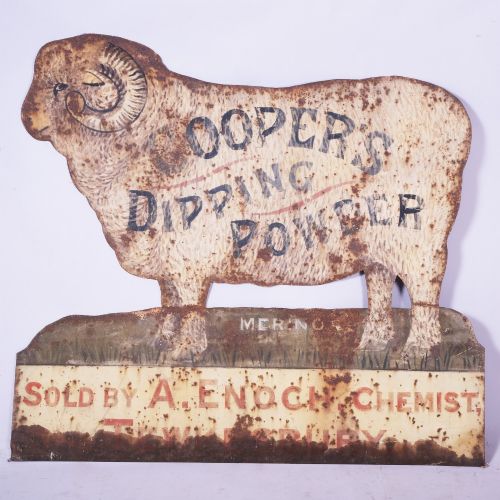
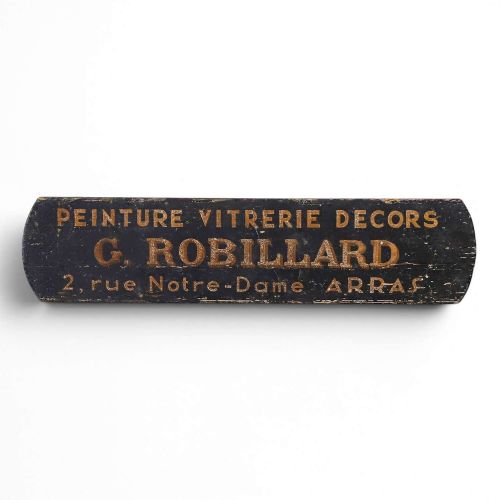
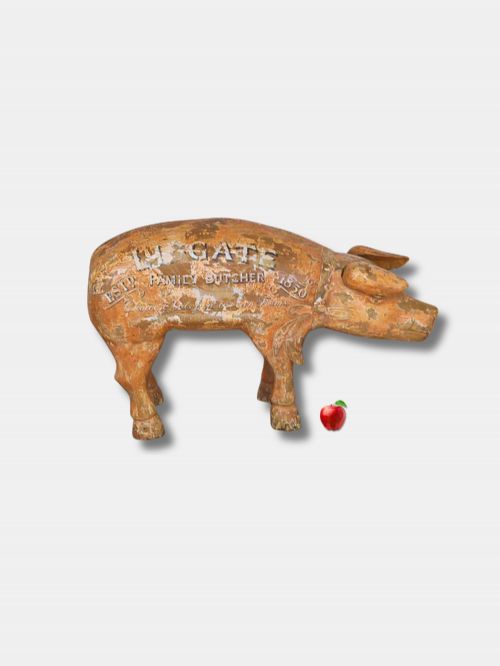
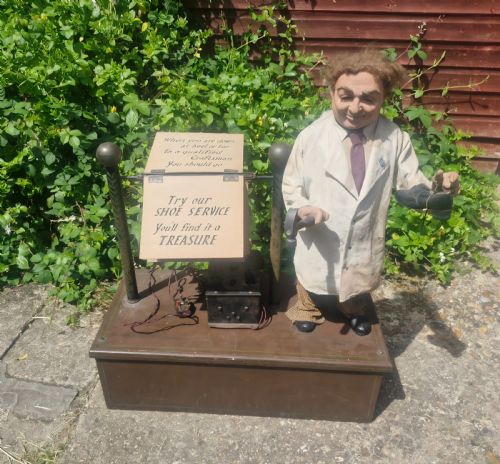
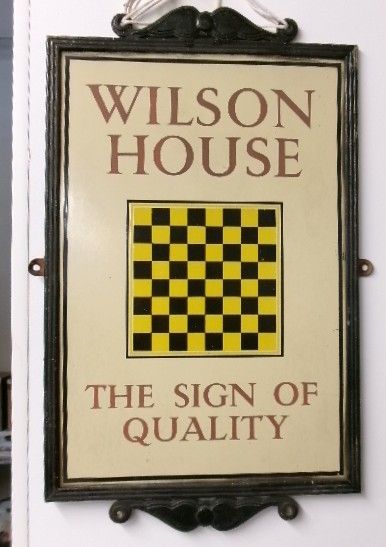
When you search for an antique advertising sign, you encounter surviving pieces of commercial display from past commerce. These items include wall signs, trade signage, and advertising signs intended for public businesses.
The pieces you meet most often on this page span the Victorian era, the Edwardian period, and the early 20th century. They encompass shop trade signs, pub mirrors, and embossed panels that once promoted everyday goods.
Makers and traders produced these works across various forms, ranging from framed mirrors and enamel plates to beaten metal and wooden cart sides.
How they were made
Materials recorded in the listings include paint, wood, iron, sheet iron, copper, lithographed tin, metal, and wrought iron. Makers combined these substances to withstand daily use inside shops and outdoors on trade premises.
Techniques varied by medium, encompassing beaten and embossed copper panels for Arts and Crafts pieces, as well as enamel work and signwriting applied directly to wood and metal bases.
Retail Price Guide 2026
Typical UK retail prices for advertising sign, calculated from the Sellingantiques database of over a million retail prices indexed since 2003. This retail price guide relies exclusively on Sellingantiques data; no external sources or auction records are used, so the figures do not describe the wider market.
Several signs spent their working lives bolted to the sides of delivery carts before finding a quiet retirement indoors.
What varies in quality
Quality in these signs rests upon the integrity of the original graphics and the skill of the signwriter or metalworker. Stronger examples retain their crisp lettering and original surface finishes without heavy later repainting.
The choice of material and framing also dictates the tier of the piece, with substantial oak frames and complex embossed metalwork sitting above simpler painted boards.
The Antique Advertising Sign Glossary
- Lithographed tin
- A metal sheet printed using a planographic process that allows for detailed multi-coloured commercial imagery. This technique became common for mass-produced shop advertising.
- Trade sign
- A board or hanging object displayed outside or inside a shop to indicate the trade practised within. These functional items form a core category of commercial antiques.
- Enamel sign
- A metal plate fused with powdered glass through high-heat firing to create a durable, glossy surface. This finish resisted weather and fading on exterior walls.
Frequently Asked Questions
Where were these signs displayed?
These signs hung outside shops, inside pubs, and upon trade carts to draw the attention of passing customers.
They served as direct commercial markers for everyday goods and services in busy streets.
How do I date an antique sign?
Dating relies on the materials used, the typography of the lettering, and the manufacturing techniques visible on the piece.
Victorian pieces often feature hand-applied paint or heavy framing, while later 20th-century examples utilise lithographed tin and enamel.
Can I hang these signs outdoors?
Most antique signs prefer an indoor environment to protect their fragile painted, mirrored, or enamelled surfaces from modern weather.
Exposure to damp conditions can cause metal corrosion and further loss to historic paint layers.
What styles are common?
The pieces span Victorian, Edwardian commercial, Arts and Crafts, and early 20th-century commercial styles.
Each style brings distinct aesthetic choices, from ornate pub mirrors to utilitarian shop boards.