









Antique Advertising Display
These antique advertising display pieces bring commercial heritage indoors, offering practical storage and striking visual character from past centuries.
Antique Advertising Display
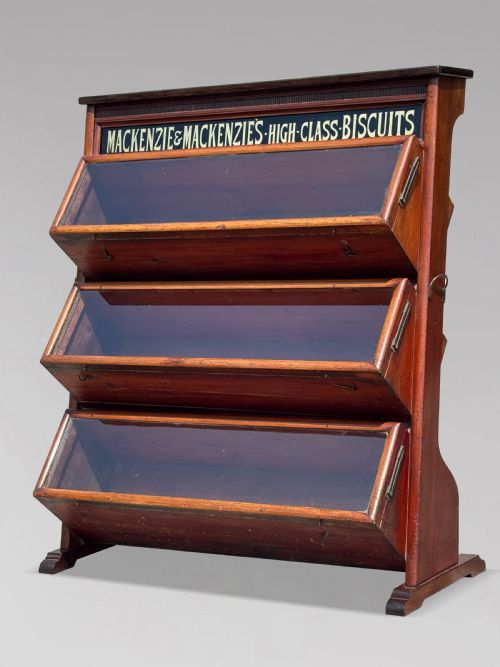
When you search for antique advertising display, you encounter a diverse mix of commercial shop fittings, trade figures, cabinets, and painted signs. The selection ranges from Victorian and Edwardian glazed mahogany cases to early twentieth century composition figures and metal signs.
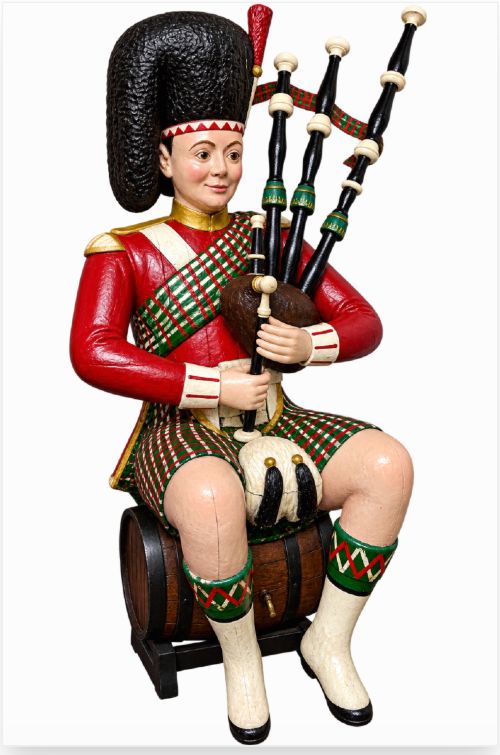
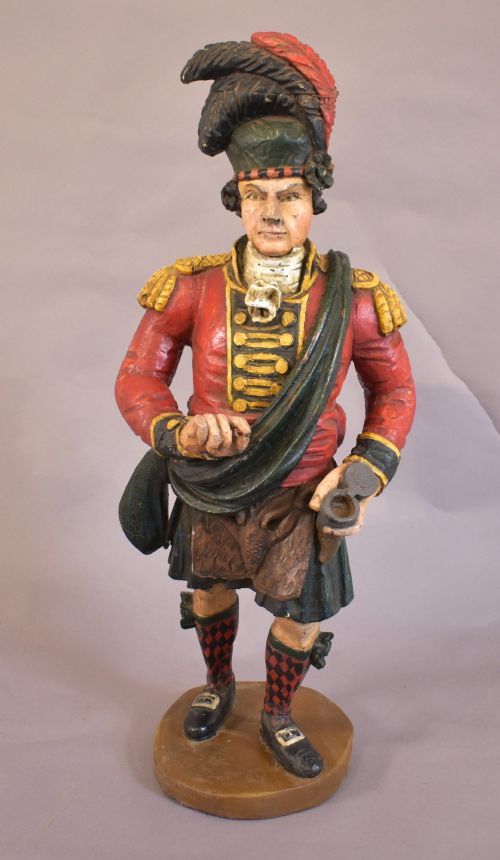
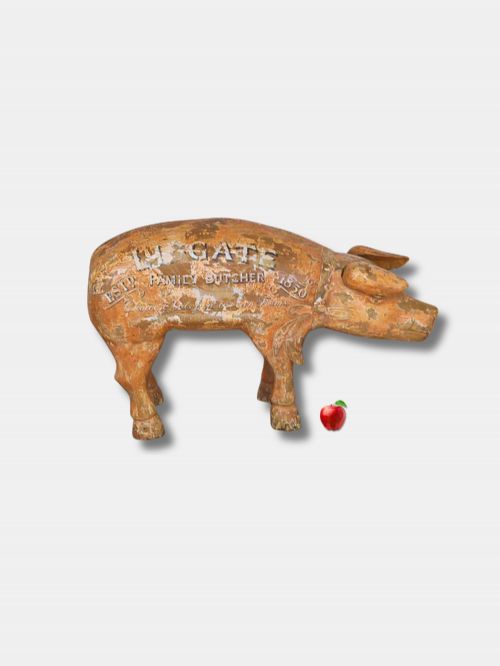
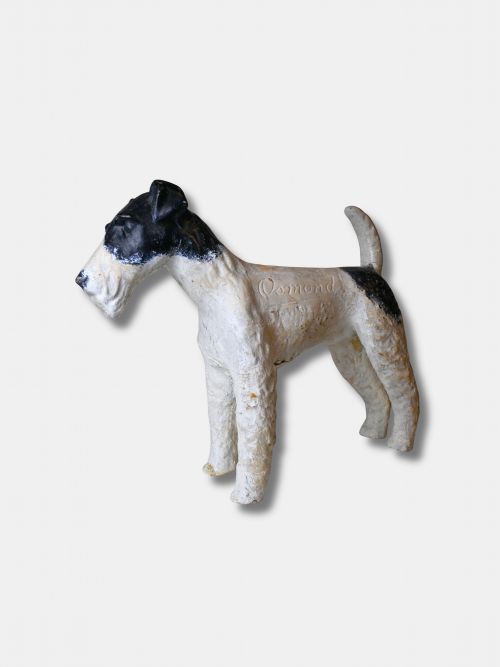
Cabinets and glazed display units form the most frequent items on this page, often bearing hand-written lettering for chocolate, tea, or tobacco brands. Alongside these, buyers encounter trade signs, shop display models, and carved figures representing bakers, butchers, and tobacconists.
The objects originate across the nineteenth and twentieth centuries, spanning periods from the Victorian era through the Edwardian years up to the 1930s. Materials vary widely between timber frames, painted surfaces, glass, brass, and iron.
Materials and construction
Makers utilised solid timbers such as mahogany, oak, walnut, pine, and cedar to build sturdy cabinets, counters, and storage boxes designed for heavy daily use in retail premises. Glass panels were integrated into doors and counter tops to showcase confectionery, tobacco, and sewing cottons safely.
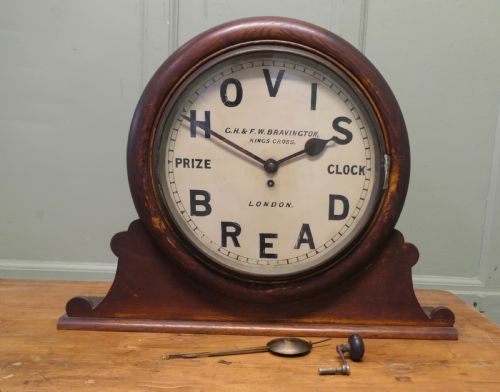
Signage and figures rely on hand-painted finishes, carved wood, iron, and composition materials to create bold commercial messages and lifelike trade models. Artisans applied hand sign-writing directly onto wood surfaces, creating durable advertisements for everyday provisions like bread, chocolate, and soap.
The listings on this page span the 1850s to the 1930s, incorporating woods such as mahogany, oak, pine, cedar, and American walnut alongside iron and glass.
Assessing quality in commercial antiques
Quality rests in the crispness of the original paint, the integrity of glazed panels, and the depth of timber selection used in the cabinet framework. Pieces with untouched, authentic hand sign-writing hold greater visual cohesion than later additions or heavily restored surfaces.
Construction details distinguish standard utility shop fittings from superior retail display furniture, such as finely fitted joinery in mahogany or walnut. The presence of original hardware, working locks, and well-preserved trade figures elevates the piece from basic salvage to high-grade commercial folk art.
G.H. & F.W. Bravington London·Josef Herzog·Ermen & Roby·H. Upmann
The Antique Advertising Display Glossary
- Trade sign
- A board or sculptural figure hung outside or placed within a shop to advertise specific goods or services. These items rely on pictorial or bold lettering to attract customers from the street.
- Vitrine
- A glass-fronted cabinet or display case designed specifically for showing delicate wares, collectibles, or retail products. They usually feature glazed sides and doors to maximise light penetration.
- Dummy board
- A flat, painted wooden figure cut to outline and used in interiors or shop windows to simulate a person or product. These theatrical pieces were popular in commercial and domestic settings alike.
- Composition
- A moulded material made from a mixture of resin, sawdust, whiting, and glue, pressed into moulds to form figures and decorative details. It was widely utilised for lightweight shop display mannequins and advertising statues.
- Ironstone
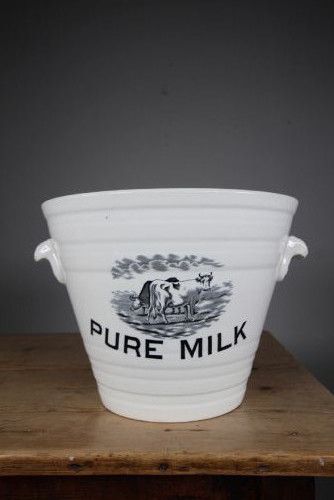
- A heavy, durable type of ceramic developed in the nineteenth century to imitate porcelain while withstanding rigorous commercial handling. It frequently appears in dairy pails, plaques, and large sales items.
Antique Advertising Display: Frequently Asked Questions
What were glazed display cabinets used for?
Shopkeepers utilised glazed cabinets on counters and walls to keep valuable provisions like chocolate, tobacco, and sewing cottons clean and secure while remaining fully visible to customers.
Today, collectors use these same cabinets in domestic settings to display small collections, ceramics, and books while adding period character to a room.
How do I identify a trade sign period?
Dating relies on examining the substrate materials, the formulation of the paint, the typography styles, and the specific trades mentioned in the lettering. Victorian and Edwardian examples often feature hand-applied sign-writing on heavy timber boards or shaped iron.
Later pieces from the 1920s and 1930s introduce Art Deco design elements, composition materials, and distinct commercial branding conventions that separate them from nineteenth-century folk art pieces.
Where should I place a trade figure?
Trade figures and carved shop models require stable indoor environments away from direct sunlight and excessive moisture to protect painted wooden surfaces and composition materials. Placing them on sturdy sideboards, hallways, or dedicated shelving lets the sculpture act as a focal point.
Because these pieces were originally designed for bustling retail spaces, they pair well with industrial furniture, rustic timber tables, and eclectic interior schemes.
Are later sign-written cabinets authentic?
Many shop cabinets received sign-writing later in their working life or through trade updates, adapting older furniture stock to promote new brands of cocoa, bread, or confectionery. These secondary applications represent genuine commercial reuse rather than modern reproduction.
Collectors value both original factory branding and period merchant sign-writing provided the craftsmanship and materials belong to the historical era of the piece.