
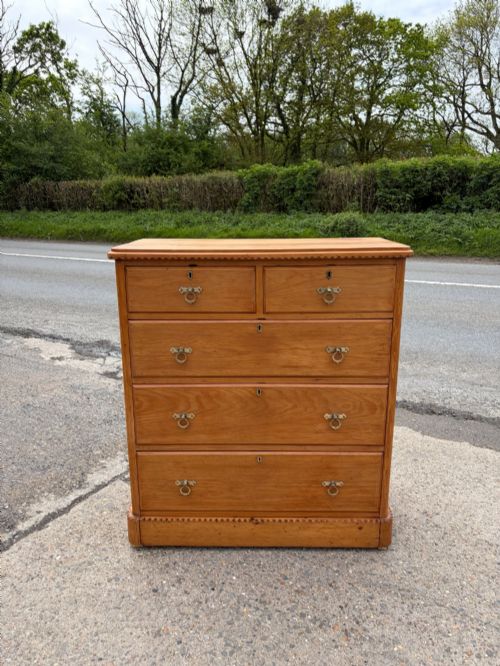
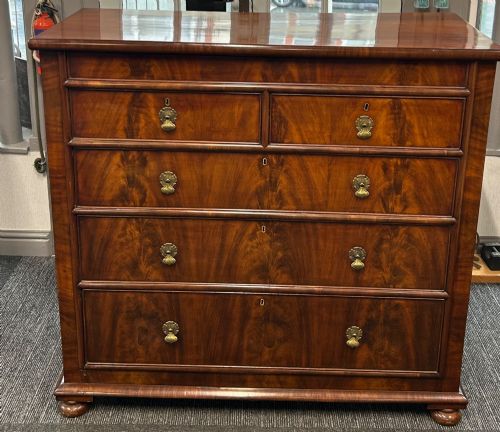
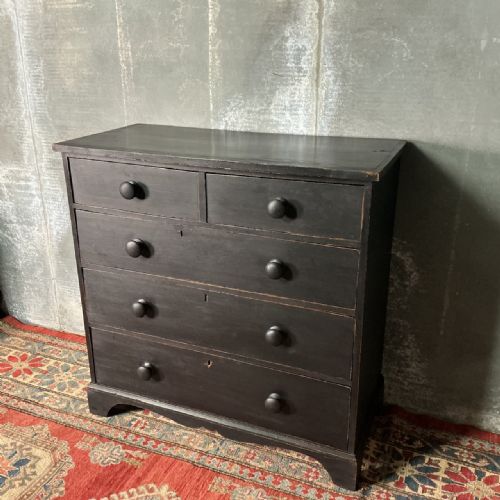
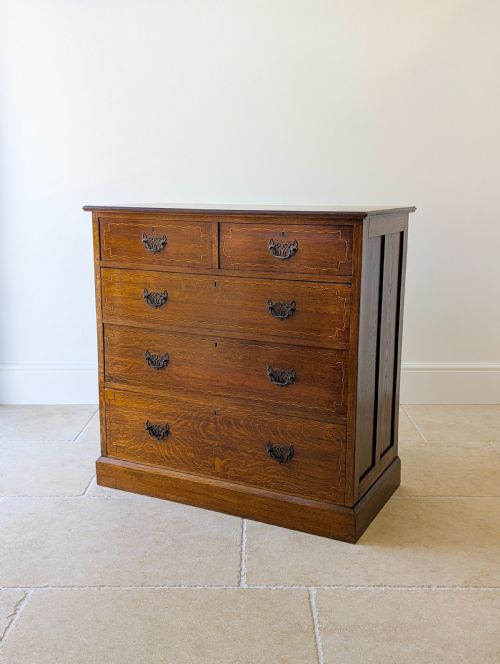


Antique 2 Over 3 Chest
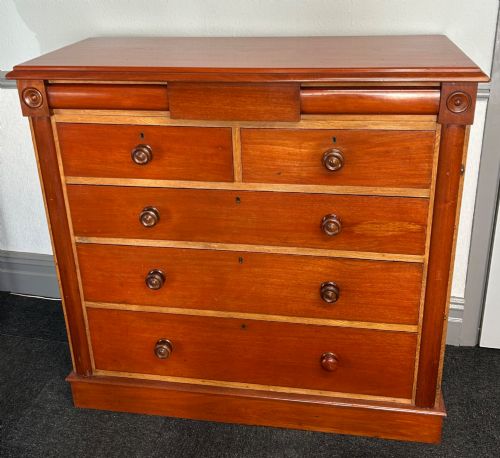
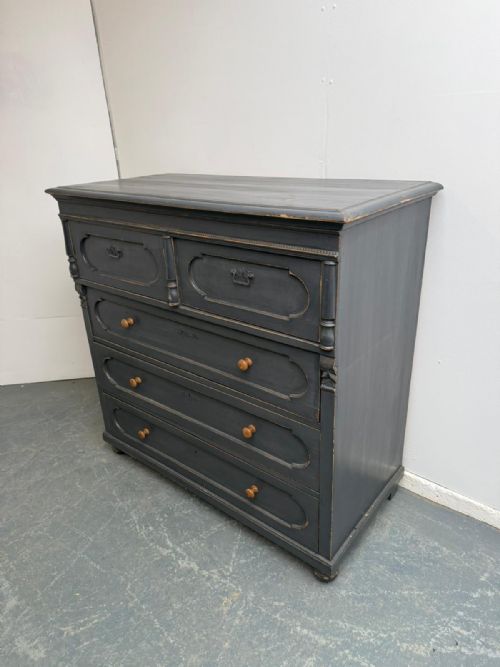
An antique 2 over 3 chest brings two small drawers above three long ones into a room for solid storage and classic proportions.
Understanding the antique 2 over 3 chest
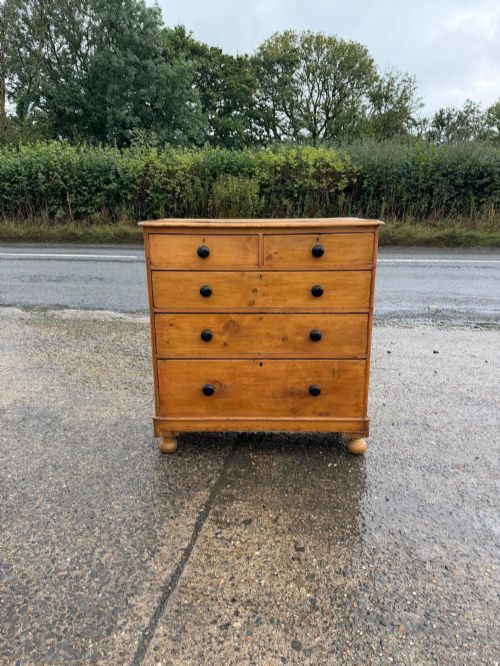
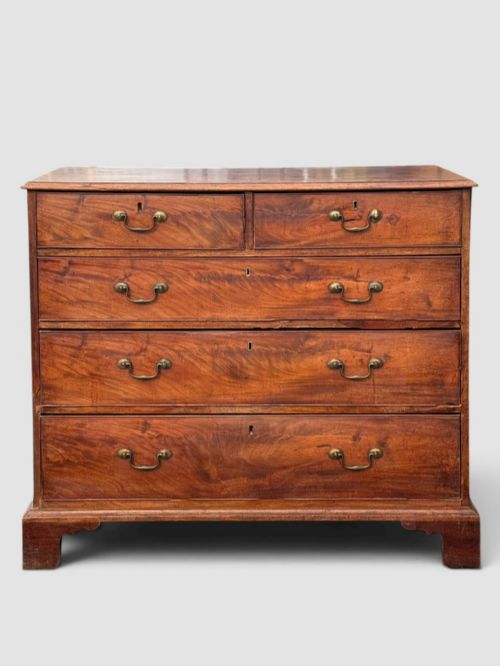
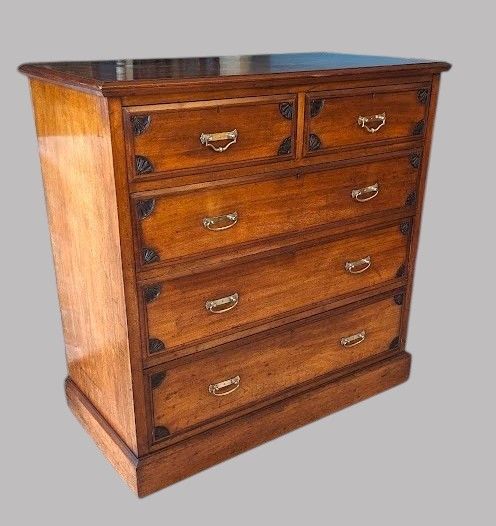
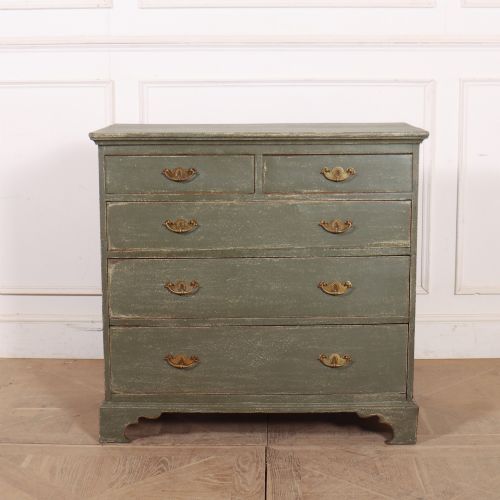
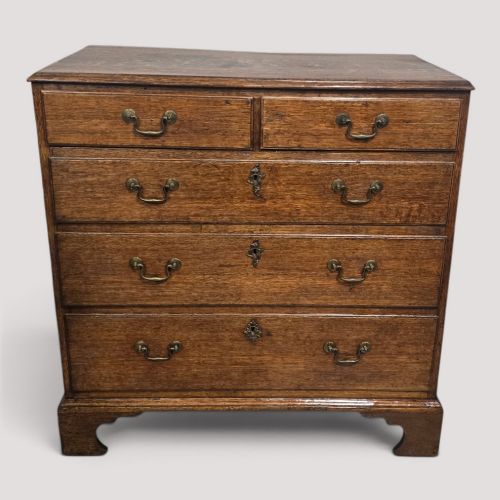
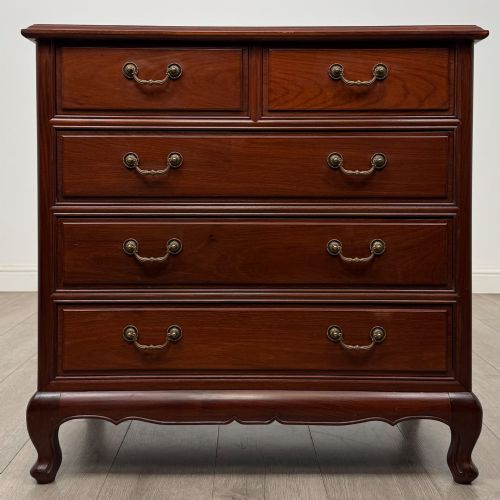
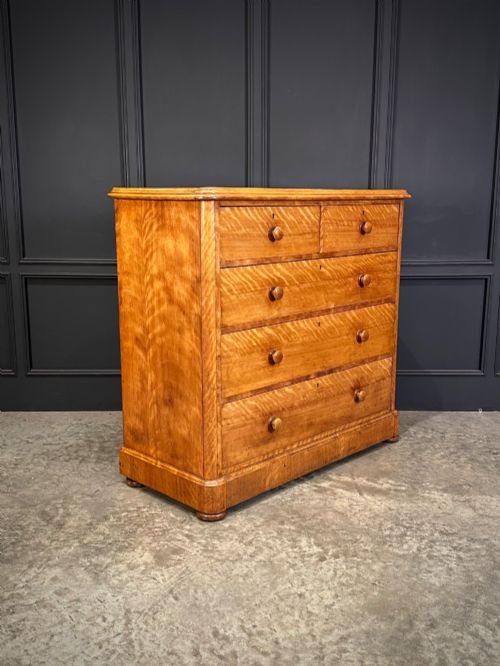
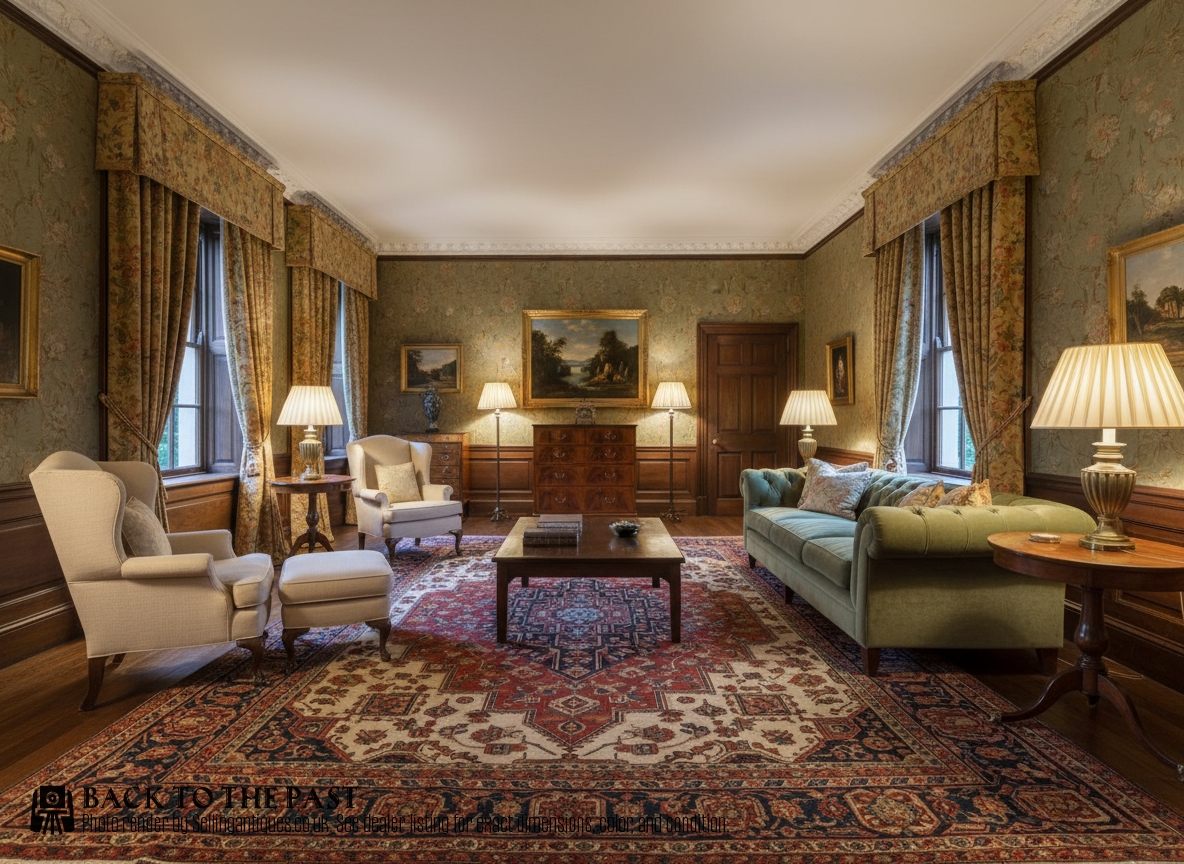
An antique 2 over 3 chest arranges two smaller drawers above three wider graduated drawers within a single case. These sturdy forms provide ample bedroom or living space storage while maintaining a balanced facade.
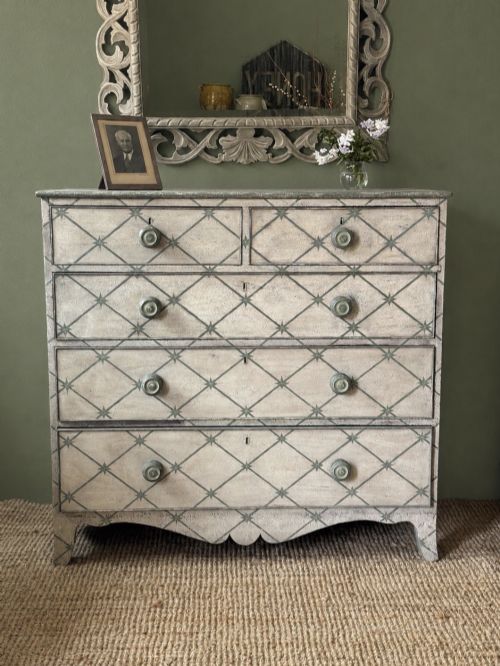
The pieces on this page span the Georgian, Victorian, and Edwardian periods, alongside specific 18th century examples. Mahogany predominates among the surviving items, alongside pine, oak, and painted surfaces.
Makers designed these chests of drawers to stand against walls in chambers and parlours. Mahogany versions often display rich grain, whilst pine and oak variants offer alternative domestic textures.
Materials and construction methods
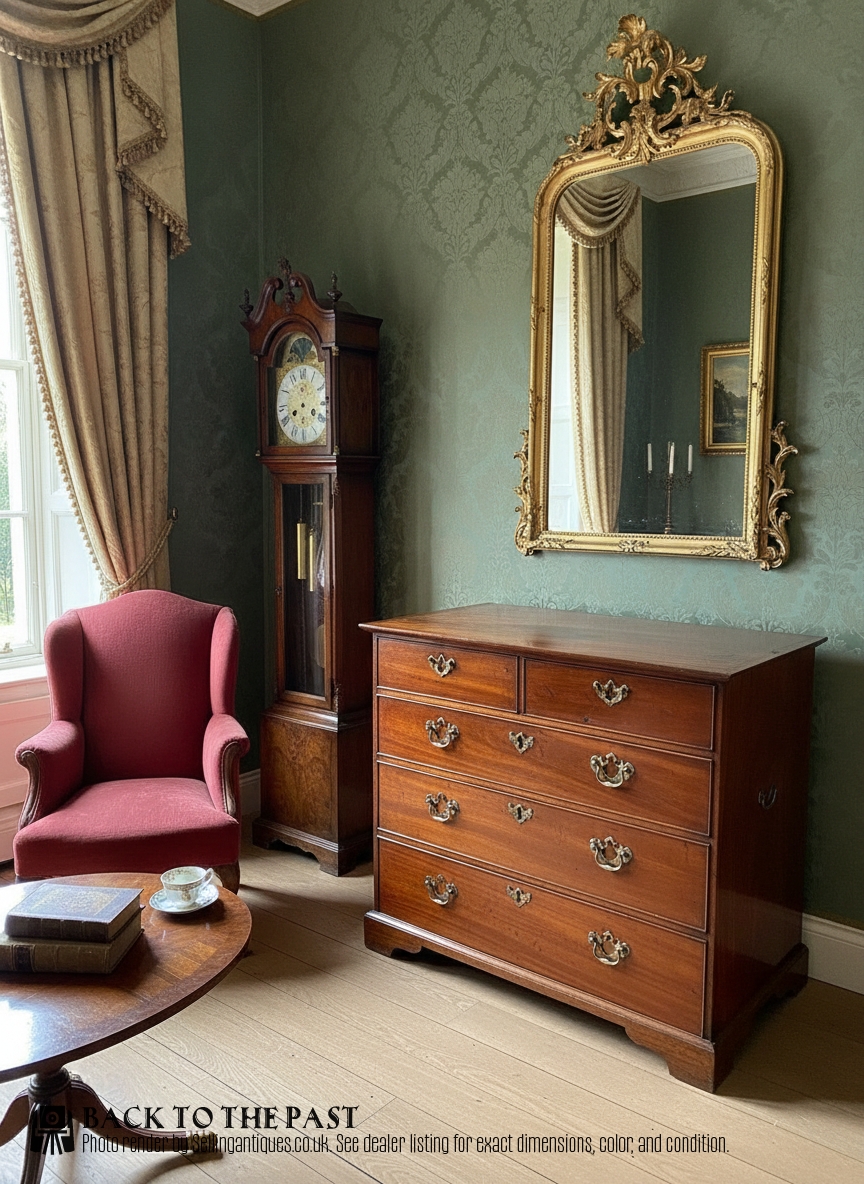
Cabinet makers built these carcasses primarily from solid mahogany, oak, and pine. Selected timbers provided structural stability for the deep drawers and heavy frames.
Surface ornamentation included boxwood inlay and painted finishes, while brass handles completed the drawer fronts. Workshops fitted these metal mounts to assist daily operation.
Retail Price Guide 2026
Typical UK retail prices for 2 over 3 chest, calculated from the Sellingantiques database of over a million retail prices indexed since 2003. This retail price guide relies exclusively on Sellingantiques data; no external sources or auction records are used, so the figures do not describe the wider market.
Listings on this site feature pieces from the Georgian, Victorian, and Edwardian eras, alongside 18th-century items.
Distinguishing quality across examples
The standard of timber selection and decorative detailing elevates finer examples above utility pieces. Solid satinwood or carefully arranged mahogany veneers denote higher ambition in the workshop.
Subtle elements such as precise boxwood inlay and original brass handles distinguish superior specimens. The integration of secondary woods and the crispness of the drawer construction mark the tiers of craftsmanship.
The Antique 2 Over 3 Chest Glossary
- Georgian
- A design period spanning the 18th and early 19th centuries known for architectural proportions and mahogany construction. Pieces from this era often feature refined brass hardware.
- Victorian
- A period of varied revival styles and industrial manufacturing improvements spanning the mid to late 19th century. Furniture from this time utilised both dense mahogany and softer painted pine.
- Edwardian
- A furniture era dating to the early 20th century that frequently incorporated light satinwood and delicate boxwood inlay. These later chests often show lighter framing than their Georgian predecessors.
- Graduated drawers
- A configuration where drawers decrease in depth from bottom to top. This arrangement creates a balanced visual weight on the chest facade.
Frequently Asked Questions
How do I date an antique chest?
Examine the primary wood species, secondary timber choices, and construction methods used in the drawer linings. Georgian pieces typically employ different dovetailing techniques compared to later Victorian iterations.
Hardware styles and secondary decorative elements like boxwood inlay also provide clues to the manufacturing decade. Comparing the overall proportions helps place the piece within the Georgian, Victorian, or Edwardian timelines.
Were these chests used in bedrooms?
These chests served primarily as principal bedroom storage for folded garments and linens. Their five-drawer configuration allowed users to sort different types of clothing efficiently.
Beyond the sleeping quarters, larger examples stood in hallways or dressing rooms. The sturdy top surface also provided a place for decorative objects or mirrors.
What is satinwood furniture?
Satinwood is a hard, dense timber with a lustrous, golden sheen that cabinet makers utilised for high-end decorative pieces. Solid satinwood examples represent an elevated tier of material choice.
Workshops often paired this timber with fine inlay work to highlight its natural grain. Such pieces stand apart from standard mahogany or pine storage furniture.
How do I care for mahogany?
Keep mahogany furniture away from direct sunlight and extreme temperature fluctuations to prevent timber movement. Regular dusting with a soft, dry cloth preserves the polished surface.
Avoid commercial silicone sprays that can build up on antique finishes over time. Gentle waxing occasionally helps nourish the historic wood.