






Animal Bronze Art
Animal bronze art captures creatures in metal, bringing dynamic motion and texture into a room.
Animal Bronze Art
Animal bronze art comprises sculptures, bookends, lamps, and desk accessories depicting creatures ranging from wild big cats to domestic hounds. Buyers searching for animal bronze art encounter works spanning the seventeenth century through to the mid-twentieth century, with a strong concentration of Art Deco pieces.
The objects take many functional and decorative forms, including desktop inkwells, figural lamp bases, and substantial life-size garden or hall statues. French and Austrian foundries produced many of the most visible examples, alongside Japanese Meiji period okimono castings.
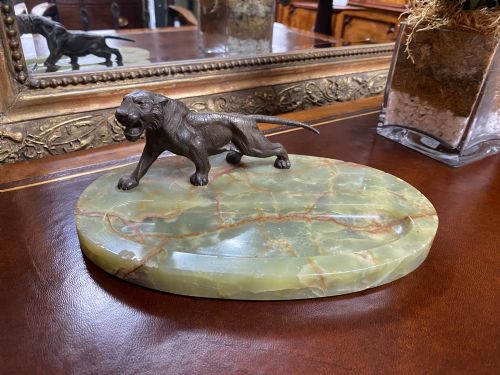
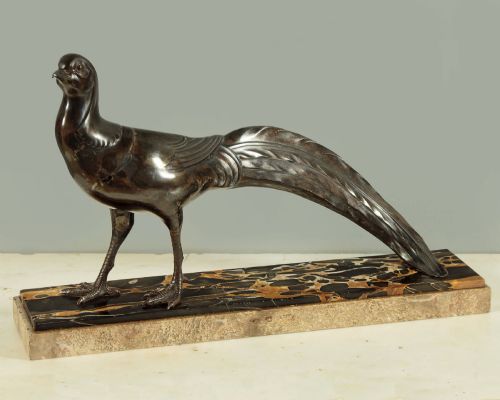
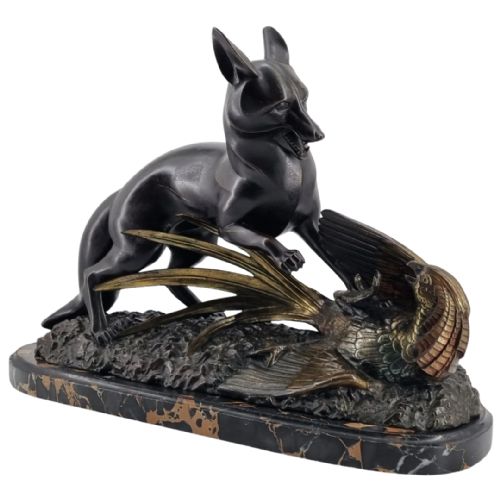
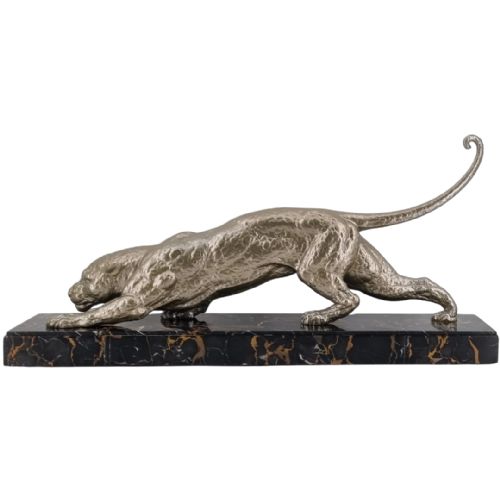
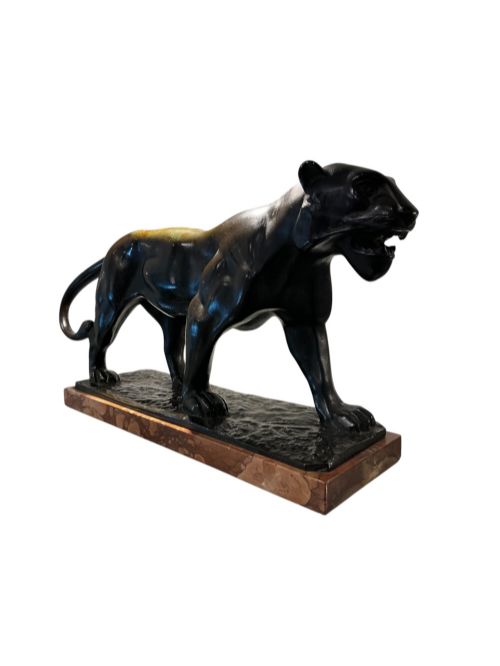
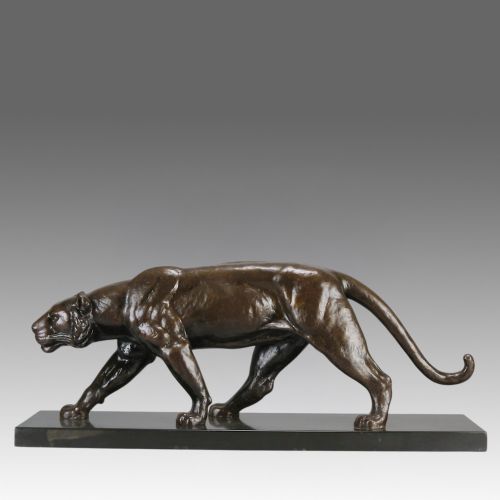
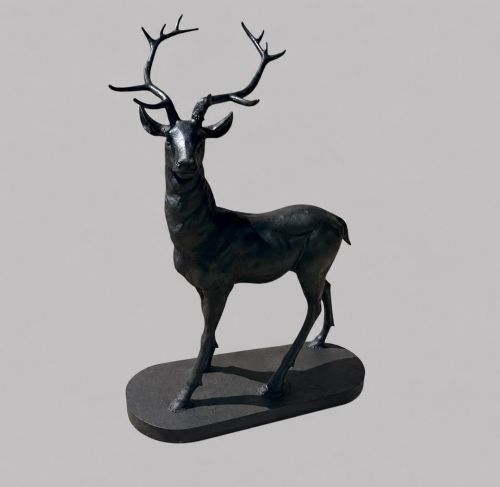
Figurative subjects include panthers, stags, greyhounds, and birds modelled in realistic or stylised modernist postures. These pieces often incorporate heavy stone plinths made from black marble or onyx to anchor the metal figures.
Materials and casting methods
Foundries utilised traditional hot casting methods for bronze, pouring molten metal into moulds to capture fine fur textures, muscular tension, and feather details. Many works combine patinated or silvered bronze with contrasting natural bases of marble, onyx, or wood.
Alternative metal alloys such as spelter appear frequently among domestic bookends and decorative groups, offering a lighter, more affordable substitute for solid bronze. Surface finishes range from dark chemical patination to cold-painted polychrome colours applied directly onto the metal surface.
Animal Bronze Art Retail Price Guide 2026
Typical asking prices for animal bronze art among the pieces listed under this phrase on Sellingantiques today, from the lower quarter to the upper quarter. They describe what is for sale here now, not the wider market.
Several bronze panthers share display space with surprisingly domestic creatures, including silvered greyhounds and attentive spaniels.
Assessing craftsmanship and design
Quality rests upon the crispness of the metal chasing and the fidelity of the anatomical modelling, distinguishing lively, fluid postures from rigid, mass-produced castings. Superior examples display careful hand-finishing that articulates musculature, facial expressions, and surface textures without obscuring the underlying form.
The integration of the sculpture with its mounting base dictates overall visual balance, where dense veined marble or onyx provides a secure and proportional footing for heavy metal figures. Signed works associated with recognised sculptors or established foundries command greater attention for their documented provenance and artistic attribution.
Lavroff·D. H. Chiparus·Alexandre Ouline·Franz Bergman·Michel Decoux·Georges Gardet·Clovis Masson
The Animal Bronze Art Glossary
- Animalier
- A nineteenth-century artistic movement dedicated to the realistic portrayal of animals, particularly wild beasts in motion. Practitioners mastered accurate anatomy through direct observation of captive animals in menageries.
- Spelter
- A zinc-based alloy commonly utilised as a less expensive alternative to bronze for decorative figures and bookends. It frequently received a bronze-coloured or patinated surface coating to mimic genuine metal.
- Okimono
- A Japanese decorative ornament intended for display on a shelf or tabletop, particularly popular during the Meiji period. These carvings and metal castings depict figures, animals, and natural subjects with high precision.
- Cold-painted
- A technique where paint is applied to a bronze object without subsequent kiln firing, common in Austrian animal figures. The delicate pigments require careful preservation to prevent flaking over time.
- Patination
- The chemical colouring applied to the surface of bronze to produce deep brown, green, or black tones. This artificial oxidation protects the metal and accentuates sculptural details.
Animal Bronze Art: Frequently Asked Questions
How do I clean animal bronze art?
Dust the surface regularly with a soft, dry cloth to prevent particulate accumulation within crevices and textured fur.
Avoid using harsh chemical polishes or water, which can strip the patinated finish and damage exposed marble or onyx bases.
Are spelter and bronze different?
Bronze is a durable copper alloy that takes sharp casting details and develops a rich patination over centuries of handling.
Spelter is a softer, lighter zinc-based metal that feels less dense and requires more careful handling to prevent bending or surface cracking.
Where should I display these sculptures?
Place heavier statues and bookends on sturdy desks, mantelpieces, or dedicated display tables capable of supporting dense marble bases.
Keep pieces away from direct heat sources and strong sunlight to protect cold-painted colours and polished stone surfaces.
How do I identify Art Deco animal pieces?
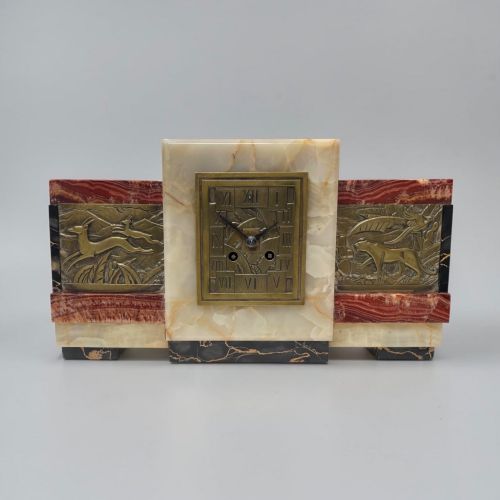
Look for streamlined geometries, stylised animal forms such as sleek panthers or greyhounds, and contrasting geometric marble plinths.
Many of these works date from the interwar period and emphasise dynamic forward motion or predatory tension.