



Anglo Indian Cane
These anglo indian cane furnishings unite traditional British colonial forms with intricate South Asian woodworking.
Anglo Indian Cane
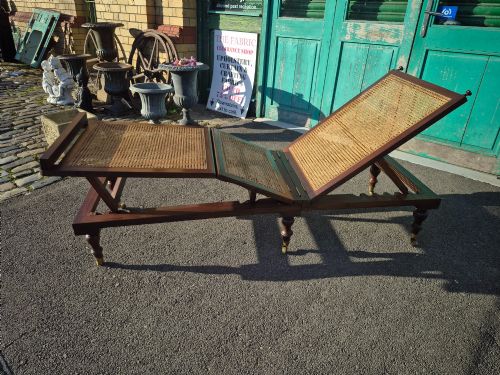
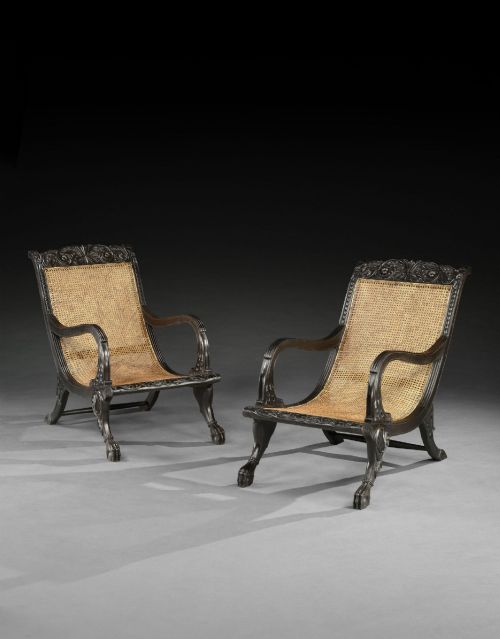
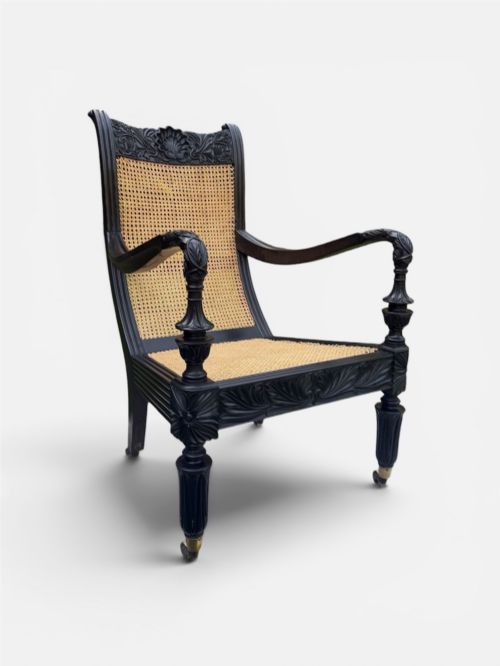
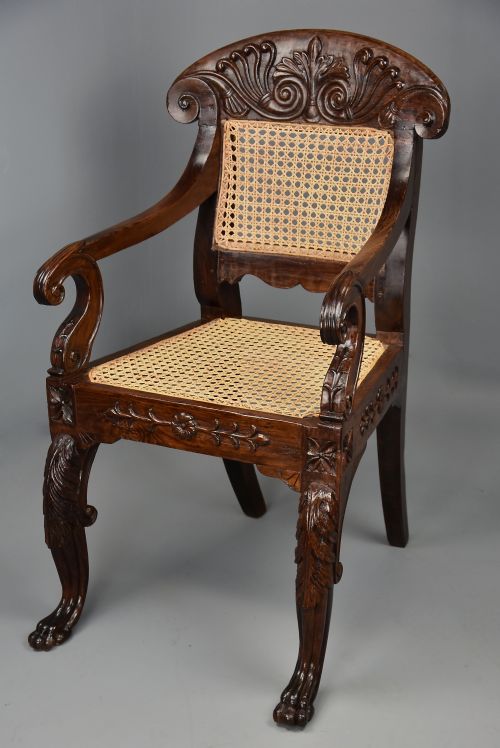
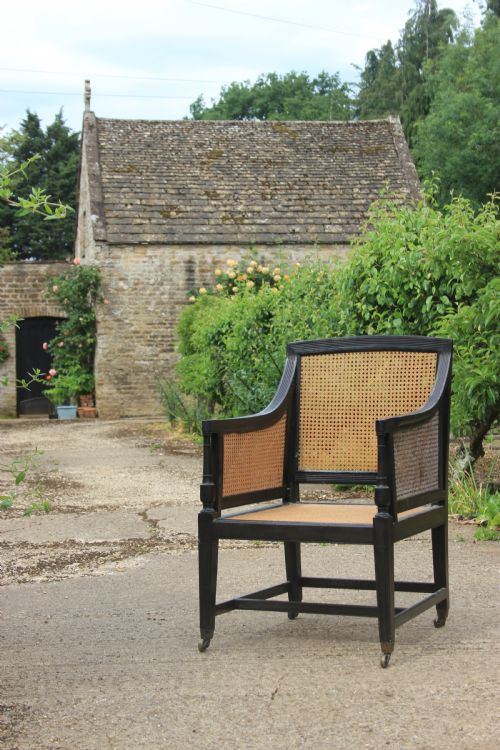
Anglo indian cane pieces encompass seating, daybeds, and tables produced during periods ranging from the seventeenth century through the twentieth century. Buyers seeking anglo indian cane frequently encounter robust seating options such as armchairs, plantation chairs, and side chairs alongside larger daybeds and sofas. The selection spans distinct aesthetic movements including Regency, Aesthetic Movement, and Art Deco styles.
Origin points within the evidence include Ceylon, the Coromandel Coast, and Bombay. Forms extend from low chairs and hall chairs to occasional tables and walking sticks, reflecting diverse domestic and campaign requirements. Many examples demonstrate specific regional craftsmanship combined with British design idioms.
How they were made
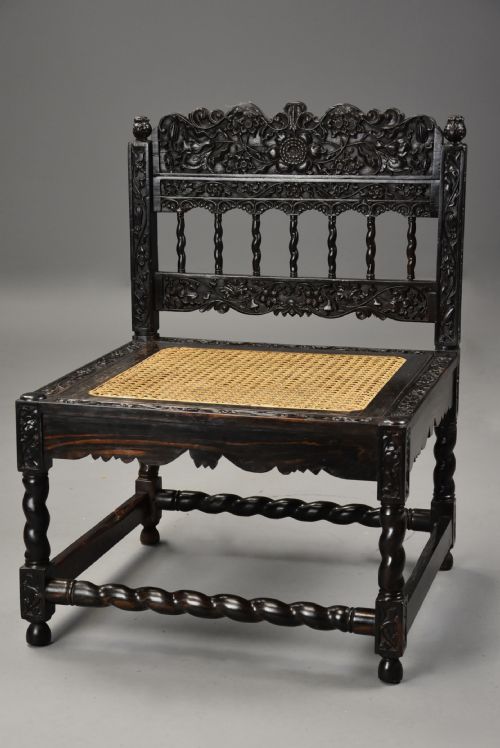
Construction relies heavily on dense tropical hardwoods such as ebony, teak, padouk, satinwood, and rosewood, paired with woven cane, rattan, or reed panels. Solid ebony and teak provide rigid structural frames capable of supporting intricate hand-carved ornamentation.
Joinery techniques accommodate the contraction and expansion of timber in colonial climates while integrating flexible woven surfaces for seating and daybed bases. Metal elements like brass appear alongside ebonised bamboo and silver components on specific walking sticks and tables.
Several walking sticks double as concealed compartments or incorporate solid silver handles fashioned into decorative animal heads.
What varies in quality
Quality differences emerge primarily through the depth and precision of the wood carving, ranging from simple turned members to deeply sculpted scroll backs and figural motifs. The selection of timber, such as solid Coromandel ebony versus secondary hardwoods, dictates the heft and permanence of each item.
The integrity of the woven cane or reedwork also separates standard utilitarian items from finer salon pieces. Uniformity in the gauge of the cane and tightness of the weave indicate superior workshop output.
The Anglo Indian Cane Glossary
- Cane
- A woven material derived from the peeled bark of rattan palms, utilised for flexible seat and back panels. This breathable surface suited tropical colonial environments.
- Bergere
- An enclosed armchair with a wooden frame and cane sides and back. It gained popularity during the Regency period.
- Padouk
- A heavy, durable tropical hardwood displaying reddish-brown tones, utilised for carved armchairs and campaign furnishings.
- Plantation chair
- A wide-armed lounging chair equipped with extending arms designed for resting legs, frequently produced in teak or rosewood for colonial residences.
- Ebonisation
- The process of treating lighter timber such as bamboo or hardwood to imitate solid ebony through staining or painting.
Anglo Indian Cane: Frequently Asked Questions
How do I care for cane furniture?
Keep woven panels lightly dusted and maintain moderate humidity levels to prevent the natural material from becoming brittle over time.
Avoid placing these items in direct sunlight or beside intense heat sources which dry out the wood and cane fibres.
Were these pieces made for export?
Many items were produced in workshops across the Indian subcontinent specifically for British colonial officials, residents, and the European export market.
They blend traditional South Asian carving techniques with prevailing European furniture fashions of the nineteenth and twentieth centuries.
What is a plantation chair?
A plantation chair is a deep-seated lounging chair featuring extended flat arms designed for resting the feet.
These pieces were constructed from teak or rosewood to provide comfort in hot climates.
How do I identify solid ebony?
Solid ebony timber exhibits exceptional weight, a fine grain, and a deep dark brown or black coloration without surface staining.
Pieces from Ceylon and the Coromandel Coast often utilise this dense material for structural frames and detailed relief carving.