


Analogue Wrist Watch Mens
An analogue wrist watch mens search brings together mid-century timepieces driven by mechanical movements and traditional dial displays.
Analogue Wrist Watch Mens
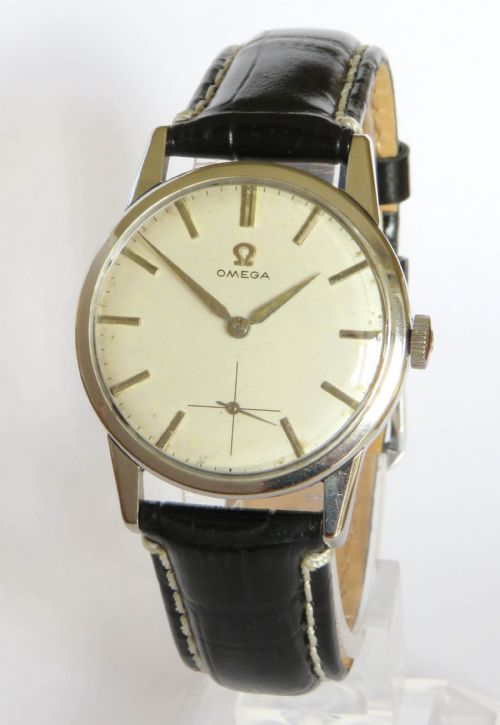
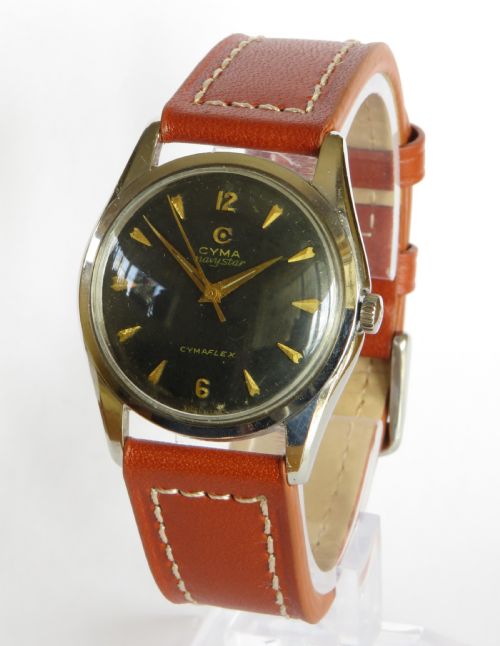
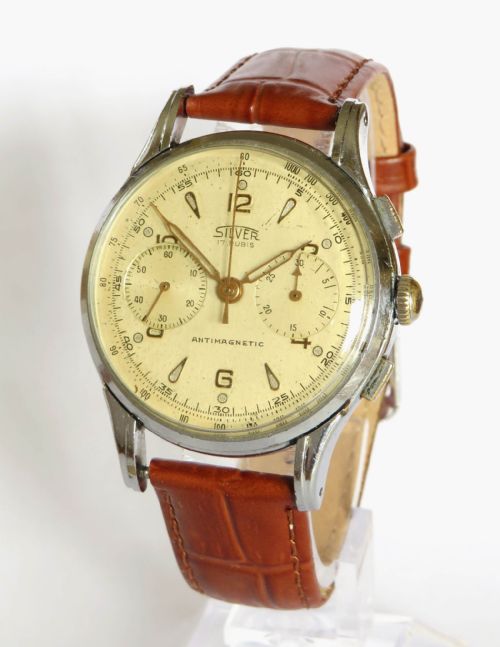
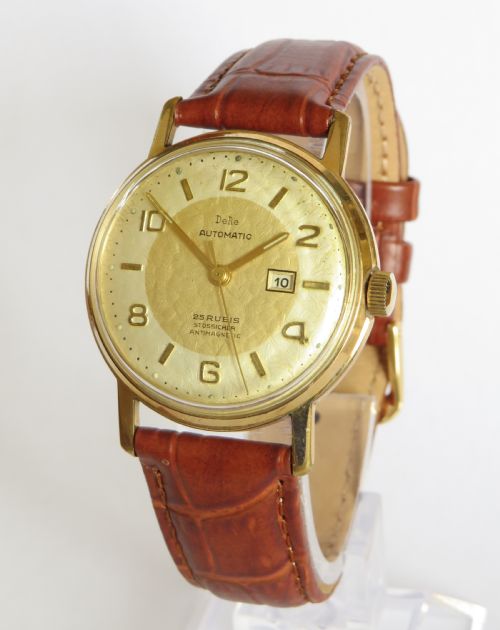
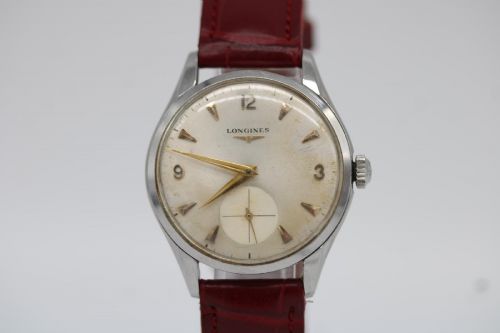
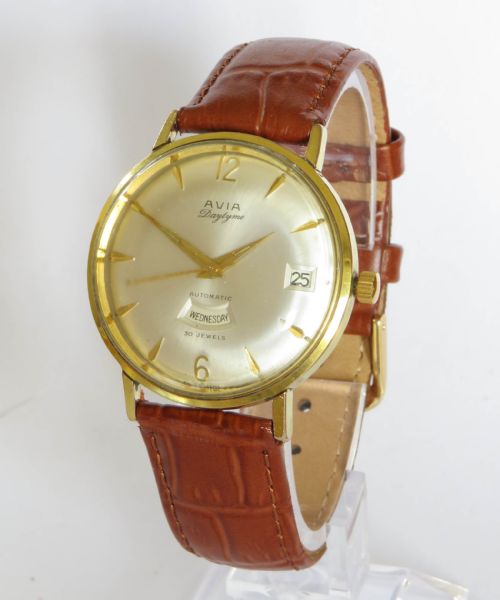
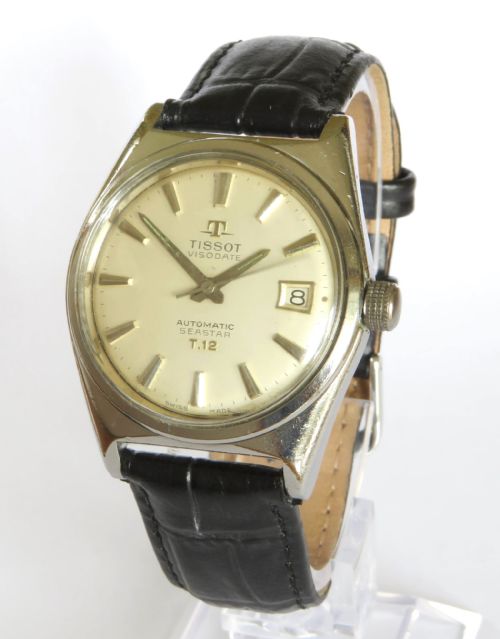
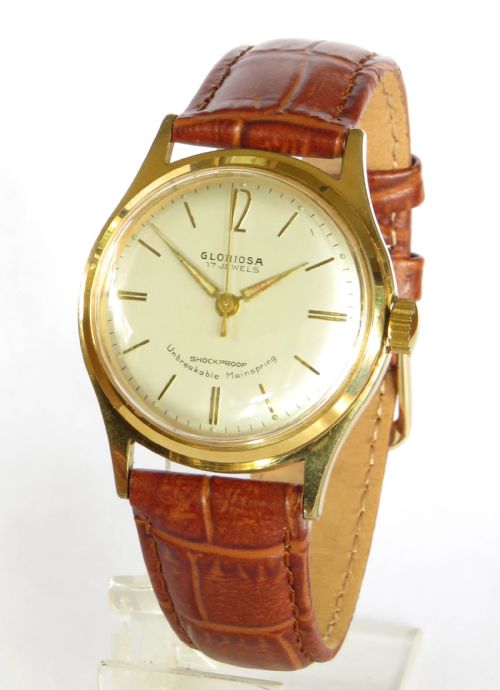
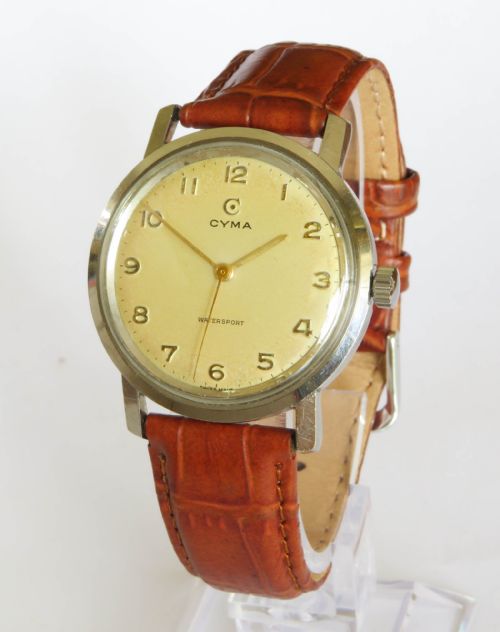
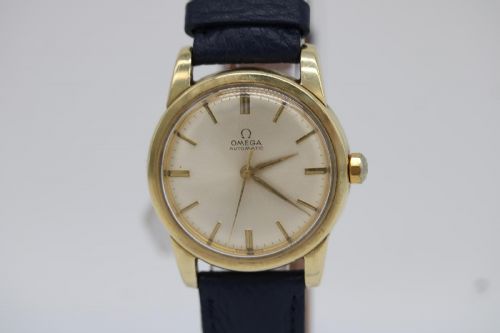
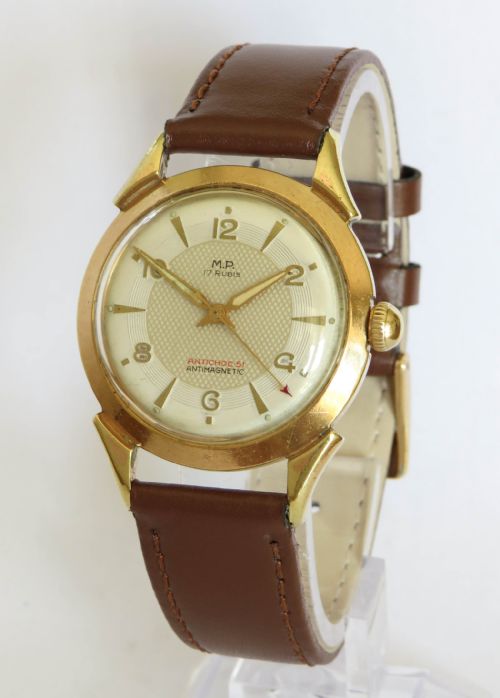
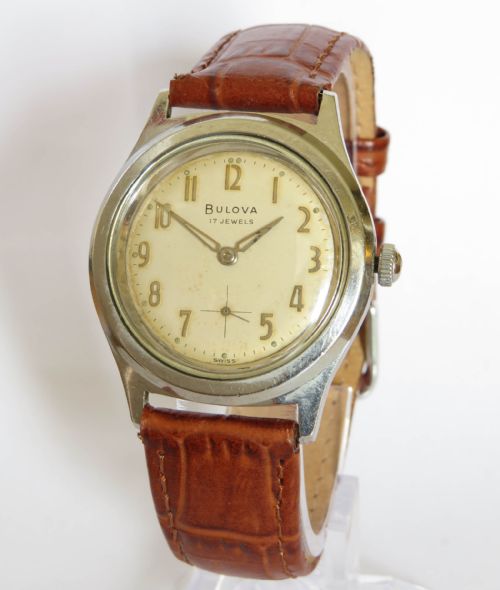
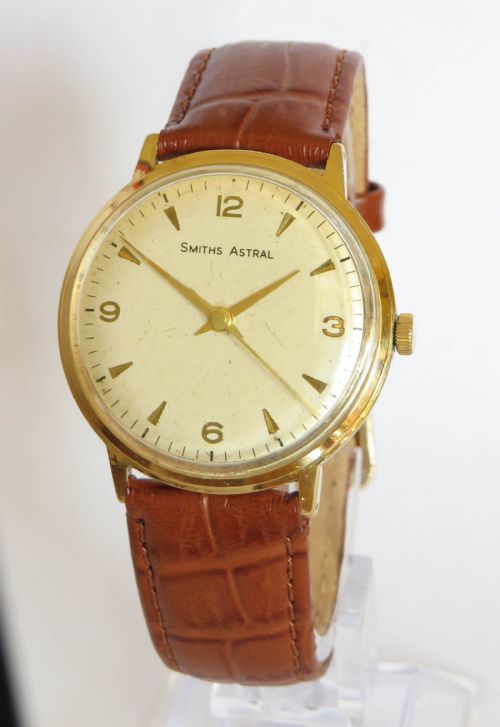
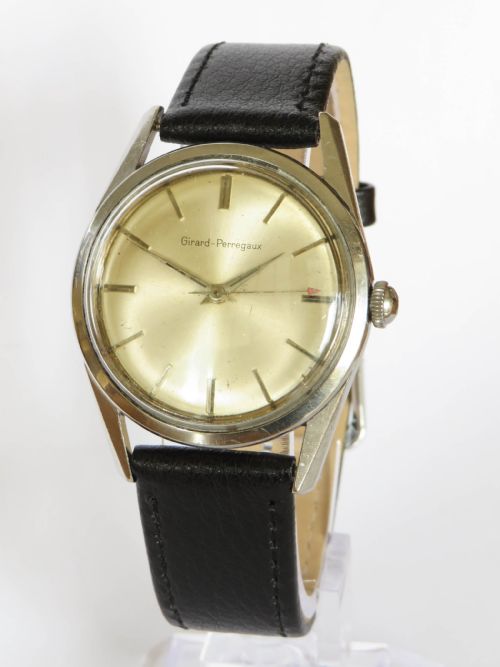
When searching for an analogue wrist watch mens, you encounter mechanical and manual-wind timepieces primarily spanning the nineteen-forties through the nineteen-sixties. These vintage items include classic dress watches and chronographs designed for everyday wear.
The selection on this page draws predominantly from mid-century modern aesthetics alongside earlier nineteenth-century and Art Deco influences. Makers from this era relied on clear dial layouts with hands rather than digital screens to indicate time.
What varies in quality
Distinction across these timepieces lies in the execution of the movement and the finish of the case materials. Gold-plated housings and refined steel finishes indicate higher tiers of production compared to basic plated alternatives.
The integrity of the dial typography and the preservation of the original acrylic glass or glass crystal also determine the overall standard. Pieces retaining well-maintained mechanical calibres represent the upper end of the selection.
Mid-century modern design dominates the aesthetic, alongside distinct Art Deco influences from earlier French production.
Cyma·Longines·Tissot·Omega·Bulova
The Analogue Wrist Watch Mens Glossary
- Manual wind
- A movement powered by hand-winding the crown rather than through automatic wrist motion. This traditional mechanism requires regular winding to maintain operation.
- Chronograph
- A watch equipped with a stopwatch function alongside standard timekeeping display. These dials feature additional sub-dials to measure elapsed seconds and minutes.
- Acrylic glass
- A lightweight, shatter-resistant plastic material utilised for watch crystals during the mid-century period. It can be polished to remove surface scratches.
- Gold plate
- A thin layer of gold applied to a base metal case to provide a precious metal appearance. The durability depends on the thickness of the applied layer.
- Calibre
- The specific internal mechanical movement manufactured for a watch model. Collectors reference this number to identify the exact movement architecture.
Analogue Wrist Watch Mens: Frequently Asked Questions
How do I wind a manual watch?
Rotate the crown clockwise between your thumb and forefinger until you feel gentle resistance. Stop turning immediately once tension increases to avoid damaging the internal spring.
Wind the watch at approximately the same time each day to maintain consistent timekeeping performance throughout use.
Are these vintage watches waterproof?
Most mid-century timepieces lack modern water-resistant seals and gaskets. Exposure to moisture can easily damage the dial and rust the mechanical movement.
Keep the watch away from swimming, showering, and heavy rain to preserve the internal components in working order.
How accurate are mechanical watches?
Vintage mechanical movements typically gain or lose a small number of seconds each day compared to quartz timepieces. Regular servicing by a watchmaker helps maintain optimal precision.
Positioning the watch flat overnight can influence how the movement keeps time during hours of rest.
Can I replace the leather strap?
Standard spring bars secure leather straps to the watch lugs, allowing straightforward removal using a basic tool. Replacement straps are widely available in matching widths.
Selecting a strap tone that complements the metal finish of the case enhances the historical presentation of the piece.