







American Folk Art
American folk art comprises utilitarian objects, portraits, and carvings shaped by untrained hands.
American Folk Art
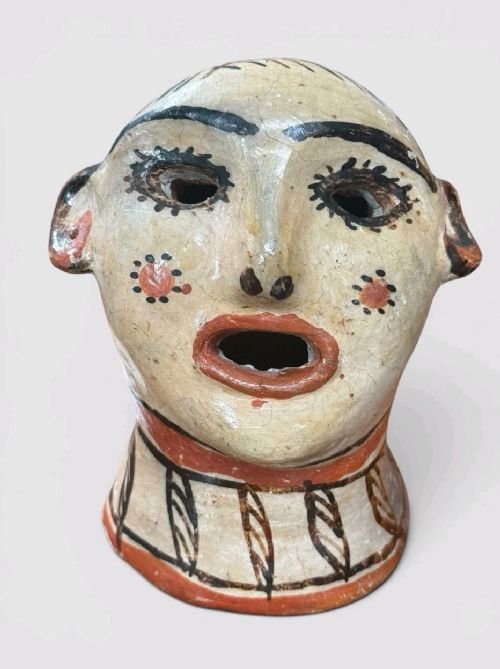
American folk art encompasses paintings, sculptures, and household objects created primarily during the 18th and 19th centuries. These works reflect the domestic and trade environments of their makers, who operated outside formal academic traditions. Buyers encounter portraits, trade signs, and carved figures.
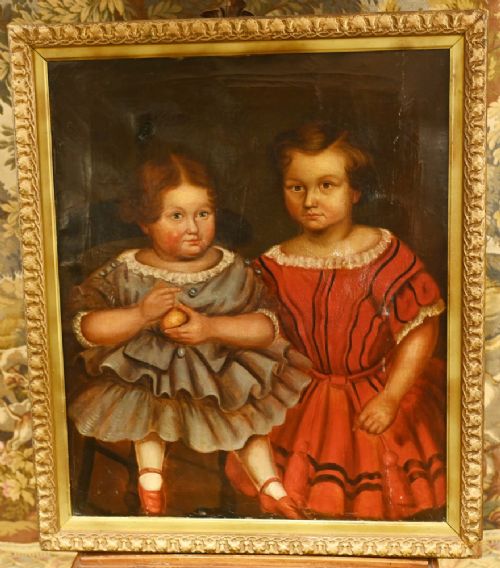
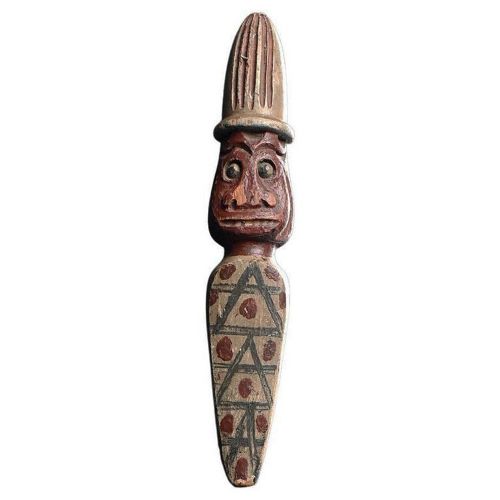
Portraits of children and adults form a central part of the selection, alongside oil paintings and lithographs. Sculptural works include carved wooden figures, shop trade signs, and decoys. Such objects demonstrate the visual culture of early American communities.
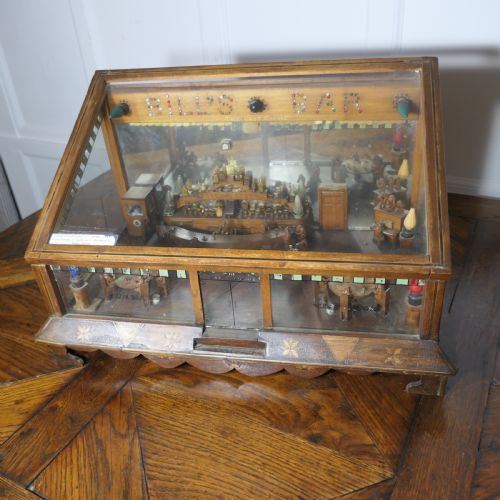
Domestic items such as rocking chairs, wall shelves, and hooked rugs appear alongside whimsical objects like whirligigs and jigger dolls. These pieces combine utility with decorative carving and painting. The grouping spans multiple periods, with nineteenth-century examples appearing frequently.
Judging Quality
Quality rests upon the strength of the carving or the expressiveness of the painted surface. Works demonstrating confident linework and distinctive character command attention over rigid or formulaic execution. The balance between proportion and naive charm dictates the visual success of a piece.
Original surface preservation heavily influences the standing of an object. Traces of early paint, weathering on exterior trade signs, and untouched patinas on wood distinguish superior examples from heavily restored or later altered pieces.
Listings feature wood, paint, canvas, and cast iron across nineteenth-century paintings, whirligigs, and trade signs.
H.S Andy Anderson
The American Folk Art Glossary
- Folk Art
- Artistic production by self-taught or untrained makers, often serving a utilitarian or commemorative purpose. These pieces reflect regional traditions rather than metropolitan academic standards.
- Whirligig
- A wind-driven mechanical toy or garden ornament featuring moving parts powered by the breeze. Makers carved these from wood and painted them brightly.
- Decoy
- A carved and painted bird or animal figure used historically by hunters to attract wildlife. Makers shaped them from wood or metal to mimic live waterfowl.
- Trade Sign
- A large sculptural or painted identifier displayed outside a shop to advertise a specific trade. Examples include carved figures representing store contents.
- Hooked Rug
- A textile floor covering created by pulling strips of cloth through a base fabric. Makers composed geometric or pictorial patterns using wool and cotton.
American Folk Art: Frequently Asked Questions
What defines American folk art?
American folk art consists of items made by artisans without formal academic training. This category includes portraits, trade signs, decoys, and carved figures.
These pieces were produced for domestic use, commerce, or personal expression rather than the fine art market. Their makers relied on local materials and traditional methods.
How were trade signs used?
Shop trade signs hung outside businesses to signal the goods or services available inside. Carved wooden figures, such as American Indians, served this visual function.
Passersby identified shops by these large, painted sculptures before street numbering became standard. They endured exterior weather conditions, often accumulating multiple layers of paint.
How do I date folk art?
Dating relies on material analysis, tool marks, and stylistic clues within the construction. Iron nails, wood types, and canvas preparations help establish the period of manufacture.
Paint layers and wear patterns also indicate age, though folk traditions often persisted unchanged across generations. Comparing pieces to dated historical examples provides the firmest chronology.
Where should I place folk art?
Folk art objects suit varied interior settings, from traditional period rooms to modern minimalist spaces. Sculptures, paintings, and textiles introduce texture and visual history to a wall or surface.
Keeping wooden items away from direct heat sources and sunlight protects fragile painted surfaces and patinas. Displaying them securely ensures their preservation as historical artefacts.