
Amber Glass Light
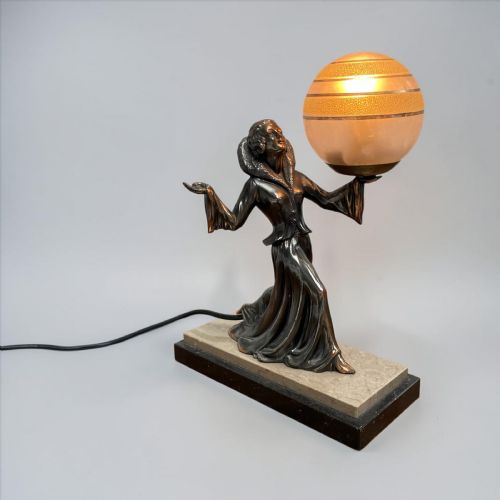
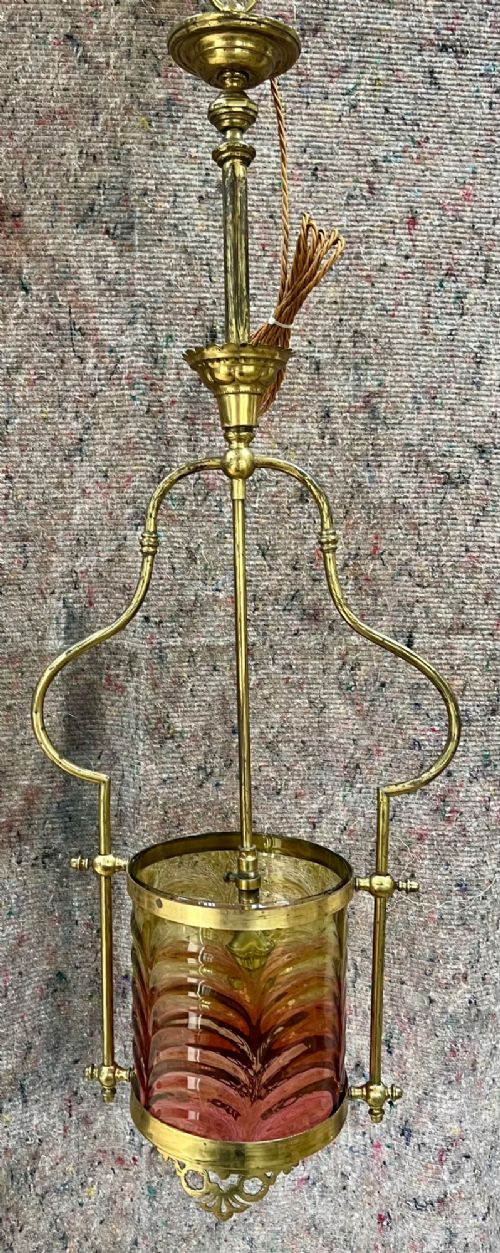
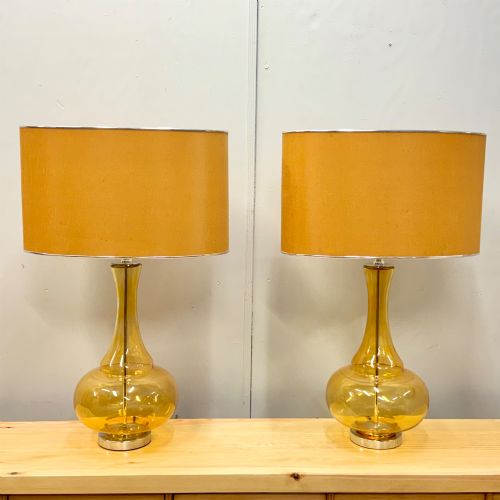
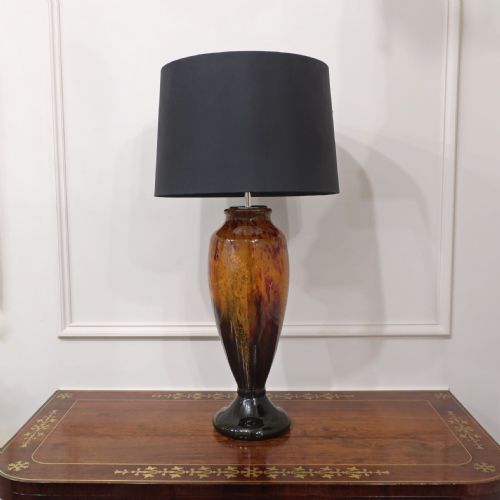
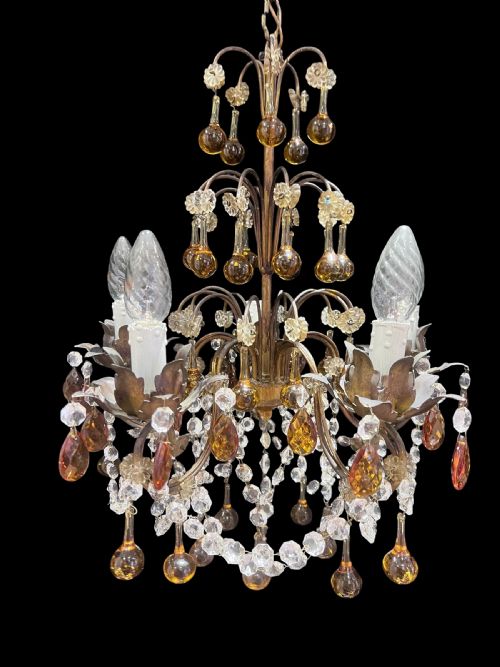
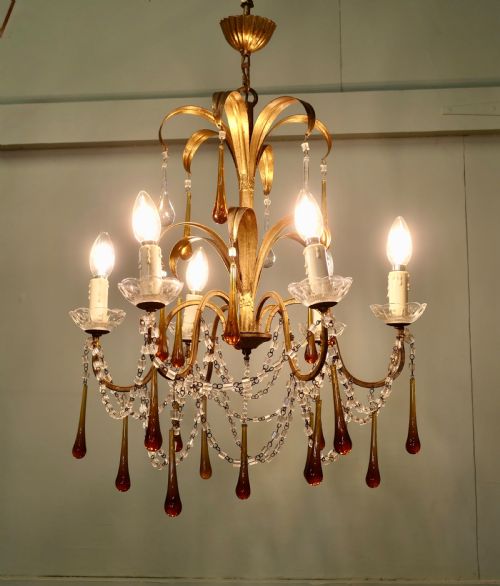
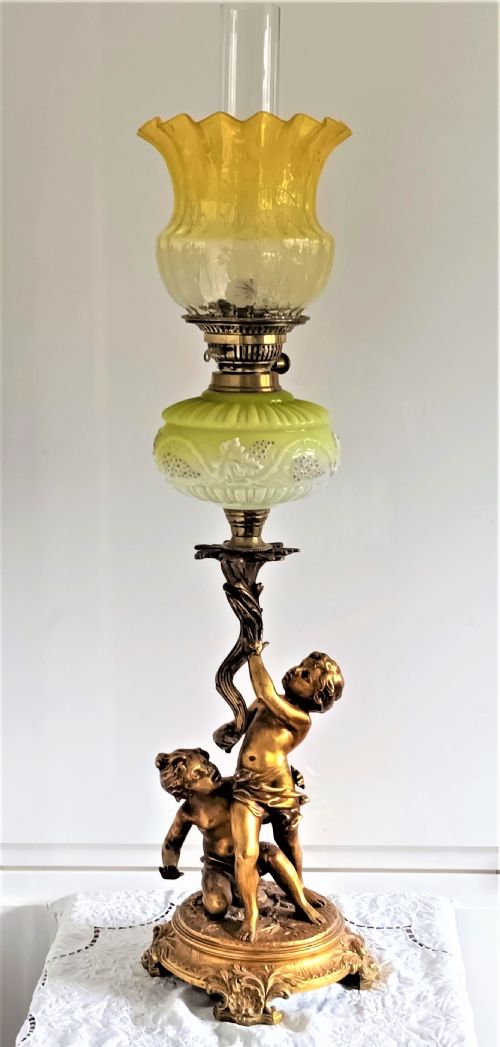
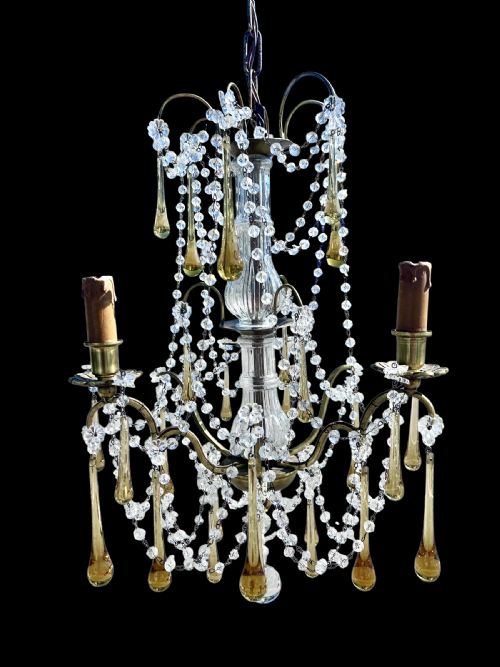
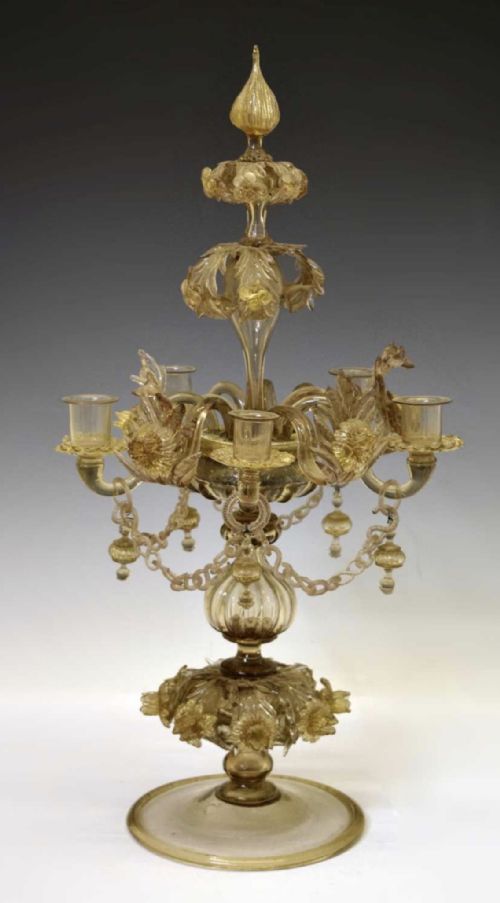
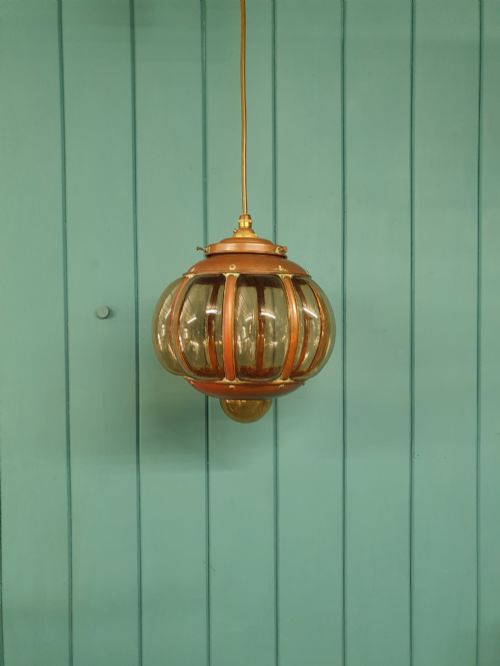
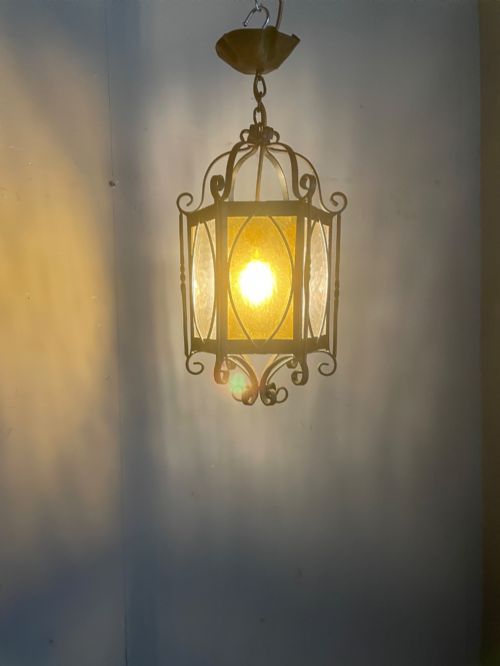
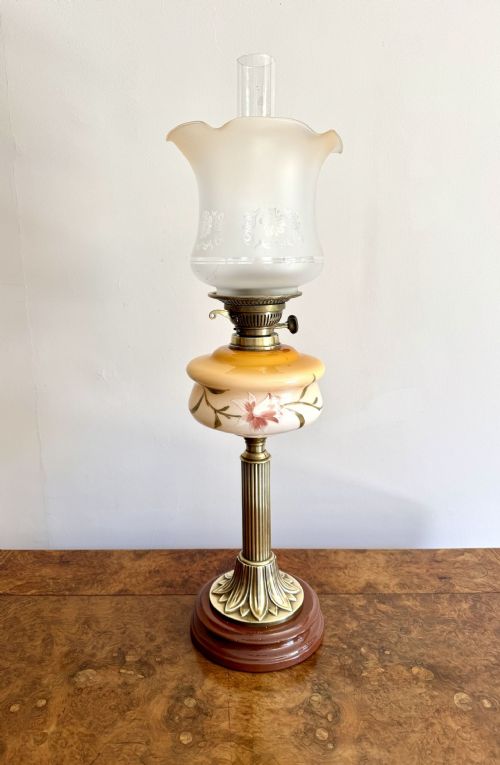
An amber glass light brings a warm glow to a room, appearing in forms from chandeliers and lanterns to table lamps.
Amber Glass Light
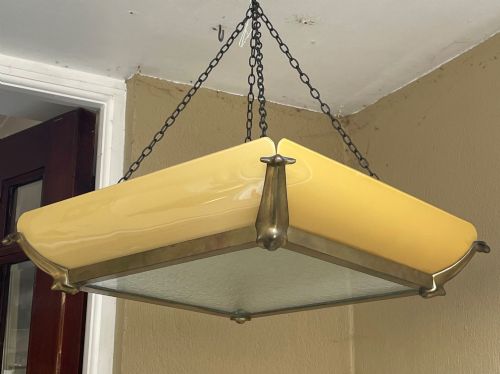
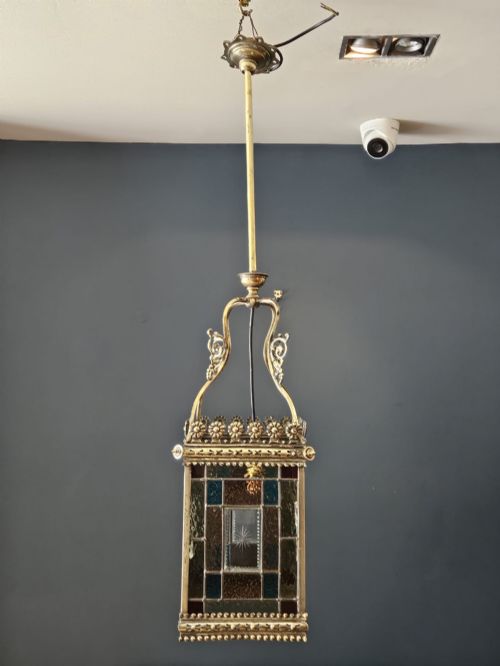
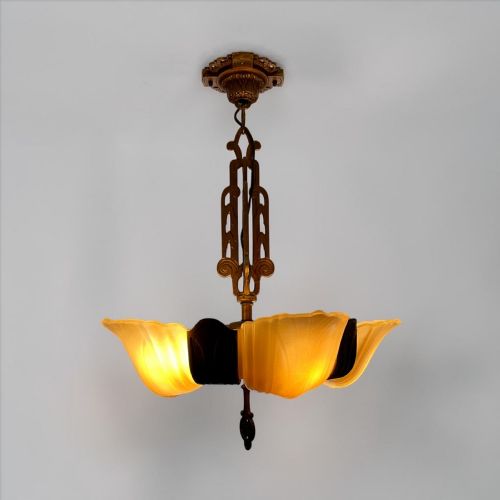
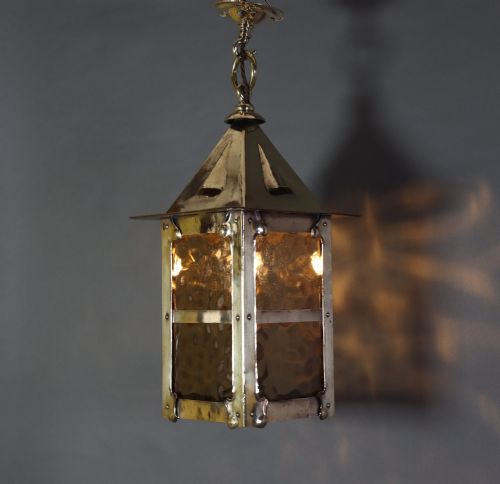
When you search for an amber glass light, you encounter diverse items spanning periods from the Victorian era and the Edwardian years through to the 1930s. The selection on this page leans heavily towards Art Deco ceiling lights, wall sconces, and table lamps alongside earlier brass and leaded glass lanterns.
Makers and designers worked across styles including Art Nouveau, Arts and Crafts, and French Provincial, shaping how these glass shades and drops illuminate a space. You find everything from intricate chandeliers hung with coloured crystals to geometric slip shade ceiling fixtures and simple pendant lights.
How they were made
Craftsmen combined amber glass with structural metals such as brass, copper, gilt metal, chrome, and wrought iron to build robust frames and mounts. Glass components were blown, moulded, frosted, or etched into specific shapes like mottled shades, fruit clusters, and flat panels.
Leaded construction held segmented window panels and lanterns together, whilst hanging fixtures utilised metal chains, brass fittings, and crystal teardrops to suspend the central glass weight securely.
Listings feature materials including brass, crystal, frosted glass, lead, gilt metal, and chrome across multiple decades.
What varies in quality
The distinction between standard production items and finer examples rests upon the depth of the glass colour, the intricacy of the mould work, and the weight of the metal framing. Heavier brass, detailed hand-enamelling, and signed glass shades by prominent houses separate exceptional pieces from simpler utilitarian fittings.
Proportion and harmony between the amber glass and its mount dictate the visual success of a fixture, where integrated period wiring or original suspension hardware adds substantial merit for a collector.
Charles Schneider·Daum·The Charles Parker Company·Verrerie Des Vosge·William Comyns
The Amber Glass Light Glossary
- Slip shade
- A moulded glass shade designed to slide directly into a metal frame or multi-arm ceiling fixture. These pieces define many Art Deco fittings.
- Chandelier
- A branched ornamental ceiling light suspended to hold multiple bulbs, candles, or oil fonts. Many examples incorporate glass drops and crystals.
- Lead glass
- Glass manufactured with lead oxide added to the silica, creating a heavier material that catches light readily. This technique suits panelled lanterns and windows.
- Toleware
- Painted tin or metalware often styled to mimic other materials, utilised for decorative chandelier bodies and ceiling mounts.
- Mottled glass
- Glass displaying a patchy or clouded colour effect, popular during the Art Deco period for diffusing light softly.
Amber Glass Light: Frequently Asked Questions
What periods do these lights come from?
The pieces span the Victorian era, the Edwardian period, and the 1930s, capturing design shifts from ornate nineteenth-century oil lamps to geometric Art Deco ceiling lights.
You also encounter transitional items from around 1900 showing Arts and Crafts and Art Nouveau influences alongside French provincial styles.
How were amber glass shades utilised?
Makers incorporated amber glass into table lamps, wall sconces, ceiling pendants, and large hall lanterns to cast a warm, diffused illumination across a room.
Some designs suspended individual coloured crystals or glass fruit clusters from metal branches, whilst others relied on moulded slip shades to enclose the light source.
Are these lights wired for modern use?
Many hanging and table fixtures arrive ready for contemporary electrical standards, though older pieces may retain their original wiring or require professional rewiring before installation.
Checking the listing details helps confirm whether a specific chandelier or pendant light has been updated for standard fittings.
What metals accompany the glass?
Brass forms the structural frame for a large proportion of the Victorian and Edwardian lanterns and oil lamps found here.
Other fixtures utilise copper, gilt metal, chrome, wrought iron, and lead to secure the glass panels and support the weight of the heavier chandeliers.