



African Carved Wood Figure
These african carved wood figure examples bring powerful sculptural presence and deep cultural heritage directly into modern interiors.
African Carved Wood Figure
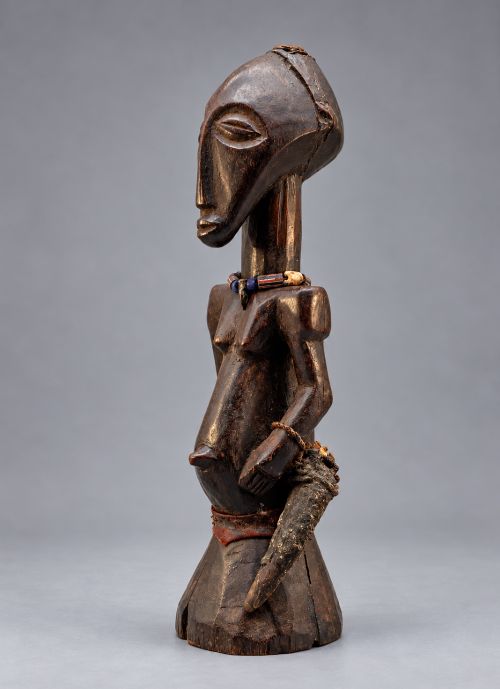
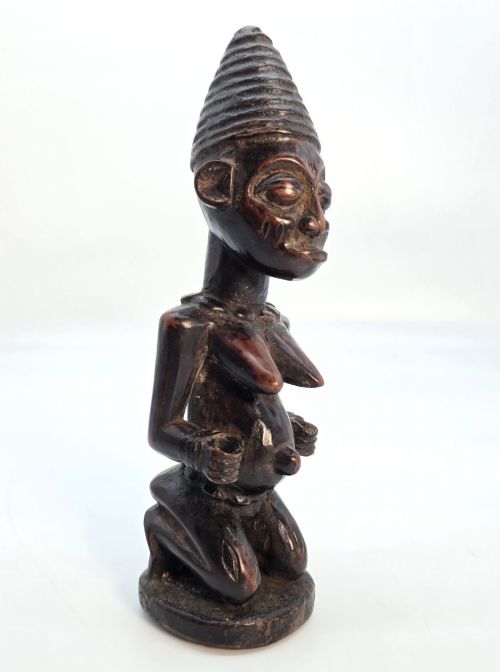
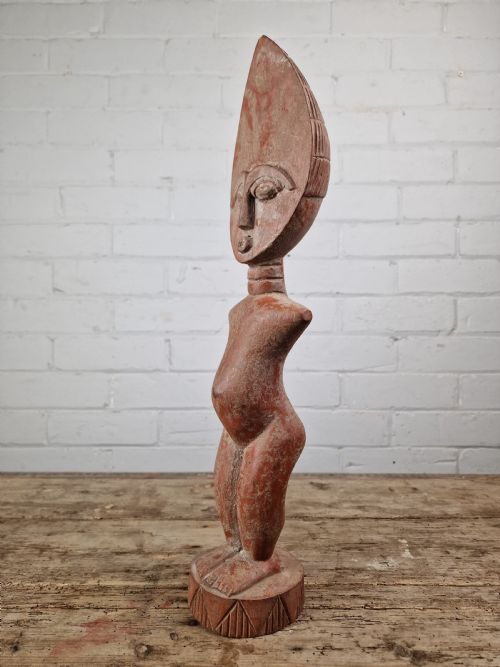
When searching for an african carved wood figure, buyers encounter a diverse selection of sculptural forms originating from various tribal traditions across the continent. These pieces range from solitary figures and fertility carvings to architectural elements and reliquary guardians.
The objects span from the late nineteenth century into the mid-twentieth century, capturing traditional craftsmanship across different generations. Forms include standing figures, seated pairs, and specialised ceremonial objects shaped by specific cultural practices.
Geographic origins recorded in the listings point towards regions such as Nigeria, Mali, Ghana, and Gabon. Specific tribal attributions include Yoruba, Dogon, Fang, and Edo peoples, each contributing distinct stylistic traditions to the selection.
Evaluating Quality
The distinction between standard examples and exceptional works rests on the confidence and expressiveness of the carver's hand. Superior pieces demonstrate balanced proportions and a dynamic relationship between the carved volume and empty space.
Surface depth and tactile history significantly influence the character of a piece. Authentic signs of ritual use, tribal patination, and the harmonious integration of pigment elevate the visual importance of the sculpture.
African Carved Wood Figure Retail Price Guide 2026
Typical asking prices for african carved wood figure among the pieces listed under this phrase on Sellingantiques today, from the lower quarter to the upper quarter. They describe what is for sale here now, not the wider market.
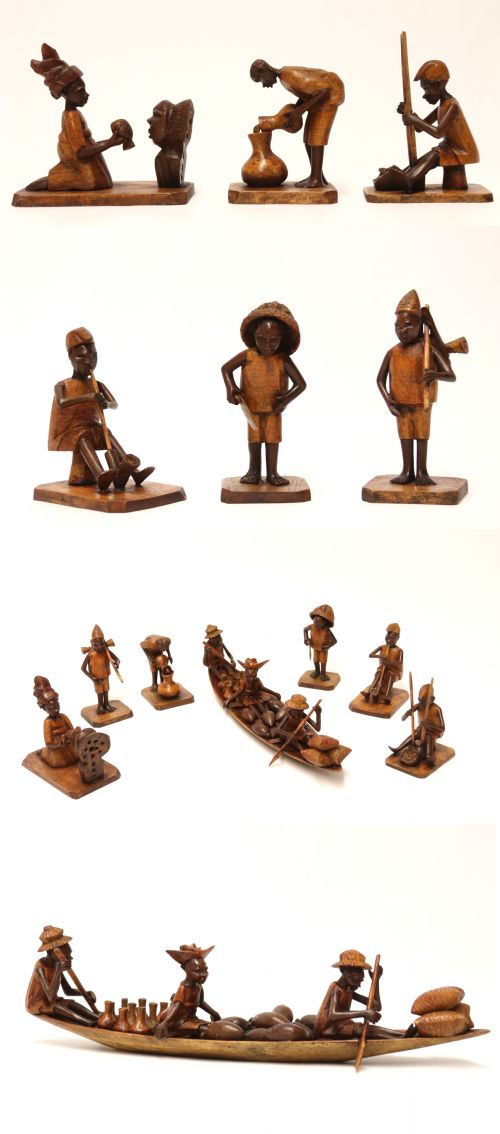
Hippopotami appear among the forms alongside human figures and dug-out canoes.
Abegunde of Ede
The African Carved Wood Figure Glossary
- Reliquary
- A container or guardian sculpture created to hold ancestral relics. These pieces often protect sacred remains and project spiritual authority.
- Fertility figure
- A carved representation intended to invoke blessings of fertility or safe childbirth. These objects hold significant social and ritual value within their communities.
- Patinated wood
- Wood surfaces altered over time through handling, environment, and ritual application. This process creates a rich, darkened skin across the carving.
- Hardwood
- Dense timber selected by carvers for its strength and fine grain. It allows for precise tool marks and long-term preservation of intricate details.
African Carved Wood Figure: Frequently Asked Questions
How old are these carved figures?
The available pieces primarily date from the late nineteenth century through the mid-twentieth century. Earlier examples reflect traditional nineteenth-century craftsmanship, while others date from the decades around nineteen thirty.
Specific dates depend on the tribal origin and the historical documentation associated with each piece. The archive demonstrates consistent representation from these periods.
Which regions do they come from?
The evidence records origins across multiple African countries, notably Nigeria, Mali, Ghana, and Gabon. Specific cultural groups include the Yoruba, Dogon, Fang, and Edo peoples.
Each region and tribe maintained distinct artistic traditions and sculptural forms. These geographic variations define the stylistic range seen across the listings.
How should I display them?
These sculptures suit placement on flat surfaces like tables, shelves, or specialised stands that highlight their three-dimensional form. Their strong visual presence allows them to anchor a room or complement other sculptural works.
Ensure placement away from direct heat sources and excessive moisture to protect the timber and historic surface patination.