





Aesthetic Movement Ceramic Vases
Aesthetic movement ceramic vases bring together late nineteenth-century innovation, Japonisme, and eclectic historical revivals to transform domestic interiors.
Aesthetic Movement Ceramic Vases
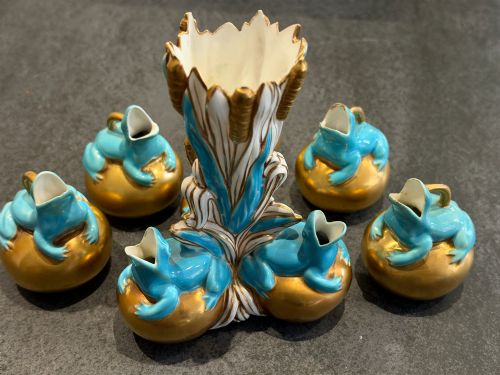
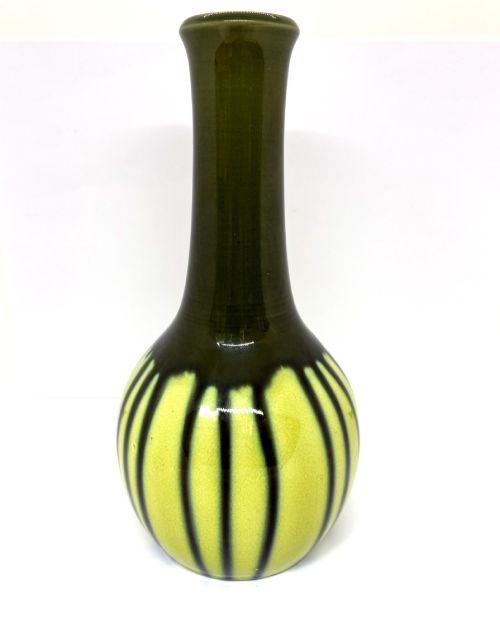
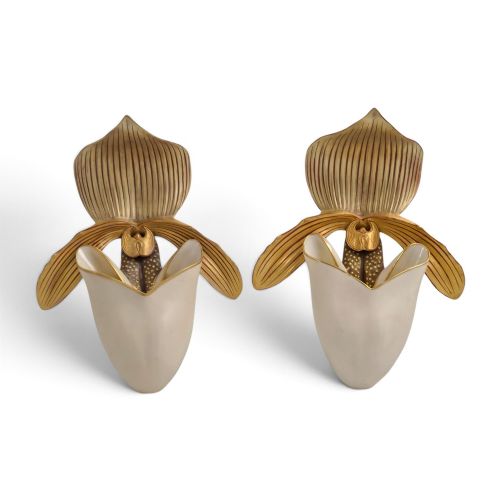
Aesthetic movement ceramic vases encompass a wide range of nineteenth-century decorative vessels, from slender ewers and umbrella stands to table lamps and handled urns. These pieces represent a distinct shift in Victorian design towards artistic expression, often drawing influence from Japanese art and Middle Eastern pottery.
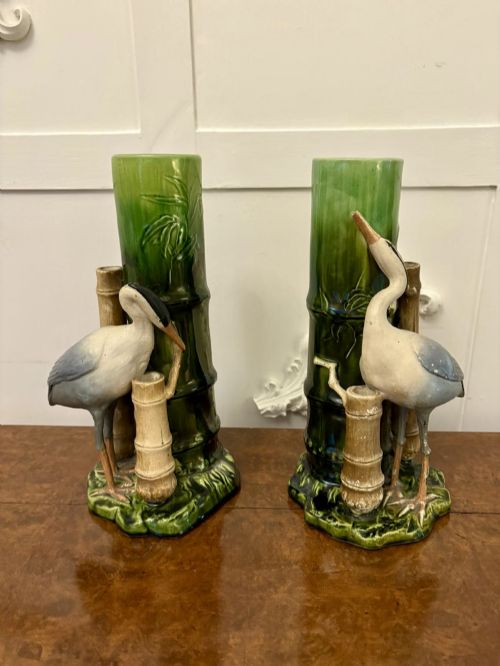
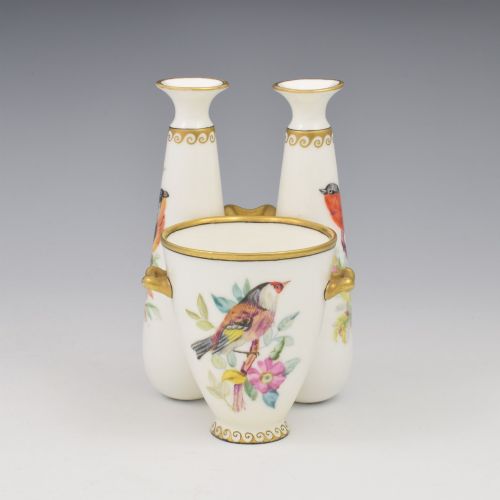
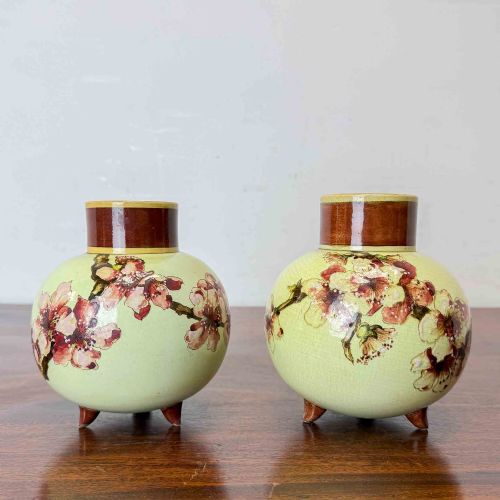
Collectors will encounter various forms on this page, including Iznik-revival umbrella stands, reticulated porcelain ewers, and decorated earthenware jugs. Many incorporate specific motifs such as cherry blossoms, storks, and ornithological studies.
The objects span several decades of the nineteenth and early twentieth centuries, reflecting both the height of the Victorian aesthetic movement and later revivals. Makers of the period utilised earthenware and porcelain as canvases for complex surface decoration, gilding, and enamel work.
Materials and Techniques
Potteries relied upon earthenware and porcelain bodies, shaped into vessels, ewers, and vases before undergoing primary firing. Artisans then applied intricate glazes, enamels, and slip techniques like pate-sur-pâte to build raised surface patterns and pictorial scenes.
Decoration frequently involved hand-painting combined with applied gold leaf, raised gilding, and printed transfers. Specialised techniques such as reticulation required careful cutting of the wet clay body to create openwork lattices before firing.
Aesthetic Movement Ceramic Vases Retail Price Guide 2026
Typical asking prices for aesthetic movement ceramic vases among the pieces listed under this phrase on Sellingantiques today, from the lower quarter to the upper quarter. They describe what is for sale here now, not the wider market.
The listings demonstrate a strong preference for earthenware and porcelain bodies, finished with raised gold, enamel, and complex coloured glazes.
Assessing Quality
Quality rests upon the precision of the modelling and the execution of the surface decoration, whether hand-painted ornithological studies or intricate slip work. The ambition of the form, such as complex reticulation or sculptural handles, distinguishes standard production from more ambitious studio output.
The reputation of the designer and the mastery of the ceramic factory dictate the standing of a piece within the range. Works conceived by notable artists or executed with specialised glazing and raised gold decor demonstrate greater technical accomplishment.
Théodore Deck·Royal Worcester·Doulton Lambeth·Minton·Royal Crown Derby·Wedgwood
The Aesthetic Movement Ceramic Vases Glossary
- Ewer
- A large jug with a wide spout and a shaped handle, traditionally used for washing or as a decorative display piece. Many examples from this period lean towards classical or Persian forms.
- Pate-sur-pate
- A ceramic decoration technique where successive layers of liquid white clay are painted onto a coloured clay body to create a low relief cameo effect. This method requires immense skill from the artist.
- Reticulation
- An openwork pattern pierced into the ceramic body before firing, creating a lace-like geometric or floral lattice. It demands exceptional control during the drying and kiln stages to prevent warping.
- Iznik Revival
- A late nineteenth-century ceramic style inspired by sixteenth-century Ottoman Turkish pottery, characterised by dense floral motifs and rich turquoise and cobalt pigments.
Aesthetic Movement Ceramic Vases: Frequently Asked Questions
How were these vases used originally?
Most of these vessels functioned primarily as decorative art for display on mantelpieces, pedestals, or in specialised cabinets. Ewers and pitchers, while historically utilitarian, were produced strictly as ornamental showpieces.
Some larger forms, such as umbrella stands, served practical purposes in hallways while maintaining artistic credentials. Table lamps combined ceramic bodies with lighting mechanisms for domestic illumination.
How can I identify the period?
Dating relies on factory marks, registration numbers, and stylistic markers recorded on the base of the ceramic. Victorian and late nineteenth-century pieces often feature impressed registry diamonds or specific manufacturer ciphers.
Stylistic cues, such as Japanese-inspired motifs or Persian revival patterns, also point towards the active decades of the movement between 1870 and 1900. Comparing the paste, glaze type, and decorative technique helps confirm the era.
How do I care for antique ceramics?
Keep ceramic pieces away from direct sunlight to prevent fading on painted surfaces, enamels, and gilding. Dust them gently with a dry, soft brush rather than using wet cloths that might harm delicate slips.
Avoid placing them in areas subject to rapid temperature fluctuations or high humidity. Secure heavier items like umbrella stands where they cannot be easily knocked over.