
Adjustable Shelf Bookshelf
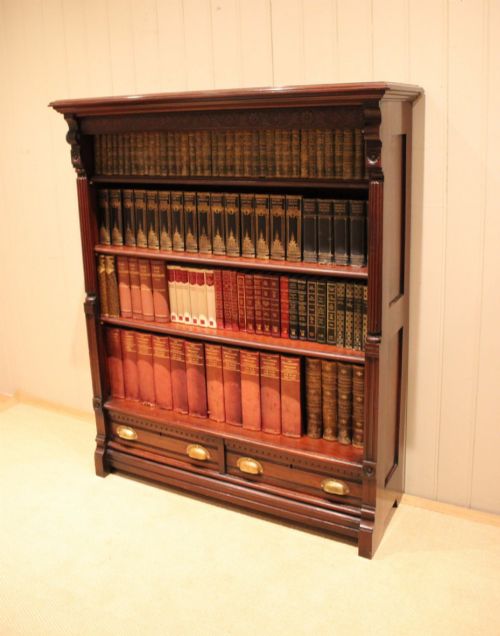
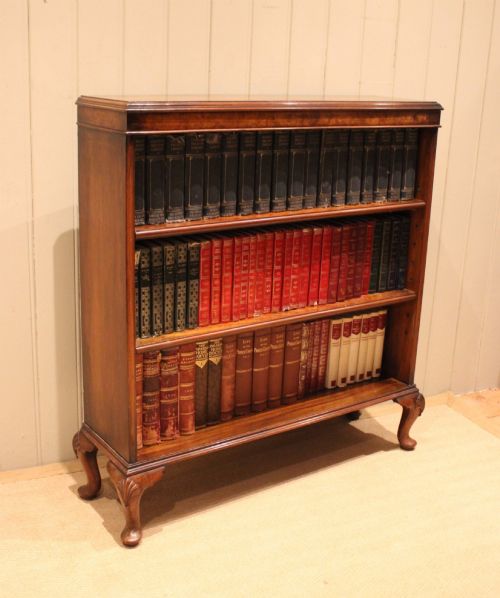
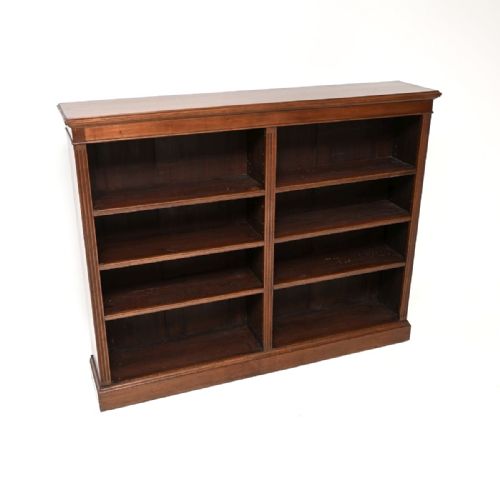
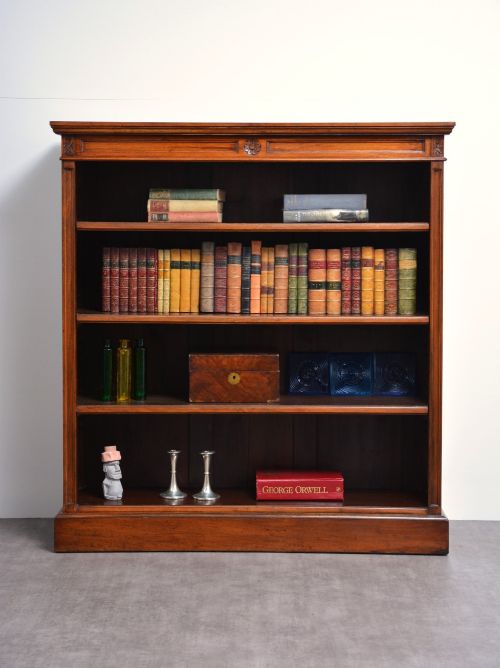
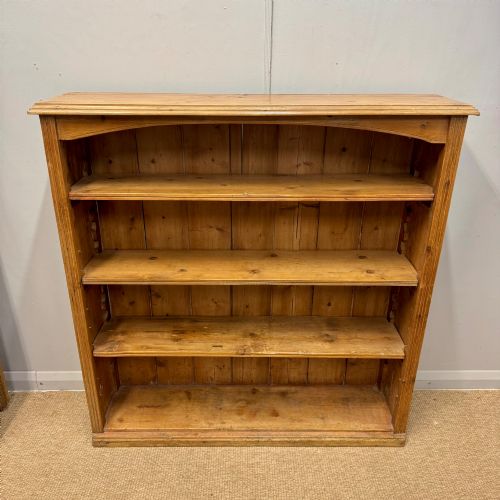
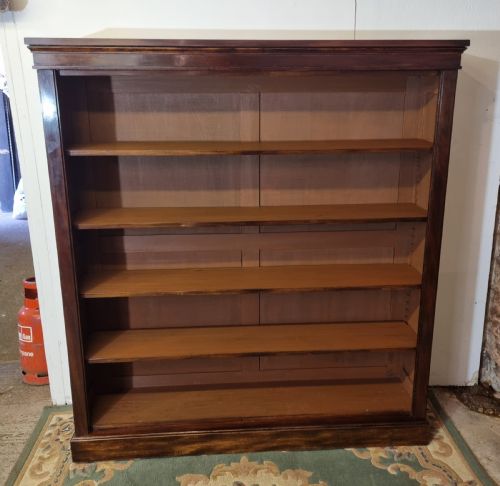
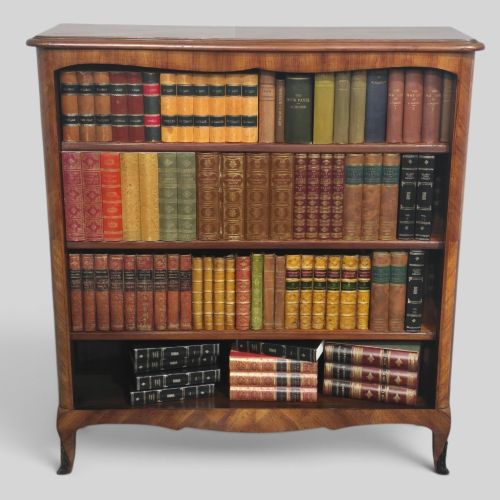
An adjustable shelf bookshelf gives you flexible storage for volumes of any height, fashioned in robust timbers across the nineteenth and early twentieth centuries.
Adjustable Shelf Bookshelf
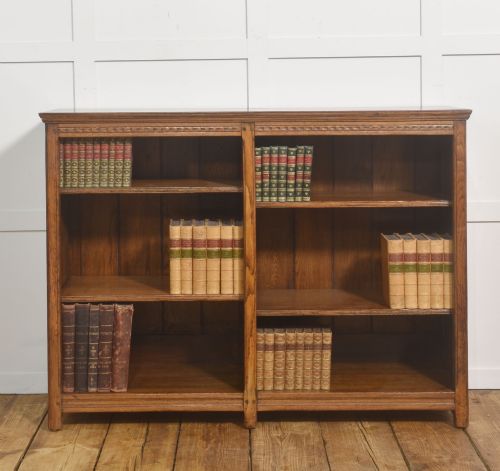
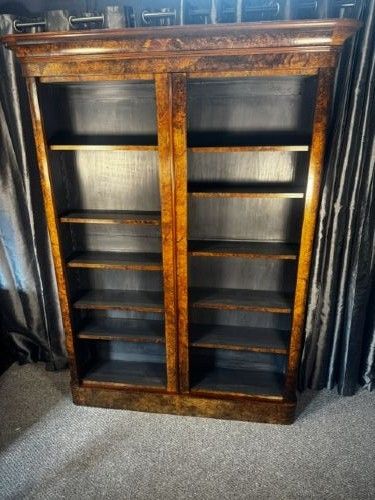
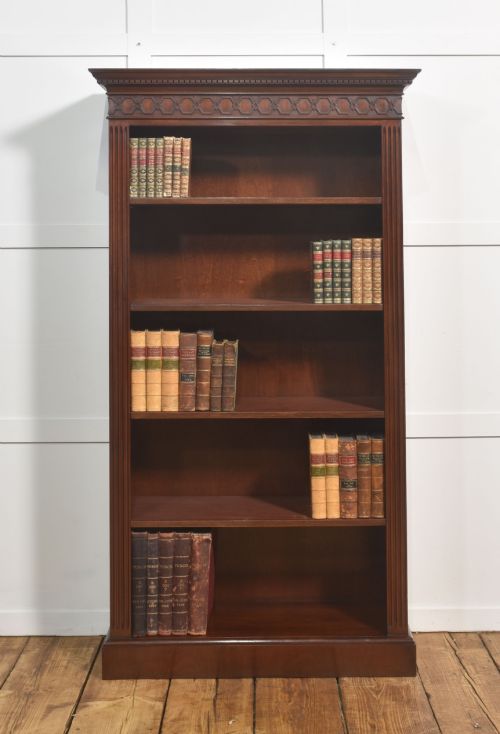
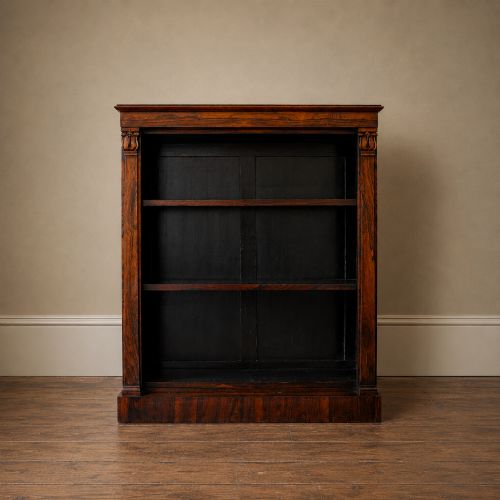
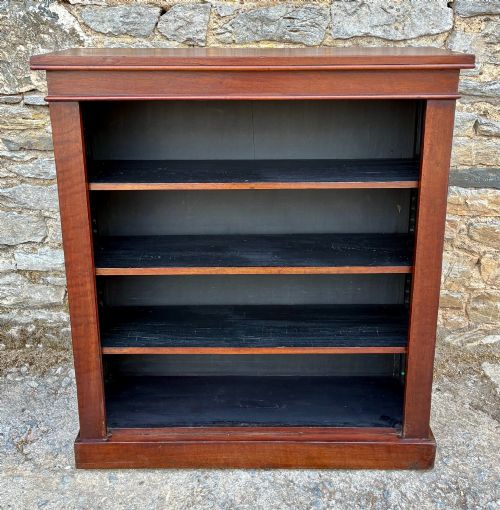
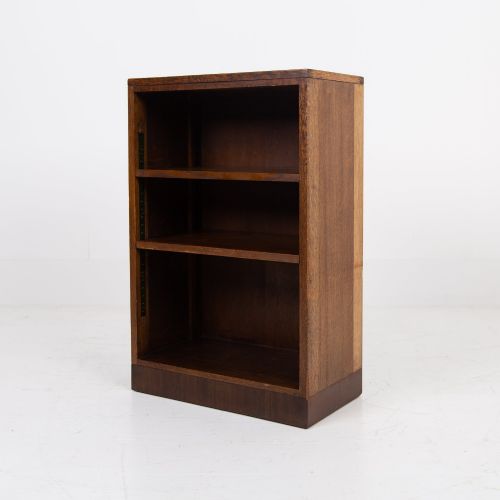
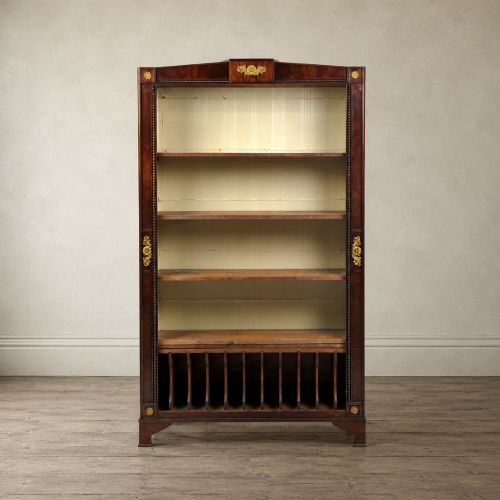
When you search for an adjustable shelf bookshelf, you meet open fronted furniture designed to accommodate books of varying sizes without wasting vertical space. The pieces on this page span the nineteenth and early twentieth centuries, including Victorian, Edwardian, and later examples.
How they were made
Cabinet makers utilised dense hardwoods like mahogany, oak, and rosewood, alongside softer pine and walnut veneers. Many examples incorporate brass mechanisms or wooden supports to allow the internal shelves to shift up and down.
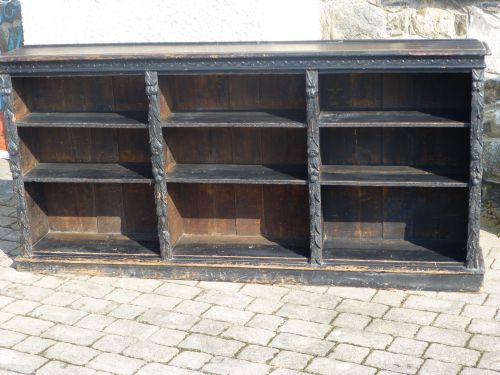
Surface finishes range from traditional wax treatments to ebonised details, carved green man motifs, and patinated marble tops. Construction often involves substantial timber sections built to bear the heavy weight of large libraries.
The listings span from the Regency and William IV eras through Victorian and Edwardian periods up to the nineteen-thirties.
What varies in quality
The standard of a piece rests on the choice of timber, from plain softwood up to burr walnut and figured mahogany. Cabinet work shows in the crispness of mouldings, carvings, and the neatness of internal shelf adjustment systems.
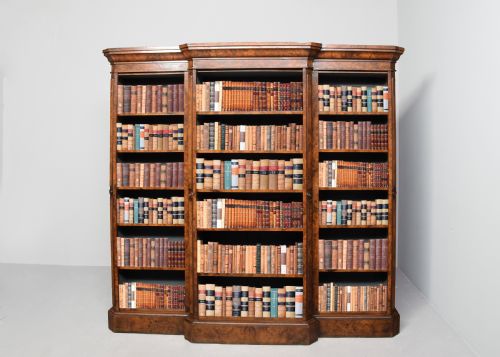
Proportion and scale also separate standard domestic shelving from large breakfront library bookcases fitted with fine veneers and superior joinery.
Waring and Gillows
The Adjustable Shelf Bookshelf Glossary
- Breakfront
- A piece of furniture where the central section projects forward from the flanking wings. This layout creates depth and visual distinction in larger library bookcases.
- Dwarf bookcase
- A low standing bookcase, typically finishing below standard table height. These pieces often feature adjustable shelving while keeping the top surface accessible for display.
- Ebonised
- Timber treated with a dark stain or finish to imitate ebony. This dark surface treatment appears frequently on nineteenth century aesthetic and Gothic revival furniture.
- Open bookcase
- A bookcase without glazed or wooden doors on the front. This design provides direct, unhindered access to the contents.
- Veneer
- A thin layer of fine wood applied to a secondary timber base. Walnut and burr walnut veneers provide decorative grain patterns across cabinet fronts.
Adjustable Shelf Bookshelf: Frequently Asked Questions
How do adjustable shelves work on antique bookcases?
Antique adjustable shelves generally rely on vertical wooden slots, brass ratchets, or peg supports housed inside the bookcase carcass. These mechanisms let you move boards up or down to suit different book heights.
Simpler softwood pieces often use traditional wooden supports, while grander library bookcases employ engineered brass tracks for smooth adjustment.
What woods were used for these bookcases?
Cabinet makers built these bookcases using a wide variety of timbers depending on the period and intended room. Mahogany, oak, walnut, and rosewood appear frequently in formal rooms and libraries.
Pine and softwood served for more utilitarian or domestic pieces, sometimes finished with a wax polish or painted surface.
Are these bookcases suitable for modern homes?
An open fronted bookcase integrates easily into modern living spaces because the adjustable shelves hold paperbacks, large art volumes, and display objects alike. Low dwarf versions also double as sideboards or window storage.
The open design keeps books instantly accessible while anchoring the room with traditional timber tones.
How do I date an antique bookcase?
Dating relies on combining timber choice, construction methods, and stylistic cues such as Victorian carvings or Edwardian proportions. Secondary woods at the back and interior surfaces offer further clues to the manufacturing decade.
Makers' stamps or marks, when present, provide a direct link to specific workshops and dates.