




Acid Etched Art Glass
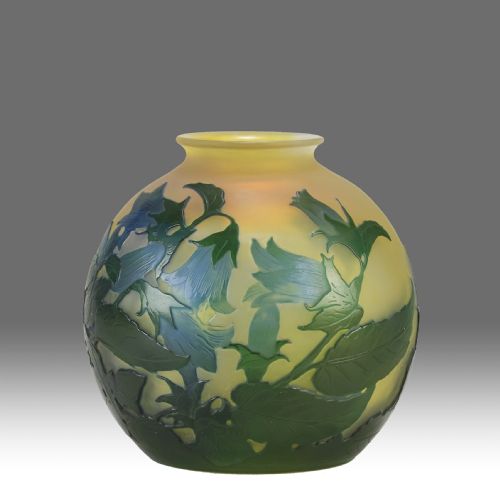
Acid etched art glass brings together rich layers of coloured crystal and intricate botanical or landscape motifs that transform light across a room.

Acid Etched Art Glass
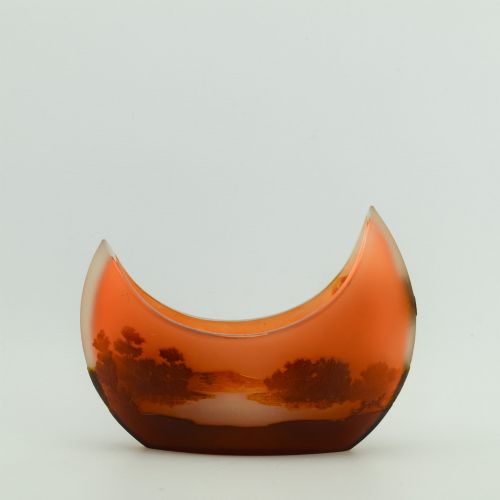
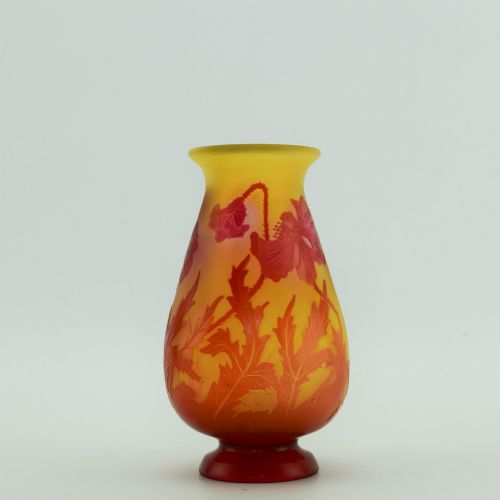
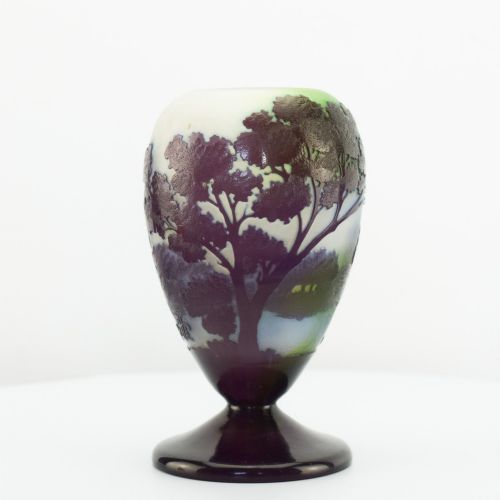
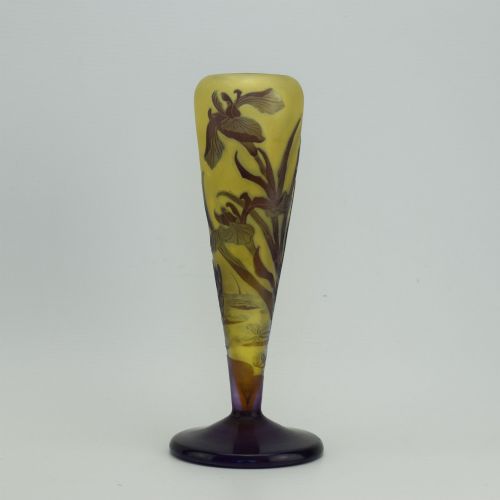
When buyers search for acid etched art glass, they encounter vessels that utilise chemical subtraction to carve relief designs into multi-layered vessels. The forms span vases, table lamps, decanters, pitchers and jugs originating predominantly from the late Victorian period through the Art Deco era.
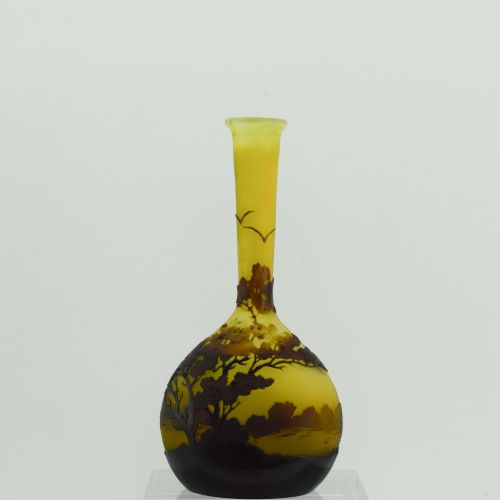
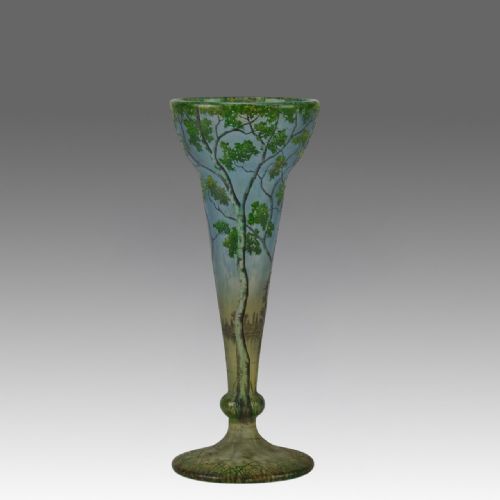
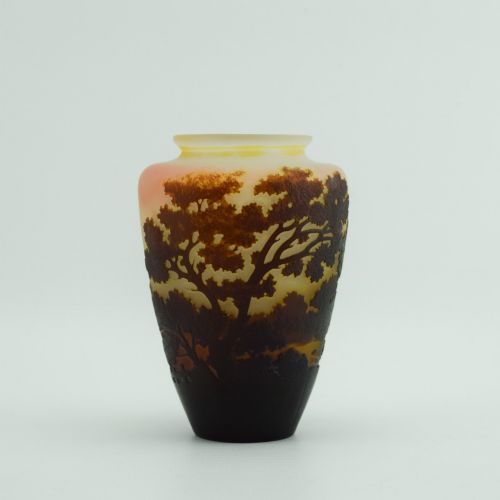
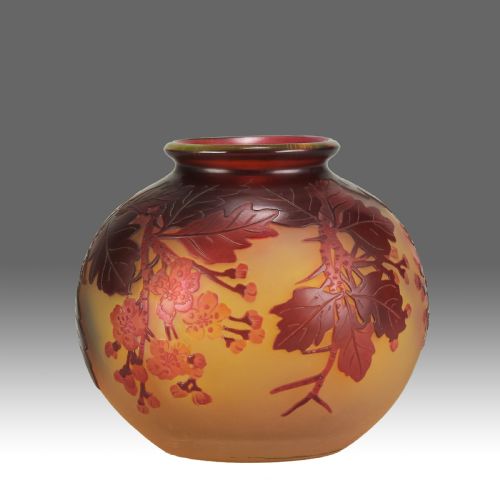
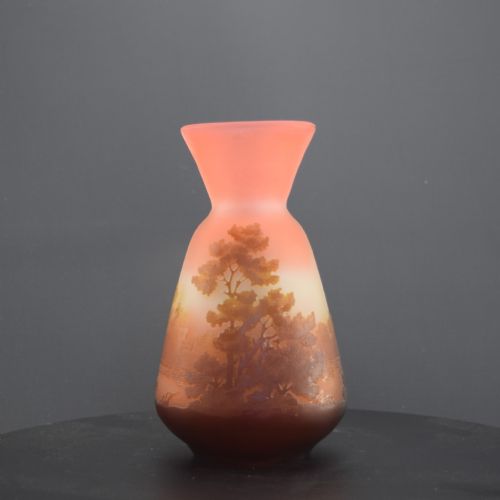
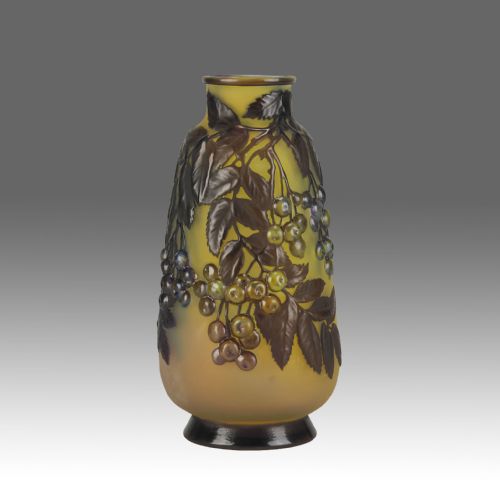
Vases dominate the available selection, featuring plant and landscape subjects executed in the French Art Nouveau taste. These pieces rely on hydrofluoric acid baths to bite through casing layers, revealing contrasting background colours beneath the primary design.
Methods and materials
Maker workshops built vessels using multiple layers of coloured glass gathered onto a core before shaping the piece by hand. Artisans applied protective resists in stages, submerging the glass in acid baths repeatedly to achieve depth and tonal gradation within the relief decoration.
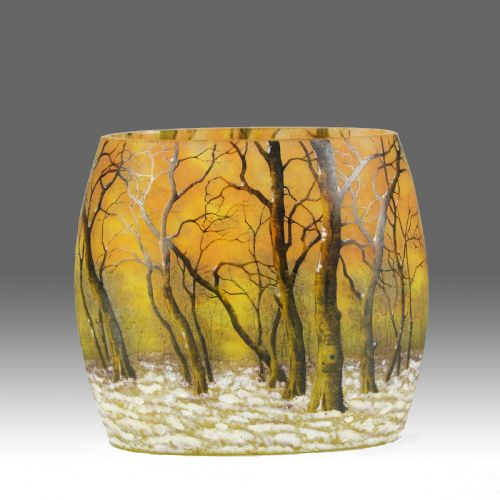
Surface finishes range from polished brilliance to frosted textures, occasionally enhanced with enamel details, gold leaf or bronze mounts. These chemical and thermal processes allowed glasshouses to produce complex shading without traditional wheel cutting.
Some autumn landscapes etched into these vases capture the exact flora of the Vosges mountains outside the workshop windows.
Assessing the work
The distinction between standard production and exceptional output lies in the depth of the chemical bite and the complexity of the colour layers. Superior examples display precise control over multiple glass strata, creating naturalistic shadows and sharp transitions in botanical or scenic subjects.
Design execution and studio attribution dictate the standing of individual pieces within this field. Signed works from established houses demonstrate greater artistic ambition in their handling of texture, form and colour integration.
Emile Gallé·Daum Frères·Thomas Webb and Sons·Jean Luce·Le Verre Francais·Baccarat·D'Argental
The Acid Etched Art Glass Glossary
- Acid-Etched Glass
- Glass decorated by applying hydrofluoric acid to eat away exposed surfaces. This technique creates matte designs or deep relief patterns depending on the length of exposure.
- Cameo Glass
- Glass vessels comprising two or more distinct layers of contrasting colours fused together. Carving or acid etching through the outer layer reveals the background colour.
- Frosted Glass
- Glass treated to diffuse light by producing a matte surface texture. It appears frequently in backgrounds to contrast with polished relief details.
- Enamel
- Opaque or translucent vitreous composition fused to the glass surface by firing. It provides supplementary colour accents on floral and landscape motifs.
- Gold Leaf
- Extremely thin gold beaten into sheets and applied to decorative sections of the glass. It enhances specific highlights within the etched design.
Acid Etched Art Glass: Frequently Asked Questions
How do I clean my art glass?
Wash the glass by hand using lukewarm water and a mild detergent. Avoid abrasive sponges or harsh chemicals that might harm delicate enamel or frosted surfaces.
Dry the vessel gently with a soft lint-free cloth. Take care around any applied gold leaf or bronze mounts during the cleaning process.
Where were these pieces made?
The majority of these pieces originate from workshops in France, particularly the Nancy region during the Art Nouveau period. English houses such as Thomas Webb and Sons also produced notable examples.
Continental glasshouses drove much of the technical innovation in multi-layered cameo glass. French studios remained the centre of artistic development through the early decades of the twentieth century.
How do I date an acid etched vase?
Examine the stylistic markers, signature format and glass form to establish a likely period of manufacture. Art Nouveau designs typically feature organic floral motifs, while later pieces adopt geometric Art Deco lines.
Signatures etched or enamelled onto the body often evolve in script and style across different decades. Comparing the base and collar profile to documented pieces helps confirm the production era.
Can I use these vases for fresh flowers?
These vessels were created as decorative art objects rather than utilitarian flower holders. Placing water inside can risk damaging internal surfaces or historical residue, particularly on enameled or porous glass.
Displaying them empty preserves the internal condition and protects the fragile layered structure. If water is used, inspect the interior beforehand for any hairline fractures.