
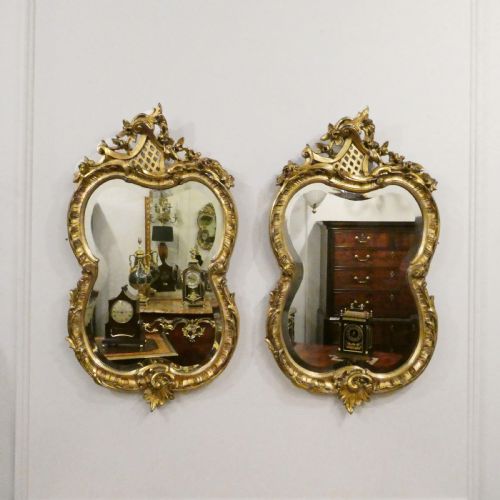
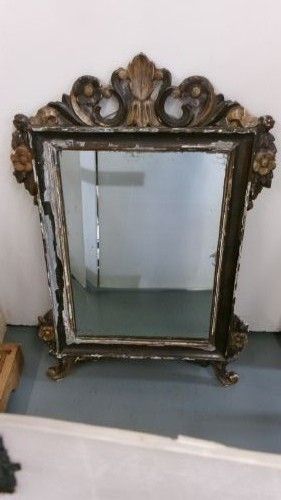


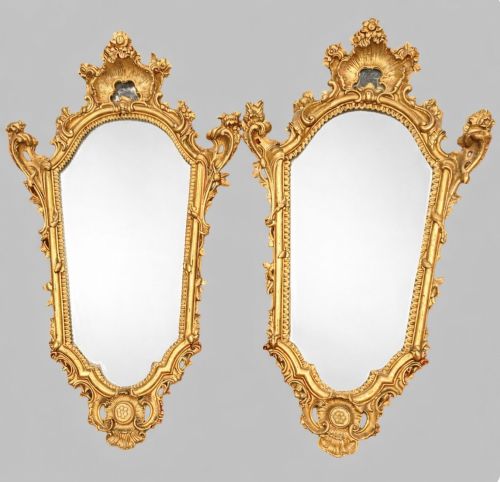


Accent Pier Glass Mirror
An accent pier glass mirror brings architectural presence and reflected light to a room, drawing the eye with carved frames and historic glass.
Accent Pier Glass Mirror
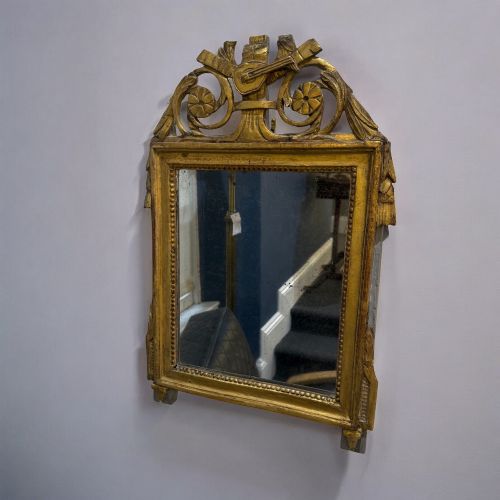
An accent pier glass mirror is a vertical wall glass designed historically to hang on the narrow wall pier between windows. These pieces span centuries from the seventeenth through to the twentieth, taking forms influenced by Georgian, Regency, and Rococo design.
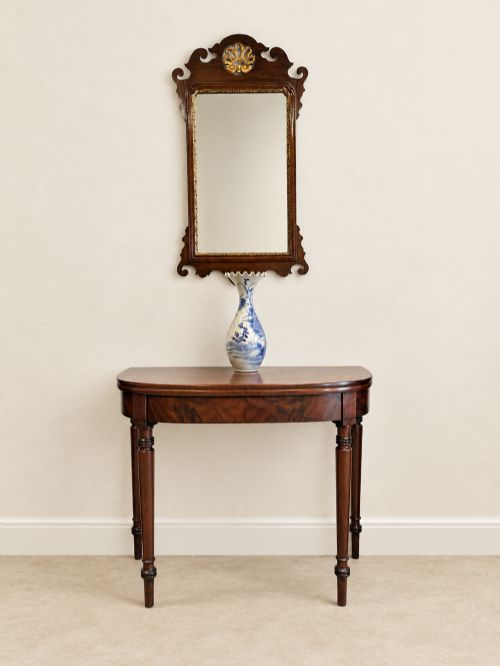
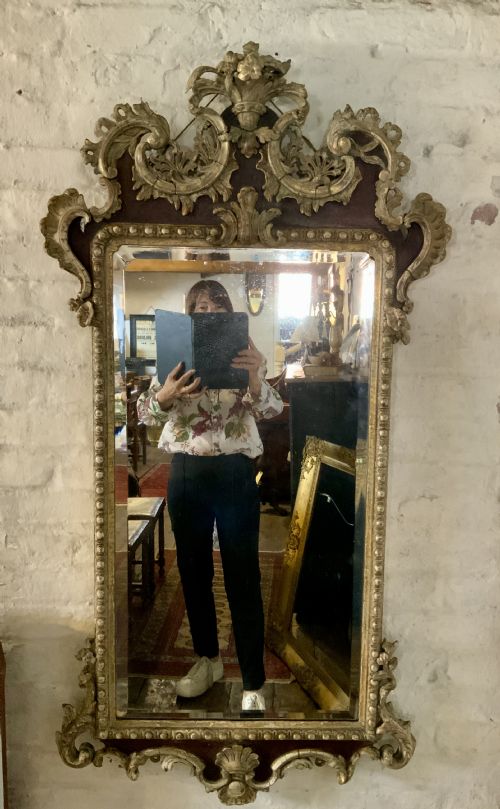
The most frequent examples found in this selection include giltwood frames, carved wood wall mirrors, and walnut designs often created in earlier revival styles. Makers across England, France, and Italy produced these tall glasses for formal reception spaces and hallways.
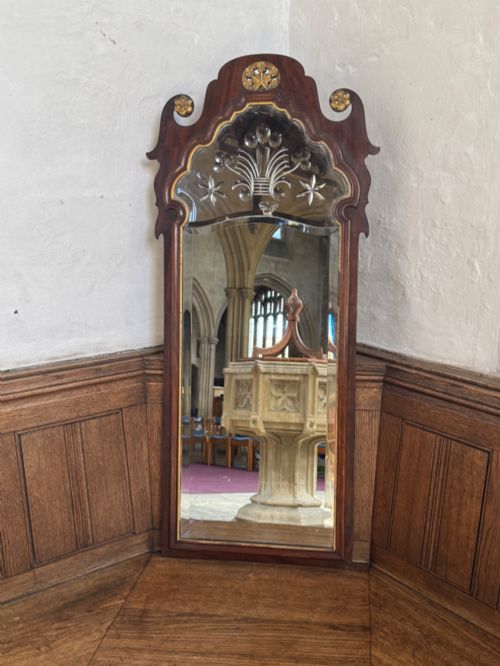
Surviving examples range from eighteenth-century originals to later Edwardian and Victorian interpretations featuring painted panels, console shelves, and reverse cut plates. Each piece combines functional reflection with ornate ornamental woodcarving characteristic of grand period interiors.
How they were made
Carpenters and joiners constructed the structural carcase from timber such as walnut, mahogany, and carved softwoods. These wooden foundations provided the necessary strength to support heavy glass plates and intricate decorative overhangs.
Gilders applied layers of gesso to carved wooden mouldings before adding gold leaf or silver-leaf finishes to create reflective metallic surfaces. Artisans also utilised hand-painting techniques to incorporate floral panels and subtle colour washes directly onto the timber frames.
Listings feature walnut, mahogany, and giltwood materials across periods ranging from the seventeenth century to the early twentieth century.
What varies in quality
The depth and definition of the woodcarving separate standard decorative pieces from exceptional works of craftsmanship. Crisp undercutting in the gesso and giltwood ornamentation indicates superior skill by the original carver.
The character of the mirror plate itself influences the overall standard of the glass, particularly when original silvering or reverse-cut details remain intact. Harmony between the proportion of the frame and the height of the glass plate dictates visual balance.
John Belchier
The Accent Pier Glass Mirror Glossary
- Pier glass
- A tall wall mirror designed specifically to hang on the narrow expanse of wall between two windows. These mirrors historically served to maximise natural light within a room.
- Giltwood
- Timber carved and coated with gold leaf applied over a fine preparation of gesso. This technique produced a brilliant reflective surface popular in formal European interiors.
- Gesso
- A plaster mixture applied to carved wooden frames as a smooth base for gilding or painting. It allowed craftsmen to achieve sharp, intricate decorative relief details.
- Reverse cut plate
- Mirror glass decorated by cutting or engraving the design into the silvered backing from behind. This technique created subtle dimensional depth visible from the front.
- Parcel gilt
- A finish where portions of a wooden or painted object are highlighted with gold leaf while other areas remain exposed wood or paint. This provided selective contrast on period frames.
Accent Pier Glass Mirror: Frequently Asked Questions
What is a pier glass mirror?
A pier glass mirror is a tall, vertical wall glass traditionally hung on the narrow strip of wall space between two windows in a room.
These pieces were designed to bounce natural light around formal period spaces while adding an imposing architectural element to the interior wall.
Where should I hang an accent pier glass?
These tall mirrors suit narrow wall spaces, hallways, or above console tables where their vertical proportions create a balanced focal point.
Ensure the wall construction can support the substantial weight of carved timber and glass frames before mounting them securely.
How do I identify a period frame?
Period identification relies on examining the construction timber, the style of carving, and the composition of the gesso beneath the gilding.
Walnut and mahogany indicate earlier Georgian construction, while later revival pieces from the Victorian and Edwardian eras often emulate these historic forms.
Are these mirrors fragile?
Historic glass plates and delicate giltwood or gesso mouldings require careful handling during placement and routine maintenance.
Dusting with a soft, dry cloth protects the delicate metallic leaf and painted surfaces from unnecessary wear over time.