


Accent Coffee Table
An accent coffee table brings character to a room through diverse historic woods, metals, and global revival styles.
Accent Coffee Table
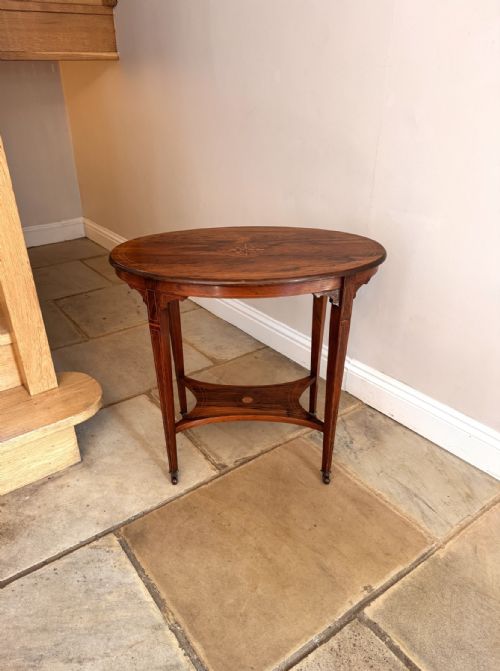
An accent coffee table encompasses low forms, occasional pieces, side tables, and nests originating from the nineteenth century through the 1940s. Buyers searching for an accent coffee table encounter Victorian, Edwardian, and Art Deco designs alongside global revival styles.
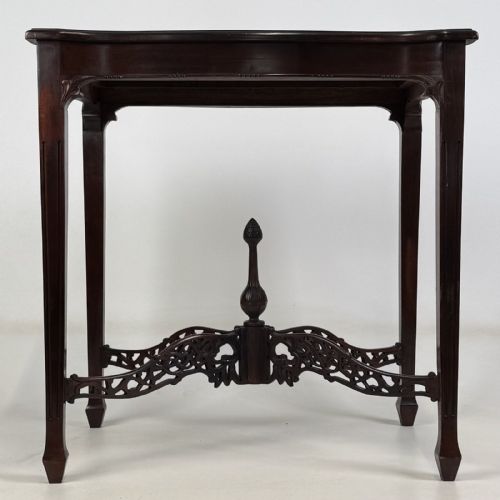
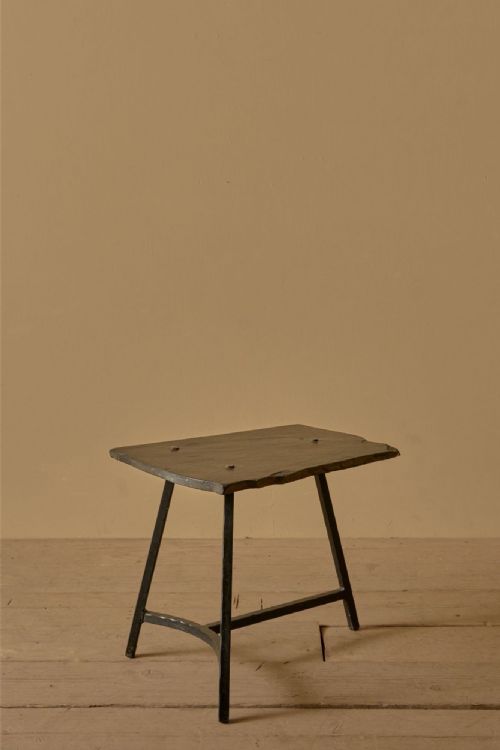
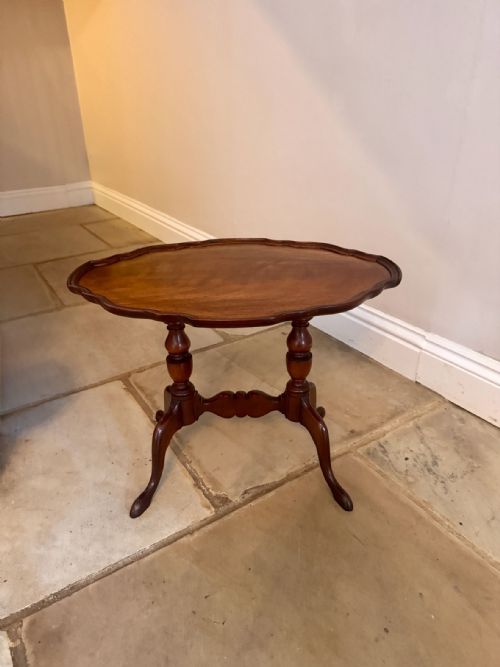
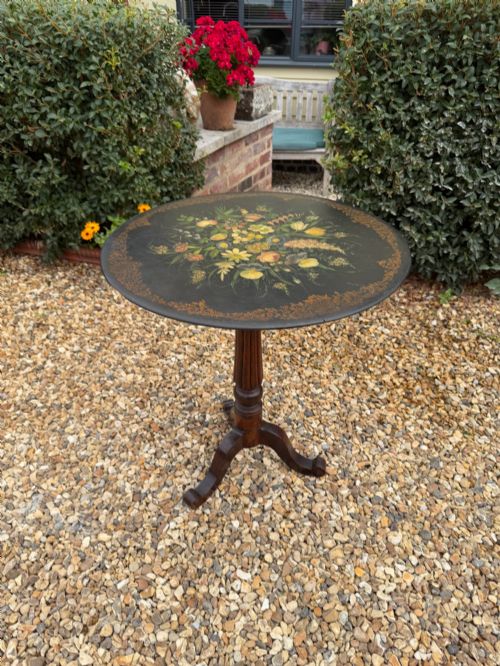
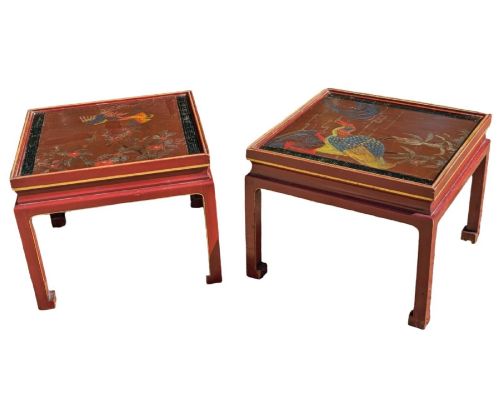
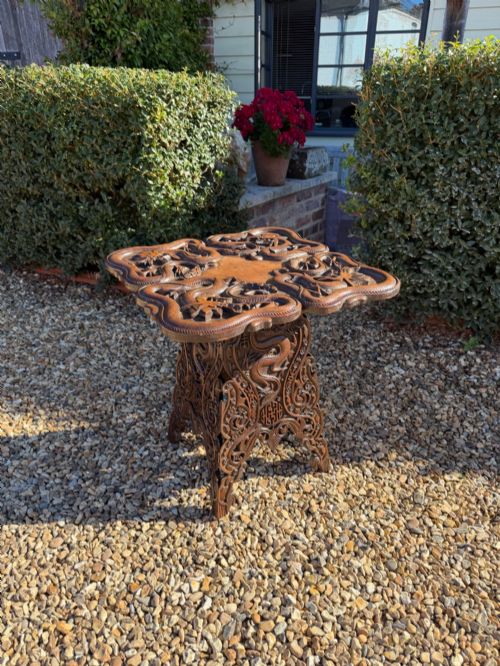
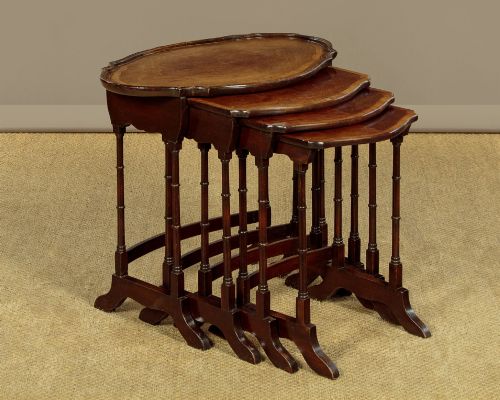
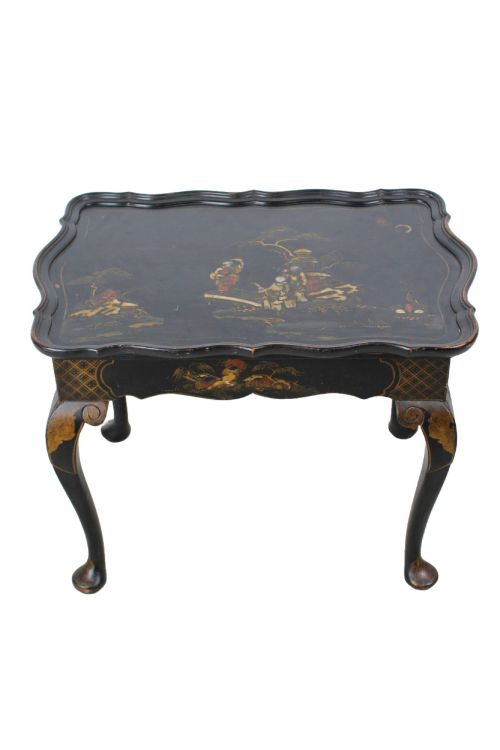
The selection ranges from mahogany oval tables and burr walnut lamp tables to intricate Anglo-Indian, Chinese lacquer, and Moorish octagonal tables. Many pieces adapt earlier side table and nest formats into low surfaces suited to modern living.
Makers such as Liberty & Co and Hindley and Sons appear among these diverse timber and metal constructions, spanning French wrought iron, Italian marble, and golden oak.
How they were made
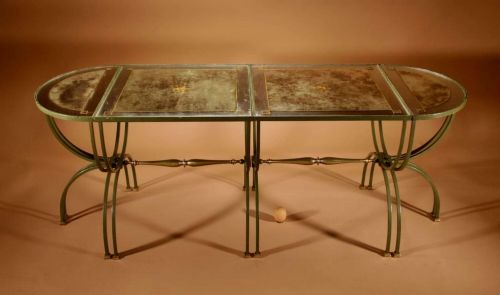
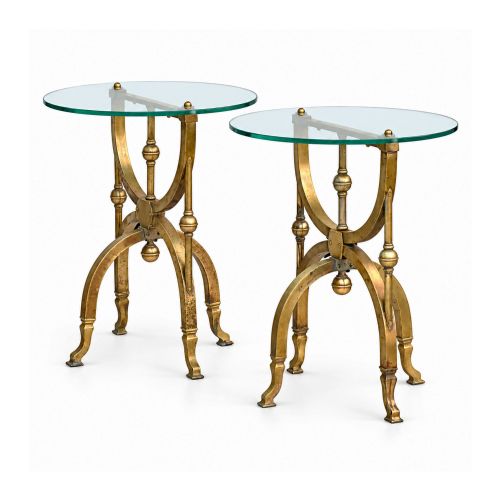
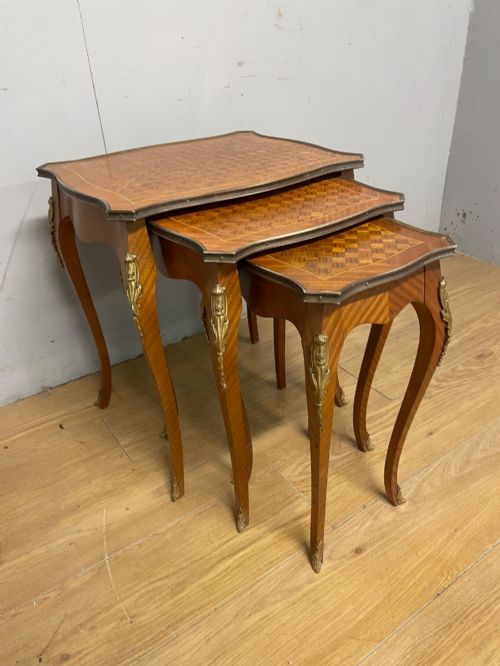
Cabinetmakers utilised dense timbers including mahogany, walnut, burr walnut, oak, and hardwood, frequently enhancing surfaces with marquetry inlay, bone decoration, or lacquered finishes. Structural elements often incorporate brass, ormolu mounts, French steel, and wrought iron.
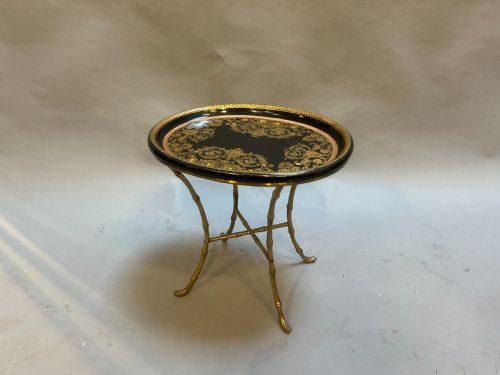
Specialised techniques define distinct stylistic groups, from Kashmiri and Anglo-Indian hand carving to Chinoiserie painting and French brass casting. Tops combine timber with slate, marble, glass, or original tile inserts.
Listings feature periods from the nineteenth century through 1940, encompassing Victorian, Edwardian, and Art Deco styles alongside Anglo-Indian and Chinoiserie aesthetics.
What varies in quality
Quality rests in the precision of the timber selection, such as figured walnut and burr veneers, and the intricacy of inlay work like bone or marquetry. Superior examples exhibit refined carving and balanced proportions across forms from nests to tray tops.
The integration of secondary materials defines the tier of execution, distinguishing standard production from pieces featuring mounted ormolu, original glass, heavy brass frames, and stamped maker details.
Liberty and Co·Hindley and Sons
The Accent Coffee Table Glossary
- Quartetto nest
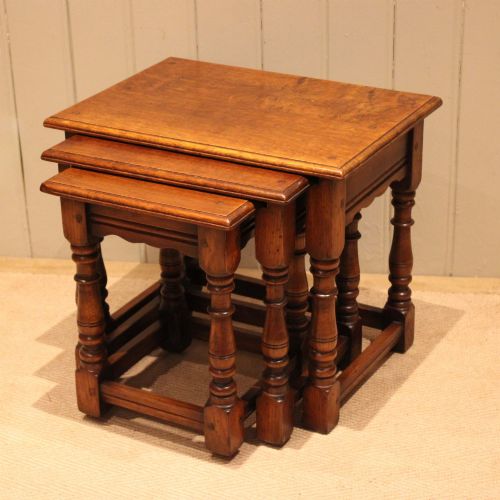
- A set of four graduating tables designed to stack beneath one another when not in use. These space-saving units frequently appear in oak and walnut from the early twentieth century.
- Ormolu
- Gilt bronze mounts applied to furniture for decorative enrichment. French tables of the period frequently utilise this technique on legs and aprons.
- Burr walnut
- Wood taken from a tree growth that produces complex, swirling grain patterns highly prized for tabletops. Cabinetmakers select this veneer for its decorative visual impact.
- Moorish style
- Geometric and star-patterned carving influenced by Islamic architecture and craft. These tables often feature octagonal tops and bone inlay.
Accent Coffee Table: Frequently Asked Questions
How do I identify an Art Deco accent coffee table?
Art Deco pieces from the 1920s and 1930s typically feature figured walnut, ebonised finishes, or wrought iron combined with glass. Their lines emphasise geometric simplicity rather than historic revival ornamentation.
Look for streamlined shapes and contrasting timber grains that distinguish these tables from earlier Victorian and Edwardian examples.
What is an Anglo-Indian occasional table?
Anglo-Indian tables combine traditional Indian carving techniques with British furniture forms from the nineteenth and early twentieth centuries. They are characterised by dense foliage patterns and intricate bone inlay.
Many examples utilise native hardwoods and feature octagonal or circular tops supported by folding or carved bases.
How are nests of tables used historically?
Nests of tables provide flexible surface area for entertaining, allowing multiple small tables to be deployed around a room as needed. Edwardian and Art Deco sets stack compactly into the footprint of a single table.
They appear in formats ranging from oak quartetto sets to multi-tiered mahogany and kingwood configurations.
What distinguishes Victorian oval occasional tables?
Victorian oval tables from the second half of the nineteenth century frequently employ solid mahogany or burr walnut with inlaid decoration. They often serve as lamp tables or centrepieces in period drawing rooms.
Their construction relies on heavier timber frames and turned central pedestals or cabriole legs.