


9ct White Gold Jewellery
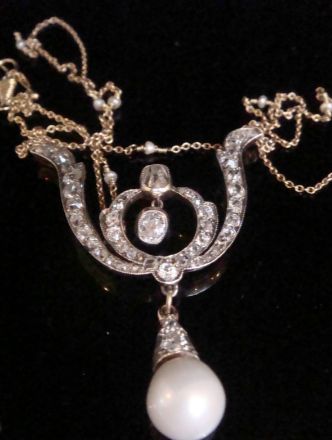
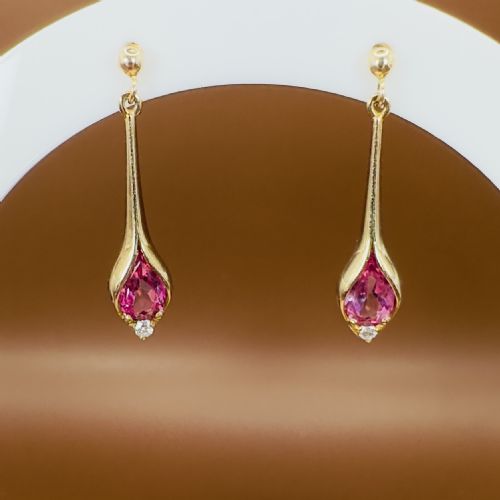
These pieces of 9ct white gold jewellery bring together pearls, diamonds and coloured stones across periods from Victorian times to the mid-century.
9ct White Gold Jewellery
When you search for 9ct white gold jewellery, you encounter a varied collection of rings, earrings, necklaces and pendants spanning multiple decades. The pieces range from Victorian and Edwardian items to mid-century designs set with pearls and gemstones.
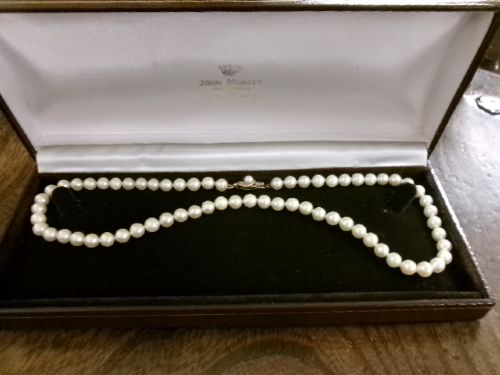
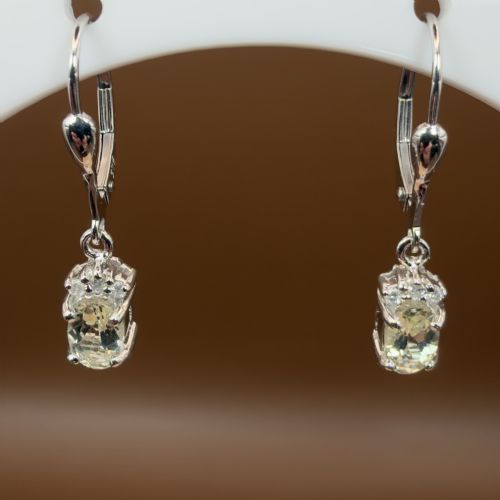
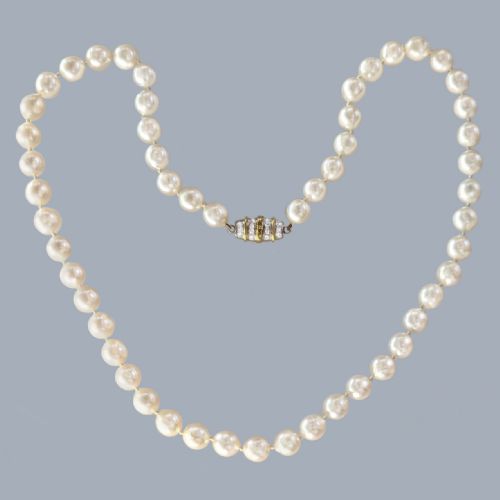
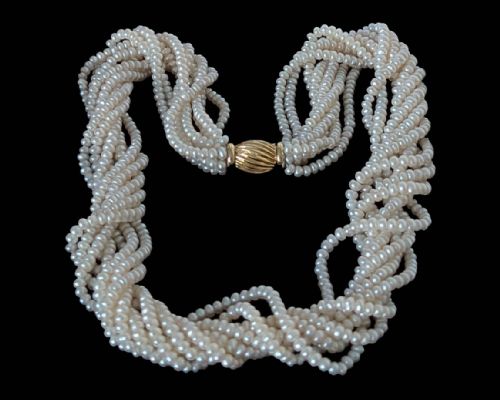
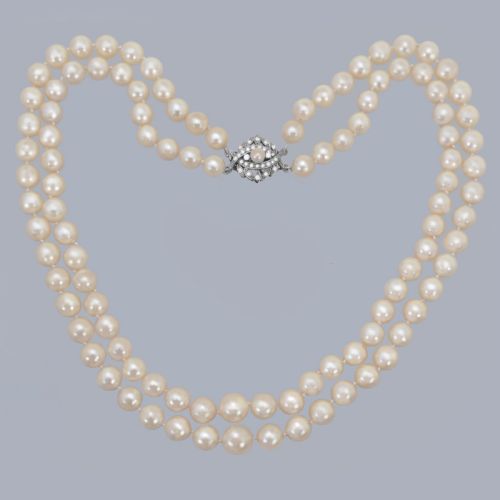
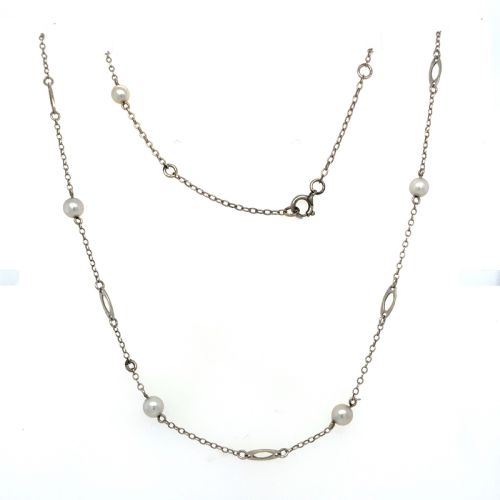
Necklaces featuring cultured pearls with 9ct gold clasps appear frequently alongside cluster rings and drop earrings. Gemstones such as opal, aquamarine, ruby and diamond provide the focal points for these wearable ornaments.
The selection reflects both vintage and antique periods, showing how goldsmiths utilised white gold alongside traditional yellow gold and platinum settings. Each form demonstrates the popular tastes of its respective era.
Materials and Construction
The construction relies heavily on 9ct white gold paired with precious and semi-precious stones. Master workers set diamonds, opals, aquamarines and pearls into these metallic frames using classic claw, bezel and cluster arrangements.
Many pearl necklaces incorporate hand-knotted strands secured by intricate clasps made of 9ct gold. Filigree work and hinge backs further demonstrate the mechanical skill involved in shaping these items.
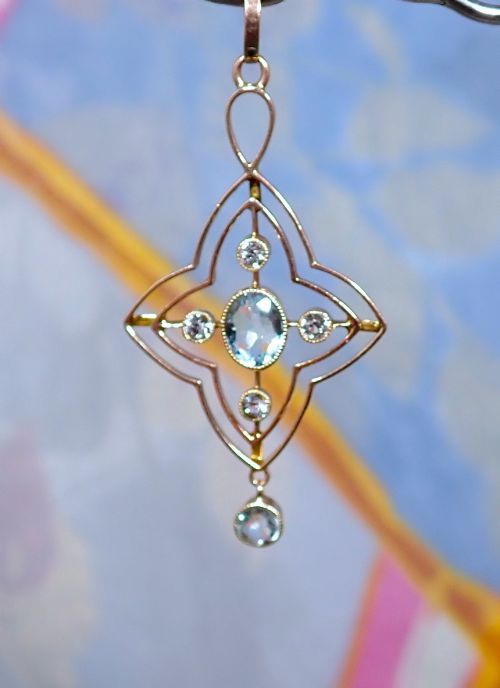
Goldsmiths combined white gold with yellow and rose variations in certain Victorian pieces to create contrast. Gemstones were faceted or cut cabochon before being mounted into rings, earrings and pendants.
Some pearl necklaces stretch up to fifty inches, offering enough length to loop multiple times.
Evaluating the Pieces
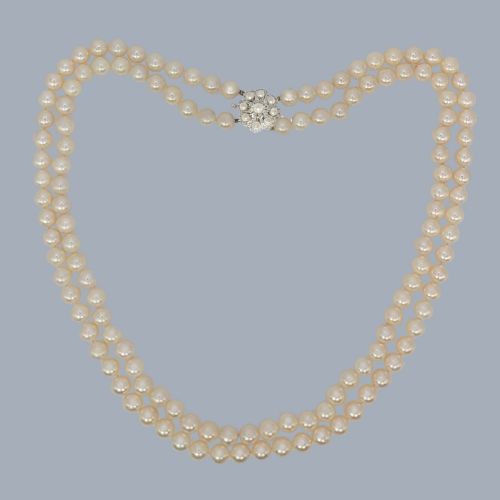
Quality in these items depends upon the proportion and clarity of the set gemstones relative to the metal work. Well-matched pearls with consistent lustre distinguish superior multi-strand necklaces.
The fineness of the filigree and the security of the mountings determine the grade of craftsmanship. Pieces that retain their original clasps and undamaged stone settings represent higher standards of preservation.
Cropp and Farr
The 9ct White Gold Jewellery Glossary
- Cabochon
- A gemstone shaped and polished with a smooth convex surface rather than faceted. This style highlights the internal play of light in opals.
- Cultured pearl
- Pearls formed with human intervention by inserting a nucleus into an oyster. They appear frequently on vintage necklaces.
- Hinge back
- A fastening mechanism common on earrings that secures the piece with a hinged lever. This type provides a reliable closure for drop designs.
- Filigree
- Ornamental work consisting of fine wire formed into delicate tracery. It frequently decorates the settings of mid-century pendants.
- Cluster ring
- A ring featuring a central gemstone surrounded by smaller stones. Diamonds and white sapphires often encircle opals in this format.
9ct White Gold Jewellery: Frequently Asked Questions
What periods do these pieces come from?
The items span several eras, reaching from the Victorian and Edwardian periods through to the mid-century decades. This timeline includes Victorian, Edwardian, 1940s and 1950s examples.
Each period brings distinct stylistic choices, shifting from ornate floral clusters to clean mid-century gemstone settings.
How do I care for pearl necklaces?
Pearl necklaces require gentle handling because organic gems are softer than diamonds or sapphires. Store them flat and away from abrasive metals or cosmetics.
Professional re-stringing maintains the integrity of the silk threads, particularly on multi-strand vintage pieces.
What stones are set in white gold?
White gold frames a wide variety of precious and semi-precious gems across these listings. Diamonds, cultured pearls, opals and aquamarines appear most frequently.
Coloured stones such as rubies, pink topaz and green amethyst also feature prominently in rings and earrings.
How can I identify Edwardian jewellery?
Edwardian items often utilise platinum alongside 9ct gold to create light, lace-like structures. Filigree and delicate gemstone arrangements typify this era.
Natural aquamarines and white sapphires frequently anchor these early twentieth-century designs.