


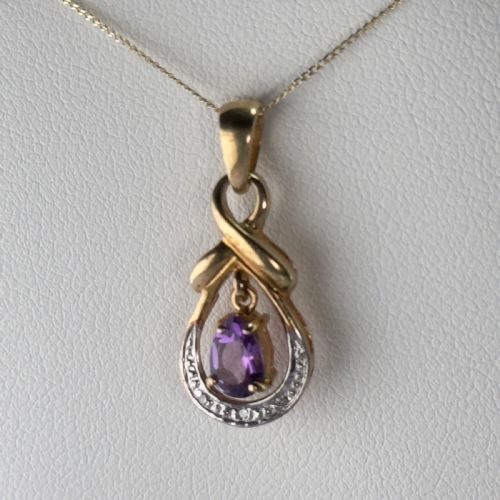
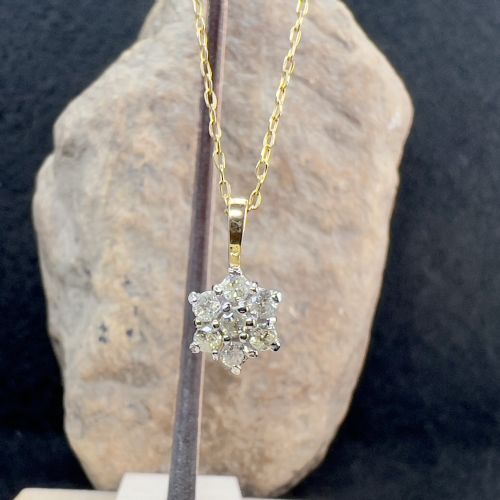

Fine Chain Diamond Necklace
A fine chain diamond necklace suspends delicate stones from precious metal, bringing subtle brilliance to the neckline.
Fine Chain Diamond Necklace
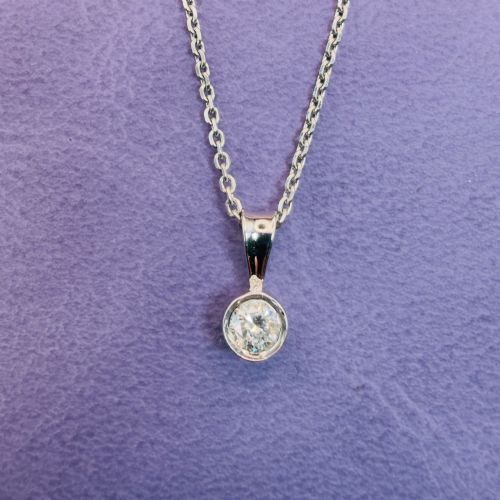
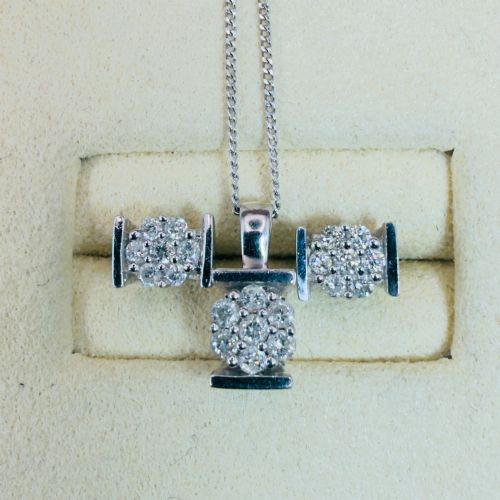
A fine chain diamond necklace combines a slender metal link chain with a pendant or cluster setting, creating a delicate profile. These pieces appear in forms such as solitaire pendants, cluster necklaces, and pendant sets.
The selection ranges from Edwardian and circa 1900 antique designs to mid-century 1950 and 1960 creations. Buyers most frequently encounter 9ct gold, 9ct white gold, and 18ct white gold examples alongside platinum settings.
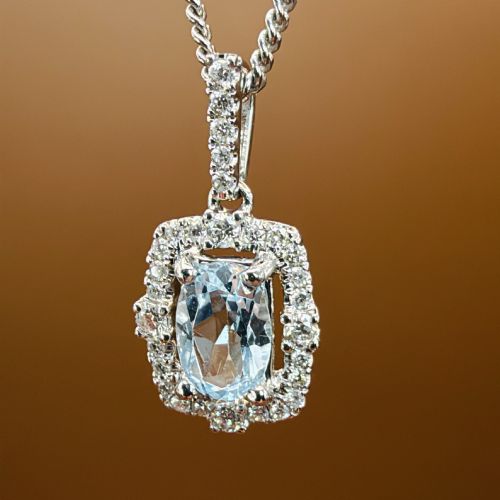
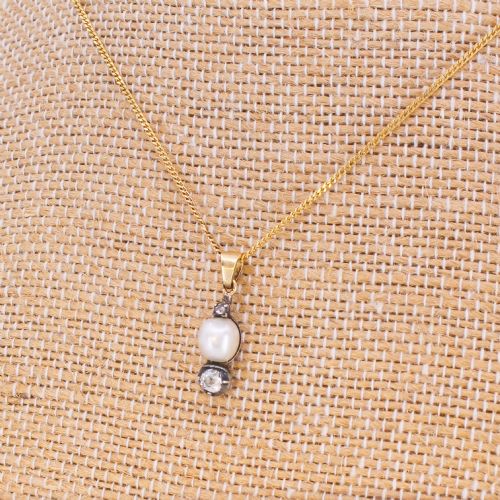
Beyond simple diamond solitaires, many designs incorporate coloured gemstones alongside the central stones. Amethyst, aquamarine, topaz, sapphire, natural pearl, and seed pearl regularly accompany the diamonds.
Materials and construction
Goldsmiths utilised various grades of precious metals for the chains and mounts, notably 9ct yellow gold, 9ct white gold, 14ct yellow gold, and 18ct white gold. Platinum also appears in antique settings, providing a secure, bright white metal base for stones.
Stones are secured using cluster arrangements, solitaire settings, and fan or cross pendant configurations. Artisans combined traditional claw settings with flush and pave techniques depending on the period and style.
Listings feature yellow gold, white gold, and platinum alongside central diamonds paired with amethysts, aquamarines, topazes, sapphires, and pearls.
Assessing quality in jewellery
Quality rests in the precision of the metalwork and the integration between the chain and the pendant drop. Subtlety of the link construction and the security of the settings dictate the overall standard of manufacture.
The choice of materials also defines the piece, with higher carat gold and platinum mounts holding stones with greater structural integrity. The balance between the weight of the pendant and the fineness of the chain determines how the necklace hangs.
The Fine Chain Diamond Necklace Glossary
- Solitaire
- A single gemstone mounted independently on a chain or ring. This setting focuses attention entirely on the individual stone.
- Cluster
- An arrangement of multiple smaller stones grouped tightly together around a central gem. This style maximises visual impact and light reflection.
- Edwardian
- A jewellery period spanning the early twentieth century known for lightness, platinum use, and delicate floral motifs. Pieces from this era often feature intricate openwork.
- Aquamarine
- A pale blue variety of beryl frequently cut into oval or pear shapes for pendants. It pairs well with white gold and diamond accents.
- Seed pearl
- Very small, naturally occurring pearls often used in historical cluster and fringe necklaces. They provide a soft, creamy contrast to faceted diamonds.
Fine Chain Diamond Necklace: Frequently Asked Questions
How do I care for a fine chain necklace?
Store the necklace flat or hung carefully to prevent the delicate links from kinking or knotting. Clean the metal and stones gently with warm soapy water and a soft brush.
Avoid wearing the necklace during physical activities or sleeping, as the fine chains can stretch or snap under sudden tension.
What is the difference between white gold and platinum?
White gold is an alloy of yellow gold mixed with white metals like palladium or nickel, usually plated with rhodium for brightness. Platinum is a naturally white, denser metal that develops a soft patina over time.
Both metals appear across the mid-century and antique items on this page, offering durable alternatives to traditional yellow gold.
How can I date an antique necklace?
Dating relies on stylistic clues, mounting techniques, and the cut of the diamonds used in the pendant. Edwardian pieces display distinct fine millegrain work and platinum settings, whereas 1950 and 1960 pieces often utilise structured 9ct white gold.
Assay marks and hallmarks stamped on the clasp or jump ring also provide definitive clues to the origin and year of manufacture.
Are coloured gemstone necklaces authentic?
Many vintage necklaces combine diamonds with genuine coloured stones such as amethyst, aquamarine, topaz, and sapphire. These additions reflect the popular aesthetic choices of the 1950 and 1960 decades.
Inspect the settings to ensure the coloured stones are securely claw-set or bezel-set alongside the accompanying diamonds.