
Diamond Jewellery Set
A diamond jewellery set brings together precious stones and enduring metals across Victorian, Edwardian, and mid-century designs.
Diamond Jewellery Set
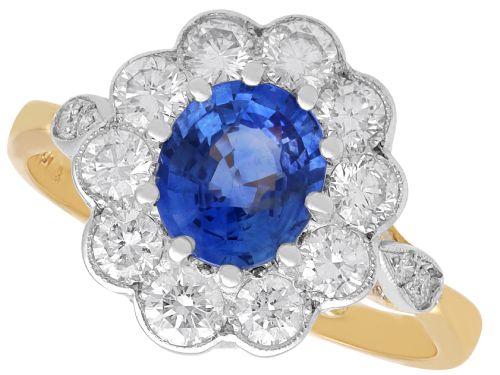
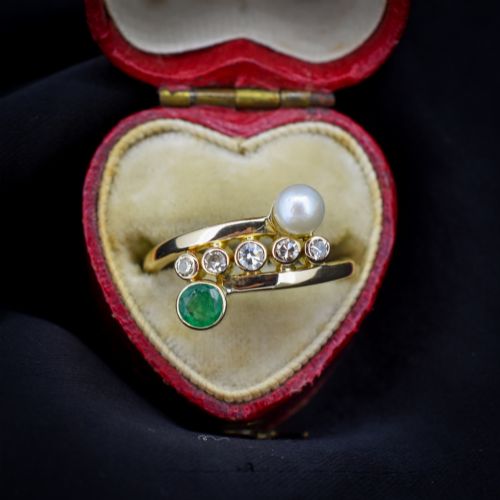
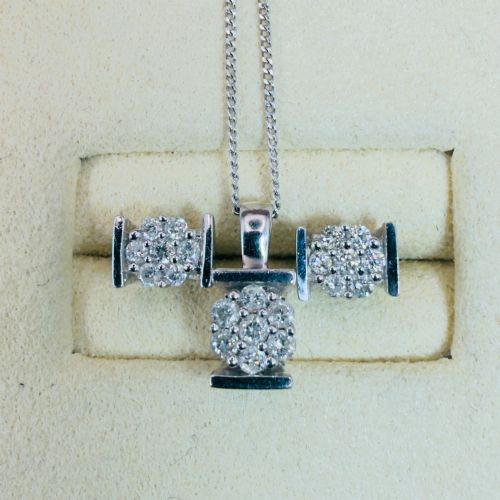
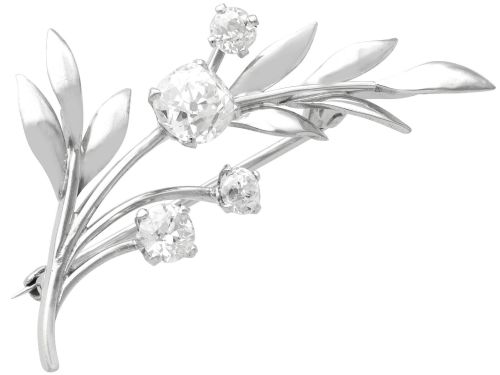
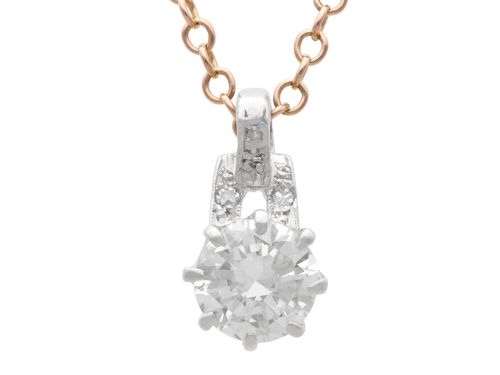
A diamond jewellery set encompasses matched suites of coordinated pieces alongside individual rings, earrings, pendants, and brooches incorporating diamonds. These items span Victorian, Edwardian, Art Deco, and mid-century periods, showcasing the evolution of decorative styles over more than a century.
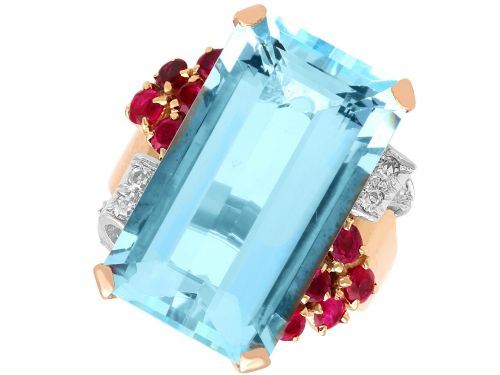
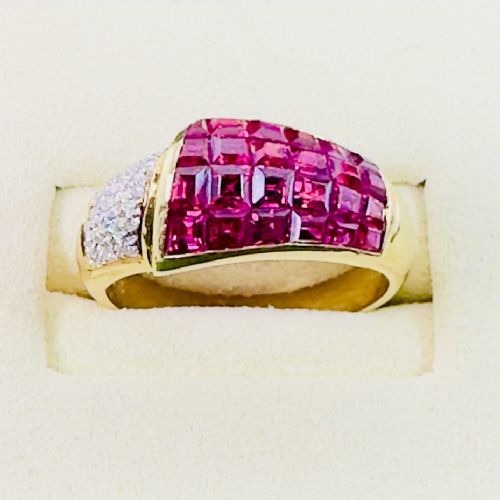
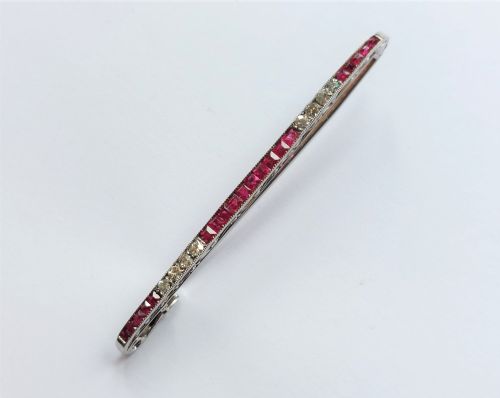
The selection includes cluster earring and pendant sets alongside standalone rings, bracelets, and brooches. Platinum, yellow gold, white gold, and rose gold serve as the primary mountings for stones paired frequently with rubies, sapphires, and emeralds.
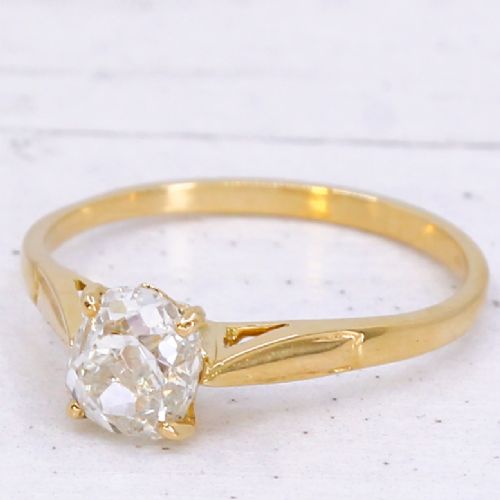
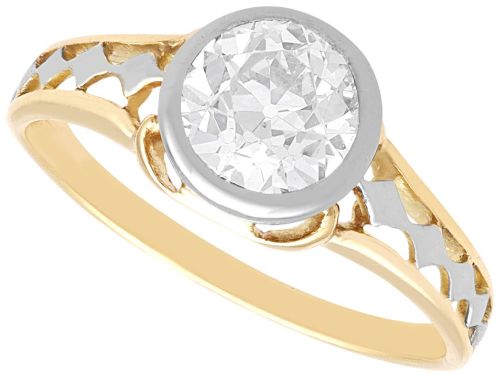
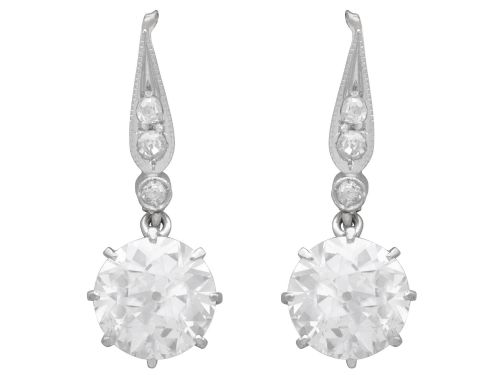
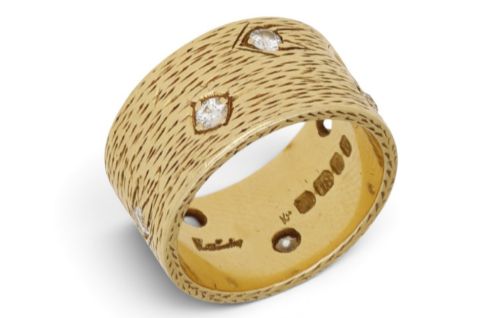
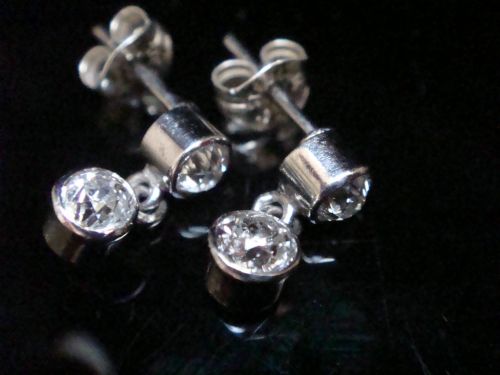
Buyers encounter matching multi-piece suites alongside individual rings and drop earrings featuring old cut diamonds. Pieces range from formal Edwardian drop designs to textured 1960s statement bands.
How they were made
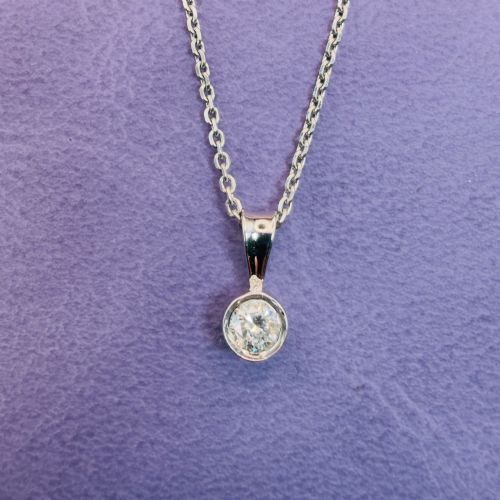
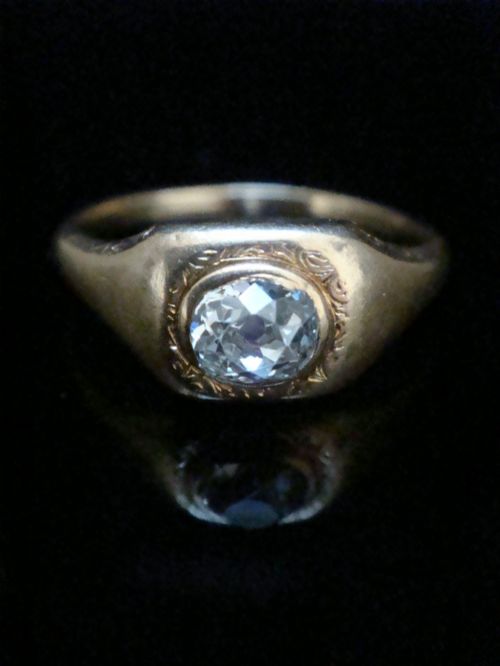
Goldsmiths set diamonds into platinum, yellow gold, and white gold using traditional techniques such as rubover settings, gypsy mounts, and claw settings. Hand-crafting methods defined early twentieth-century production, whilst mid-century examples often utilised textured finishes.
Cut stones, predominantly old mine cuts and old cut diamonds, were secured alongside coloured gemstones including rubies and sapphires. Metalwork involved casting and hand-working gold alloys ranging from nine carat to eighteen carat alongside platinum.
Common object types include rings, earrings, pendants, bracelets, and matched jewellery sets incorporating rubies and sapphires.
What varies in quality
Quality rests upon the precision of the stone setting and the weight and purity of the precious metals used. Master lapidary work in older cut diamonds and well-balanced proportions across multi-stone clusters elevate the standard of a piece.
The integrity of the mount, the clarity of hallmarks, and the matching of coloured gemstones such as rubies or sapphires determine the distinction between standard production and finer examples.
Kutchinsky
The Diamond Jewellery Set Glossary
- Old cut
- A diamond cut with a small table, high crown, and open culet, typical of pieces from the Victorian and Edwardian eras. These stones display a softer, chunkier facet pattern than modern brilliant cuts.
- Gypsy set
- A mounting style where the gemstone is flush-set directly into the thick metal band. This technique was popular in Victorian and Edwardian rings for daily wear.
- Rubover setting
- A setting method where a thin rim of metal is pushed or hammered over the edge of the gemstone. It securely holds the stone while creating a smooth outline.
- Cluster
- An arrangement of smaller gemstones clustered tightly around a central stone or set in a geometric group. This style maximises visual impact and light return.
- Art Deco
- A design style spanning the 1920s and 1930s characterised by geometric symmetry, clean lines, and contrasting materials like platinum and diamonds.
Diamond Jewellery Set: Frequently Asked Questions
What is a diamond jewellery set?
A diamond jewellery set typically pairs matching items like cluster earrings and a pendant designed to be worn together. These matched suites offer a unified aesthetic using coordinated precious metals and gemstones.
Individual rings, brooches, and bracelets are also common, representing various historical periods from Victorian times through to the mid-twentieth century.
How do I identify an Edwardian piece?
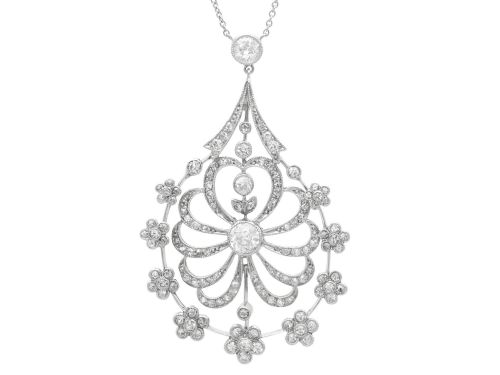
Edwardian items frequently utilise platinum settings paired with yellow or white gold to create light, lace-like floral and geometric motifs. Old cut diamonds and delicate openwork metal are characteristic hallmarks of this era.
Maker marks and stylistic cues such as millegrain edges further help distinguish Edwardian work from later mid-century designs.
What metals are used in these pieces?
Mounts are constructed from platinum, nine carat gold, and eighteen carat gold in yellow, white, and rose variations. The choice of metal often reflects the period of manufacture, with platinum gaining prominence in Edwardian and Art Deco pieces.
Coloured gemstones like rubies, sapphires, and emeralds are frequently set alongside the diamonds within these gold and platinum frameworks.
How should I care for antique diamond jewellery?
Antique pieces require gentle cleaning with warm soapy water and a soft brush to remove everyday oils and debris from the settings. Avoid harsh ultrasonic cleaners, particularly on items with softer coloured gemstones like emeralds or opals.
Regular inspection by a jeweller ensures that older claws and rubover settings remain secure and protect the stones.