
9ct Gold Watch
A 9ct gold watch carries the warm lustre of British hallmarked gold from decades past.
9ct Gold Watch
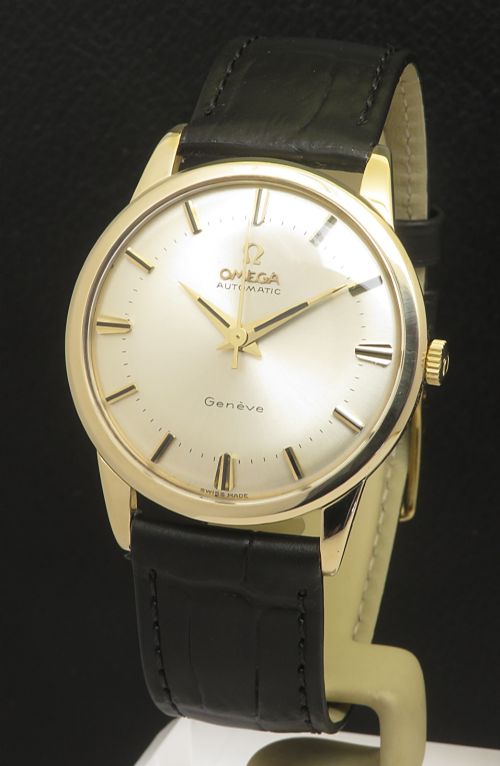
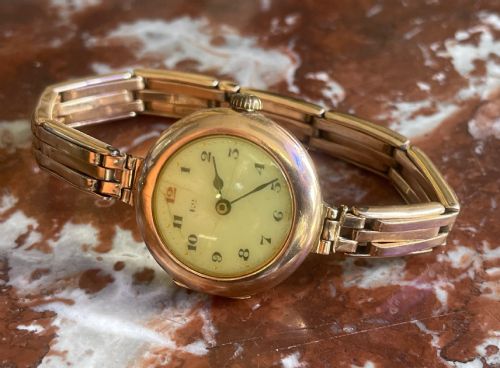
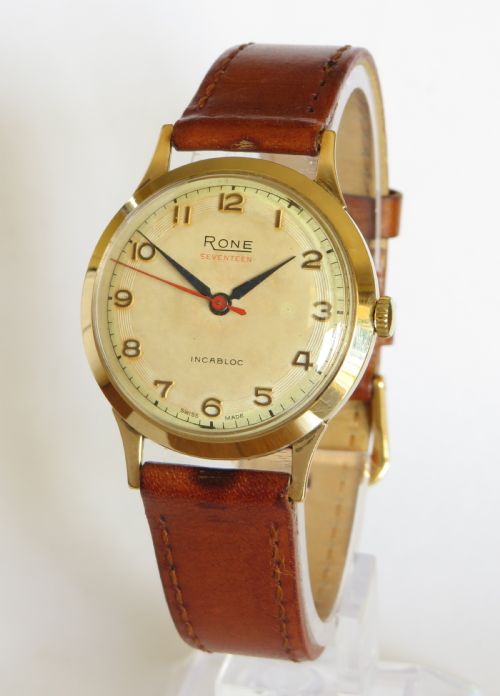
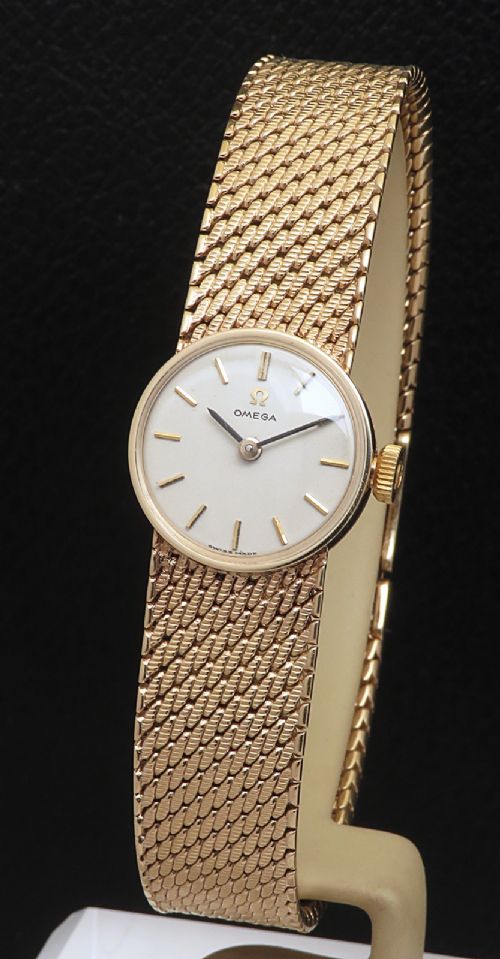
When searching for a 9ct gold watch, a buyer encounters wristwatches, pocket watches, and watch chains spanning from the Victorian era through the mid-twentieth century. The selection ranges from early twentieth-century trench and dress models by makers like Rolex and Omega to heavier mid-century automatic chronometers. Rose gold and yellow gold variants appear frequently across both pocket watch chains and wristwatch cases.
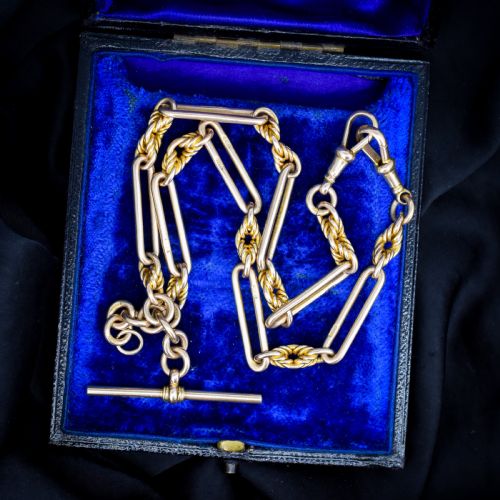
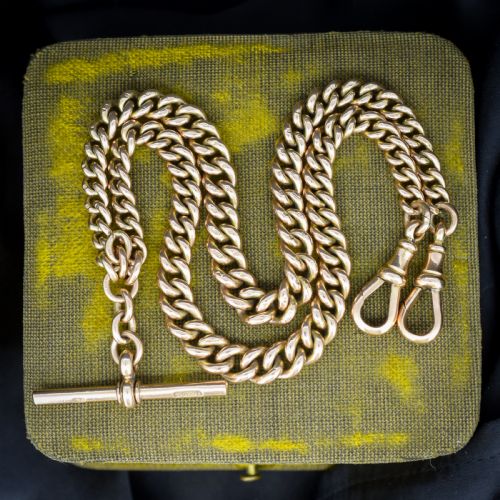
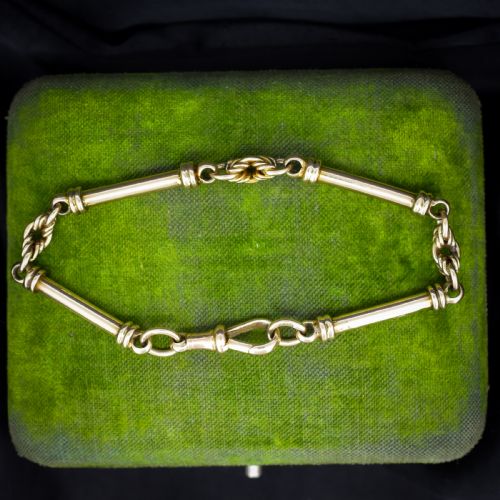
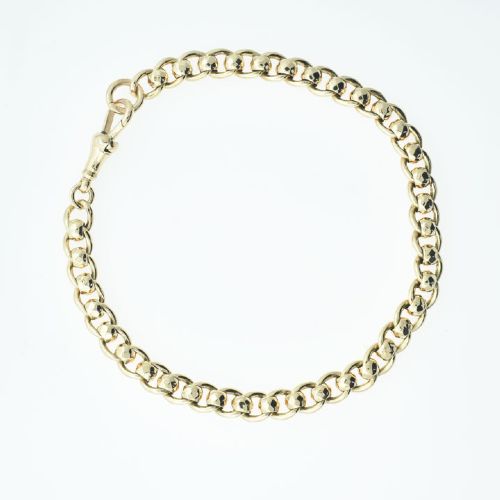
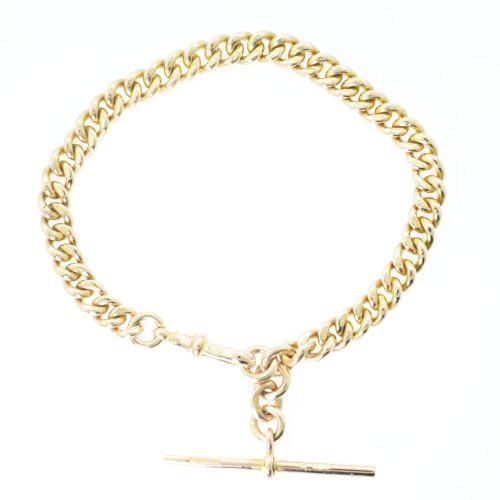
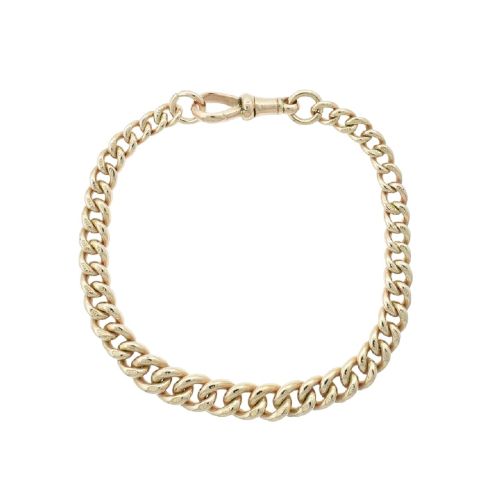
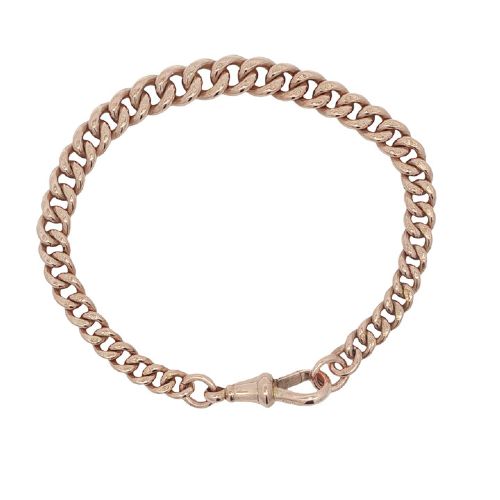
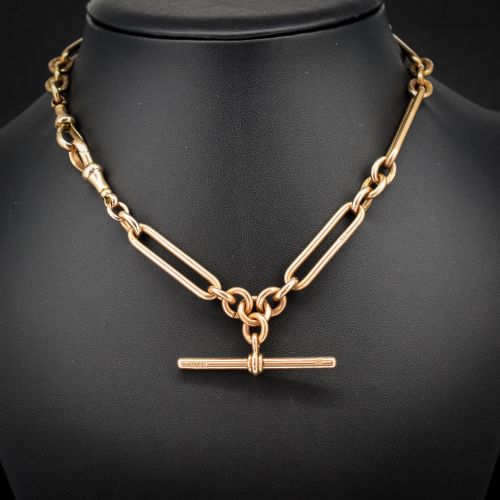
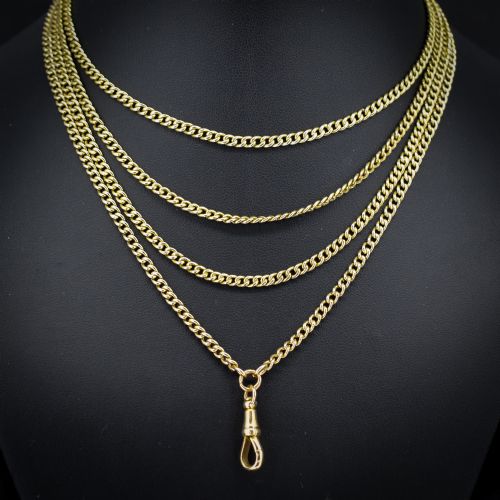
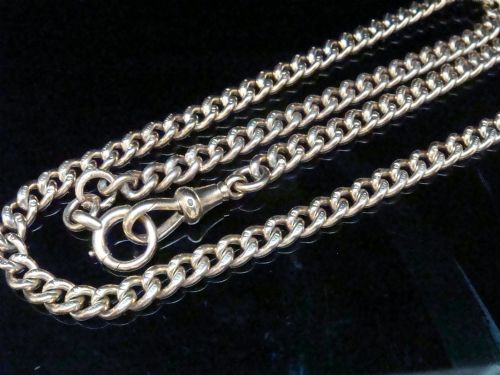
The objects combine utility with the decorative standards of periods such as Edwardian, Art Deco, and Mid-Century Modern. Pocket watch chains, often termed Albert chains, feature trombone or curb links designed to secure timepieces to waistcoats. Wristwatches span manual wind calibres and automatic movements housed in solid gold cases.
Materials and Construction
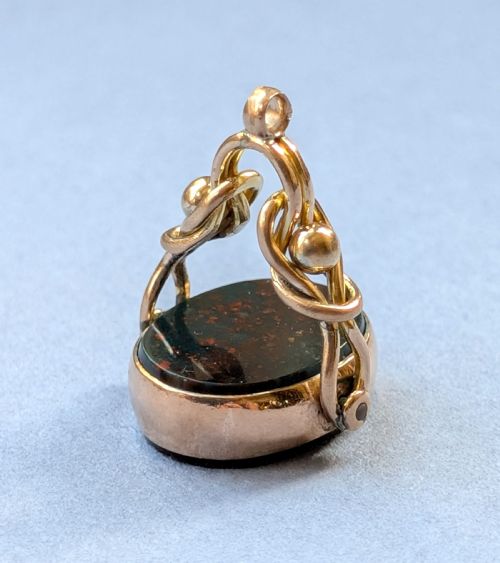
The primary material is 9ct gold, utilised in both rose and yellow tones for watch cases, watch chains, and fobs set with bloodstone or carnelian. Components often bear official British hallmarks, including Chester assay marks and maker's stamps on individual links and inner case backs.
Movements inside these watches rely on mechanical engineering, featuring manual wind or automatic mechanisms with jewelled levers. Leather straps and glass crystals complete the assemblies, while chains employ dog clips, T-bars, and spring rings fashioned from solid gold wire.
Listings feature 9ct gold items spanning the Victorian era through the 1960s, incorporating wristwatches, pocket watches, and Albert chains.
Markers of Distinction
Quality in a 9ct gold watch rests on the originality of the dial, movement, and case, alongside the crispness of hallmarks. Pieces retaining their original boxes, papers, or factory finishes command greater interest from collectors.
For watch chains, the gauge of the links and the completeness of hallmarking on every individual link determine the standard. Graduated links require precise craftsmanship to scale evenly from T-bar to clasp.
Omega·Rolex·IWC·Longines·Smiths·J W Benson·Zenith·Jaeger LeCoultre
The 9ct Gold Watch Glossary
- Albert Chain
- A watch chain designed to secure a pocket watch to a garment, typically equipped with a T-bar at one end and a dog clip at the other.
- Hallmark
- An official stamp applied by an assay office indicating the purity of the metal, such as 9ct gold, along with the maker and year.
- T-bar
- The crossbar component attached to an Albert chain, passed through a waistcoat buttonhole to anchor the watch.
- Calibre
- The specific internal mechanical movement manufactured by a watchmaker to drive the timepiece.
- Fob
- A small ornament or seal, often set with bloodstone or carnelian, suspended from a watch chain.
9ct Gold Watch: Frequently Asked Questions
How do I wear an antique watch chain?
Albert chains thread through a waistcoat buttonhole, securing the pocket watch in a lower pocket while the T-bar fastens the drape.
Shorter lengths also adapt as wrap bracelets or necklaces when fitted with dog clips and charms.
What is the difference between rose and yellow 9ct gold?
Rose gold contains a higher proportion of copper alloyed with gold, yielding a distinct pinkish hue favoured in Victorian and Edwardian pieces.
Yellow gold maintains a traditional warm metallic appearance achieved by balancing silver and copper alloys.
Are mid-century watches suitable for daily wear?
Mid-century mechanical watches function well for regular use provided they receive proper servicing by a qualified horologist.
Manual wind and automatic movements from makers like Omega and Rolex were engineered for durability.
How can I date a hallmarked gold watch?
British hallmarks include specific date letters corresponding to the assay office and year of testing, stamped inside case backs or on chain links.
Matching these letters against assay records reveals the exact year of manufacture.