


9 Carat Gold Jewellery
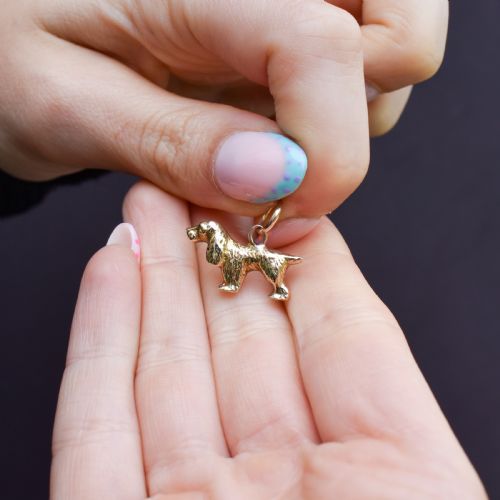
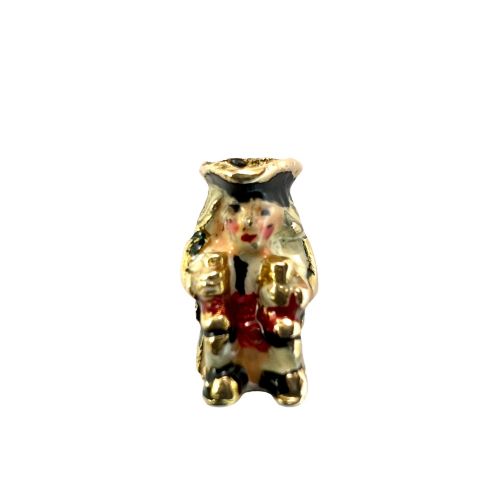
When you search for 9 carat gold jewellery, you find rings, necklaces, brooches, and bangles spanning the Victorian era through the mid-twentieth century.
9 Carat Gold Jewellery
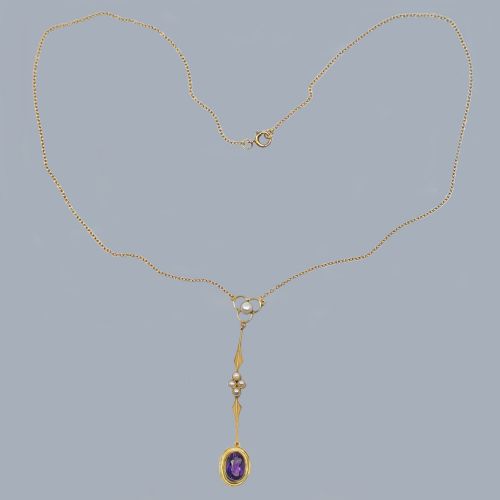
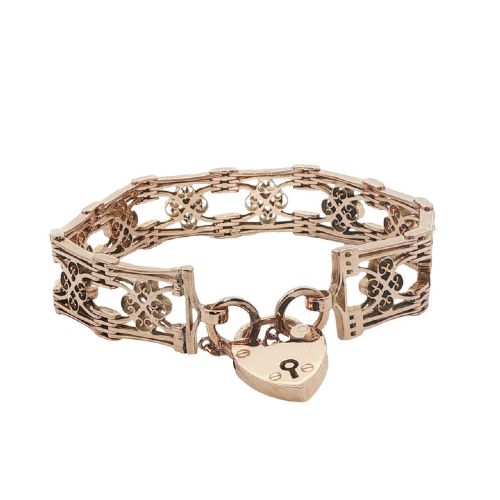
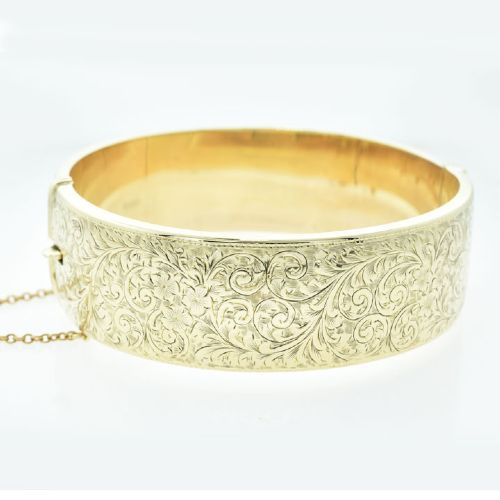
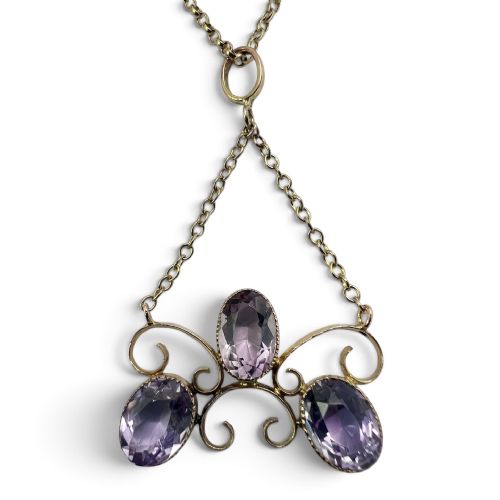
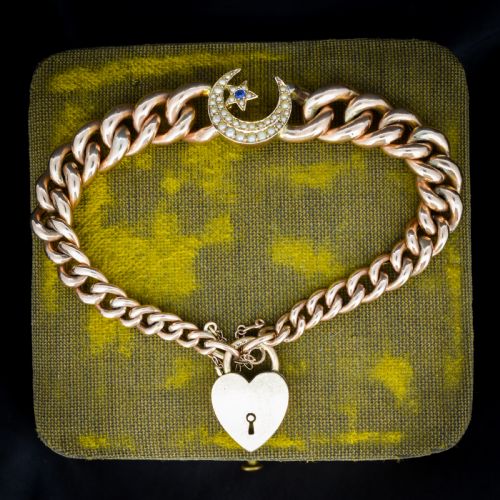
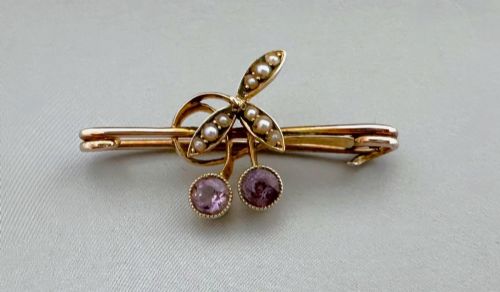
The category of 9 carat gold jewellery covers a broad sweep of decorative objects, from Victorian mourning brooches and Etruscan Revival earrings to chunky mid-century diamond bangles and vintage cocktail rings. When browsing this selection, you frequently encounter everyday dress pieces alongside heavier statement items like gate bracelets with heart padlocks and Edwardian amethyst pendants.
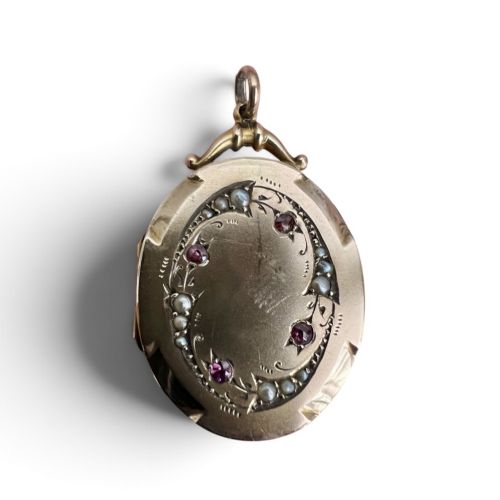
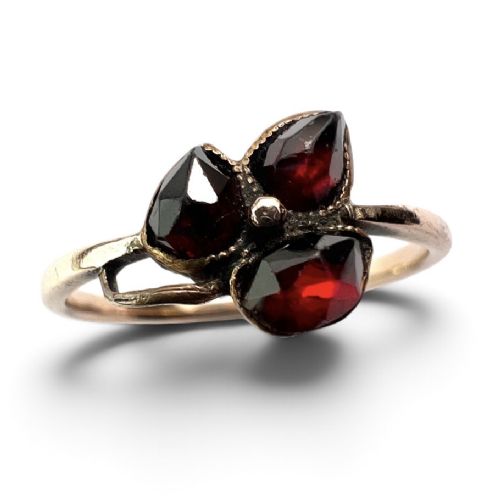
The pieces listed span multiple historical periods, including the nineteenth century, the Edwardian era, Art Deco, and mid-century designs. While earlier Victorian examples often incorporate seed pearls, garnets, and mourning motifs, later 1930s and 1950s items lean towards diamond clusters, sapphires, and substantial gold weights.
Materials and construction
Makers shaped these items using yellow and rose gold alloys, frequently pairing the metal with precious and semi-precious stones such as old cut diamonds, rubies, emeralds, and seed pearls. Platinum also appears in combination with gold, particularly in Edwardian and Art Deco settings designed to highlight white stones.
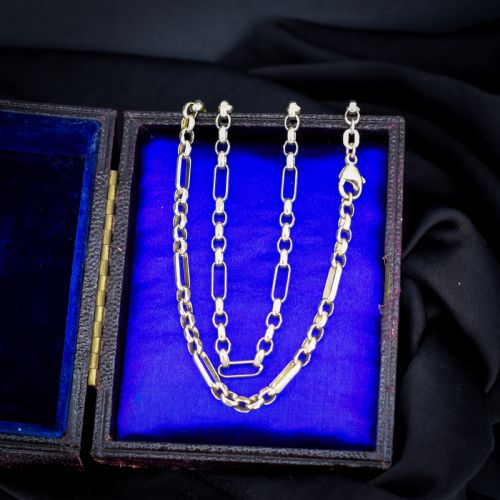
Craftsmen utilised various techniques to construct these wearable forms, from intricate filigree work and engraved crosses to heavy links on chain necklaces and solid cast bangles. Hallmarks stamped into the metal often record specific towns like Birmingham or Chester alongside the manufacturing date.
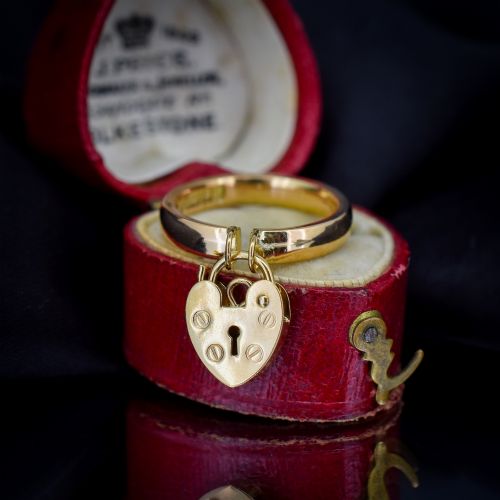
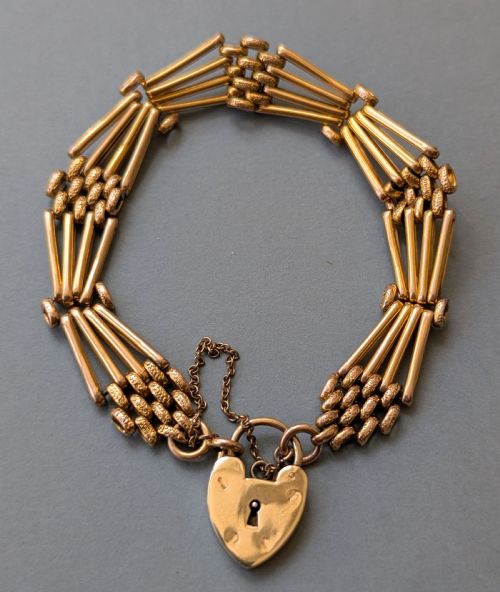
Hearts beat forever in this collection through the enduring popularity of gate bracelets fitted with miniature padlocks.
Evaluating quality and design
Distinctions in quality often rest on the weight of the metal and the substance of the construction, moving from lighter stamped components to heavy cast or hand-forged pieces like substantial gate bracelets and diamond bangles. The presence of documented makers and specific assay office marks also elevates certain items.
The selection and cut of the gemstones define another tier of quality, distinguishing standard cluster designs from pieces set with large unheated Ceylon sapphires, old cut diamonds, or fine tsavorites. The harmony between the metalwork style and the original gemstones determines the overall coherence of the design.
Smith and Pepper·Kutchinsky
The 9 Carat Gold Jewellery Glossary
- Mizpah
- A sentimental piece of jewellery, often a band ring, exchanged as a token of emotional connection between people separated by distance.
- Gate bracelet
- A flexible bracelet constructed from multiple parallel links connected by vertical bars, typically finished with a heart padlock clasp.
- Old cut diamond
- A precursor to the modern brilliant cut, characterised by a smaller table, higher crown, and hand-faceted symmetry typical of older periods.
- Seed pearl
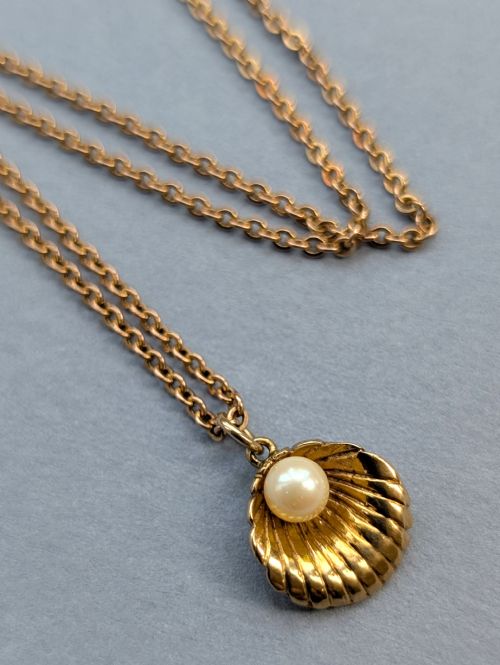
- A very small natural pearl, often drilled and threaded or set collectively to form floral motifs or borders in Victorian and Edwardian pieces.
- Dog clip
- A spring-loaded swivel clasp commonly found on watch chains and heavy necklaces, allowing charms or pendants to be securely attached.
9 Carat Gold Jewellery: Frequently Asked Questions
What periods do these pieces come from?
The selection includes items from the nineteenth century, the Victorian era, Edwardian period, Art Deco years, and mid-century modern designs.
Specific dates on pieces span from the late 1800s through the 1960s, reflecting changing aesthetic preferences across generations.
How do I identify 9 carat gold?
Items are typically stamped with hallmarks indicating the gold purity standard alongside assay office symbols and date letters.
These official stamps provide verifiable proof of the metal composition and the town where the piece was tested.
What gemstones are commonly used?
Common stones include old cut diamonds, sapphires, rubies, garnets, amethysts, emeralds, and seed pearls.
While Victorian pieces often feature garnets and seed pearls, later twentieth-century items frequently showcase prominent diamond clusters and coloured gemstones.
How were gate bracelets worn?
Gate bracelets served as popular everyday accessories during the early twentieth century, fastened securely with decorative heart padlocks.
Their flexible link construction allowed them to sit comfortably on the wrist as both practical and sentimental adornments.