




20th Century Painting
A 20th century painting captures the shifting artistic styles and landscapes of a changing era, offering collectors authentic glimpses into rural, maritime and domestic life.
20th Century Painting
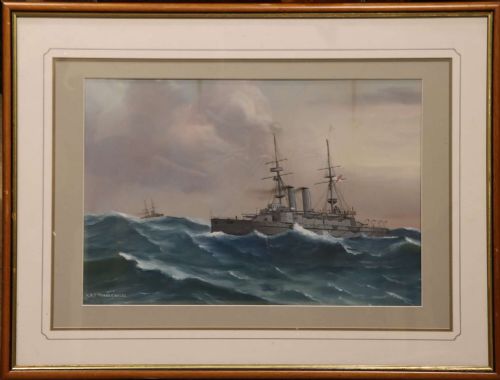
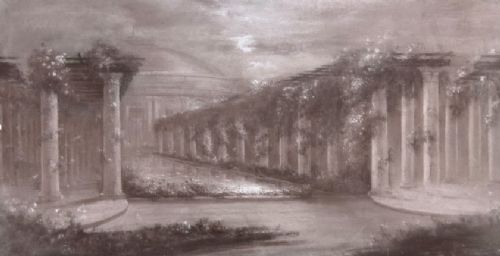
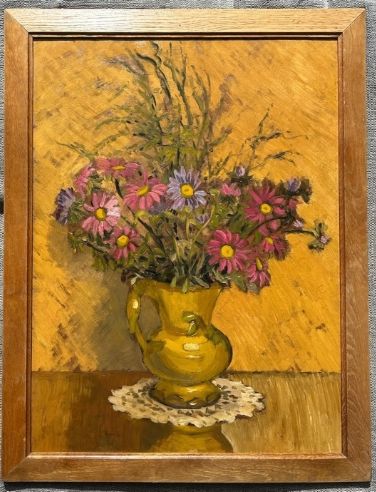
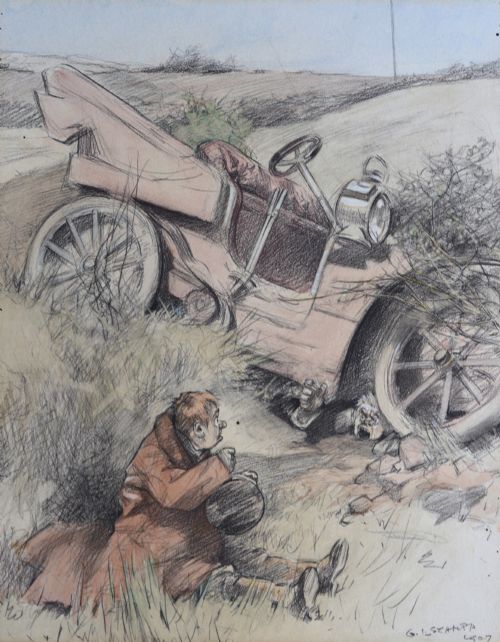
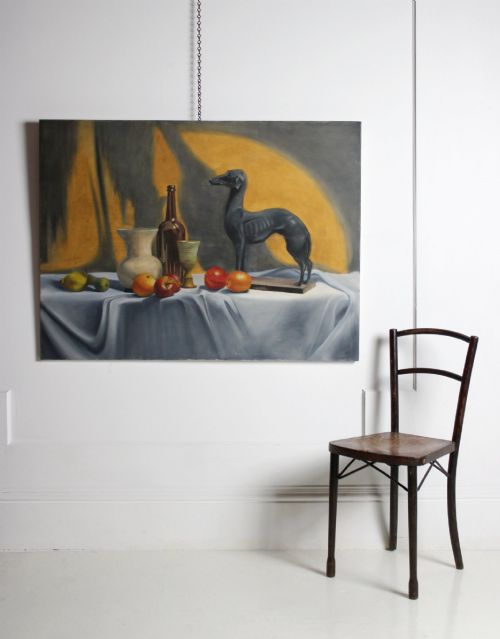
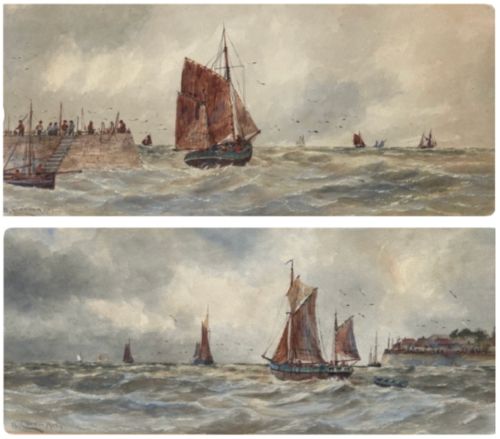
When searching for a 20th century painting, buyers encounter a diverse selection of works spanning early Edwardian pastoral scenes through to mid-century modern compositions. The pieces available range from detailed maritime watercolours and atmospheric landscapes to vibrant floral still lifes and figurative portraits.
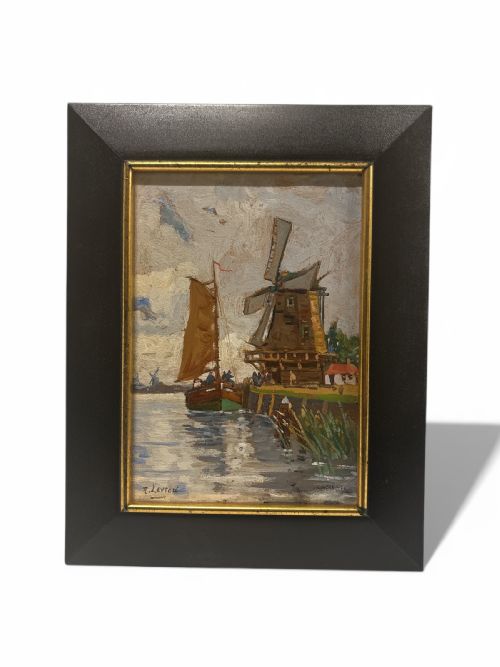
Most examples found on this page originate from British and European schools, executed by regional artists and professional painters alike. Subjects frequently record rural countryside views, coastal harbours, and quiet domestic interiors created across decades of rapid artistic evolution.
How they were made
Artists of this period applied oil paint, watercolour, pastel, and gouache onto traditional supports such as stretched canvas, wood panel, heavy paper, and cardboard boards. Pigments were frequently worked up with brushes and palette knives, depending on whether the desired effect required smooth blending or textured impasto.
Many works were produced en plein air to capture immediate natural light, while studio pieces relied on careful preparatory sketches and layered glazes. Framing typically utilised original wooden mouldings, sometimes with gilt finishes appropriate to the period of creation.
Several artists preferred painting stormy coastal waters with a brush dipped entirely in stubborn determination and sea spray.
What varies in quality
The distinction between standard works and exceptional examples lies in the confidence of the brushwork and the artist's ability to command light and atmospheric depth. Superior pieces demonstrate a sure sense of composition and colour harmony that elevates a common local subject into a compelling visual statement.
Material preservation also plays a significant role in determining a piece's standing, including the stability of the support, the integrity of the paint layer, and the retention of original framing elements. Works that survive without significant pigment degradation or disruptive conservation interventions command greater appreciation.
Kenneth Cozens·George Lorain Stampa·William Cannon·William H Myers·George Graham·Tom Campbell·Franz Bergman·Ferdinand Preiss·Pierre le Faguays·Robert Leslie Howey·Kershaw Schofield·Charles Edward Dixon·George Houston·John E Aitken·Eric Tufnell·Robert Morson Hughes·Arthur Wardle·George F Pennington·Alexander Jamieson·Walter Henry Sweet·Thomas Herbert Victor
The 20th Century Painting Glossary
- Impasto
- Paint applied thickly to a canvas or board so that it stands proud of the surface and holds the visible marks of the brush or palette knife. This technique adds tactile dimension and captures light dynamically across the painted area.
- Provenance
- The documented history of ownership and exhibition of an artwork from its creation to the present day. Clear provenance helps verify authenticity and connects the piece to its historical context.
- Gouache
- An opaque water-based medium composed of ground pigments bound in water-soluble gum mixed with white filler materials. It yields a flat, matte finish prized for posters, illustrations, and detailed studies.
- Plein air
- The practice of painting outdoors directly from the subject to capture transient effects of natural light and weather. It became widespread with the availability of portable paint tubes.
- Support
- The physical foundation upon which the paint or drawing medium is applied. Common examples include stretched linen canvas, wooden panels, heavy paper, and primed cardboard.
20th Century Painting: Frequently Asked Questions
How do I identify the date of a painting?
Signatures, dates inscribed by the artist, and exhibition labels attached to the reverse of the stretcher or frame often provide clear chronological markers. Stylistic clues, such as clothing fashions or architectural details depicted within the subject matter, also help narrow down the period of creation.
Physical inspection of the materials, including the type of canvas weave, board backing, and framing methods, supports accurate dating. Comparing the handling of paint and subject matter to documented works by the same artist confirms the timeline.
Were these paintings made for domestic display?
The majority of these works were created for everyday home display, intended to adorn domestic parlours, studies, and dining rooms. Landscapes and still lifes were particularly popular for adding warmth and character to middle-class interiors.
Smaller watercolours and oil panels were easily portable and suited to various wall spaces within urban and rural homes. Their subjects offered viewers a comforting connection to familiar countryside and coastal retreats.
How should I care for a vintage painting?
Protect the artwork by hanging it away from direct sunlight, high humidity, and rapid temperature fluctuations, which can warp wooden panels and degrade paper supports. Gentle dusting with a soft, dry brush keeps the surface clear without risking abrasion to fragile pigment layers.
Avoid using liquid cleaners or chemical solvents on the painted surface or frame. If structural cleaning or canvas tightening is required, consult a professional conservator to prevent accidental damage.
What is the difference between board and canvas?
Canvas is a flexible woven fabric, usually linen or cotton, stretched tightly over a wooden frame to provide a responsive surface for oil or acrylic paint. Board offers a rigid, unyielding foundation made from compressed wood pulp or thick cardboard, often chosen for smaller plein air studies.
Rigid boards are less prone to punctures but can warp or become brittle over time if exposed to moisture. Stretcher canvases can be re-tensioned periodically but remain vulnerable to tears and surface impacts.