


Blue Impasto Canvas
A blue impasto canvas brings thick paint and textured light to your wall, capturing coastal views and quiet figures.
Blue Impasto Canvas
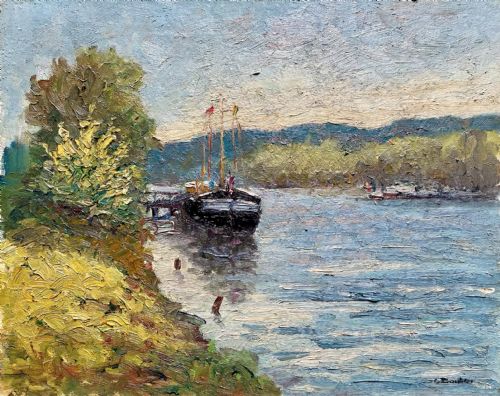
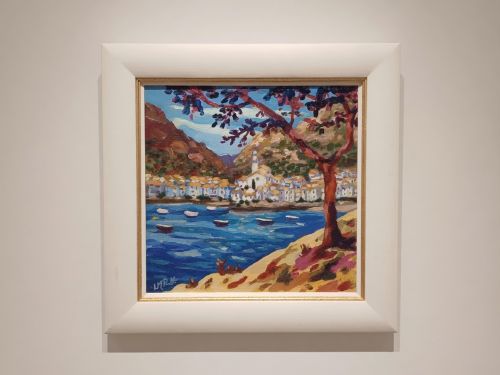
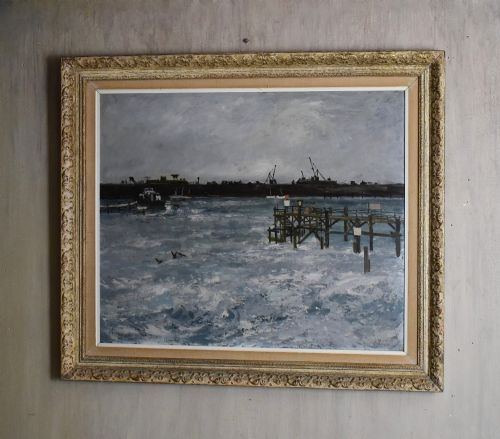
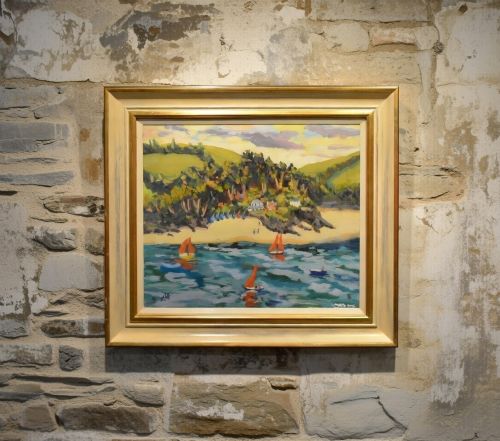
A blue impasto canvas presents oil paint applied thickly to woven fabric, building a raised surface that catches the light. When you search for blue impasto canvas, you are looking at twentieth-century paintings defined by heavy brushwork and shades of blue, ranging from coastal waters to moody skies.
The works on this page lean heavily into mid-century expressionism, impressionism, and post-impressionism. You will frequently encounter French and British coastal scenes, maritime views, and abstract compositions dating from the early decades of the twentieth century up to the 1960s.
How they were made
These works rely on oil paint applied thickly to canvas, sometimes supported by wood or board. Artists used brushes or palette knives to lay down pigment in high relief, creating a tactile surface where the physical gesture of the application remains visible.
Gilt and wooden frames complete many of the pieces, often chosen or built to house the rigid thickness of the dried oil paint. The combination of coarse canvas and heavy pigment creates a durable structure that holds its physical depth over decades.
Several canvases capture the distinct blue light of the French Riviera, faithfully preserving decades-old Mediterranean sunshine in thick oil.
What varies in quality
The strength of a blue impasto canvas lies in the confidence of the handling and the stability of the thick paint surface. Superior works demonstrate a deliberate control over heavy pigment, where every ridge and stroke contributes to the movement and depth of the composition.
Lesser examples may show hesitation in the brushwork or muddy colour blending where the tactile quality becomes flat rather than sculptural. The integration of the subject matter with the physical weight of the paint dictates the overall success of the piece.
Lucy Pratt·Peter Brannan·Elisabeth Bardon·Helen Layfield Bradley·Jean-Baptiste Olive·Gabriel Dauchot·Cecil Rochfort D'Oyly-John·Donald McIntyre·Pinchus Krémègne·Jack R Mould·Ernst Louizor·Emanuele Cappello·Rowland Fade·William Ernst Burwell
The Blue Impasto Canvas Glossary
- Impasto
- Paint applied thickly to a canvas so that it stands out from the surface. This technique allows the texture of the brush or palette knife to remain visible.
- Post-Impressionism
- An artistic movement developing roughly from the last decades of the nineteenth century. Painters extended impressionist practices while rejecting its limitations, focusing on more symbolic content and heavier structure.
- Expressionism
- A modernist style where the artist seeks to depict subjective emotions rather than objective reality. Works in this vein often feature distorted forms and intense colour choices.
- Chiaroscuro
- The use of strong contrasts between light and dark, usually bold contrasts affecting a whole composition. It creates a sense of volume in modelled objects and figures.
Blue Impasto Canvas: Frequently Asked Questions
What is a blue impasto canvas?
A blue impasto canvas is an oil painting where blue pigments are laid on thickly, creating a textured, three-dimensional surface. These works range from early twentieth-century coastal views to mid-century abstract compositions.
The thick application of paint, known as impasto, catches the light and adds a physical depth that sets these paintings apart from flat works on paper or smooth panels.
How should I hang a heavy impasto painting?
Heavy oil paintings require sturdy fixings screwed directly into wall studs or solid masonry rather than simple picture hooks. Because the thick paint adds considerable weight to the canvas and wooden stretcher, proper wall anchors ensure the frame remains secure.
Keep these textured canvases away from direct heat sources such as radiators, as fluctuating temperatures can cause the thick layers of oil paint to dry unevenly over time.
How can I tell the period of a canvas?
Dating a painting involves looking at the style of brushwork, the type of canvas or stretcher used, and the framing materials. Mid-century works often show bolder abstract tendencies or brighter palettes compared to earlier impressionist pieces.
Signatures, exhibition labels on the reverse, and the ageing of the wooden stretcher frame also provide reliable clues to the decade of creation.