



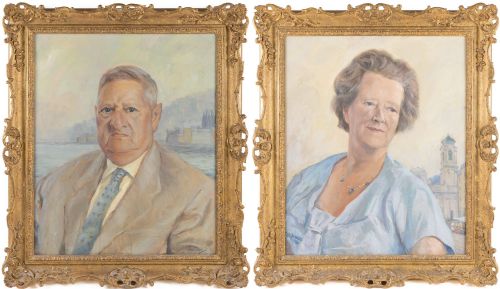
20th Century Oil Artwork
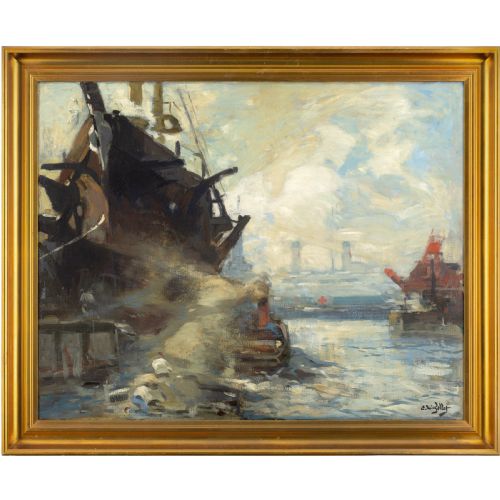
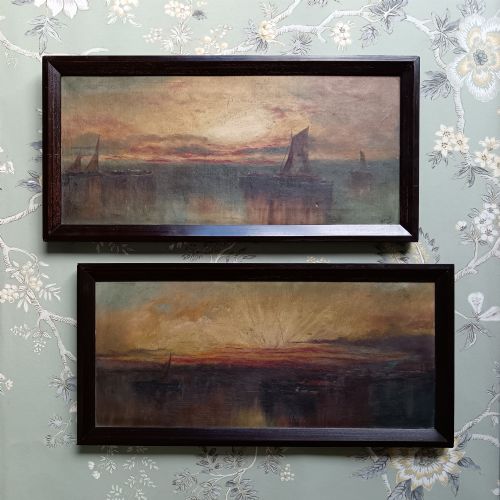
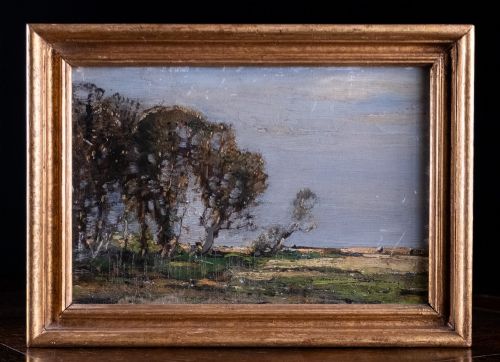
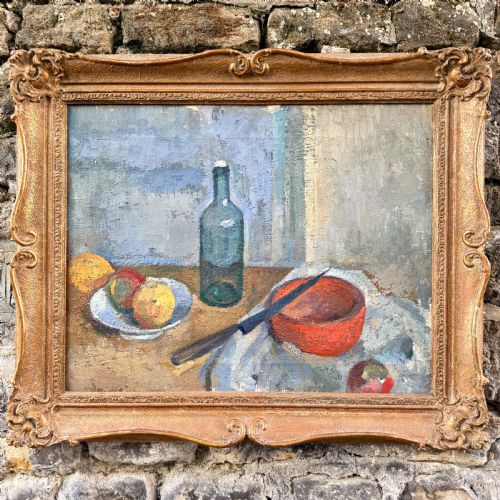
These 20th century oil artwork pieces span landscapes, portraits and still lifes from across the decades, offering collectors an authentic window into changing artistic movements.
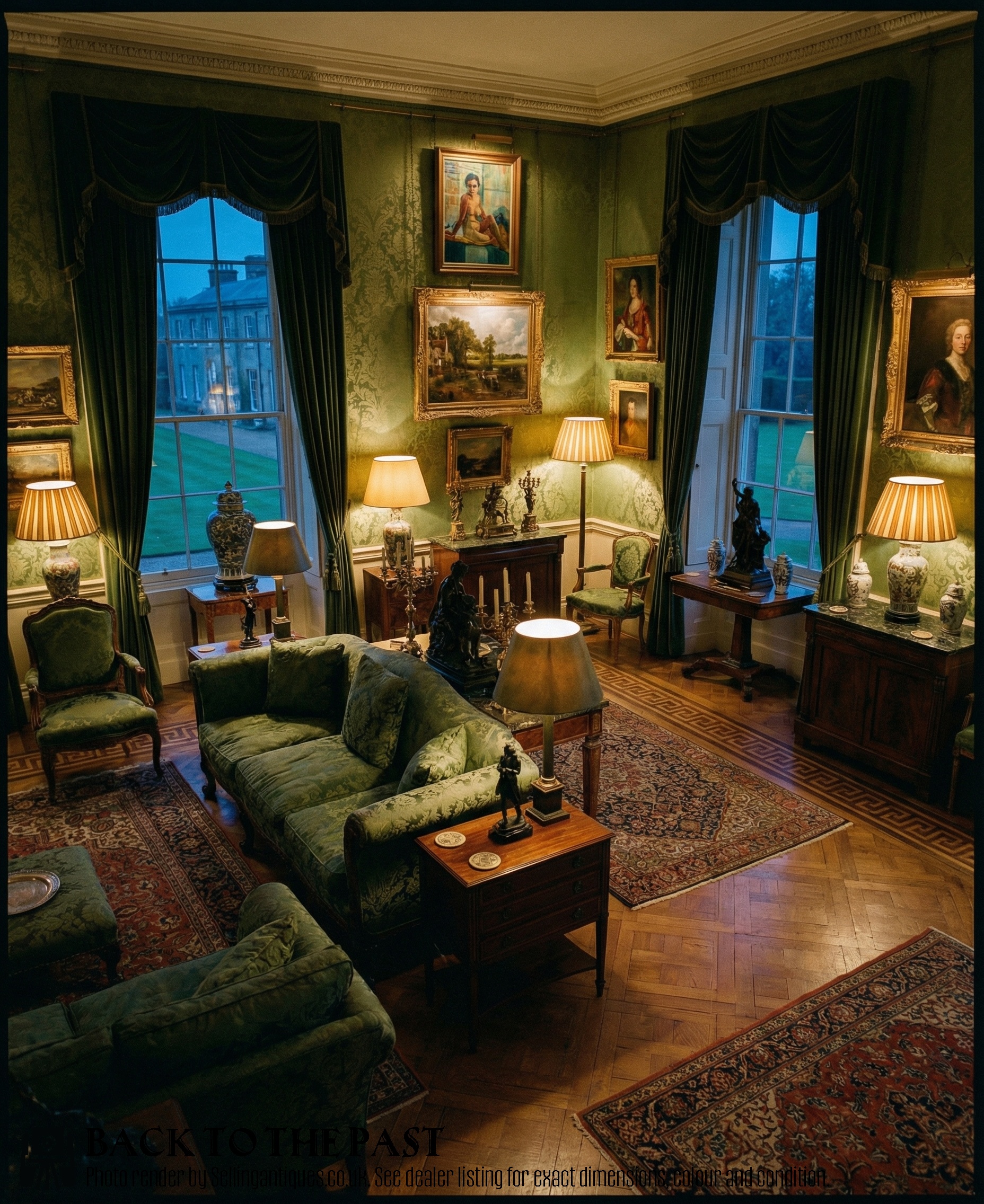
20th Century Oil Artwork
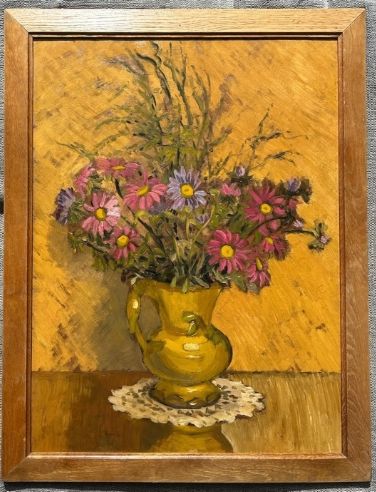
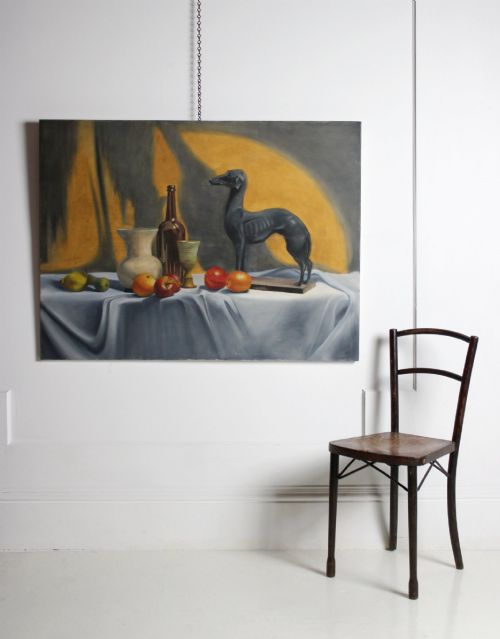
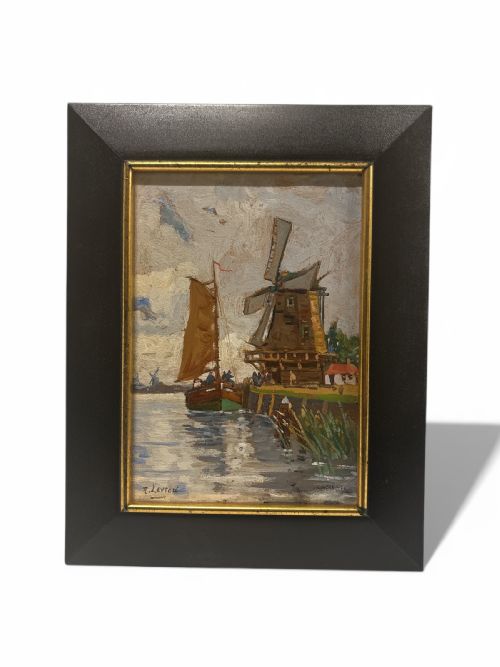
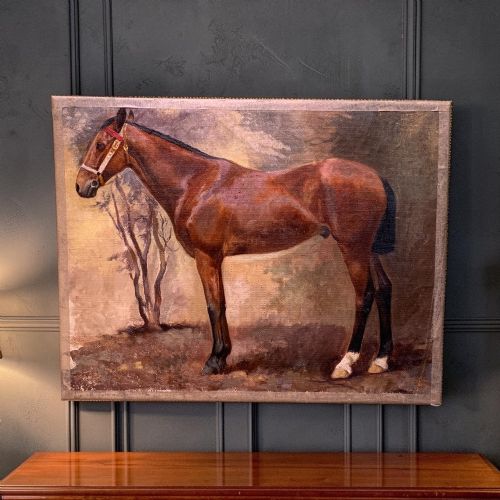
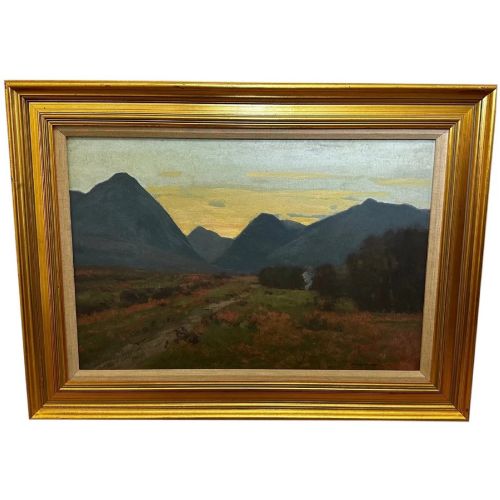
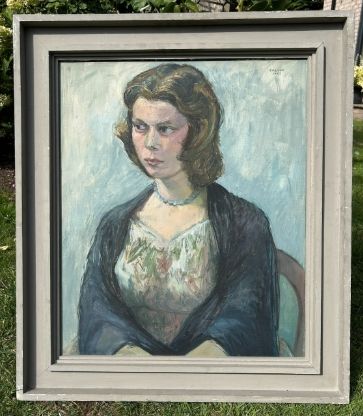
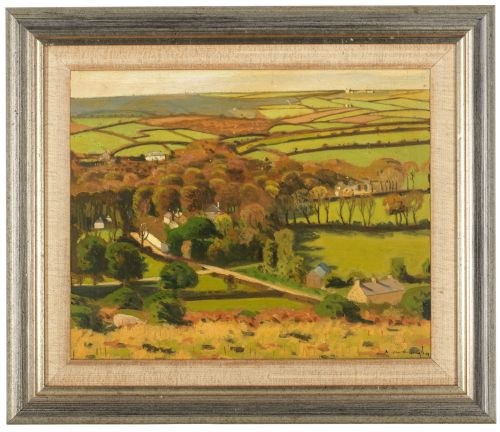
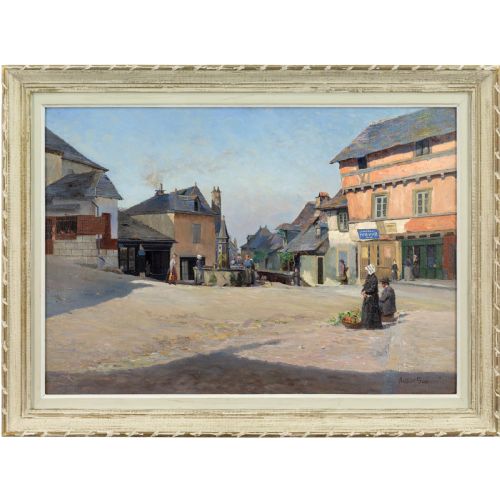
A 20th century oil artwork encompasses paintings created across the decades from the Edwardian era through the mid-century period. Buyers browsing this selection encounter everything from serene rural landscapes and maritime scenes to intimate still lifes and figurative portraits.
The assortment on this page leans heavily toward British and European traditions, capturing shifts in technique from traditional impressionism to modern interpretations. Works range from modest cabinet paintings on wood panel to larger canvases suited for prominent wall display.
How they were made
Artists of this era applied oil paint primarily to stretched canvas, wooden board or wood panels using traditional brushwork techniques. The physical support often dictates the texture and preservation of the pigment over time.
Many works retain their original frames, including swept gilt designs that complement the aesthetic of the period. Pigments were manipulated to build depth, capturing light and atmosphere particularly in landscape and marine subjects.
20th Century Oil Artwork Retail Price Guide 2026
Typical asking prices for 20th century oil artwork among the pieces listed under this phrase on Sellingantiques today, from the lower quarter to the upper quarter. They describe what is for sale here now, not the wider market.
Listings span multiple decades from 1900 through the 1960s, employing canvas, board and wood panel supports.
What varies in quality
Quality in these paintings rests upon the surety of the artist's brush, the handling of light and shadow, and the compositional balance of the subject matter. Superior examples demonstrate a confident application of pigment that brings immediacy and life to the scene.
The preservation of the paint surface and the originality of the mounting frame also influence the overall standing of a piece. Works by recognised regional painters or those retaining strong provenance tend to exhibit greater artistic ambition.
Kenneth Cozens·Tom Campbell·George Houston·Robert Morson Hughes·Kershaw Schofield
The 20th Century Oil Artwork Glossary
- Oil on canvas
- Pigment suspended in a drying oil applied to a woven fabric surface stretched over a wooden frame. This combination allows for rich blending and textured impasto application.
- Board
- A rigid flat support made from wood or wood-pulp composite used instead of stretched fabric. It provides a stable surface that frequently appears in smaller studies and plein-air works.
- Gilt
- A thin layer of gold leaf or metallic gilding applied to the surface of a picture frame. Swept frames utilise ornate moulded decoration finished in this reflective coating.
- Impressionism
- An art movement characterised by relatively small, thin yet visible brush strokes and an open composition. It emphasises accurate depiction of light and its changing qualities.
- Still life
- A painting featuring an arrangement of inanimate everyday objects, such as flowers, fruit or vessels. These compositions focus on form, colour and the play of light across surfaces.
20th Century Oil Artwork: Frequently Asked Questions
How do I care for an oil painting?
Keep the artwork away from direct sunlight and fluctuating temperatures to prevent the canvas or wood panel from warping and the paint from cracking.
Dust the surface gently with a soft, dry brush rather than using any liquids or chemical cleaners that might damage the pigment.
Are these paintings original works?
Yes, the listings comprise original hand-painted works rather than mass-produced prints or mechanical reproductions. Each piece was executed directly by the artist using traditional painting media.
Signatures, dates and brushwork inspection help confirm the unique character of every individual canvas or board.
How do I identify the period of a painting?
The period is generally determined through the artist's working dates, stylistic markers, and physical evidence such as the stretcher bars, canvas type or framing materials.
Many pieces carry specific dates in the title or bear signatures that link the creation to a particular decade in the twentieth century.
What subjects are most common?
Landscapes, marine scenes, floral arrangements and portraiture form the core subjects represented across the collection. These traditional genres reflect the enduring popularity of figurative and observational art throughout the century.
Artists frequently captured local countryside, coastal views or domestic interiors in their daily practice.