
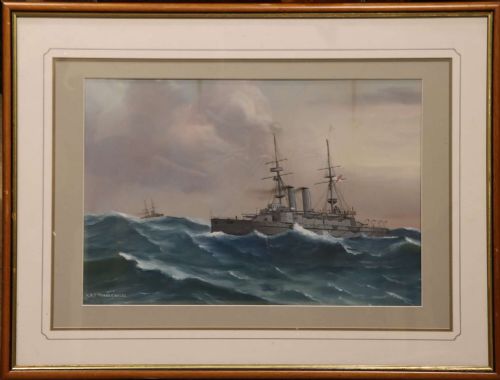
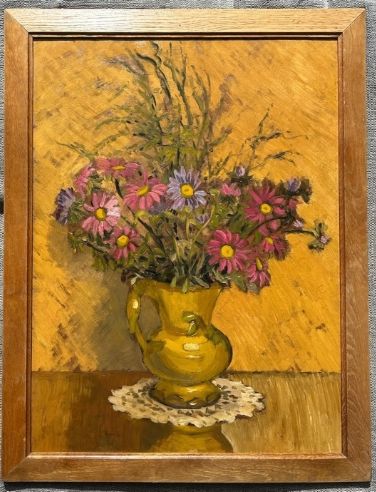
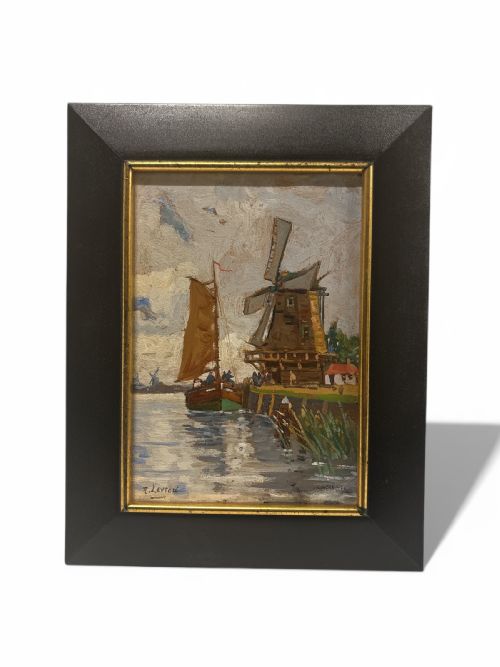


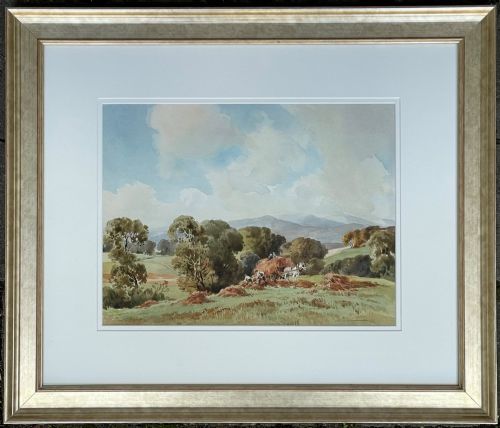
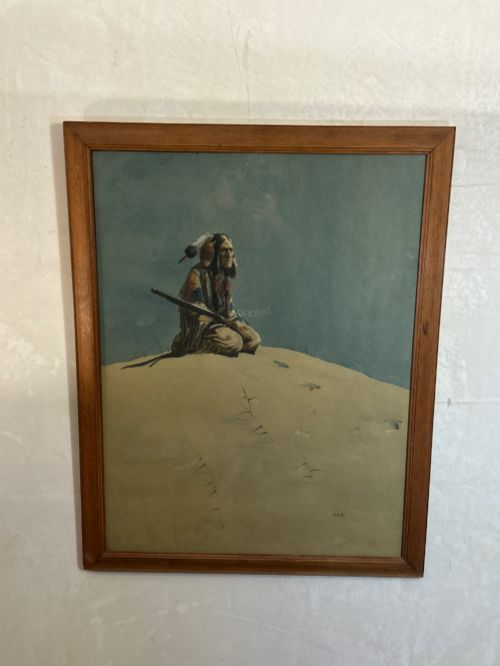
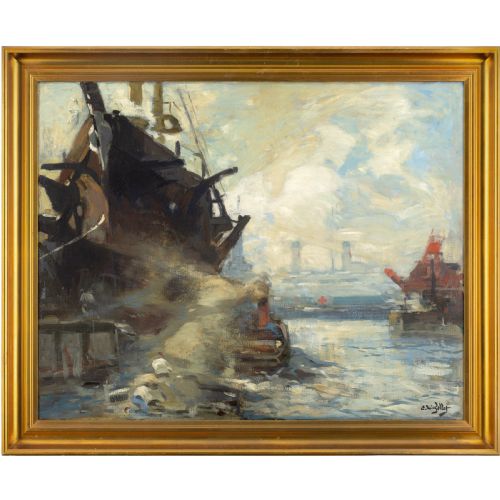
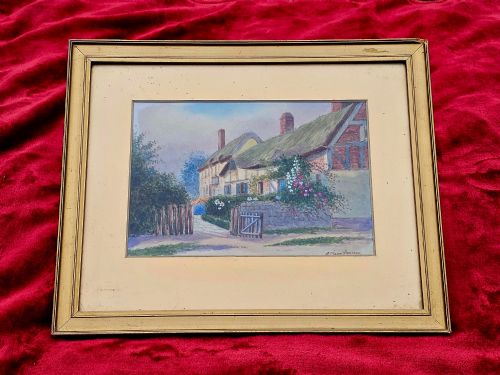
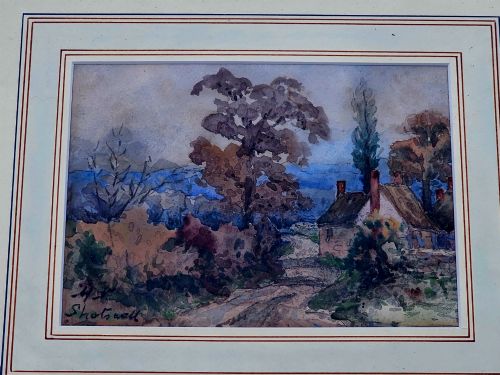
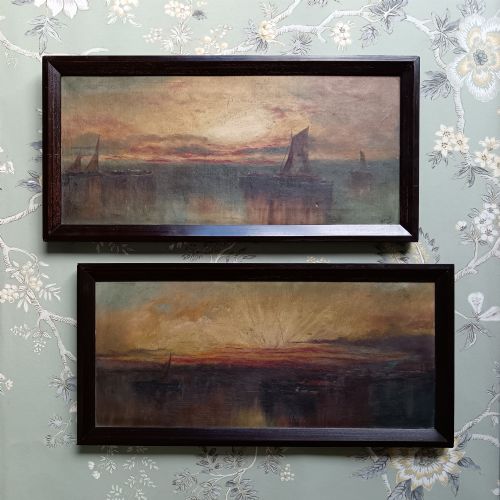
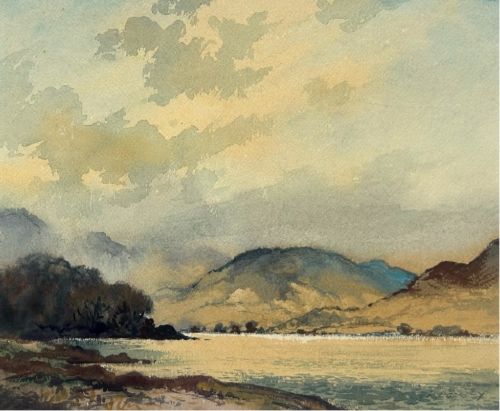
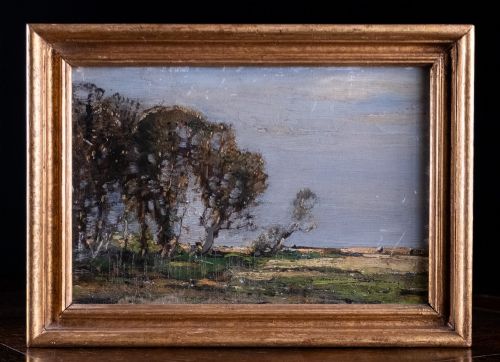
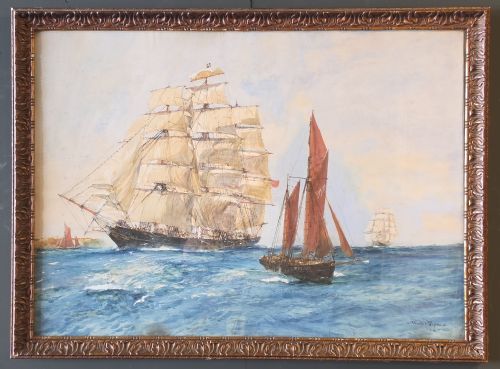
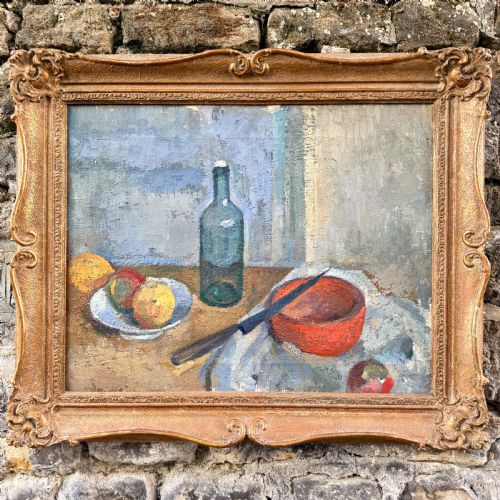
20th Century Framed Painting
When you search for a 20th century framed painting, you encounter a diverse record of artistic expression spanning landscapes, maritime scenes, and portraits.
How They Were Made
Artists of this era applied oil paint, watercolour, gouache, or pastel onto prepared supports such as canvas, wood board, thick card, and heavy paper. Oil formulations provided rich texture and depth, particularly on wood panels and woven canvas.
Watercolour and gouache techniques relied on fluid washes and precise pigment placement on paper sheets, often protected behind glass. Pastels captured soft transitions in atmospheric landscapes and intimate portraits.
Framing materials varied from traditional carved wood to gilt mouldings and burr surrounds, providing structural support and visual definition for the artwork within.
What Varies In Quality
The distinction between standard works and master examples lies in the assuredness of the brushwork and the management of light and atmosphere. Superior pieces demonstrate confident handling of medium, whether capturing the movement of water or the stillness of an interior.
Compositional balance and the harmony of the palette separate routine topographical records from compelling artistic statements. Stronger works reveal a deliberate command of tone that draws the viewer directly into the subject matter.
The integrity of the original mount and the sympathetic pairing of the artwork with its period frame influence the overall presentation. Evidence of an artist's distinct signature or documented exhibition history elevates the standing of individual pieces.
Listings feature works created across eight distinct decades, spanning from nineteen hundred to the nineteen sixties.
Kenneth Cozens·R Leyton·William H Myers·George Graham·Emily Eyres·Percy Lancaster·John Hassall·Eugène-Louis Gillot·A Marie Parsons·B Nash·Robert Leslie Howey·Kershaw Schofield·Charles Edward Dixon·George Houston·John E Aitken·Eric Tufnell·Robert Morson Hughes·Frank Watson Wood·Arthur Gué·Muriel Metcalfe·Bernard Gribble·F Corpuz·Clive Browne·Peter Brannan·Carl Felkel
The 20th Century Framed Painting Glossary
- Canvas
- A heavy woven fabric stretched across a wooden frame to serve as a support for oil painting. It provides a resilient surface that responds well to thick impasto and layered glazes.
- Watercolour
- A painting method where coloured pigments are suspended in a water-soluble vehicle on paper. This technique allows for luminous washes and delicate transparency.
- Impressionism
- An artistic approach emphasising the accurate depiction of light and its shifting qualities. Painters employing this style often use visible, unblended brushstrokes to capture a fleeting moment.
- Board
- A rigid flat panel, commonly wood or heavy pasteboard, used as an alternative to stretched canvas. It offers a stable, unyielding surface for direct application of paint.
- Gouache
- An opaque water-based paint medium that combines watercolour pigments with a binding agent. It dries to a matte finish, allowing for bold blocks of solid colour.
20th Century Framed Painting: Frequently Asked Questions
How do I identify the date of a painting?
Examine the stylistic markers, materials, and framing conventions associated with specific decades of the twentieth century. Signatures, dates inscribed on the reverse, and artist biographies provide definitive chronological anchors.
Changes in pigment technology and the evolution of framing woods also help narrow down the period of creation.
What is the difference between oil and watercolour?
Oil paint utilises a slow-drying binder that allows artists to blend colours directly on the canvas and build thick textures. Watercolour employs water-soluble binders on paper, creating translucent washes that rely on the white paper underneath for brightness.
Oils are traditionally displayed without glass protection, whereas watercolours require framing behind glass to prevent moisture damage.
How should I display these paintings at home?
Position paintings away from direct sunlight and excessive humidity to preserve the stability of the canvas, paper, and wooden frames. Wall placement should consider eye level and adequate spacing to let each individual artwork command its own visual space.
Stable indoor temperatures prevent the expansion and contraction of wood panels and canvas supports.
What defines British Impressionism in these works?
British Impressionism translates continental plein-air techniques into the softer light and distinct topography of the British landscape. Artists focused on transient weather effects, coastal havens, and rural pastures with visible, expressive brushwork.
This movement captures everyday domestic and natural scenes with an emphasis on atmospheric mood over strict academic detail.