

19th Century Yew Chairs
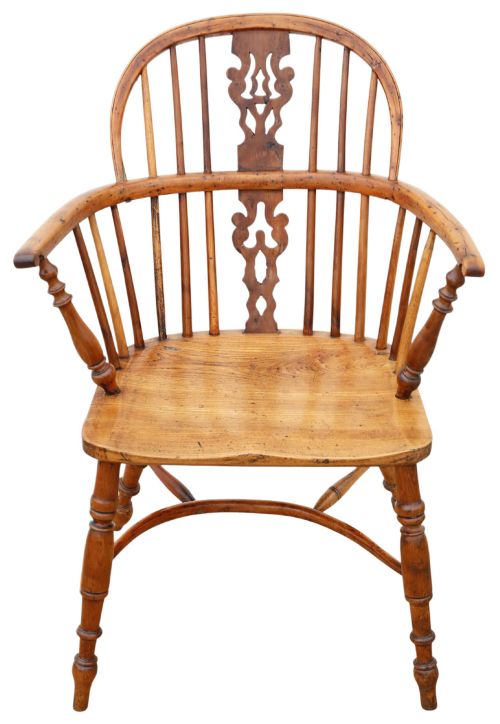
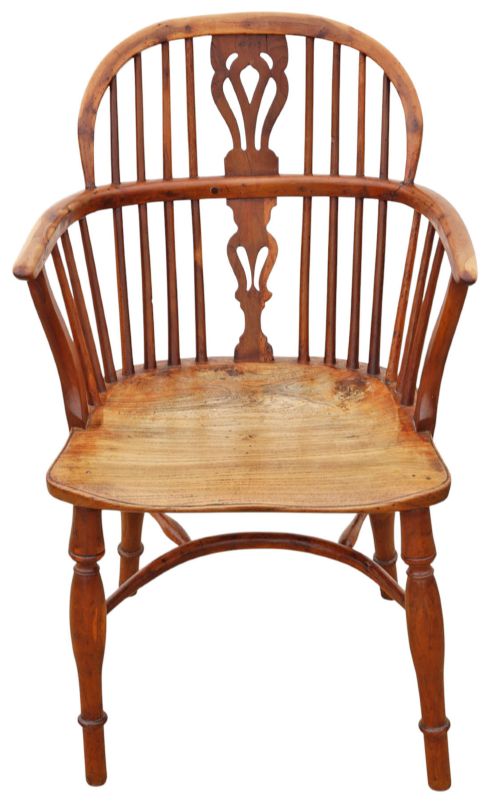
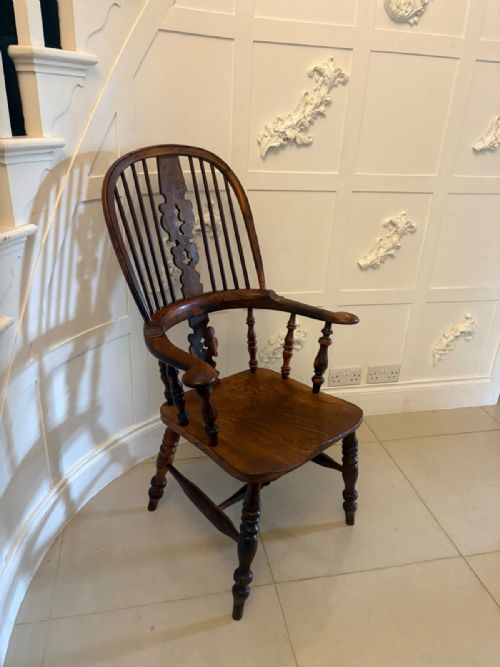
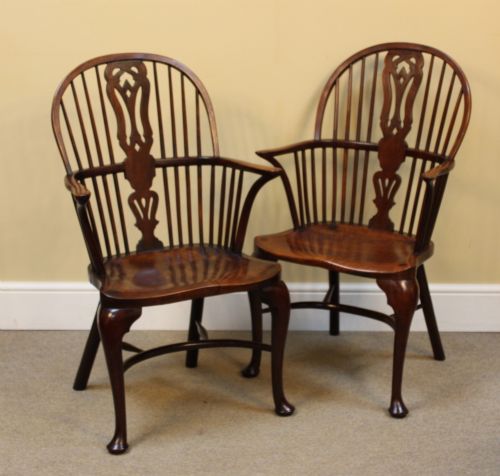
These 19th century yew chairs bring together English country vernacular craftsmanship and striking timber figures to anchor a room.
19th Century Yew Chairs
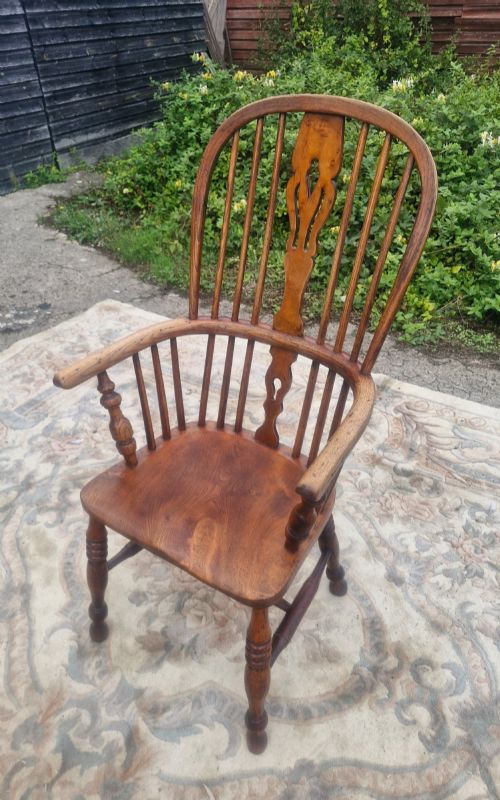
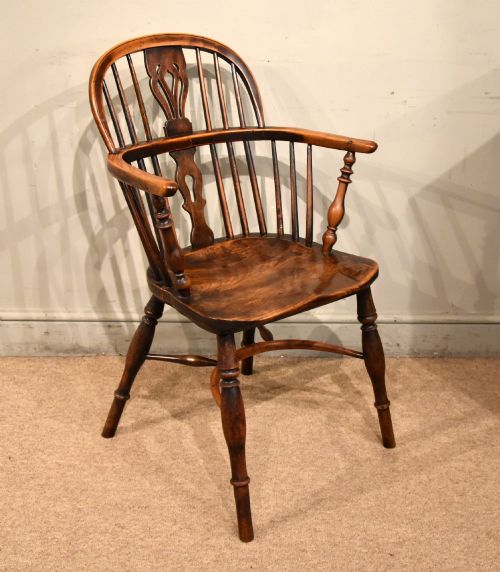
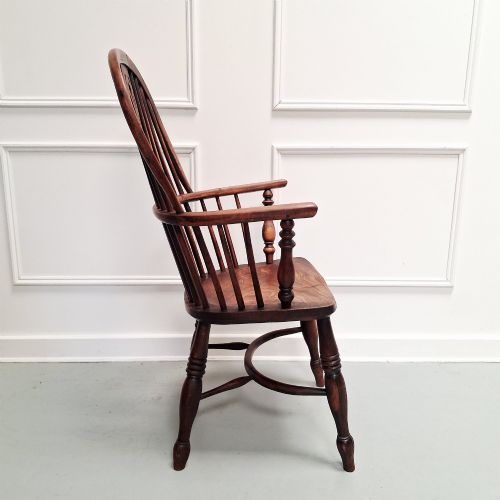
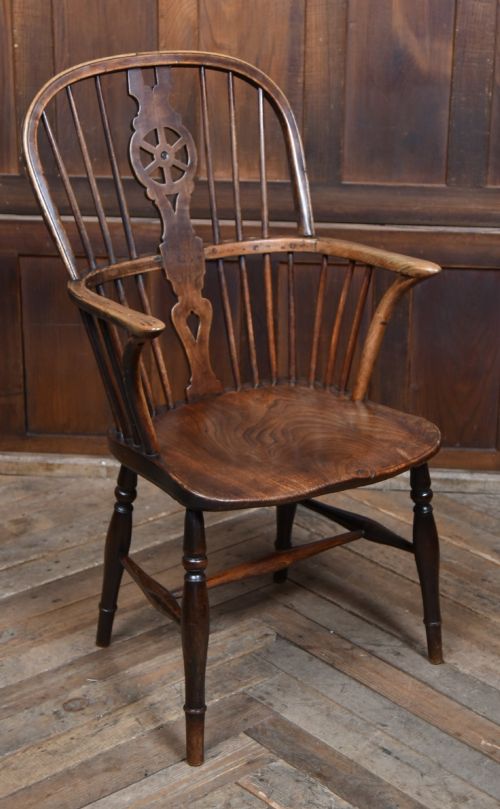
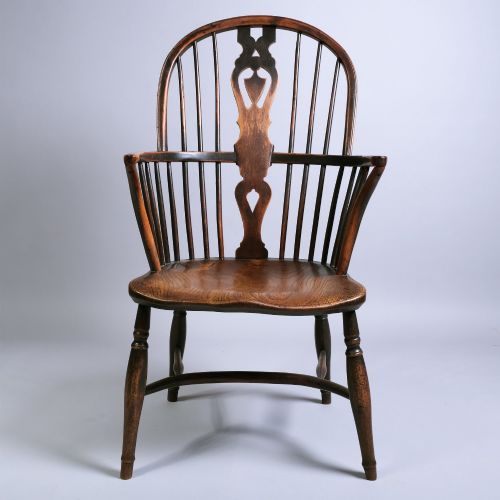
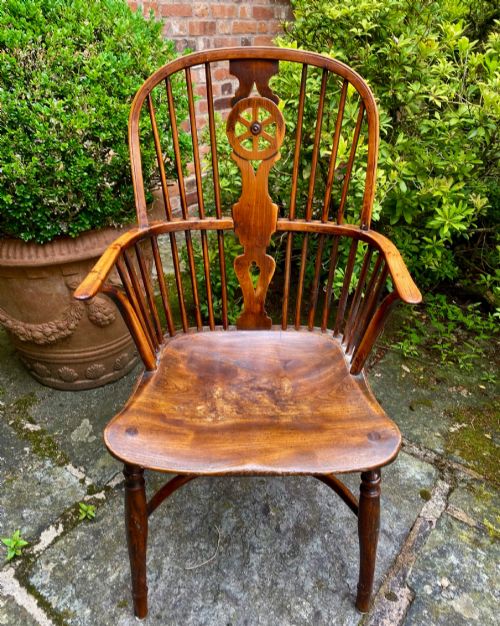
When searching for 19th century yew chairs, collectors encounter robust seating rooted in English country traditions, predominantly taking the form of Windsor armchairs, carvers, and regional variants. These pieces span the Georgian, Victorian, and wider nineteenth-century periods, capturing an era of skilled domestic furniture production.
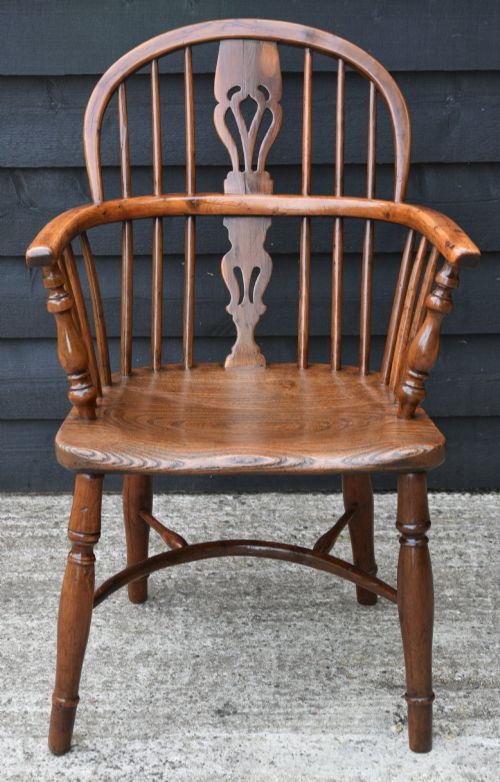
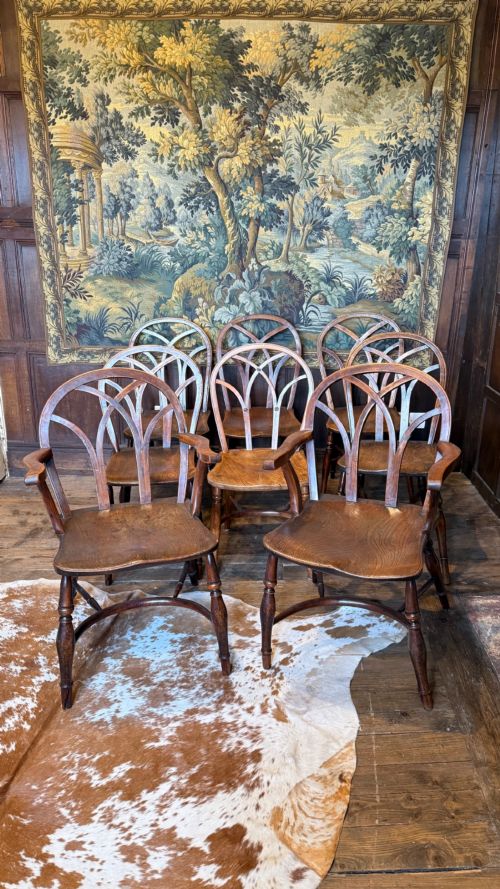
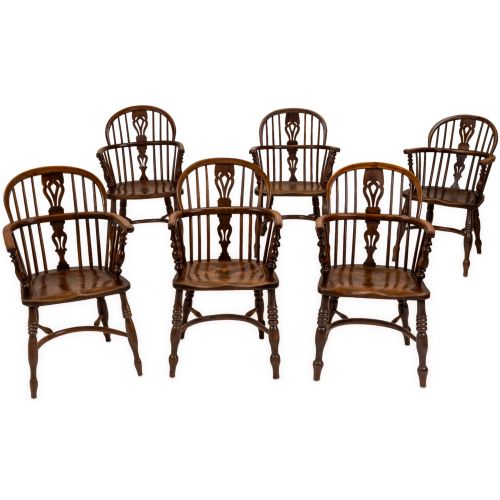
The most common iterations met on this page are Windsor armchairs featuring high backs, low backs, or wheel-backs, frequently paired with elm seats. Makers utilised local timber resources to build durable seating for domestic and country house interiors, producing single pieces, pairs, and matched sets of up to eight.
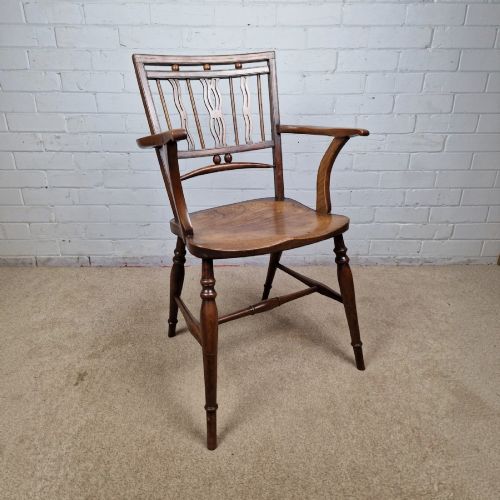
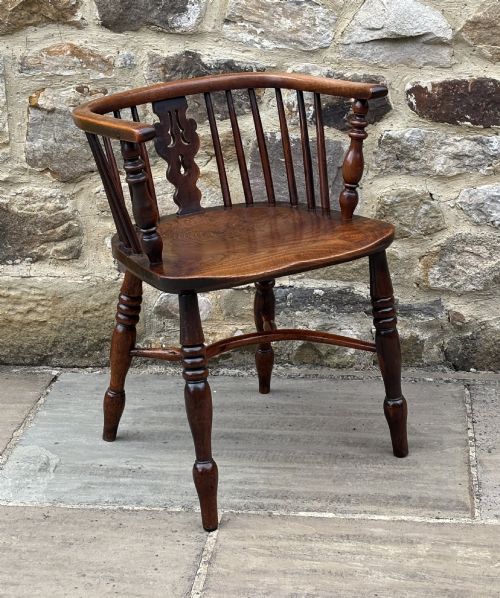
Regional forms dominate the selection, including Mendlesham chairs, Yorkshire broadarm chairs, and Nottinghamshire armchairs alongside standard hoop-back and comb-back designs. Buyers also encounter occasional child's Windsor armchairs and rocking chairs shaped from the same regional timber traditions.
Materials and Construction
Cabinet makers and bodgers constructed these chairs by combining contrasting native timbers, pairing yew wood for its rich grain and flex with elm for solid, carved seats. Additional structural elements incorporated ash, beech, fruitwood, and oak for spindles, legs, and bows.
Construction relied on stick-back and Windsor techniques, securing turned spindles and bentwood hoops directly into solid plank seats using traditional joinery methods. Crinoline stretchers frequently reinforced the undercarriage between turned legs to provide additional stability.
Listings feature timbers including yew, elm, ash, beech, fruitwood, and oak across the 18th, 19th, and Victorian periods.
Distinctions in Quality
Quality in these country chairs separates pieces by the intensity and figure of the timber, particularly where burr yew displays complex patterns across the arms and backsplats. Superior examples exhibit balanced proportions and well-turned spindles that reflect careful regional craftsmanship.
The depth of the surface finish and timeworn patination distinguish finer examples from standard utility seating, showing decades of handling and care. Matched sets with uniform timber selection and consistent regional characteristics command greater interest among collectors than assembled groups.
J SPENCER
The 19th Century Yew Chairs Glossary
- Windsor chair
- A chair built with a solid wooden seat into which the back and legs are separately dowelled or wedged. These chairs rely on a heavy saddle-shaped seat for comfort and stability.
- Crinoline stretcher
- A bent metal or wooden rail connecting the legs of a chair in a continuous curve beneath the seat. This reinforcement prevents the legs from wobbling under lateral stress.
- Broadarm
- An armchair featuring wide, flat wooden armrests often shaped from a single piece of timber. These arms provide an expanded surface area characteristic of specific regional styles.
- Mendlesham chair
- A distinct regional armchair style originating in Suffolk, typically featuring an inlaid backsplat and distinct crafting traditions. They stand out among standard country windsors for their refined urban influence.
- Patina
- The surface sheen and colour acquired by wood over decades of exposure to light, air, and human touch. A desirable patina reveals the underlying grain without obscuring the history of the piece.
19th Century Yew Chairs: Frequently Asked Questions
How do I care for antique yew furniture?
Keep wooden chairs away from direct heat sources and sudden humidity changes to prevent the timber from splitting or warping.
Apply traditional beeswax occasionally to nourish the grain and preserve the surface patina without building up heavy chemical layers.
What makes a high back Windsor different?
High back Windsor chairs extend higher behind the seated person, often incorporating central splats, wheel carvings, or Gothic tracery.
This elevated design offered greater support and presence in domestic interiors compared to low back or Yorkshire broadarm alternatives.
Are matched sets difficult to find?
Assembled groups and matched sets of four, six, or eight chairs appear less frequently than single armchairs or pairs.
Because country chairs were made individually or in small regional workshops, finding multiple chairs with identical timber and turning takes patience.