
19th Century Wool Carpet
A 19th century wool carpet brings dense regional designs, hand-spun materials and natural dyes directly into your living space.
19th Century Wool Carpet
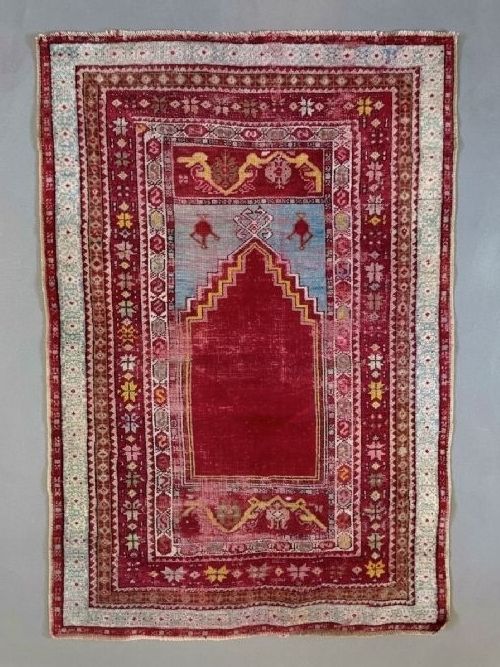
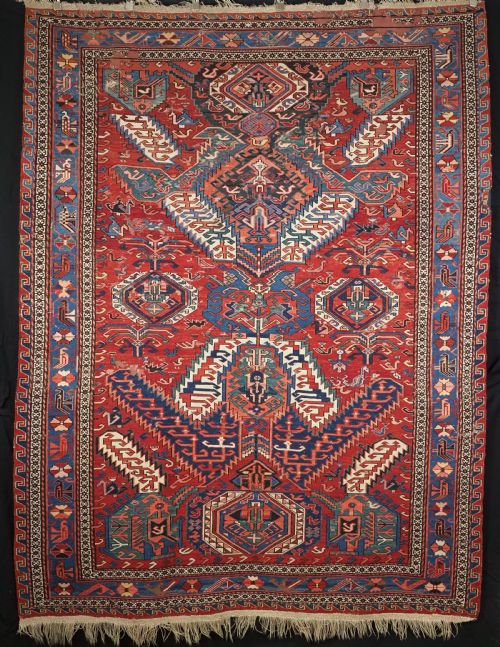
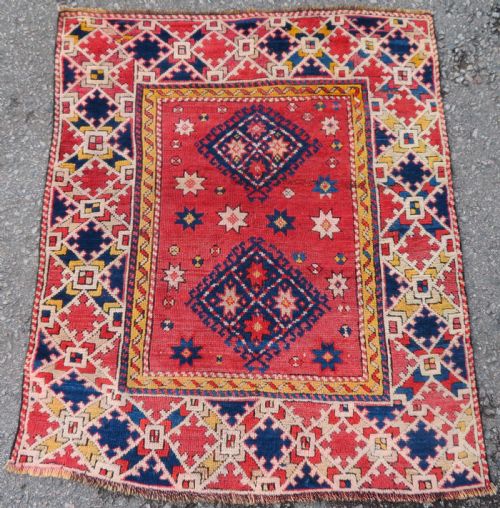
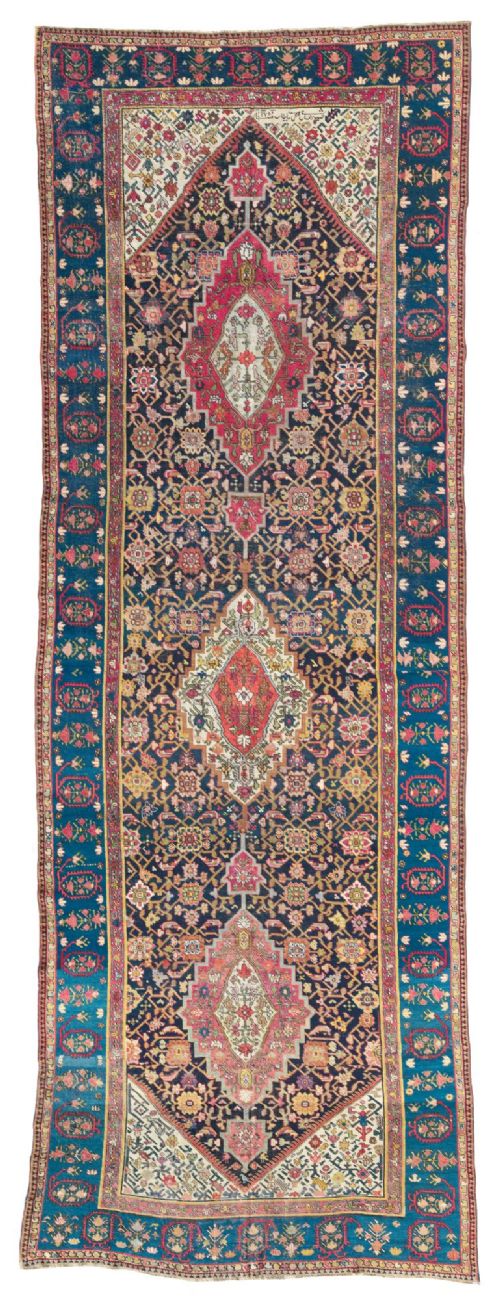
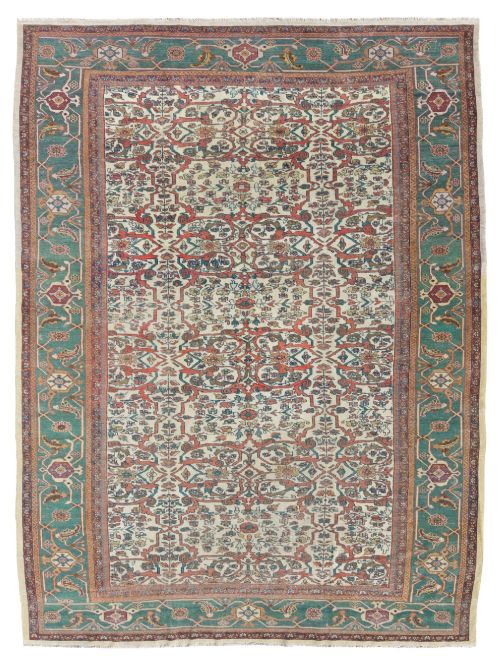
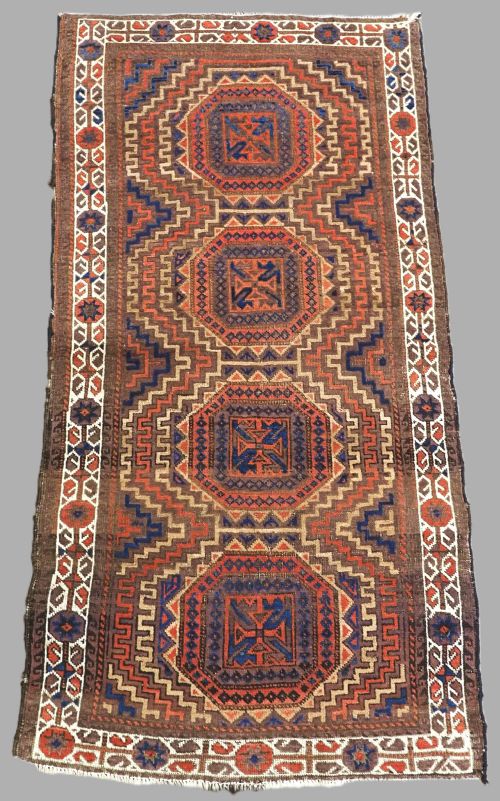
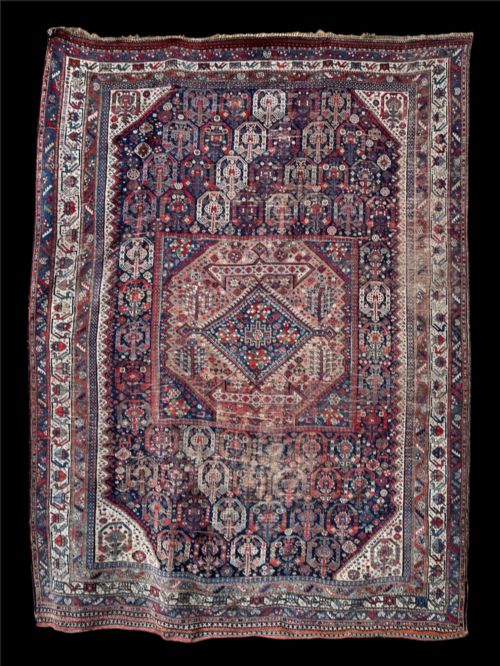
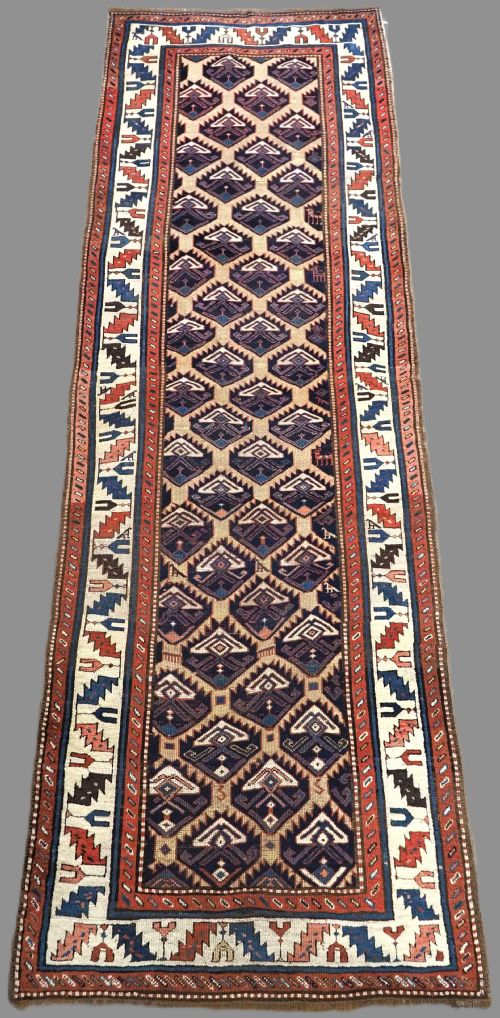
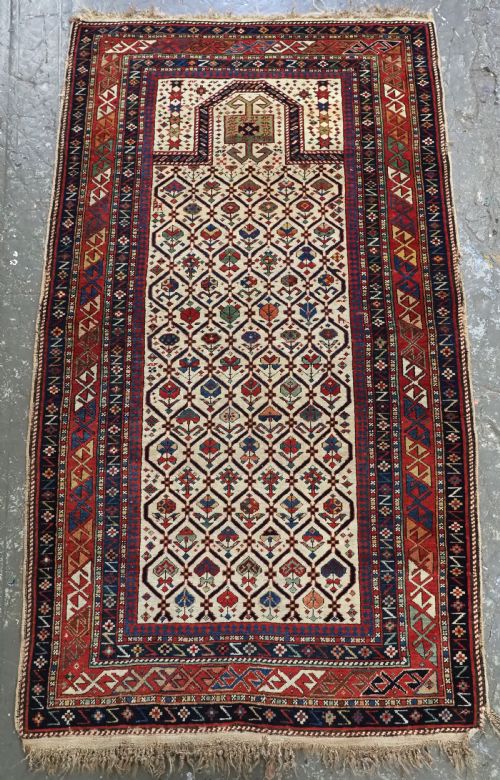
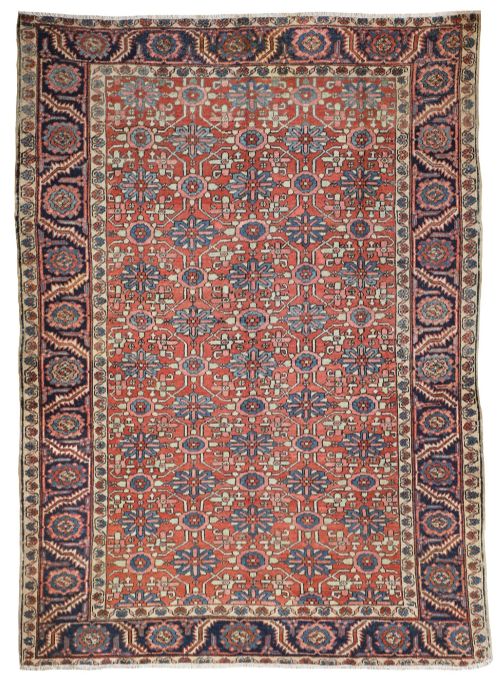
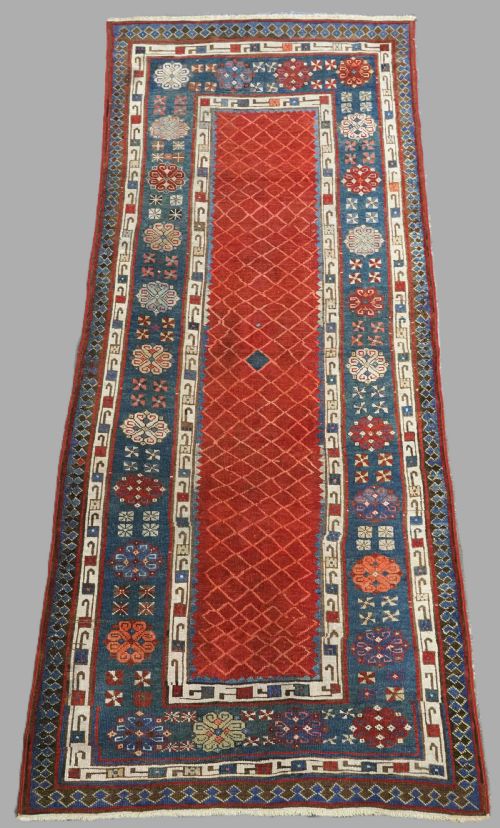
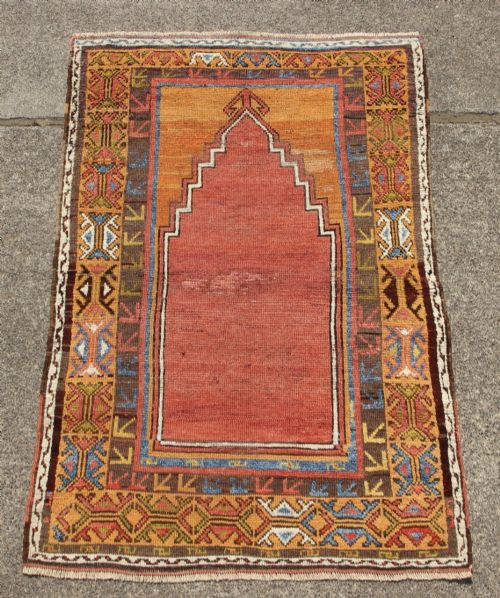
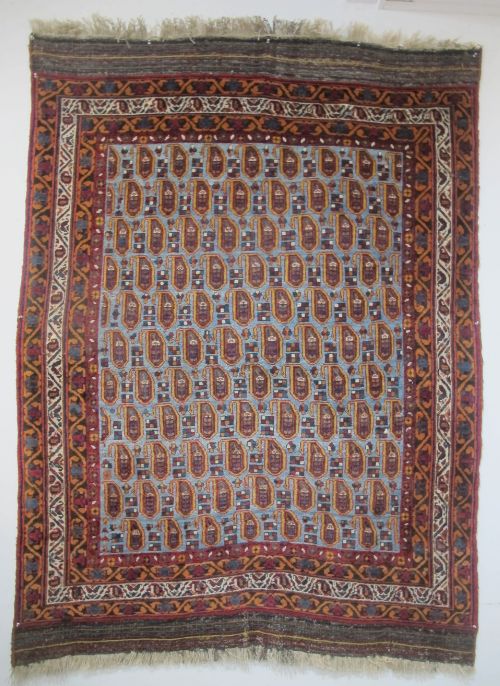
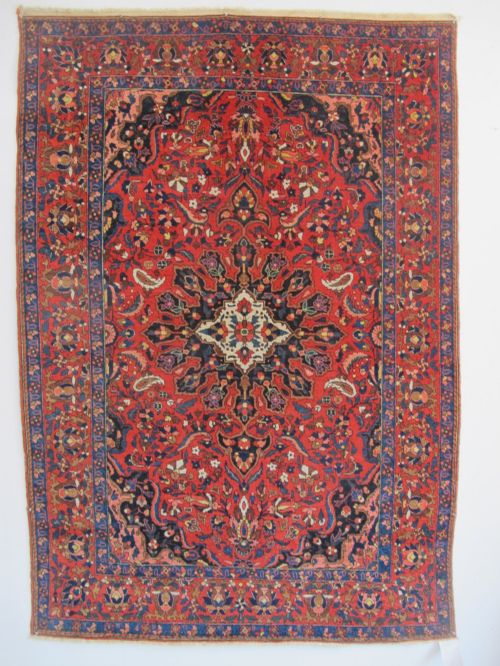
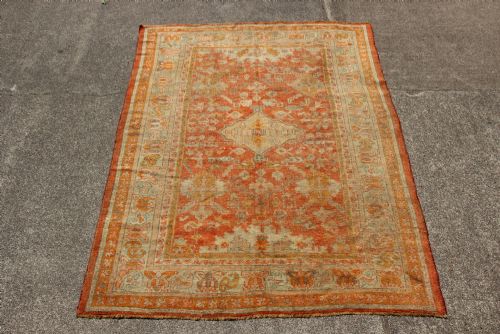
A 19th century wool carpet represents woven textile traditions from Persian, Caucasian, Anatolian, and Turkmen regions, dating across the 1800s and early 1900s. These floor coverings and tribal textiles range from large room-size carpets to smaller prayer rugs, runners, and bagfaces.
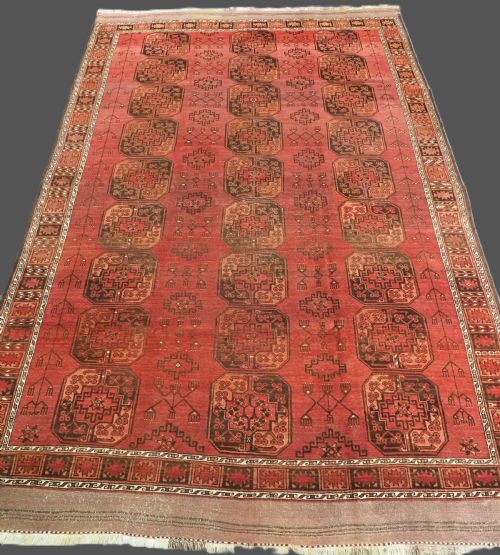
You will most frequently encounter regional styles such as Heriz, Sultanabad, Kazak, and various Turkmen tribal weaves on this page. Each piece reflects the specific geometric motifs, lattice patterns, or prayer niches characteristic of its weaving community.
How they were made
Weavers constructed these pieces using hand-spun wool and cotton foundations, utilising hand-knotting techniques passed down through generations. Natural dyes provided the deep and varied palette seen across these traditional textiles.
Carpets and rugs were produced in local workshops or tribal camps, resulting in structural integrity that allowed these heavy textiles to endure for well over a century.
Current listings feature pieces spanning the period from 1850 to 1910, originating from Persian, Caucasian, Anatolian, and Turkmen traditions.
What varies in quality
The finesse of the knotting and the complexity of the design separate standard utility weaves from finer workshop and tribal productions. Tighter construction and more intricate geometric or floral lattice work indicate superior artisan skill.
The clarity and saturation of the natural dyes significantly influence the visual depth of the textile. Pieces retaining vibrant, well-balanced colour distribution from natural dye sources stand apart from duller examples.
The 19th Century Wool Carpet Glossary
- Prayer rug
- A small textile featuring a mihrab or arch design indicating the direction of prayer, traditionally used for personal devotion.
- Gul
- A primary medallion motif often found repeated in Turkmen and Central Asian tribal carpets.
- Runner
- A long, narrow carpet format typically utilised in hallways or corridors.
- Kelleh
- A large format rectangular carpet, longer than it is wide, common in Persian weaving.
- Torba
- A small Turkmen bag face or storage sack, woven with detailed geometric patterns for domestic utility.
19th Century Wool Carpet: Frequently Asked Questions
How do I clean a vintage wool rug?
Gentle surface vacuuming without a beater bar removes loose dirt from the wool fibres without damaging the foundation.
Professional specialist cleaning remains essential for addressing deeper soil or spills safely on natural dyed textiles.
Can I place these carpets in high traffic areas?
Sturdy hand-spun wool construction allows many of these nineteenth-century pieces to withstand moderate daily foot traffic in living spaces.
Placing a quality rug underlay beneath the textile prevents slipping and reduces fibre wear over time.
What is the difference between a village rug and a workshop carpet?
Village and tribal rugs typically display bolder, memory-driven geometric designs created within domestic settings.
Workshop carpets often exhibit more symmetrical, refined floral lattice patterns planned on formal looms.
How do I identify a Caucasian rug?
Caucasian pieces frequently feature sharp geometric medallions, hooked polygons, and strong primary colours.
Regions such as Karabagh, Kazak, and Dagestan produce these distinct structural and visual characteristics.