

19th Century Wood Inlay
These pieces of 19th century wood inlay bring tactile warmth to a room through meticulous craft.
19th Century Wood Inlay
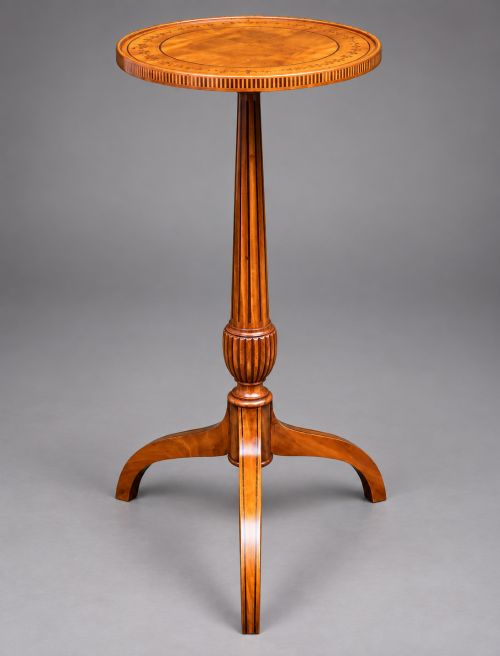
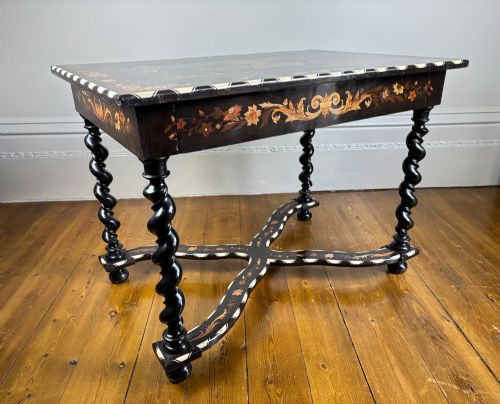
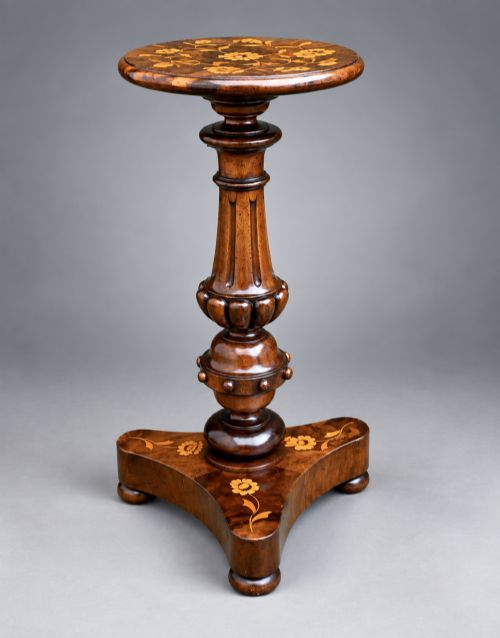
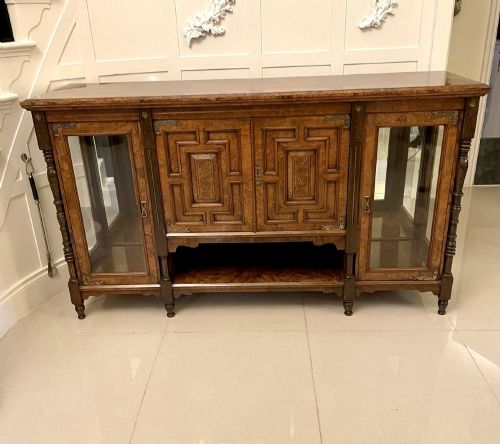
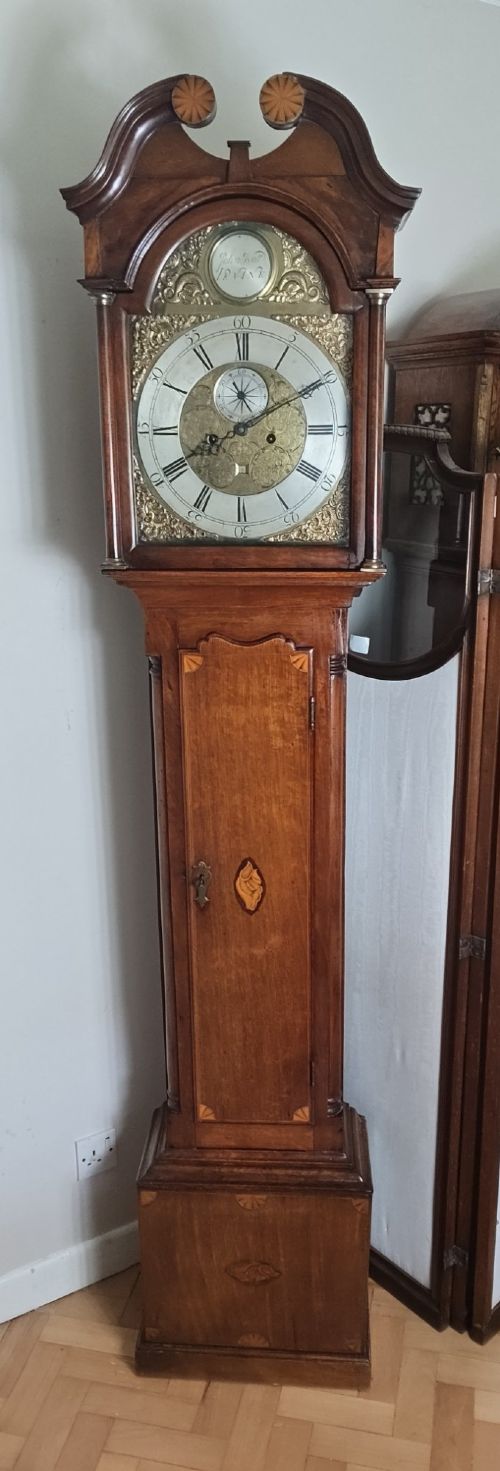
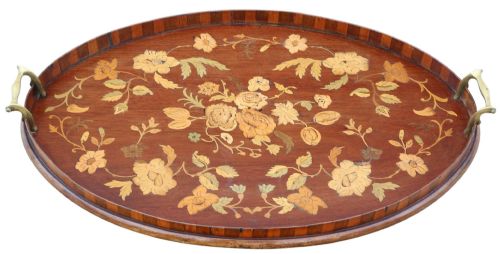
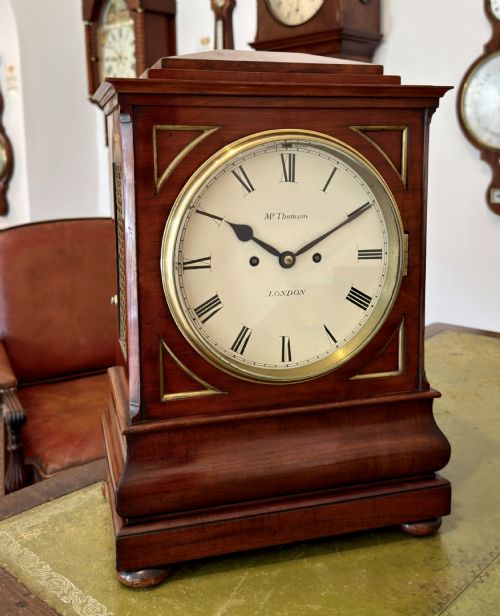
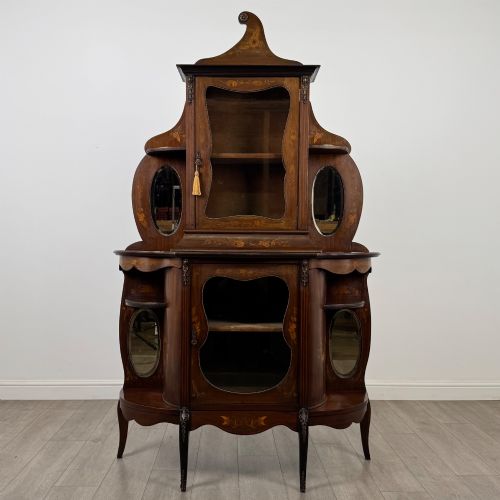
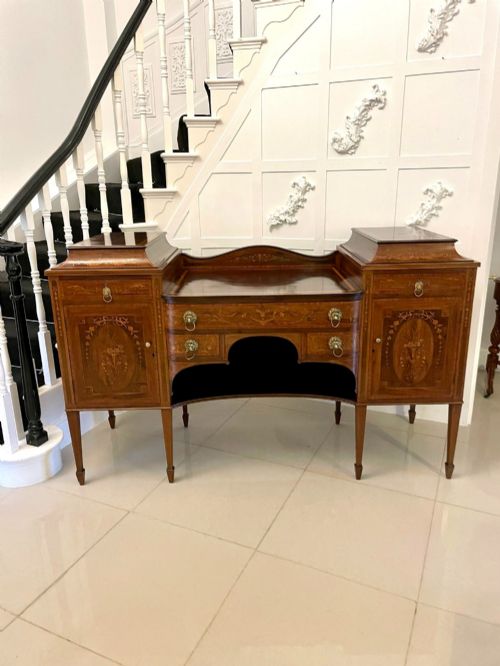
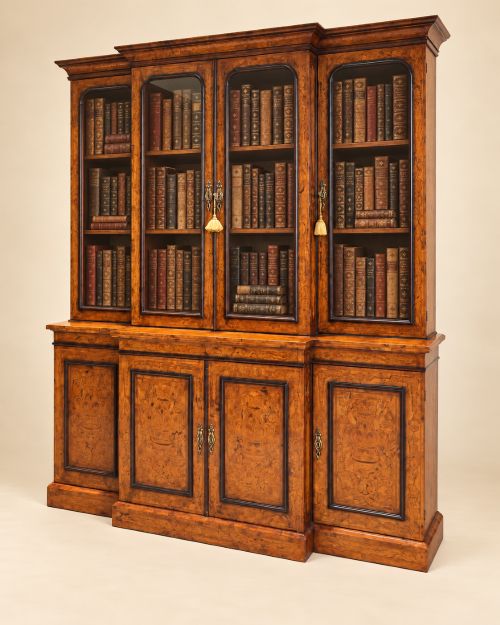
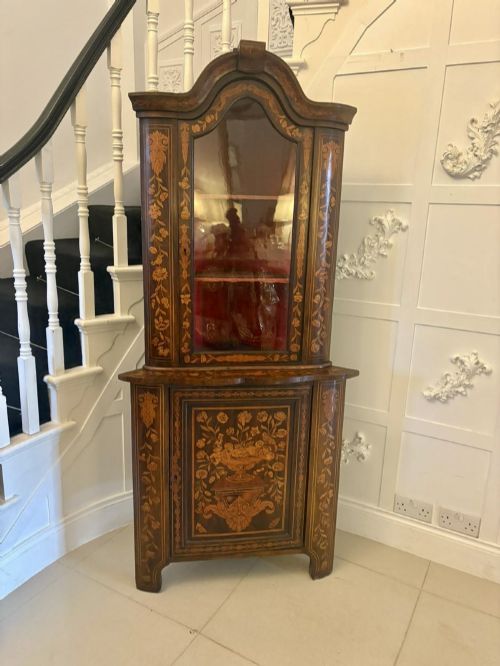
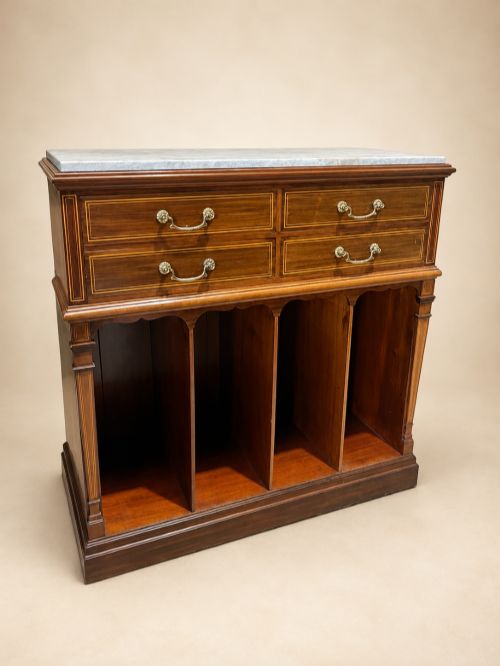
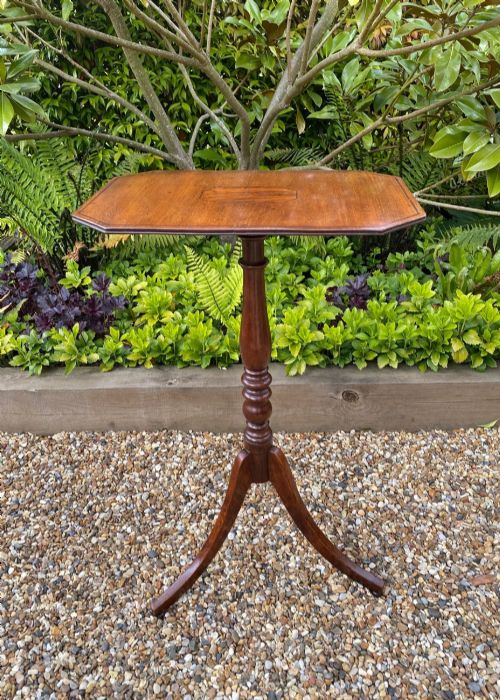
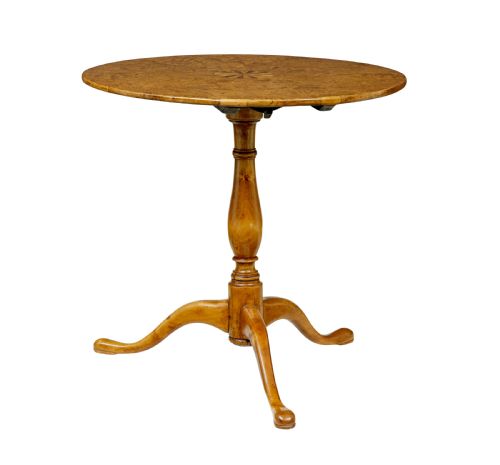
When you search for 19th century wood inlay, you encounter an array of furniture and decorative objects adorned with contrasting timbers and materials. The selection spans utilitarian storage and refined display items, from small boxes to large cabinets and tables.
Mahogany and rosewood provide the primary foundations in many pieces, often embellished with satinwood, ebony, or brass elements. The forms range from Regency card tables and Victorian cabinets to Dutch marquetry corner cabinets and French vitrines.
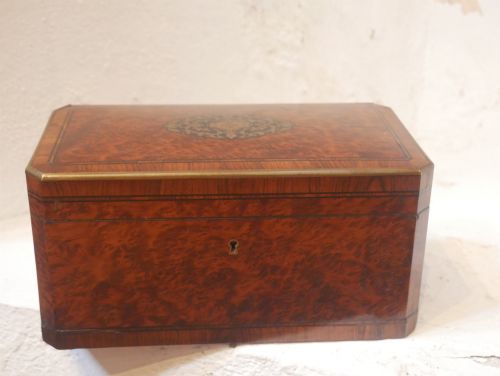
Smaller decorative objects appear frequently, including jewellery boxes, work boxes, and writing slopes. These smaller pieces often display intricate geometric or floral patterns executed with remarkable precision.
Materials and construction methods
Craftsmen built the underlying carcases using durable native and exotic timbers such as mahogany, walnut, and rosewood. Veneers and solid sections received careful shaping before artisans embedded contrasting woods into prepared recesses.
Inlay techniques varied between linear stringing, brass bandings, and pictorial marquetry assemblies. Mother of pearl, bone, and pewter occasionally supplemented the timber palette to add luminance and tonal variety.
Surface finishing relied on traditional polishing methods that enhanced the grain patterns of both the background timber and the inserted decorative motifs. Joinery standards matched the visual complexity, employing dovetails and secure framing to ensure longevity.
Smokers enjoyed dedicated cupboards complete with specialised interior fittings for their pipes and tobacco.
Distinctions in quality
The refinement of the cutting and the tightness of the joints determine the success of the decorative surface. Superior examples demonstrate seamless integration between the inlay and the surrounding wood without visible gaps or excessive filler.
Choice of timbers significantly impacts the overall merit of an item, with figured grains like flame mahogany, burr walnut, and amboyna elevating the piece. The complexity of the design and the balance of the composition also separate standard production from master craftsmanship.
Tahan Paris·Hewetsons London·Maison Krieger
The 19th Century Wood Inlay Glossary
- Marquetry
- The practice of creating a decorative picture or pattern by fitting together veneer pieces on a solid background. This technique allows for complex pictorial scenes and floral displays.
- Parquetry
- Geometric mosaic work made from wood veneer arranged in repeating patterns such as cubes or chevrons. It frequently covers tabletops and commode fronts.
- Paterae
- Small circular or oval decorative motifs carved or inlaid with radial patterns. They commonly appear on neoclassical furniture and clock faces.
- Stringing
- Thin lines of contrasting wood or light-coloured inlay used to outline drawers, panels, and tabletops. It provides a crisp border and defines structural edges.
19th Century Wood Inlay: Frequently Asked Questions
How do I clean 19th century wood inlay?
Dust surfaces gently with a soft, dry cloth to prevent the accumulation of grit in the crevices around the inlay.
Avoid liquid cleaners and excessive moisture, which can loosen delicate veneers and lift traditional polishes.
Can I use an inlaid table daily?
These items serve well for normal daily use provided you protect the polished surfaces from heat and moisture.
Utilising coasters and placemats preserves the delicate timbers and prevents scratching on the decorative top.
How do I spot replacement veneer?
Examine the timber under a strong light to check for discrepancies in grain continuity and colour matching across repaired sections.
Original work shows uniform ageing and wear consistent with the age of the piece.