

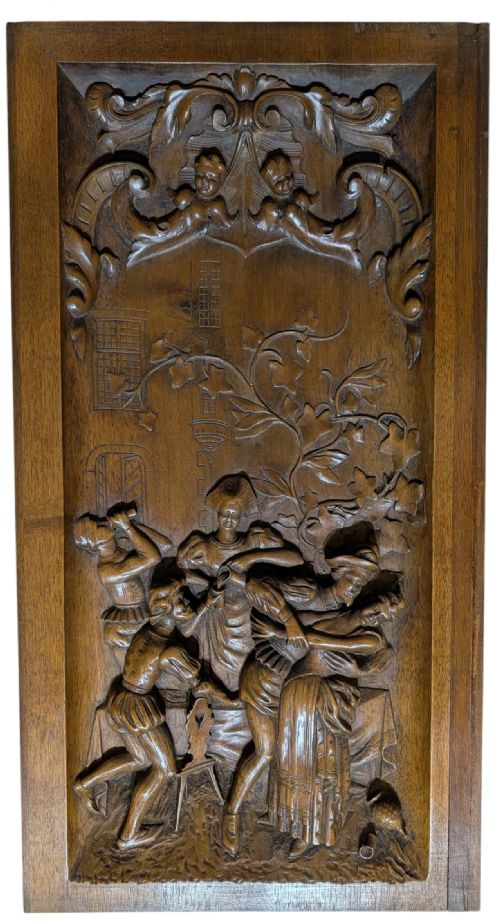


Victorian Wooden Wall Plaque
A victorian wooden wall plaque brings solid architectural presence and intricate relief carving into a room, making it an ideal focal point for period interiors.
Victorian Wooden Wall Plaque
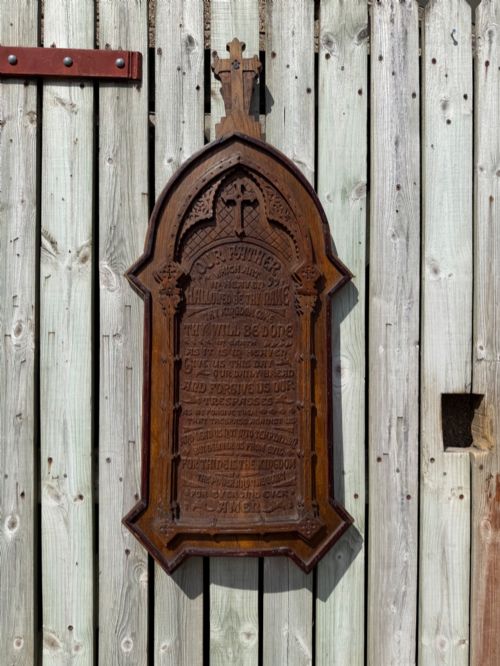
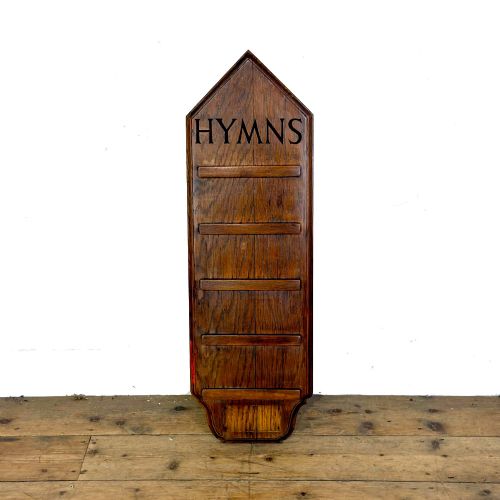
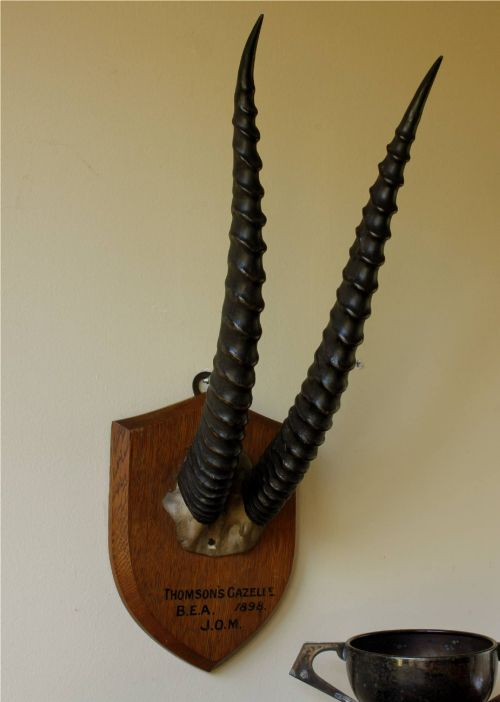
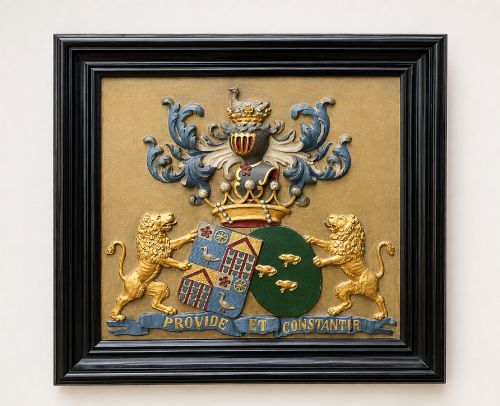
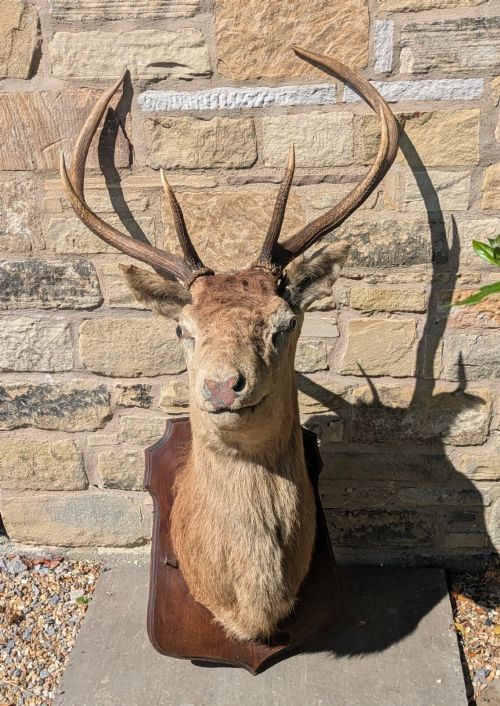
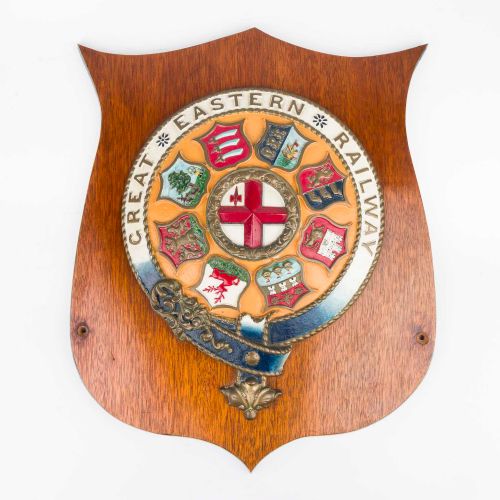
A victorian wooden wall plaque encompasses architectural salvage, heraldic crests, carved panels, and taxidermy trophies designed to hang on interior walls. These pieces emerge from the nineteenth century, carrying the decorative weight of Victorian, Gothic Revival, and Black Forest design traditions.
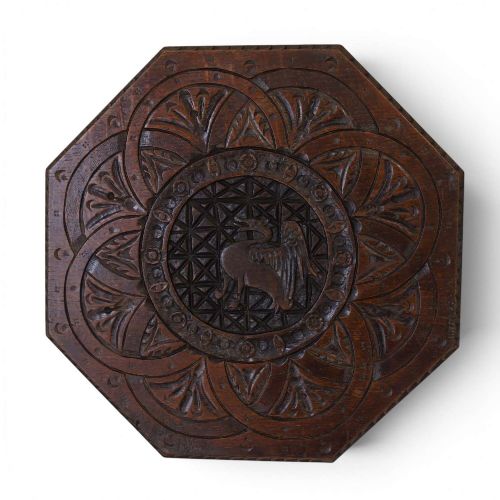
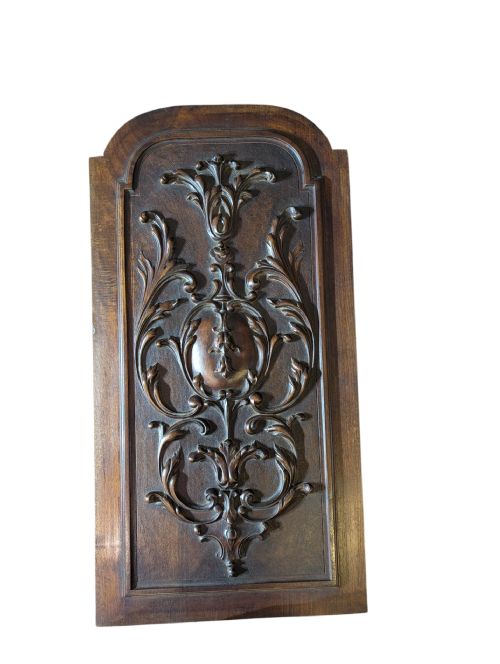
The selections on this page lean heavily towards carved oak, walnut, and mahogany panels, alongside railway and corporate emblems mounted on wood. Buyers frequently encounter deeply carved animal trophies, religious texts, and portrait plaques originating from British, continental, and colonial workshops of the period.
Materials and construction methods
Wood selection defines these pieces, with dense hardwoods like oak, walnut, and mahogany chosen for their ability to hold crisp, deep relief carving over generations. Workshops utilised hand chisels and gouges to shape panels, shields, and animal forms, sometimes combining fruitwood inlays or applying gold leaf highlights to enhance the dimensional effect.
Assembly methods reflect nineteenth-century joinery, incorporating tongue-and-groove boards, pegged mortise and tenon joints, or solid timber planks reinforced with rear battens. Painted elements, silver-plating, and glass components occasionally integrate into railway signs, mirrors, and memorial plaques alongside taxidermy mounts.
Recorded forms include heraldic marriage plaques, locksmith signs, half-hull ship models, and carved portrait roundels from British and continental workshops.
Distinctions in quality and execution
The structural integrity of the timber and the originality of the mounting surface dictate overall desirability. Pieces retaining their original finish, uncompromised by modern stripping or over-restoration, hold greater historical and visual cohesion.
Peter Spicer And Sons·W Grey And Co
The Victorian Wooden Wall Plaque Glossary
- Relief carving
- A sculptural technique where figures or patterns project from a flat background timber surface. High relief elements stand almost entirely free of the base panel.
- Black Forest
- A nineteenth-century style of intricate wood carving originating from the mountainous region of Germany and Switzerland, celebrated for naturalistic animal trophies and foliage.
- Gothic Revival
- An architectural and decorative style drawing inspiration from medieval design, featuring pointed arches, tracery, and heavy carved oak components.
- Tunbridge Ware
- A type of decorative woodwork characterised by intricate mosaic veneers built from thousands of tiny tinted wood blocks to form geometric or pictorial scenes.
- Taxidermy trophy
- The preserved head, horns, or mask of an animal mounted onto a carved wooden shield or plaque for display.
Victorian Wooden Wall Plaque: Frequently Asked Questions
How do I hang a heavy wooden wall plaque safely?
Heavy carved panels and taxidermy shields require secure attachment directly into wall studs or the use of heavy-duty masonry fixings where appropriate. The weight of dense oak or mahogany demands robust picture wire or integrated metal brackets fastened firmly to the rear battens.
Ensuring the hanging hardware matches the substantial weight of nineteenth-century timber prevents structural strain on the wall and protects the plaque from accidental falls.
What is the difference between a wall panel and a plaque?
Wall panels generally originate as architectural elements, such as wainscoting or over-door decorations, designed to form part of a larger interior scheme. Plaques are usually self-contained decorative or commemorative objects created specifically for independent display on a wall.
While both share nineteenth-century carving techniques, panels often show joint marks from their original architectural context, whereas plaques feature finished edges and dedicated hanging points.
How should I clean antique carved wood?
Dust carved wooden surfaces gently with a soft, dry bristle brush to lift dirt from deep recesses without abrading the patina. Avoid using modern liquid polishes, silicone sprays, or damp cloths, which can penetrate unsealed wood and damage historic finishes.
Periodic application of a quality microcrystalline wax helps nourish older timber and protects the surface from atmospheric moisture fluctuations.
How do I identify Gothic Revival pieces?
Gothic Revival woodwork typically incorporates architectural motifs such as pointed arches, quatrefoils, tracery, and heraldic shields rendered in dark oak. These designs reflect nineteenth-century revivals of medieval aesthetics, often commissioned for libraries, ecclesiastical spaces, and formal dining rooms.
The presence of structured geometric framing alongside deep-relief religious or heraldic subjects points directly to this nineteenth-century design movement.