




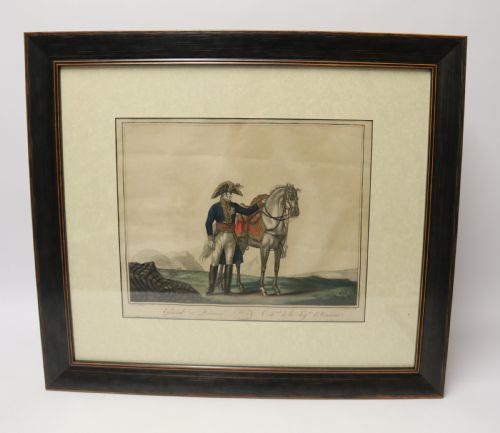


19th Century War Art
19th century war art spans dramatic battlefield canvases, intimate watercolours, and carved tribal weaponry that record a century of global conflict.
19th Century War Art
19th century war art covers a broad spectrum of visual and material culture, uniting traditional European military history painting with ethnographic weaponry from global campaigns. A buyer searching this phrase encounters everything from oil portraits of generals and meticulous watercolour battle scenes to bone prisoner-of-war items and Oceanic clubs.
The material on this page leans heavily into works on paper and canvas depicting specific European engagements, alongside hardwood and bone artefacts from colonial conflicts. These pieces capture the official and domestic records of warfare, moving between grand commemorative canvases and personal field drawings.
Materials and execution
Works on paper and canvas utilise traditional mediums including oil paint, watercolour, pigment, pen and ink, and graphite. Artists applied these to prepared canvas, wood panels, or various papers, often framing them in gilt wood or simpler mouldings.
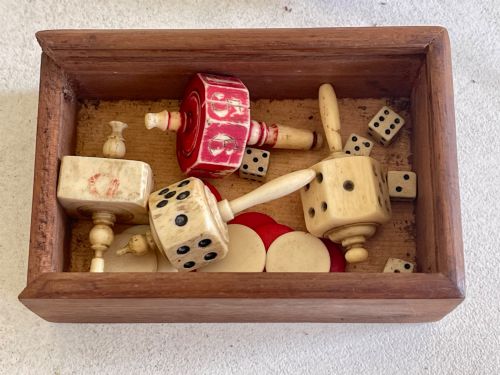
Three-dimensional objects rely on native hardwoods, bone, and straw work. Carved items such as knobkerries and tribal clubs demonstrate skilled woodworking, while prisoner-of-war pieces utilise bone and straw to create intricate decorative boxes, teetotums, and small personal accessories.
The material record encompasses carved hardwood weapons from Southern Africa alongside delicate bone items fashioned by captive soldiers.
Assessing quality and authenticity
Quality rests on the precision of execution, contemporary documentation, and the preservation of the medium. Fine art relies on the artist's ability to render anatomy, movement, and atmospheric detail accurately within the constraints of watercolour or oil.
For material culture and prisoner-of-war objects, superiority shows in the complexity of the carving and the integrity of the surviving materials. Pieces with clear provenance or direct association with documented campaigns command greater interest from collectors.
Ernest Crofts·Francis Russell Flint·George Cattermole·Samuel Owen·Theobald Chartran
The 19th Century War Art Glossary
- Knobkerrie
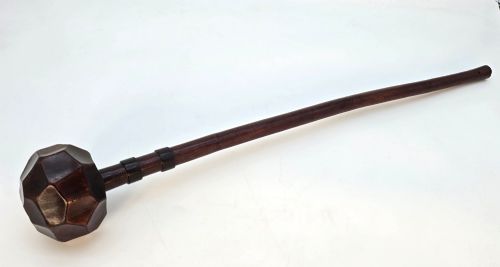
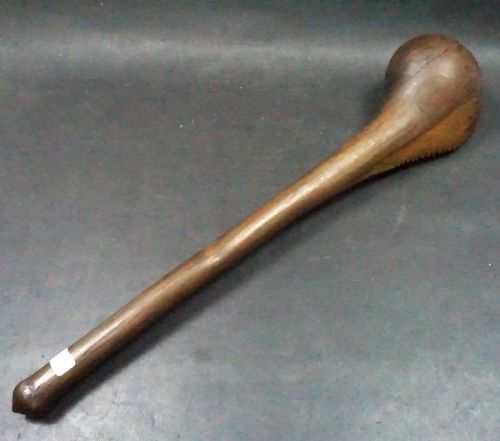
- A traditional wooden club or throwing weapon used across Southern Africa, typically featuring a heavy knob at the striking end. These items were utilised in both conflict and hunting.
- Reverse glass print
- An image painted or transferred directly onto the back of a piece of glass so that the final composition is viewed through the transparent pane. This technique protects the pigments from environmental damage.
- Ula drisia
- A specific type of throwing club originating from Fiji, characterised by a distinct bulbous head designed for accuracy in warfare. They are carved from dense tropical hardwoods.
- Lithograph
- A printmaking process based on the chemical repulsion of oil and water, allowing artists to produce multiple copies of a drawing on limestone or metal plates. These were widely used for illustrated military journals.
19th Century War Art: Frequently Asked Questions
What subjects do these paintings show?
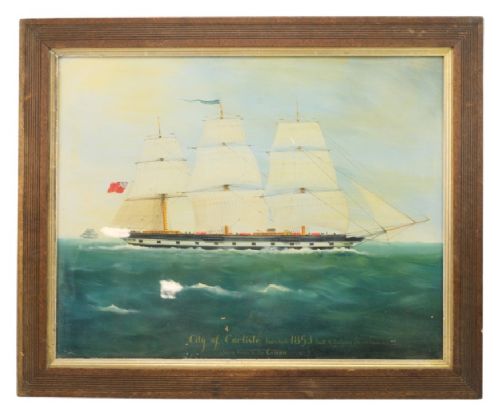
The paintings depict specific historical engagements, naval scenes, and military portraits from various European conflicts. They record events ranging from the Napoleonic Wars to the Crimean War and colonial campaigns.
Artists often focused on the dramatic movement of cavalry charges or the quiet moments of generals reading dispatches. These visual records combine academic history painting with eyewitness accounts.
How were tribal clubs used?
Oceanic and African clubs served as functional weapons in regional warfare and ceremonial contexts. They were carved from dense hardwoods to withstand heavy impact during engagement.
Collectors prize these items for their sculptural qualities and traditional craftsmanship. Each club reflects the specific cultural traditions of its region of origin.
What is prisoner-of-war art?
Prisoner-of-war art refers to decorative and utilitarian objects made by detained combatants during long periods of captivity. Craftsmen utilised available materials such as beef bone and straw to produce detailed boxes and games.
These items demonstrate remarkable ingenuity and patience under confinement. They provide an intimate record of personal craftsmanship distinct from official military art.
How do I date a paper drawing?
Dating works on paper involves examining the watermark, paper composition, and the style of the medium. Pen and ink or graphite drawings often carry period signatures or handwritten inscriptions that help anchor their timeline.
Stylistic cues within the uniform details and weaponry depicted also offer clues to the specific decade of production. Comparative analysis with dated archival sketches confirms the period.