
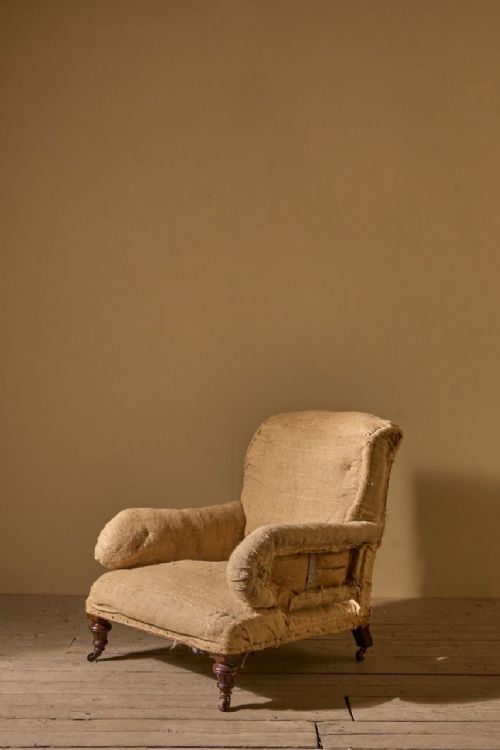
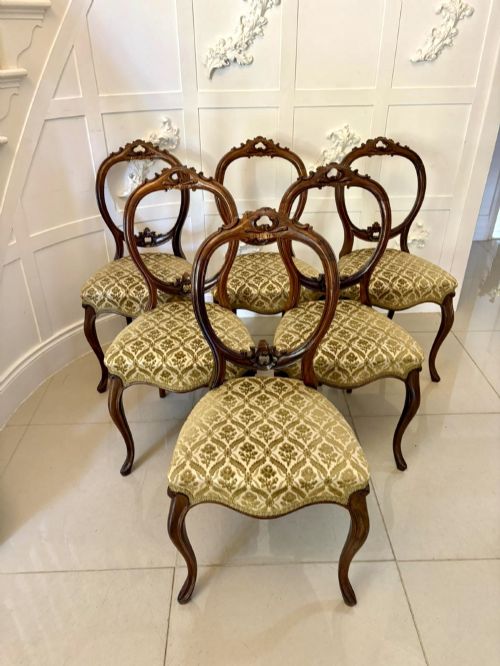
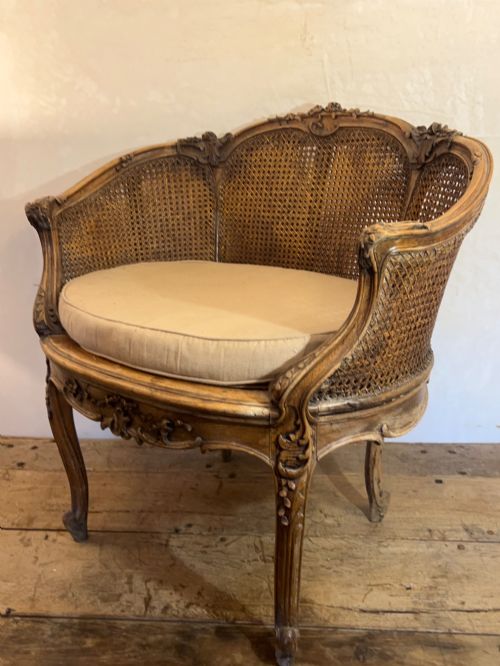
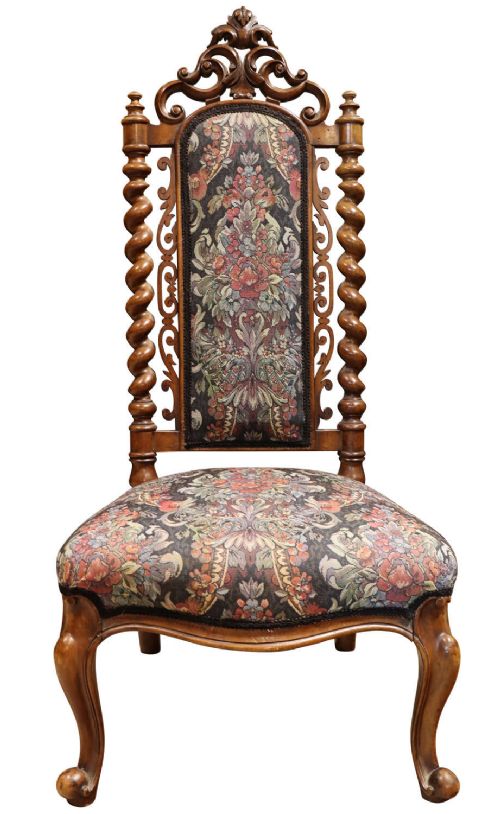
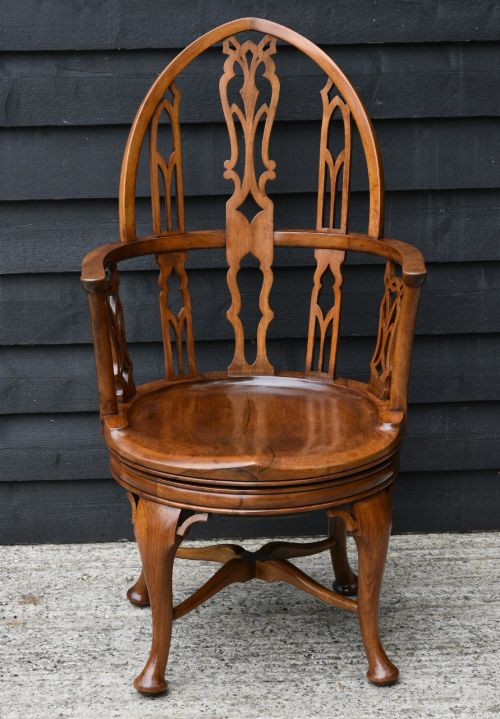
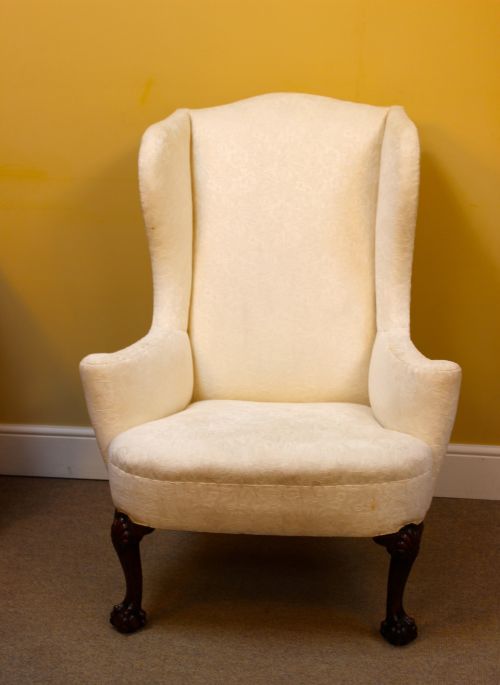
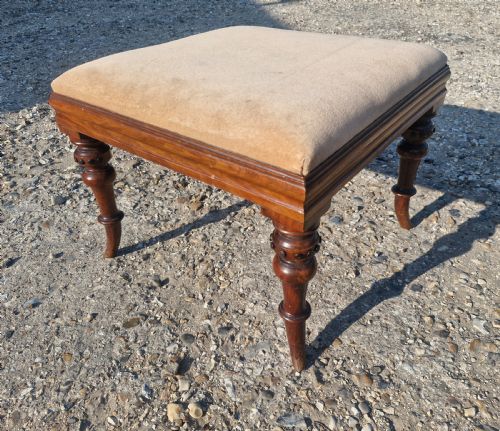
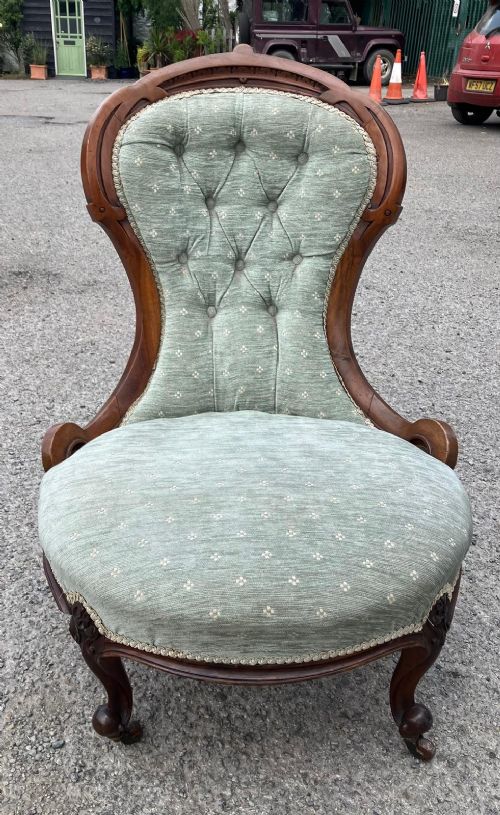
19th Century Walnut Seat
A 19th century walnut seat brings substantial timber and period upholstery into a room, offering both practical utility and decorative presence.
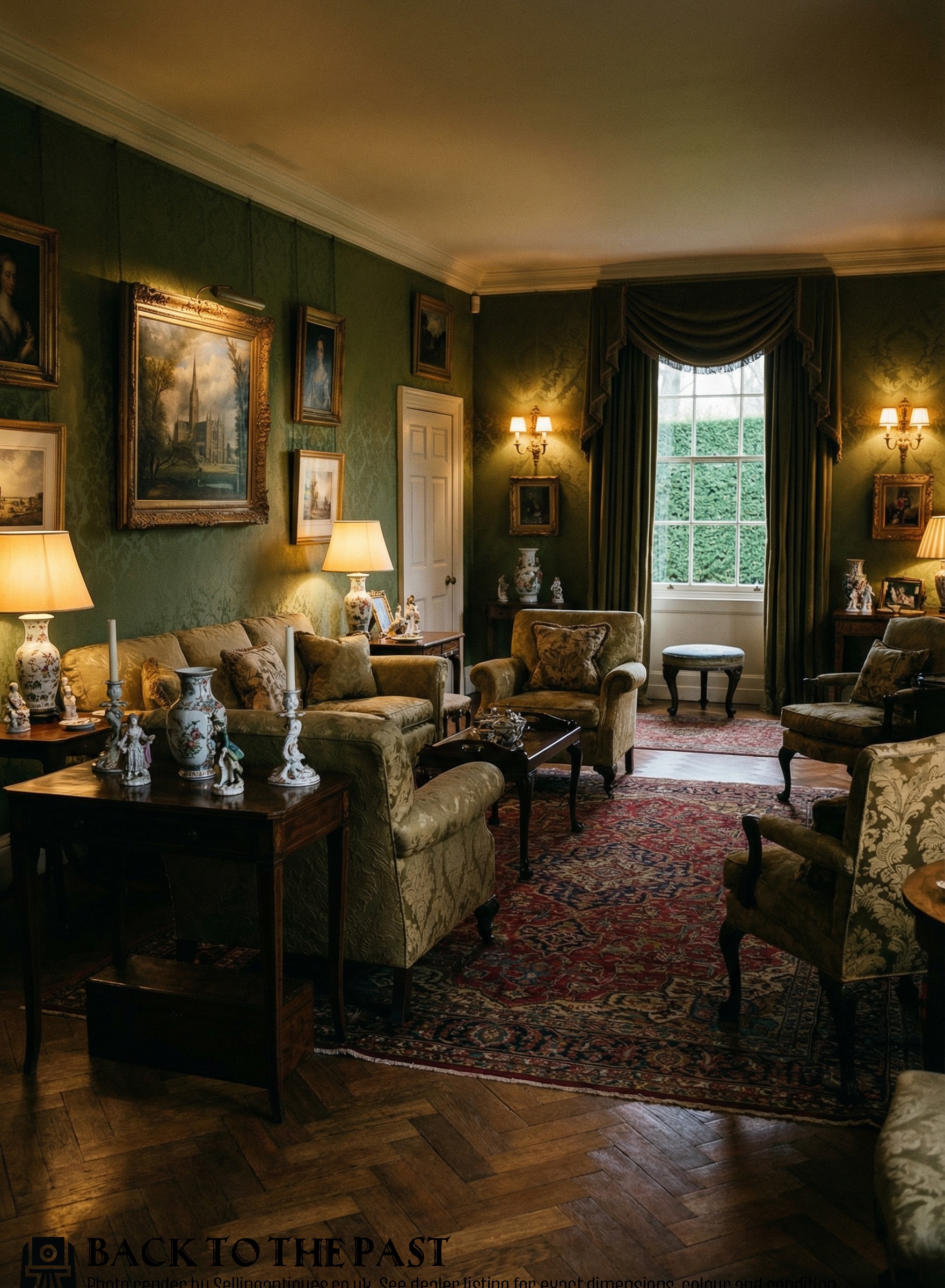
19th Century Walnut Seat
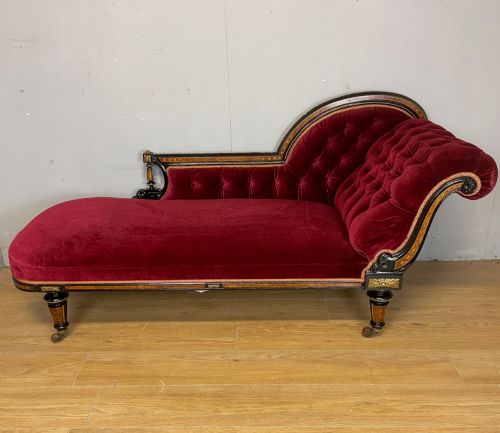
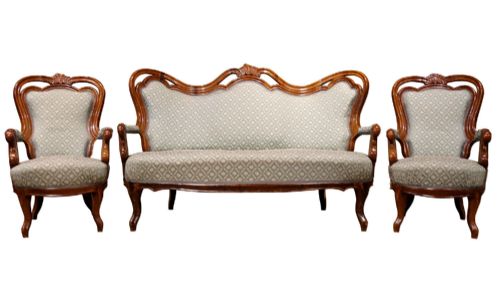
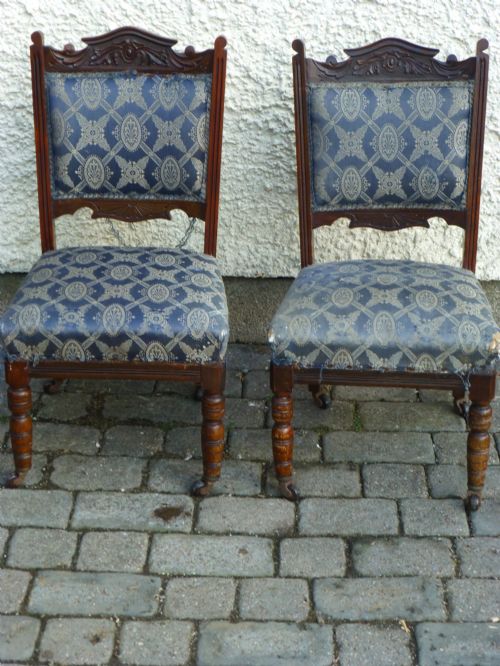
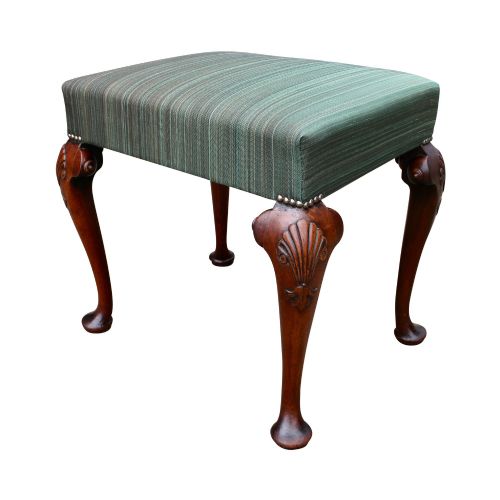
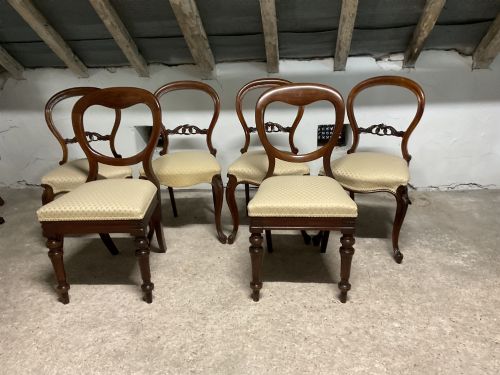
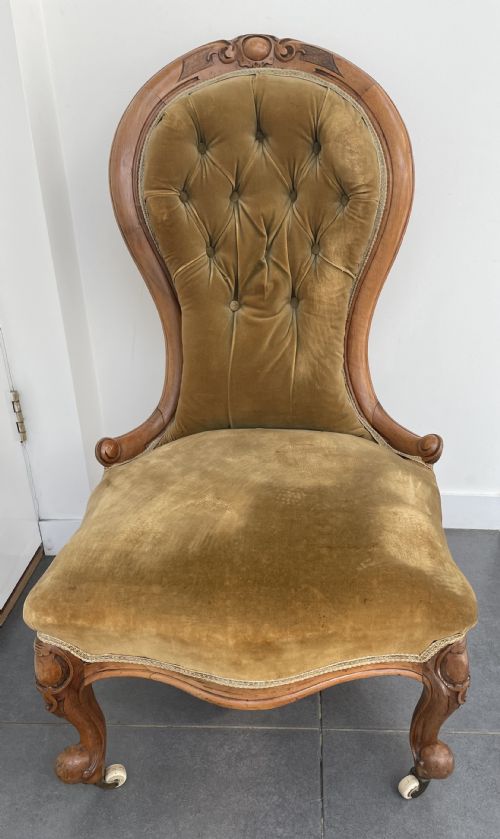
A 19th century walnut seat encompasses diverse forms ranging from dining chairs and nursing chairs to window seats, footstools, and larger salon suites.
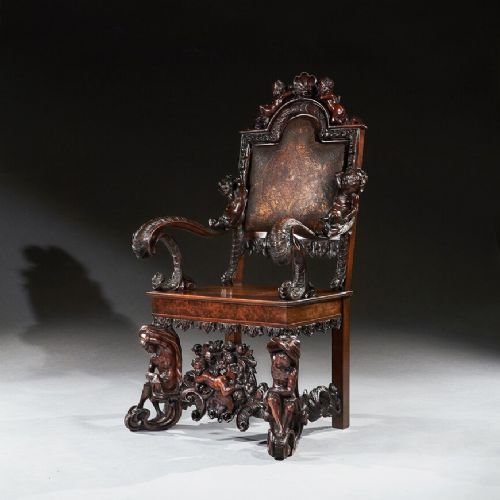
Buyers encounter everything from simple revolving desk stools to elaborate carved armchairs and chaise longues spanning the decades from 1850 to 1900.
How they were made
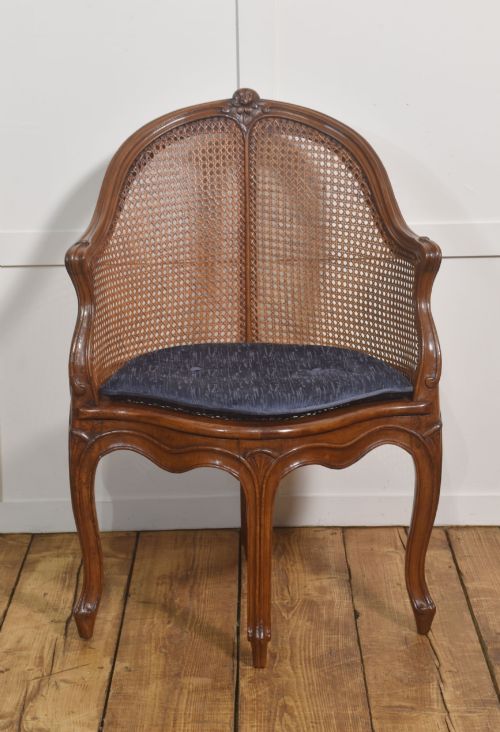
Cabinet makers utilised dense walnut timber, often shaped with cabriole legs, barley twist supports, or intricate hand-carved ornamentation reflecting Louis XV or Baroque revivals.
Frames were joined securely before receiving upholstery in fabrics such as velvet, tapestry, leather, or cane panels, sometimes accented with brass or ormolu details.
Certain walnut stools hide adjustable mechanisms, letting nineteenth-century organists spin comfortably during long chapel sessions.
What varies in quality
The distinction between standard examples and exhibition quality pieces lies in the depth and crispness of the wood carving, alongside the integrity of the underlying frame construction.
The choice of secondary timbers, the refinement of joinery, and the preservation of original textiles or appropriately matched traditional upholstery elevate certain pieces above routine workshop production.
Andrea Brustolon·Gillows·Howard and Sons·Shoolbred and Co·Morris and Co
The 19th Century Walnut Seat Glossary
- Cabriole leg
- A furniture leg that curves outward at the knee and tapers inward to an ankle, mimicking an animal limb. This form appears frequently on Victorian and Queen Anne revival seating.
- Corbeille
- A French term denoting a basket-shaped armchair with a rounded, enclosed back and sides. These seats provide a cocoon-like form common in nineteenth-century salon furniture.
- Ormolu
- Gilded bronze applied as decorative mounts to furniture frames. It provides metallic contrast against dark walnut surfaces on French and continental pieces.
- Barley twist
- A turned wooden column resembling a spiralling rope. This decorative turning technique appears often on the structural supports of Victorian chairs and stools.
- Cassapanca
- A large wooden bench with a high back and arms, often incorporating a storage box beneath the seat. Italian examples frequently feature elaborate relief carving.
19th Century Walnut Seat: Frequently Asked Questions
How do I identify a Victorian walnut chair?
Victorian walnut chairs typically display rich dark grain, often combined with cabriole legs, balloon backs, or elaborate floral carvings. Dating is aided by stylistic clues such as Gothic or Rococo revival motifs popular between 1850 and 1900.
Examining the construction under the seat reveals period joinery methods and timber choices consistent with nineteenth-century British and continental workshops.
Where should I place a window seat?
Window seats suit hallways, bedrooms, and reception rooms where low profiles preserve light and views. They provide convenient perches without dominating floor space.
Placing them against long walls or beneath large windows echoes their traditional nineteenth-century domestic placement.
Can I reupholster an antique walnut chair?
Reupholstering antique seating is common, particularly when original fabric is worn or listed as requiring new material. Traditional methods preserve the frame integrity.
Selecting appropriate textiles, such as velvet, leather, or tapestry, ensures the finished piece respects its nineteenth-century origins.
What is the difference between a salon suite and a dining set?
Salon suites comprise matching upholstered armchairs, sofas, and occasional seats designed for formal reception rooms. They prioritise comfort and decorative cohesion.
Dining chairs are built specifically for use around a table, featuring upright backs and firm wooden or upholstered seats.