


19th Century Walnut Fauteuil
A 19th century walnut fauteuil brings French elegance and carved timber warmth directly to a room.
19th Century Walnut Fauteuil
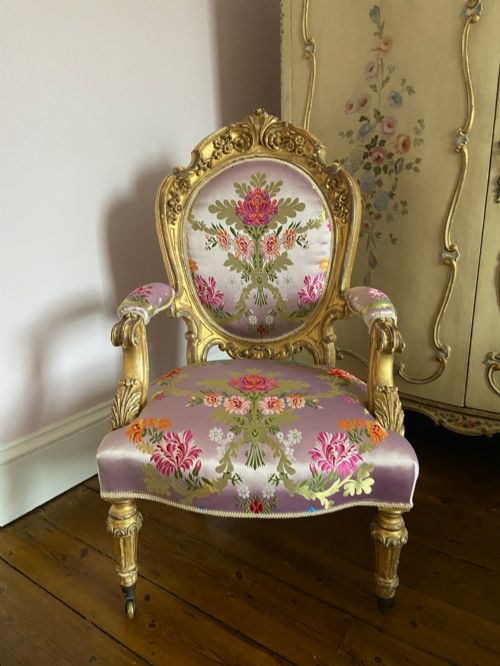
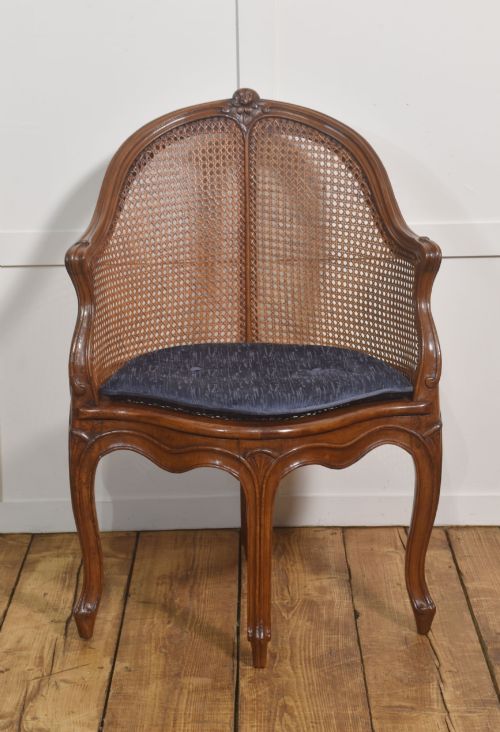
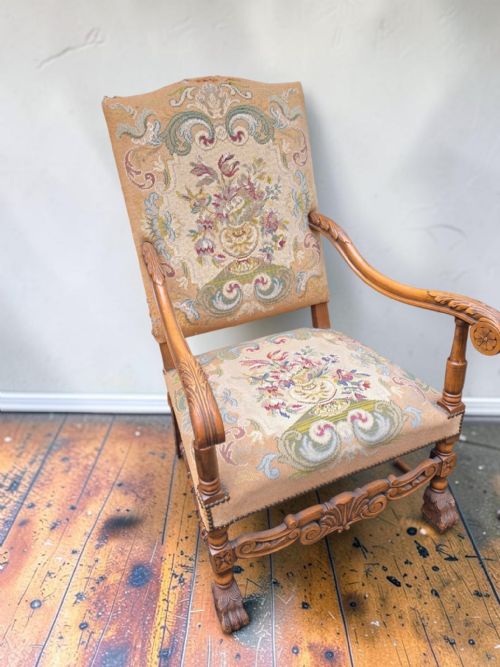
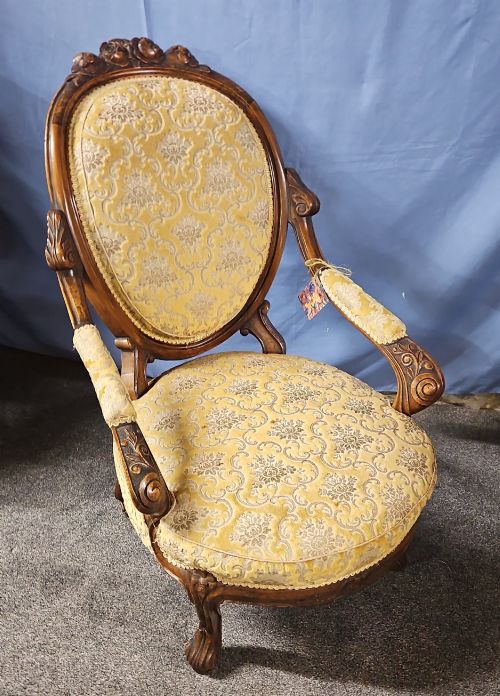
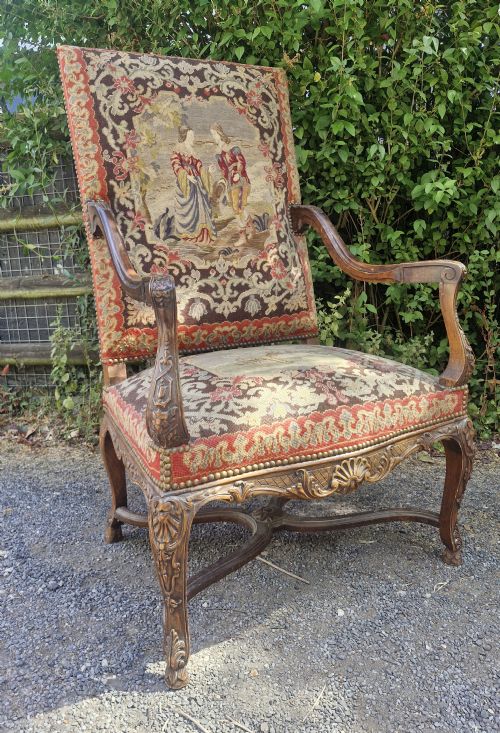
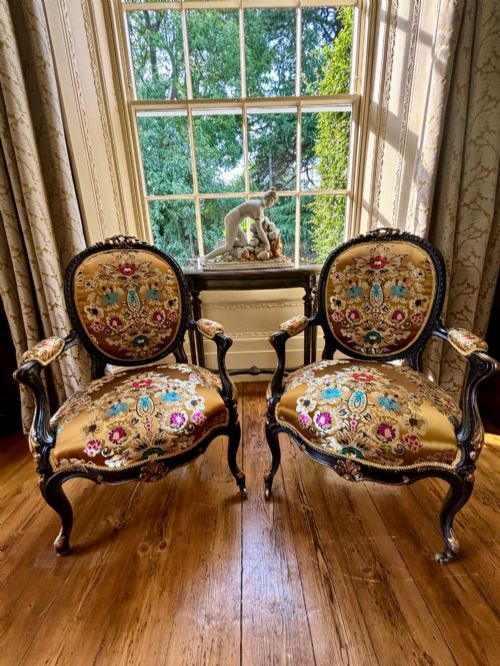
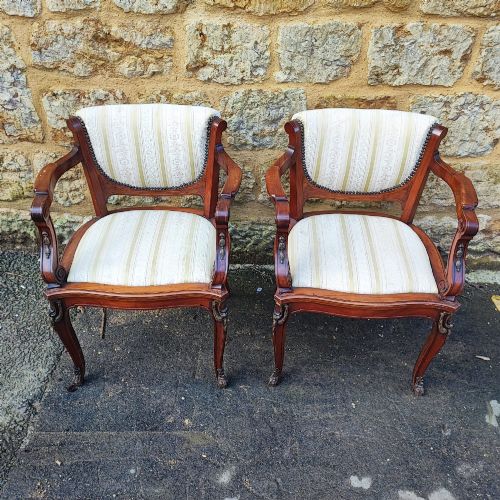
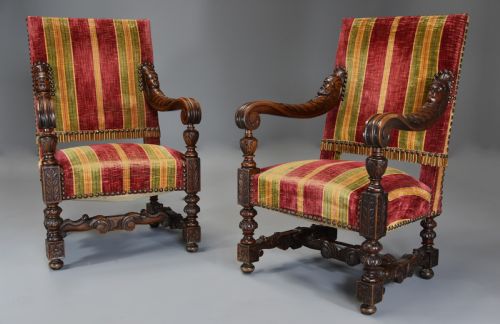
A 19th century walnut fauteuil is an open-armed upholstered seat combining sturdy timber framing with decorative carving. These open armchairs frequently emerge in French Louis XV style, Louis XIII style, or Rococo Revival forms.
Most examples originate from the 19th century, with specific pieces spanning the Victorian era and decades such as the 1860s, 1870s, 1880s, and 1890s. Buyers will regularly encounter pairs or single salon chairs featuring exposed wooden frames alongside soft seating.
Makers shaped these armchairs to serve in drawing rooms, libraries, and parlours as both functional seats and decorative furnishings. The phrase encompasses various regional interpretations, including English country house models and French chateau designs.
Materials and construction methods
Craftsmen utilised solid walnut for the structural frames, allowing carvers to shape intricate floral motifs, scrolls, and curved cabriole lines. Brass details sometimes supplemented the timber framework, while select versions incorporated cane panels into the backrests.
Upholstery defines the seating surface, employing fabric, wool, velvet, and intricate needlework, petit point, or tapestry covers. Artisans secured these textiles over padded interiors to ensure comfort within formal reception spaces.
The inventory includes single armchairs, matched pairs, and larger salon sets dating from the 1860s through to 1900.
Distinguishing quality in walnut fauteuils
The depth and crispness of the hand-carved woodwork separate standard frames from superior examples, as master carvers achieved sharper relief and more balanced symmetry. Timber selection also matters, with richly figured walnut grain providing a deeper visual texture than plain stock.
Original upholstery materials such as period tapestry, needlework, or leather elevate an armchair's authenticity compared to later re-covering. The structural integrity of the open arms and joints determines how well the chair survived heavy daily use.
The 19th Century Walnut Fauteuil Glossary
- Fauteuil
- An open-armed upholstered armchair originating in France, traditionally featuring wooden armrests left partially uncovered for display. This form became central to formal seating arrangements throughout the nineteenth century.
- Petit point
- A fine, highly detailed style of needlepoint embroidery used for chair covers. It creates intricate pictorial scenes and floral patterns on the seat and back.
- Cabriole
- A furniture leg that curves outward and then tapers inward, mimicking an animal's leg. This shape is characteristic of Louis XV revival designs.
- Gainsborough chair
- A wide, upholstered armchair with open padded elbows and short legs designed for libraries and desks. British makers adopted this comfortable domestic seating form during the period.
- Tapestry
- A heavy textile woven with pictorial or decorative designs used to upholster salon chairs. These woven covers often depict pastoral or floral motifs.
19th Century Walnut Fauteuil: Frequently Asked Questions
What is a fauteuil?
A fauteuil is a traditional French upholstered armchair featuring open wooden arms. The timber frame remains partially visible to showcase carved details.
These seats were designed for drawing rooms and formal sitting areas during the eighteenth and nineteenth centuries.
How do I date a walnut armchair?
Dating relies on stylistic clues like revival motifs, construction methods, and material wear. Victorian and nineteenth-century pieces often blend French and English design influences.
Details such as needlework techniques and frame joinery help narrow down the decade of production.
Where should I place a fauteuil?
These open armchairs suit reading corners, living rooms, and bedrooms as statement accent seating. Their relatively compact footprint allows them to sit comfortably beside larger sofas.
Pairing two matching armchairs creates a balanced focal point in a reception space.
Are these chairs comfortable for daily use?
Most nineteenth-century armchairs provide supportive seating through padded backs and upholstered pads on the open elbows. Comfort depends on the firmness of the internal stuffing and webbing.
Many surviving pieces retain supportive sprung or stuffed seats intended for extended sitting.