


19th Century Wall Bracket
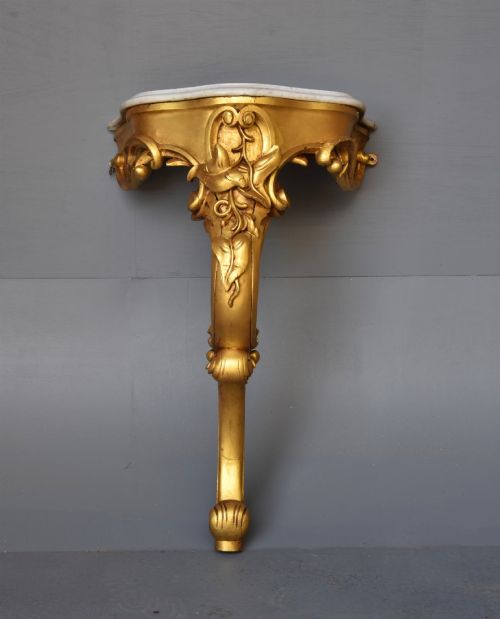
A 19th century wall bracket brings architectural depth and displayed interest to interiors through period carving and gilt surfaces.
19th Century Wall Bracket
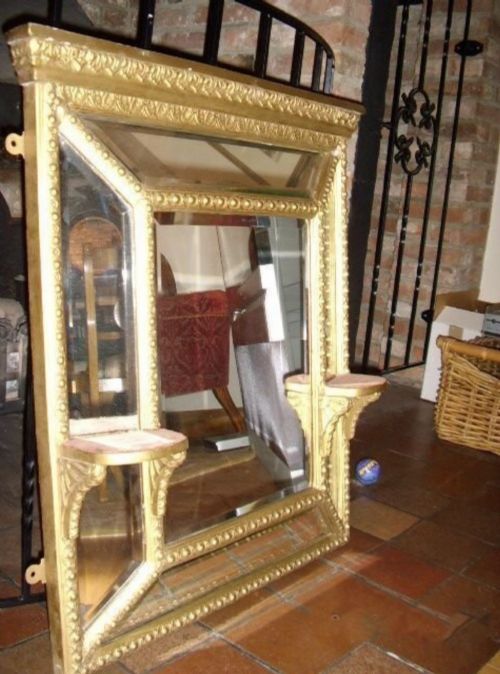
A 19th century wall bracket encompasses small architectural ledges, corbels, and display shelves designed to project from vertical surfaces. The selection spans carved wooden supports, mirrored brackets, and porcelain or terracotta examples originating from English, French, Italian, and Anglo-Indian workshops.
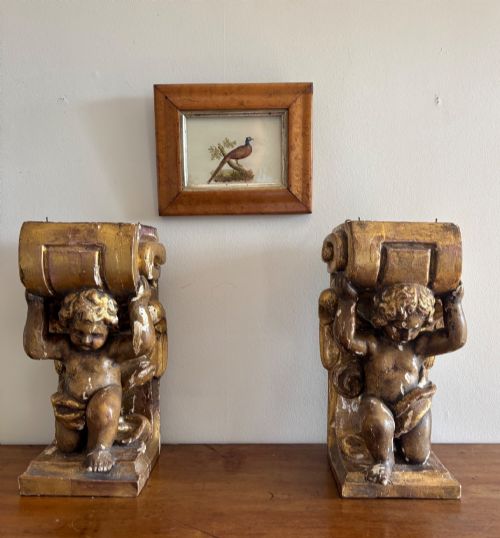
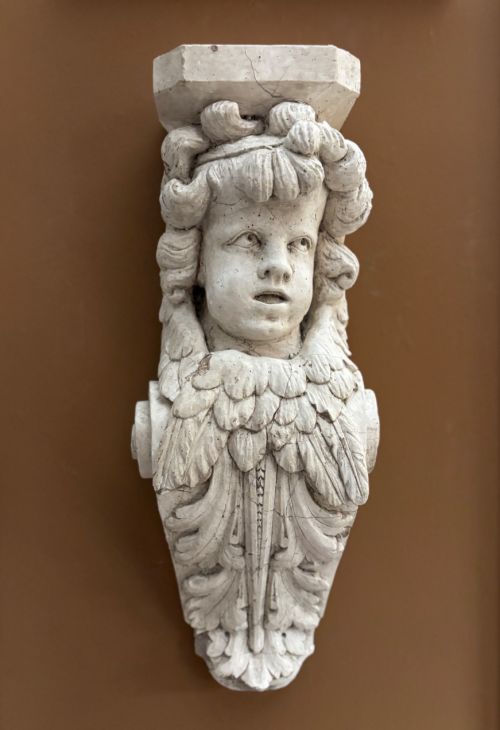
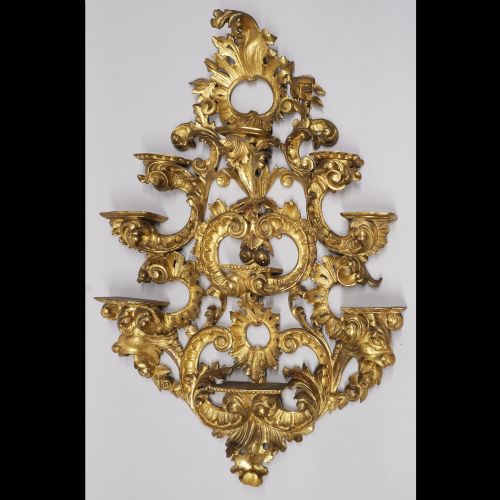
Buyers frequently encounter carved giltwood items featuring floral or putto motifs alongside mahogany, oak, and walnut structural ledges. Rococo Revival designs and Black Forest carved wooden pieces appear regularly across the inventory.
Origin details trace decorative preferences across Victorian parlours and continental drawing rooms, where these supports held clocks, porcelain figures, or urns. Surviving pairs indicate symmetry remained a priority for formal interior placement.
Materials and Construction
Makers utilised dense timbers including mahogany, walnut, oak, ebony, and padouk, often shaping them through hand-carving techniques. Giltwood and gesso pieces combine carved wooden foundations with layered plaster and applied gold leaf.
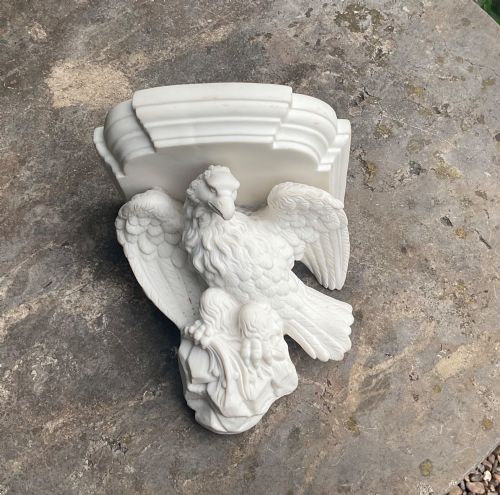
Foundry-cast metals such as bronze, brass, and ormolu provide structural strength and intricate surface detailing for lights and sconces. Ceramic works incorporate Parian body and majolica glazing to achieve moulded sculptural forms.
A medieval magician and the devil himself both peer out from nineteenth-century carved wooden wall brackets.
Craftsmanship and Surface Preservation
Quality depends upon the crispness of the hand-carving in wood or the precision of the cast in bronze and ormolu details. Master carvers produced deeply undercut foliage, figures, and animal elements that retain sharp definition.
Surface preservation dictates overall standard, particularly the condition of original gold leaf, gesso layers, or French polish on mahogany and walnut. Intact original mounting hardware and unblemished gilding separate superior examples from restored or worn items.
Henri Marc of Paris·Thomas Connold of Aylsham·Luigi Frullini·J. A. Wheatley Carlisle·Valiant Paris·Strahan of Dublin
The 19th Century Wall Bracket Glossary
- Giltwood
- Wood that has been coated with gold leaf or gold paint. This technique creates a luminous decorative surface popular in nineteenth-century interior schemes.
- Gesso
- A plaster mixture applied to wood surfaces as a base for gilding. It allows craftsmen to model intricate relief ornamentation before applying gold leaf.
- Ormolu
- Gilded bronze used for decorative mounts and lighting fixtures. The process involves applying a mercury-gold amalgam to bronze and heating it.
- Corbel
- A structural or decorative bracket projecting from a wall to support a weight. In nineteenth-century pieces, these often take figurative forms like putti or eagles.
- Fusee
- A conical pulley used in clock movements to maintain equal power as the mainspring unwinds. This mechanism frequently appears in period bracket clocks.
19th Century Wall Bracket: Frequently Asked Questions
What did they hold?
These supports accommodated household objects including mantel clocks, ceramic figures, urns, and portrait miniatures.
Heavier wooden shelves displayed bronze ornaments or candelabra, while mirrored versions amplified candle light within reception rooms.
How were they fixed?
Most examples utilise integrated rear hanging loops, screw holes, or original metal brackets secured directly into masonry or wood panelling.
Wall mounting required robust fixings to support the combined weight of the bracket and its displayed object.
Are pairs common?
Matched pairs appear frequently, reflecting Victorian and Regency interior design practices focused on symmetrical arrangement around fireplaces or windows.
Single brackets also occur, often serving as standalone architectural accents or shelf mounts.
How do styles differ?
Styles range from ornate Rococo Revival giltwood scrolls with putti to dark carved walnut Black Forest animal motifs.
Neoclassical and Anglo-Indian variants introduce distinct regional carving patterns, varied timber grains, and specific cultural ornamentation.