







Dark Wood Wall Corbel
A dark wood wall corbel brings architectural depth to a room, offering a sturdy yet decorative shelf or bracket shaped by centuries of carving traditions.
Dark Wood Wall Corbel
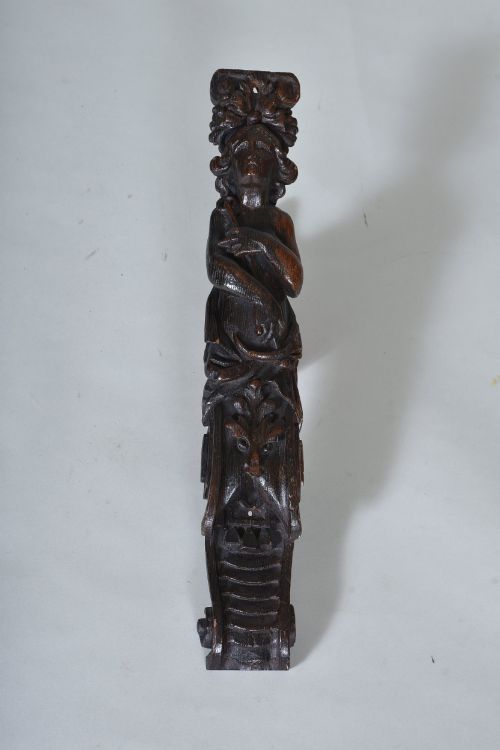
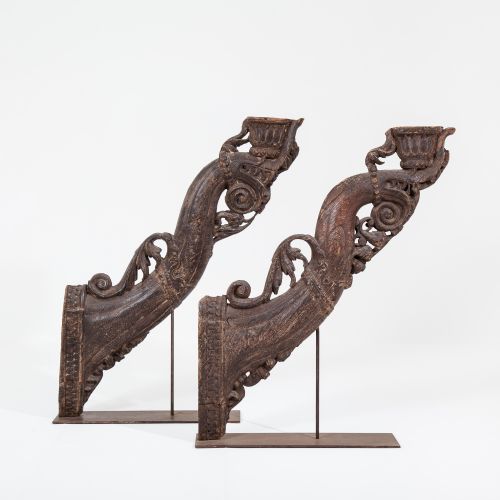
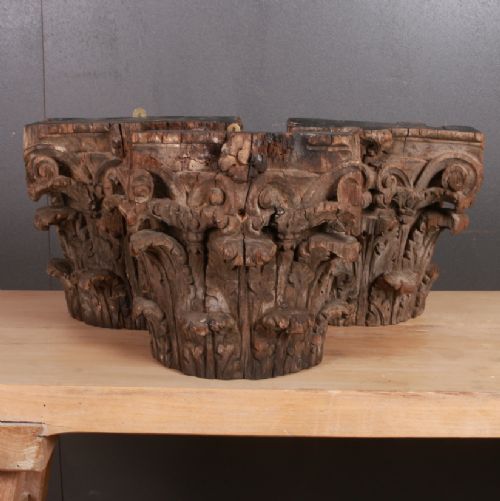
A dark wood wall corbel encompasses architectural salvage, carved brackets, and figurative wall sculptures drawn from periods spanning the sixteenth century through the Victorian era.
The selections available include walnut, oak, and teak pieces ranging from medieval fragments and Jacobean carvings to Anglo-Indian shelves and Black Forest animal heads.
Buyers will frequently encounter nineteenth-century walnut and oak examples alongside earlier seventeenth and eighteenth-century fragments designed for structural support or display.
Materials and construction methods
Carpenters and carvers shaped these pieces predominantly from dense hardwoods such as oak and walnut, utilising hand chisels and gouges to achieve high-relief figurative and botanical details.
Many items originated as architectural salvage or structural fragments, meaning they were rescued from larger buildings and repurposed or mounted as standalone wall brackets.
Dark Wood Wall Corbel Retail Price Guide 2026
Typical asking prices for dark wood wall corbel among the pieces listed under this phrase on Sellingantiques today, from the lower quarter to the upper quarter. They describe what is for sale here now, not the wider market.
Factors determining quality
The distinction between standard items and exceptional work rests on the depth of the carving and the anatomical precision of figures like lions, tigers, and angels.
Age and original context also influence value, with sixteenth and seventeenth-century ecclesiastical or architectural fragments showing distinct tool marks that later reproductions lack.
Luigi Frullini
The Dark Wood Wall Corbel Glossary
- Corbel
- A structural member projecting from a wall to support a weight inside. These wooden examples often double as decorative brackets or shelves.
- Architectural salvage
- Building elements rescued from demolition or renovation for reuse. Many wall brackets began their existence as larger structural supports.
- Black Forest carving
- Woodwork originating from the Brienz region of Switzerland during the nineteenth century. It is famous for naturalistic animal subjects such as bears, lions, and tigers.
- Ecclesiastical carving
- woodwork created for churches and religious buildings. These pieces frequently depict angels, saints, or biblical figures.
Dark Wood Wall Corbel: Frequently Asked Questions
How do I hang a heavy wooden corbel?
Most antique corbels require heavy-duty internal brackets or secure wall fixings screwed directly through the back plate into masonry or wall studs. Because these pieces are solid hardwood, ensuring proper anchor support is essential for safety.
Consult a professional installer if the corbel lacks pre-drilled mounting points or if you intend to use it as a functional shelf holding significant weight.
Are these corbels original or reproduction?
The inventory consists of period pieces ranging from the sixteenth to the nineteenth centuries, identified by authentic timber oxidation, tool marks, and historical wear. Examining the back of the wood often reveals old fixings and natural shrinkage consistent with age.
Carvings from the seventeenth and eighteenth centuries display hand-wrought characteristics that differ markedly from machine-tooled modern reproductions.
What is the difference between a corbel and a bracket?
A corbel traditionally projects from a wall to bear a load, while a bracket is a broader term that includes any structural or decorative support fixed to a vertical surface. In antique listings, the two terms often overlap to describe wall-mounted wooden shelves and sculptures.
Both forms served structural or decorative purposes in historic interiors, ranging from supporting ceiling beams to displaying clocks and ornaments.
How should I clean dark antique wood?
Dust the carved surfaces gently with a dry, soft-bristled brush to remove debris from recessed crevices without disturbing the aged patina. Avoid liquid polishes, silicone sprays, or harsh detergents that can penetrate porous old timber and darken the finish.
Applying a minimal amount of microcrystalline wax occasionally will protect the wood and maintain its natural lustre over time.