



19th Century Wall Appliques
These 19th century wall appliques bring period illumination and sculptural presence to an interior through cast metal and carved detail.
19th Century Wall Appliques
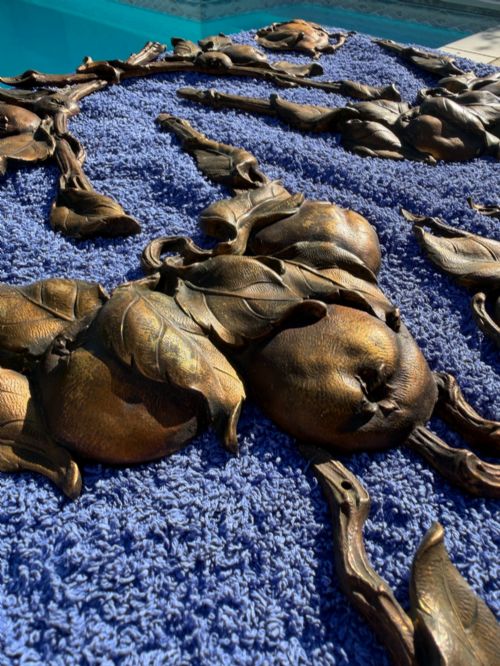
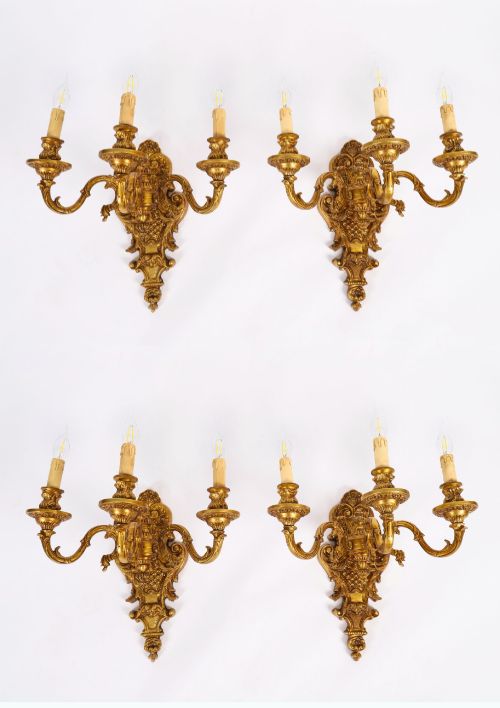
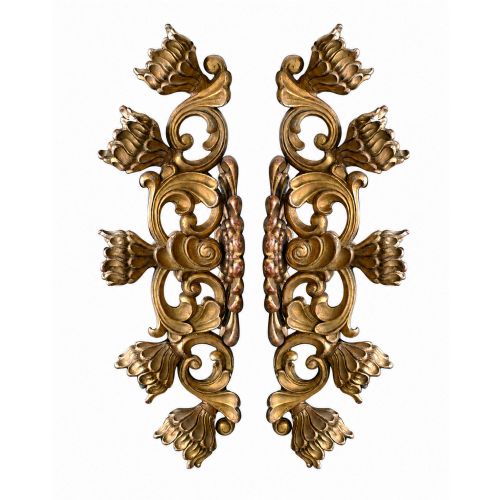
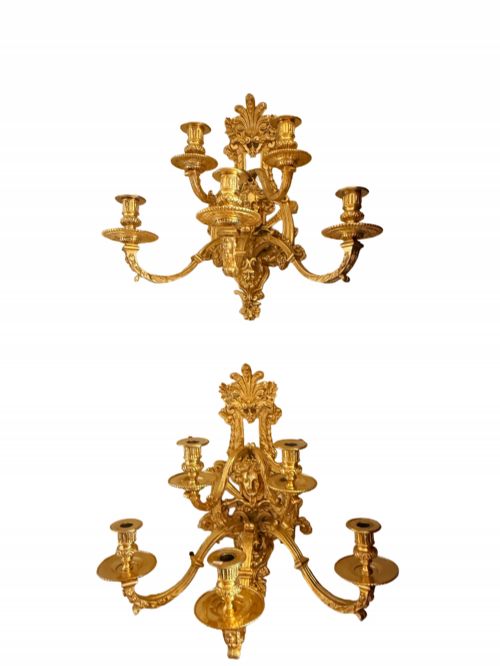
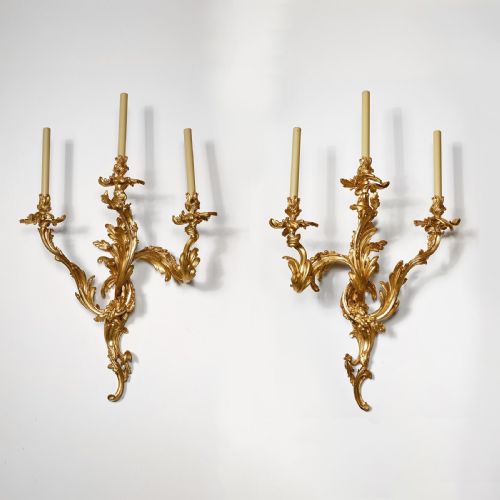
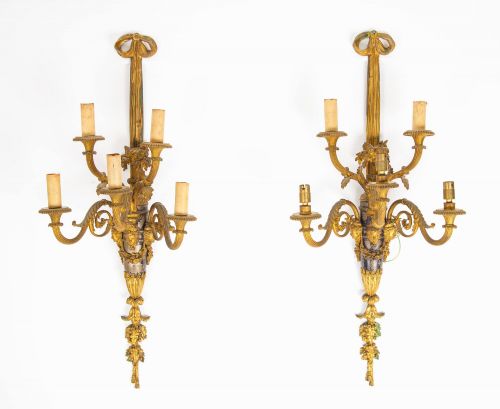
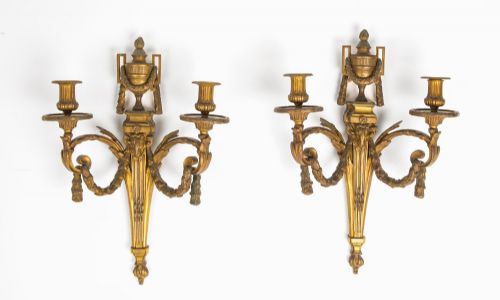
These 19th century wall appliques comprise lighting fixtures and decorative brackets designed to mount directly onto vertical surfaces. The selection relies heavily on French production, featuring multi-branch wall lights and candelabras cast in metal.
Buyers encounter distinct stylistic revivals, from Rococo and Neoclassical designs to Louis XVI and Gothic influences. Alongside metal lighting, the category includes carved wooden brackets and textile applique work.
How they were made
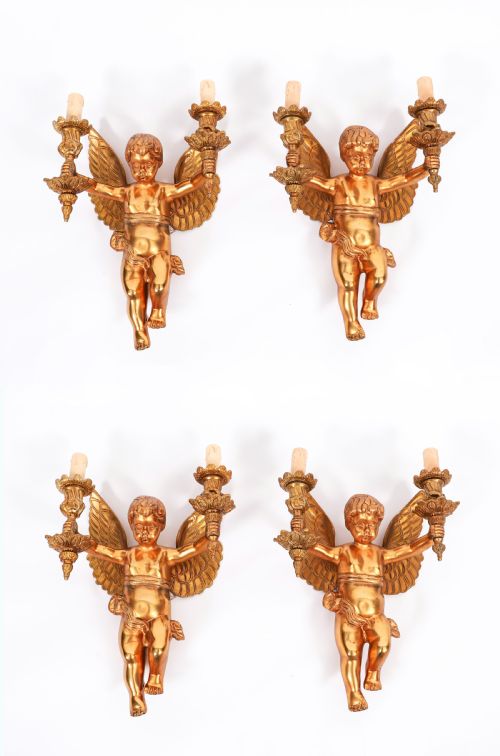
Metal pieces utilise casting techniques in bronze, brass, and ormolu, often combining gilt finishes with patinated surfaces. Artisans chased the metal after casting to sharpen details such as acanthus leaves, cherubs, and ram's head masks.
Wooden examples involve hand-carved oak and giltwood with gesso preparation, while textile pieces employ silk embroidery and felt applique work.
19th Century Wall Appliques Retail Price Guide 2026
Typical asking prices for 19th century wall appliques among the pieces listed under this phrase on Sellingantiques today, from the lower quarter to the upper quarter. They describe what is for sale here now, not the wider market.
Several heavy cast pairs watch the room through the steady gaze of carved lion heads and winged cherubs.
What varies in quality
The depth and application of the gilding or ormolu finish determine how the metal catches light. Heavier bronze weight and integrated maker signatures indicate higher workshop standards.
Poix Blin·Henri Vian·Henri Picard
The 19th Century Wall Appliques Glossary
- Ormolu
- Gilt bronze produced by applying a finely ground mercury-gold amalgam to cast bronze before heating. This technique creates a durable golden surface characteristic of fine French decorative objects.
- Applique
- A decorative wall-mounted lighting fixture or a piece of textile stitched onto a larger fabric background. In lighting, it functions synonymously with a wall sconce.
- Girandole
- A branched wall light or candleholder featuring reflective backplates or mirrors. The arrangement multiplies the candlelight within a room.
- Gesso
- A plaster-like mixture applied to wood surfaces as a base for carving and gilding. It allows for crisp relief ornamentation before gold leaf application.
- Candelabra
- A branched lighting fixture designed to hold multiple candles simultaneously. These pieces often feature central shafts surrounded by scrolling arms.
19th Century Wall Appliques: Frequently Asked Questions
How do I mount 19th century wall appliques safely?
These fixtures require secure attachment to wall studs or appropriate wall anchors due to the substantial weight of cast bronze and ormolu. Professional installation ensures the mounting hardware supports the load safely.
Wiring considerations depend on whether the fixtures are converted for electricity or maintained for candles. Consult a qualified electrician to integrate period wiring methods safely with modern standards.
What is the difference between a wall light and a sconce?
The terms are largely interchangeable within this period, though wall light often describes multi-branch fixtures while sconce can refer to single or multi-light bracket formats. Both terms denote lighting attached directly to vertical architectural surfaces.
Regional terminology and maker preferences historically dictated which word appeared in workshop catalogues. Both designate functional illumination designed to complement interior decor.
How do I clean gilt bronze and ormolu?
Maintenance requires gentle dusting with a soft, dry brush to prevent accumulation in recessed carved areas. Avoid abrasive cleaners, chemical polishes, or excessive moisture that can damage the delicate gilt surface.
Preserving the original patina involves minimal intervention using non-solvent methods. Professional conservation is recommended for deep cleaning or structural repairs.
How can I tell a Louis XVI revival piece from an original?
Revival pieces from the nineteenth century adopt the symmetry, straight lines, and classical motifs of the eighteenth-century Louis XVI reign. Examining casting methods, screw threads, and metal composition helps distinguish nineteenth-century interpretation from earlier manufacture.
Stylistic cues include ram's head masks, neoclassical urns, and beaded borders executed with nineteenth-century foundry techniques. Maker stamps and bronze patination further clarify the manufacturing era.