

19th Century Velvet Armchair
A 19th century velvet armchair brings tactile warmth and period elegance to any room.
19th Century Velvet Armchair
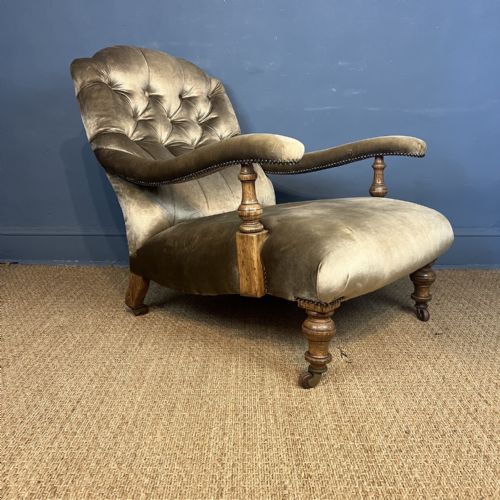
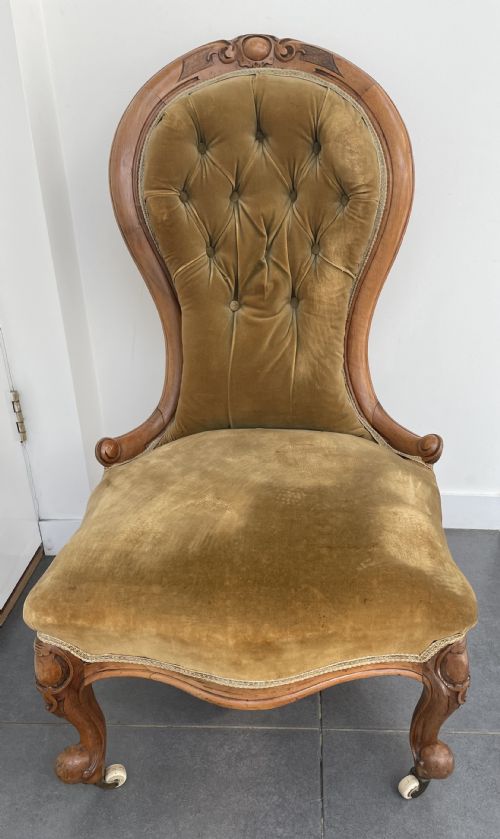
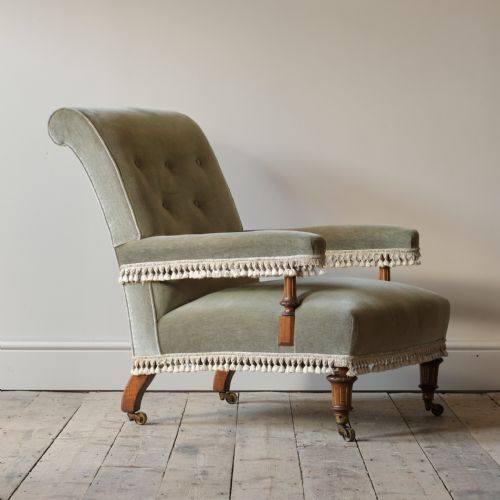
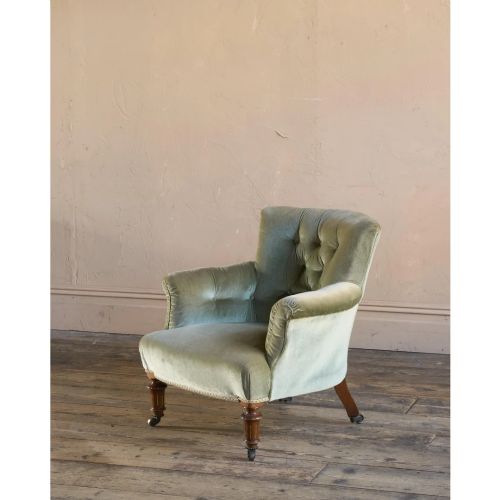
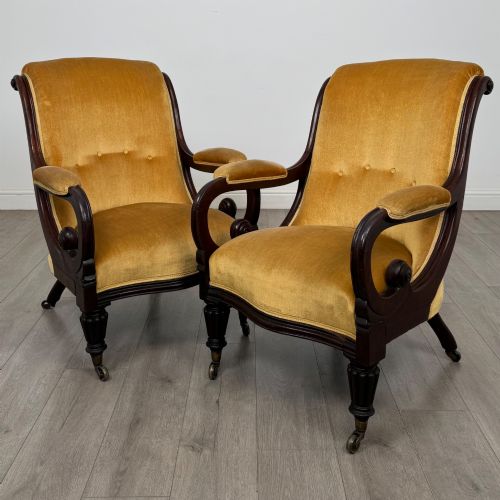
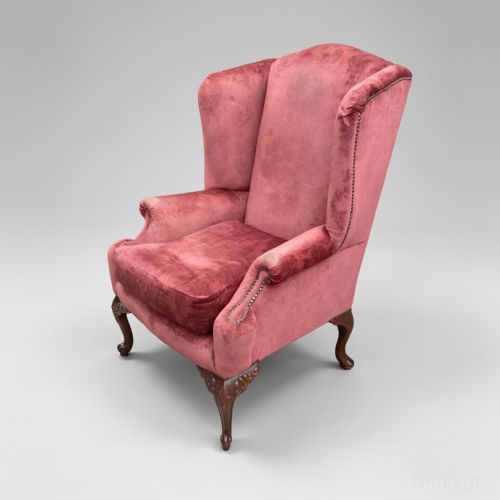
A 19th century velvet armchair encompasses a wide variety of seating forms originating from Victorian, Regency, and Napoleon III periods. Buyers searching this phrase encounter low nursing chairs, library armchairs, and buttoned tub chairs upholstered in plush pile fabrics.
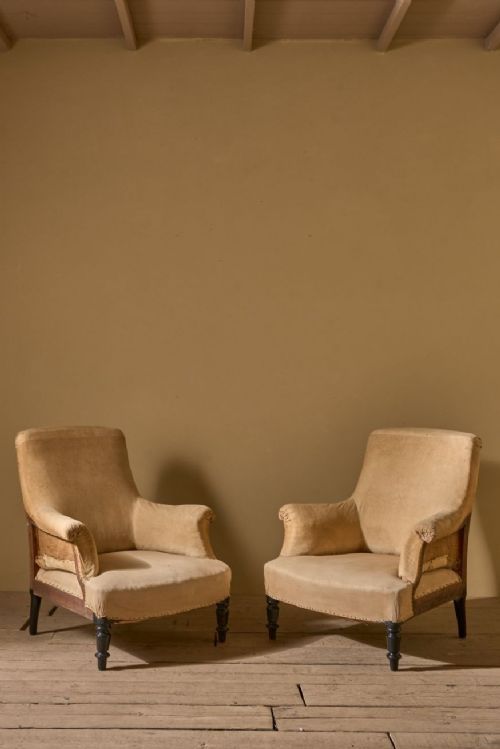
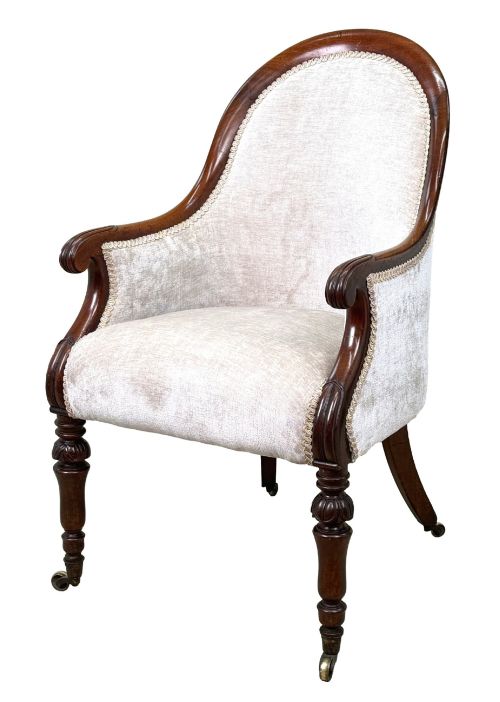
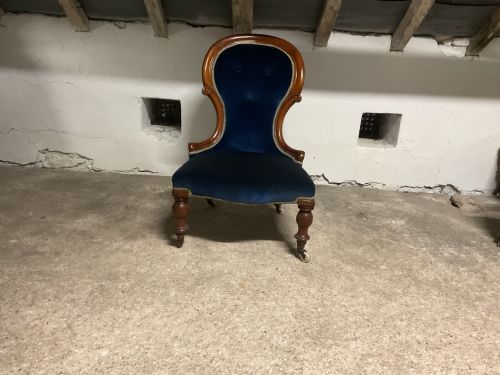
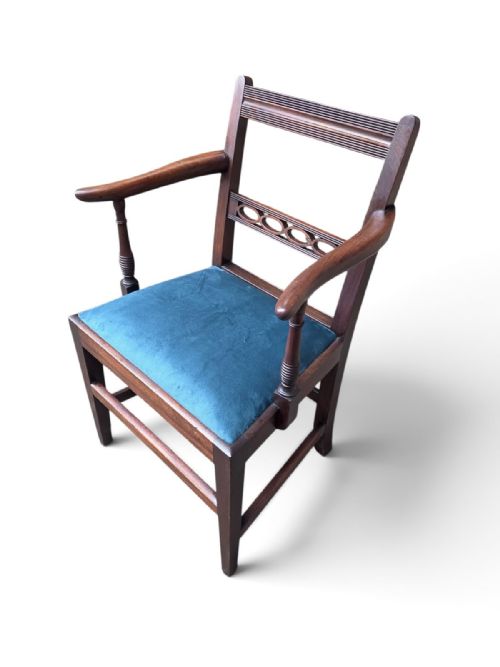
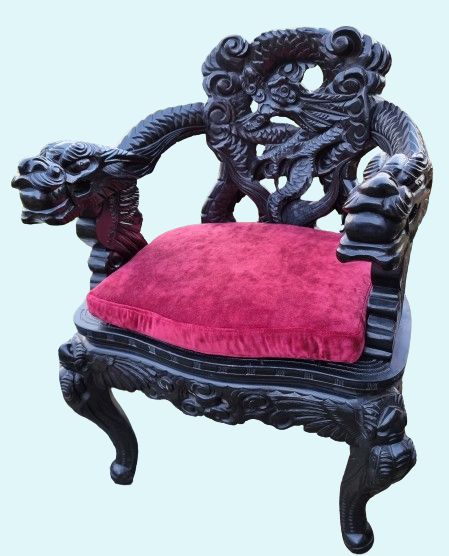
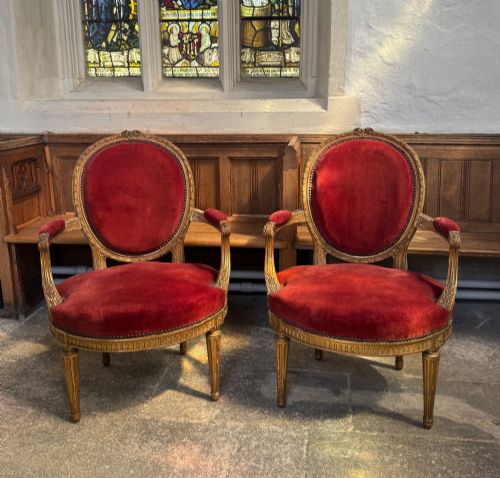
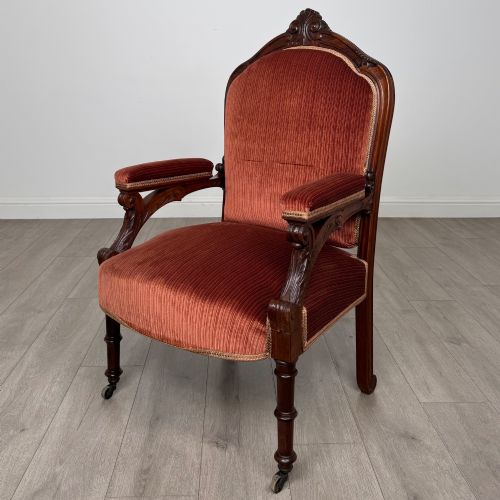
The physical evidence on this page shows pieces dating from the 1850s through the 1890s alongside earlier Regency examples. Frames span from modest walnut and mahogany nursing seats to large giltwood and carved rosewood library chairs.
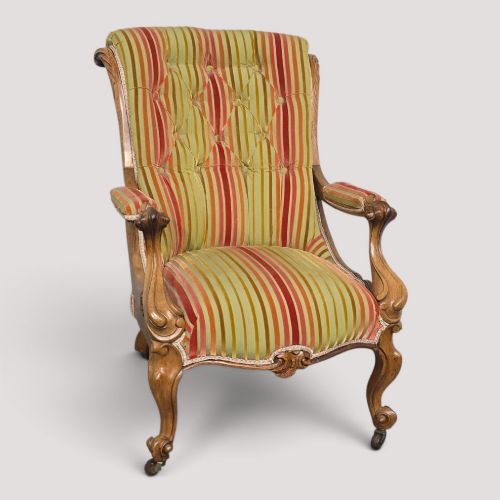
While many examples retain their historic velvet or chenille coverings in greens, reds, and golds, others arrive newly recovered. The underlying timber frames and distinct regional styles, particularly English and French, define the character of each piece.
Materials and Construction
Makers of the era built sturdy internal frames using dense hardwoods like mahogany, walnut, rosewood, and beech. These timbers provided the structural integrity needed for deep-sprung seating and heavy carved arm supports.
Upholstery techniques relied on traditional hand-tacking over horsehair stuffing and coil springs, often finished with brass nail-heads or gimped edges. Velvet, chenille, and silk textiles were stretched tightly across buttoned backs and padded arms to create a resilient, tactile surface.
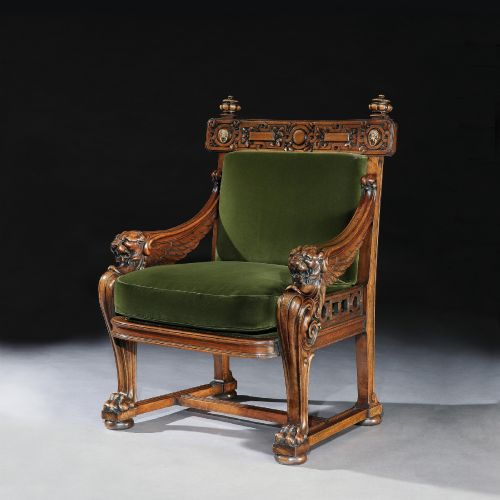
One determined armchair rests upon lion monopodia feet, channelling ancient Roman ambition straight into the Victorian parlour.
Judging Quality and Craftsmanship
Quality rests primarily in the rigidity of the timber frame and the precision of the wood carving. Pieces originating from documented workshops display crisp joinery and substantial timber scantlings that prevent frame wobble over time.
The refinement of the upholstery work separates standard seating from exceptional examples. Hand-tied springs, even buttoning distribution, and quality pile velvet that retains its nap indicate superior original execution or meticulous restoration.
Gillows·Holland And Sons·Thomas Hope
The 19th Century Velvet Armchair Glossary
- Bergere
- An enclosed upholstered armchair with wooden sides originating in France. These seats typically feature exposed painted or polished frames.
- Tub armchair
- A comfortable seat with a curved, continuous back and arms forming a rounded enclosure. This form often appears in Victorian library settings.
- Nursing chair
- A low-seated chair designed for comfort near a hearth or bedroom fireplace. The reduced height allowed sitters to tend to infants easily.
- Monopodia
- A carved furniture foot resembling a single animal leg or paw. This classical motif appears on sculptural seats inspired by designers like Thomas Hope.
- Giltwood
- Timber coated with a thin layer of gold leaf. This decorative finish frequently highlights French revival salon chairs.
19th Century Velvet Armchair: Frequently Asked Questions
Are these chairs comfortable for daily use?
Many 19th century armchairs offer deep-sprung seating designed for extended relaxation in libraries and drawing rooms. Ergonomics varied by period, with Victorian lounge seats prioritising deep padding.
Some smaller nursing or occasional chairs provide a more upright posture. Checking the seat depth and back angle helps determine suitability for modern lounging.
How do I identify a French style chair?
French 19th century chairs often display painted finishes, carved giltwood, and flowing cabriole legs influenced by Louis XV and Louis XVI revivals. Maker origins and stylistic flourishes like curved cartouche backs point toward continental workshops.
English counterparts typically favour darker polished mahogany or rosewood with more restrained structural lines. Regional turning and timber choice generally clarify the geographic origin.
Did these chairs always have velvet?
Velvet, chenille, and damask were popular luxury upholstery choices during the Victorian and Regency eras. Many surviving pieces retain historic fabric or threadbare remnants beneath later recovering.
Earlier frames were frequently re-upholstered to match changing interior colour schemes across subsequent decades. Current velvet upholstery may reflect either preserved antique textile or sympathetic modern replacement.