
19th Century Tripod Stand
A 19th century tripod stand is a versatile occasional support found in mahogany, rosewood and walnut, prized for its ability to fit compact spaces.
19th Century Tripod Stand
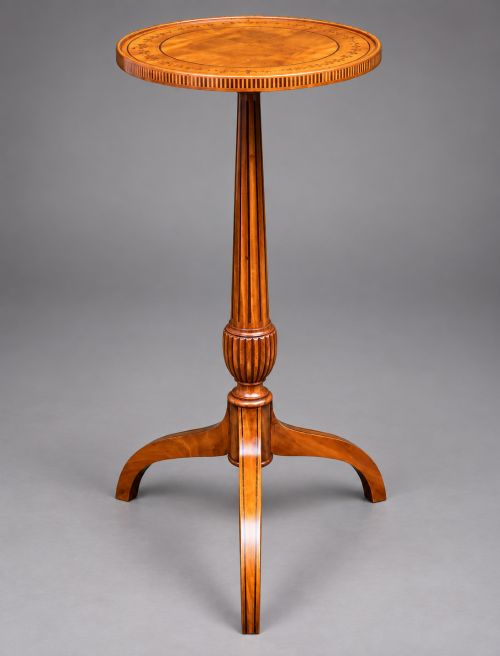
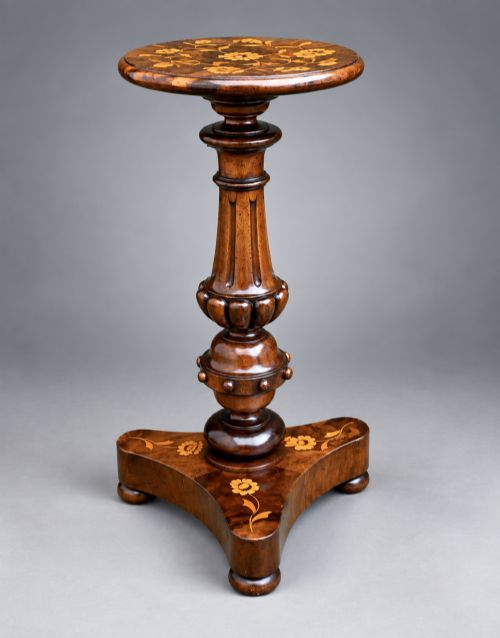
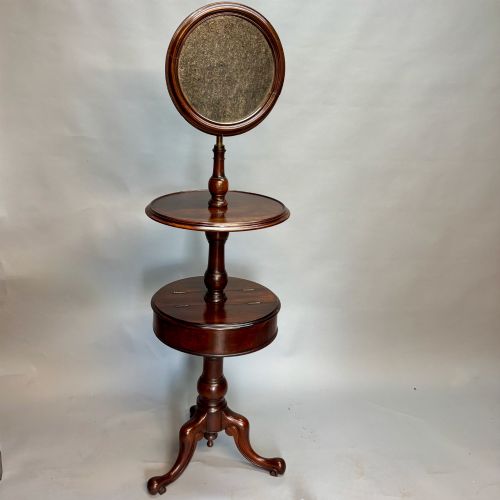
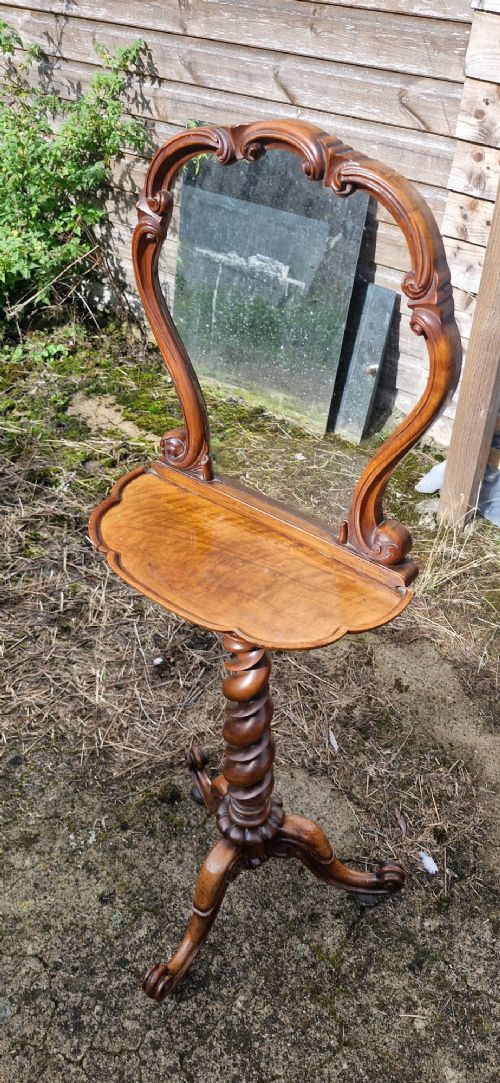
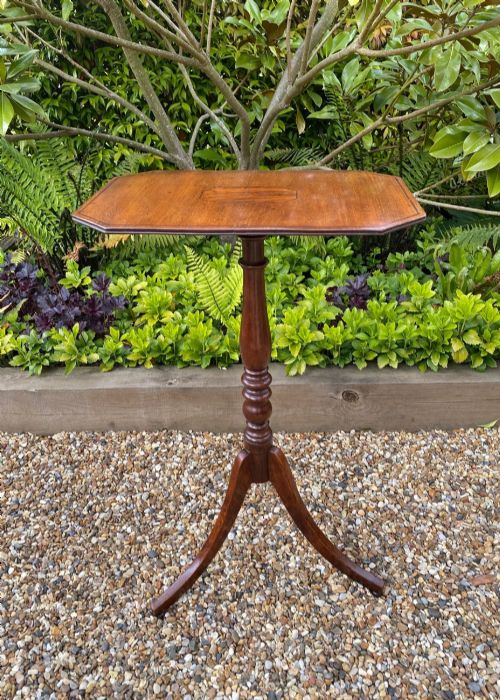
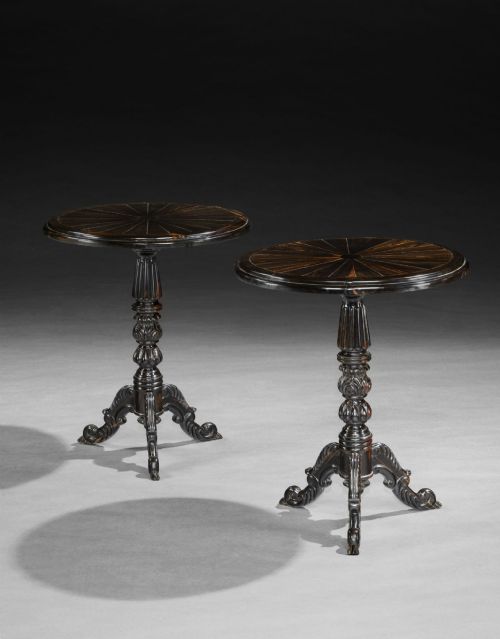
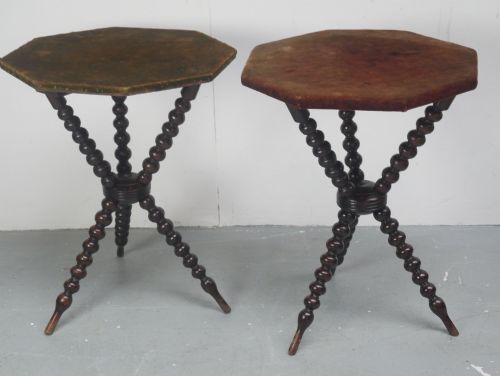
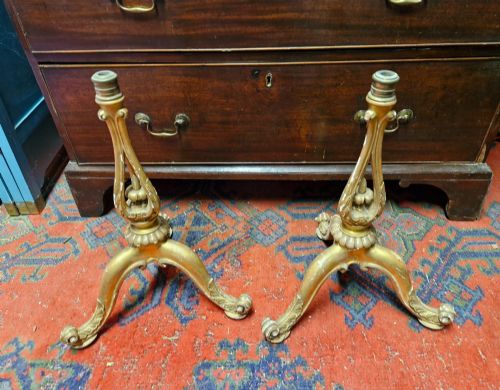
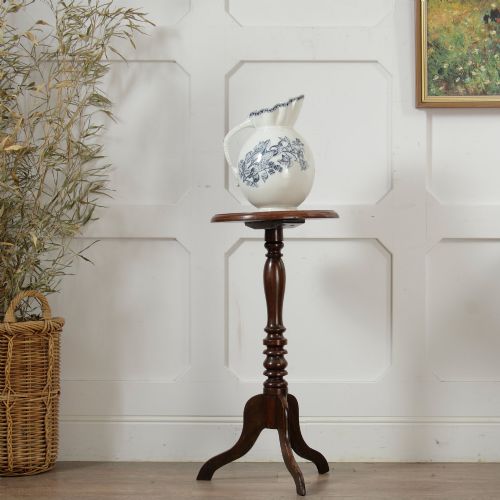
A 19th century tripod stand encompasses a variety of small support forms, most frequently appearing on this page as wine tables, occasional tables, lamp bases, plant stands and torcheres. These pieces date across the Georgian, Regency, William IV and Victorian periods, reflecting stylistic shifts from simple utility to ornate revival forms.
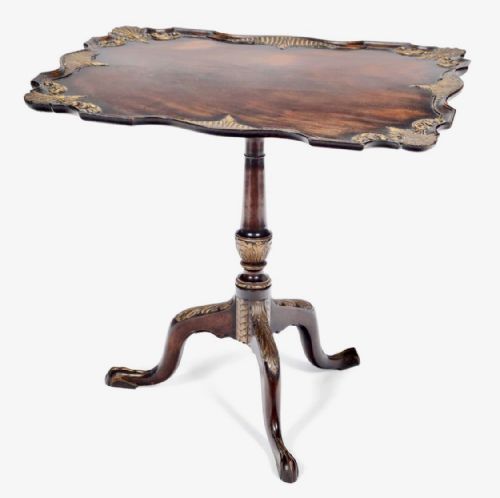
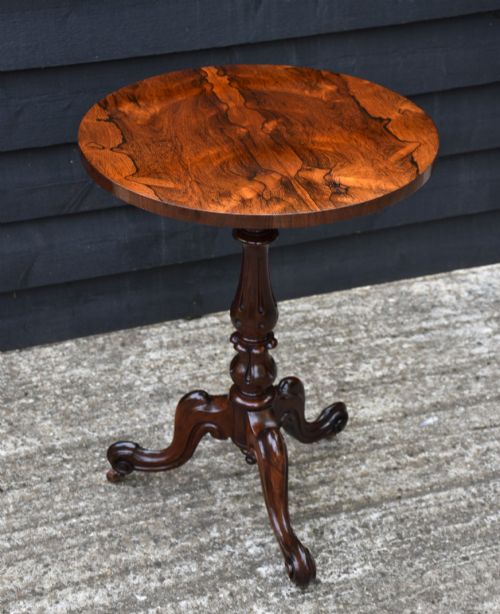
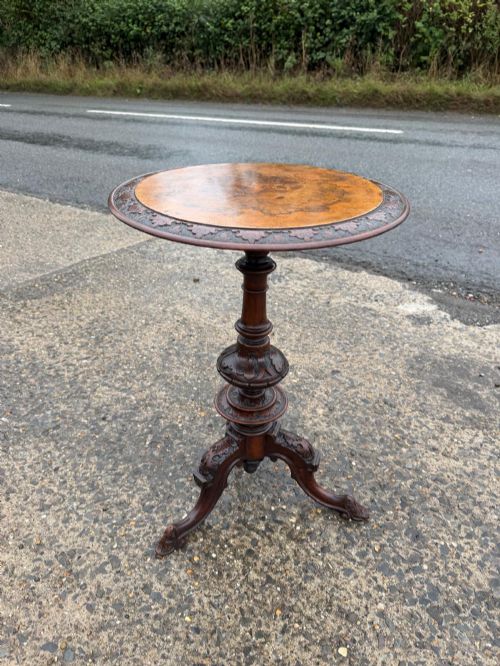
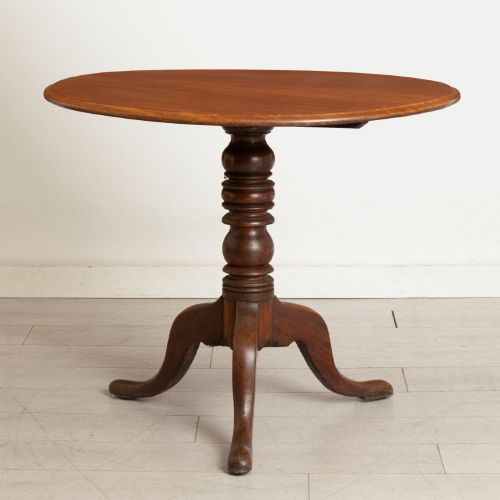
The most common version met here is the mahogany wine table, often featuring a circular tilt-top supported by a turned pillar and three splayed legs. Alongside these, buyers encounter specialised variants including rosewood occasional pieces, fruitwood candle stands, inlaid satinwood lamp tables and carved walnut plant pedestals.
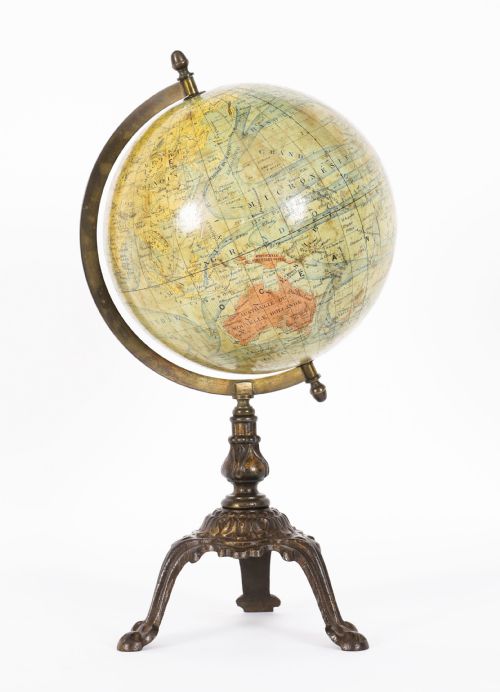
Origins span British workshops as well as continental makers, with occasional pieces originating from Sweden or France, such as terrestrial globes and painted lamp tables. The functional role remains consistent across these forms: compact, movable surfaces designed to hold glasses, lamps, plants or books beside seating.
How They Were Made
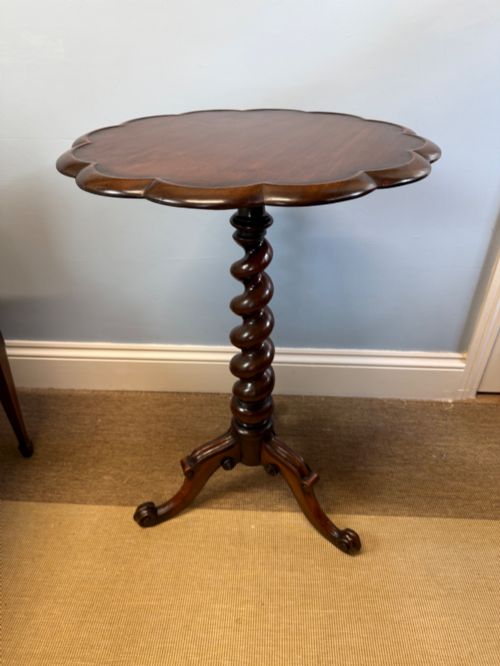
Construction relies on solid timbers and veneers shaped by turners and cabinetmakers using native and exotic woods such as mahogany, rosewood, walnut, oak, fruitwood and satinwood. Tops are frequently turned or carved from single boards, sometimes edged with dish profiles or piecrust mouldings, and occasionally accented with brass or wood inlay.
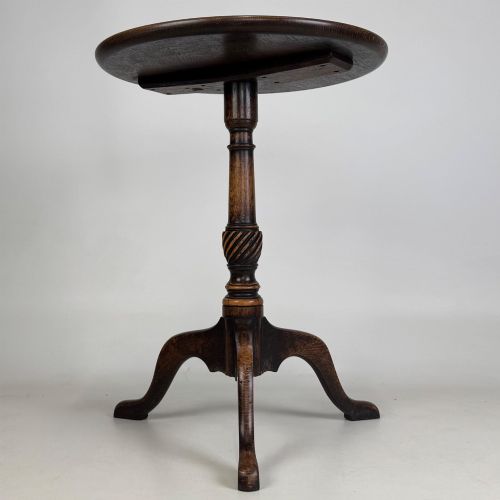
The defining structural mechanism is the tripod base, comprising a central turned pedestal fixed to three splayed legs via tenon joints or iron brackets. Many examples incorporate a tilt-top action utilising a birdcage or catch mechanism, allowing the top to pivot vertically for storage against a wall when not in use.
What Varies In Quality
Quality is determined by the crispness of the timber carving, the choice of figured veneers such as burr wood or flame mahogany, and the structural integrity of the central pillar joint. Superior examples demonstrate balanced proportions between the top and the splayed legs, ensuring stability without excessive weight.
Gillows·George Bullock·Lebegue & Cie
The 19th Century Tripod Stand Glossary
- Tilt-top
- A tabletop mounted on a hinge mechanism that allows the surface to pivot into a vertical position. This clever design enables the stand to be stored flat against a wall when floor space is required.
- Torchere
- A tall, slender stand designed specifically to elevate a lamp, candle or plant. These pieces emphasise vertical height and often feature carved or reeded shafts.
- Birdcage
- A timber framework beneath the tabletop that connects the surface to the central pillar. It allows the top to both rotate horizontally and tilt.
- Piecrust
- A decorative raised tabletop edge carved with undulating curves resembling pastry work. This technique requires considerable skill from the woodcarver.
- Splayed legs
- Three outwardly curving legs forming the base of the pedestal. Their spread provides stability to the central column.
19th Century Tripod Stand: Frequently Asked Questions
What were 19th century tripod stands used for?
These versatile stands served numerous domestic functions, primarily holding wine glasses, teacups, lamps, candles or reading materials beside chairs and sofas. Taller versions functioned as torcheres for lighting or pedestals to display decorative plants and globes.
The tilt-top mechanism allowed tables to be moved easily around a drawing room and stored compactly against the perimeter when the floor was cleared for other activities.
How do I tell a Regency tripod stand from a Victorian one?
Regency stands, dating roughly from the early decades of the century, frequently exhibit clean classical lines, rosewood or straight-grained mahogany timbers, and restrained brass or inlay details. They often lean towards architectural simplicity or delicate proportions.
Victorian pieces, produced from the 1830s onwards, tend to embrace heavier proportions, richer burr wood veneers, and more exuberant carved ornamentation reflecting Gothic Revival or heavily moulded styles.
How do tilt-top mechanisms work on these tables?
The tabletop is fixed to a pivoting block or a birdcage structure atop the central pillar, secured by a wooden catch or brass latch. Lifting or releasing the catch permits the surface to swing from horizontal to vertical.
This functional innovation ensured the furniture occupied minimal space in crowded 19th century interiors while remaining ready for immediate use.
Where should I place a tripod stand in a modern room?
Their compact footprint makes these stands ideal as bedside tables, beside reading armchairs for a cup of tea, or in empty corners to support a small lamp or plant. Because the base has three feet rather than four, they can negotiate uneven floorboards quite reliably.
Choosing a tilt-top version also allows you to display a decorative timber top against a wall as a vertical feature when floor space is tight.