
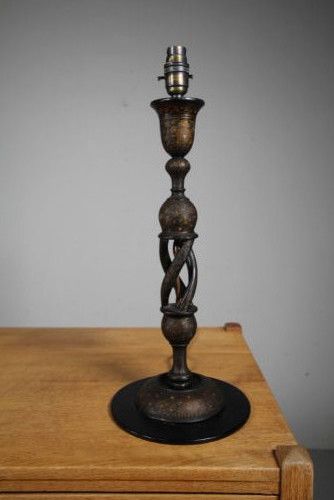
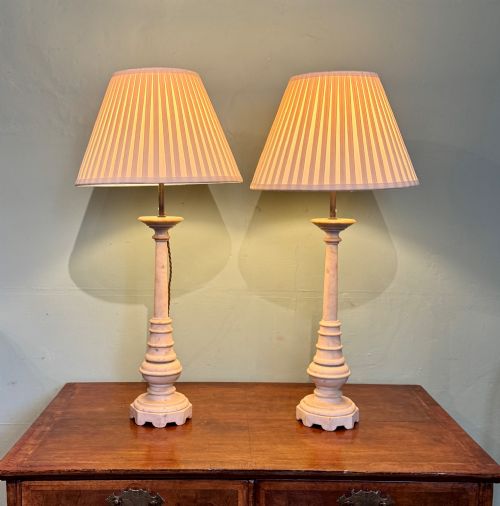
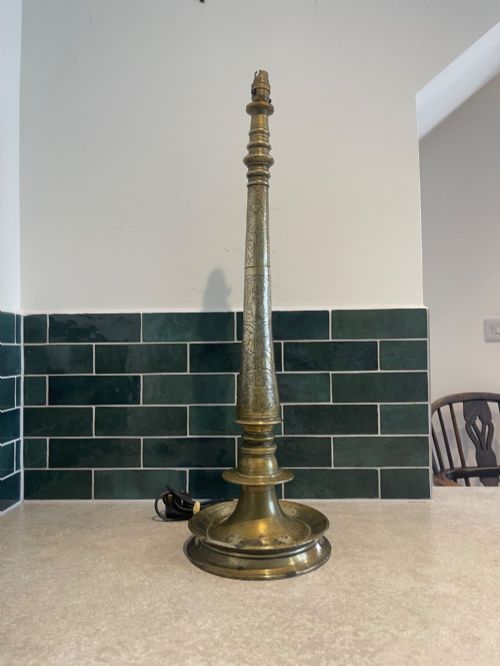
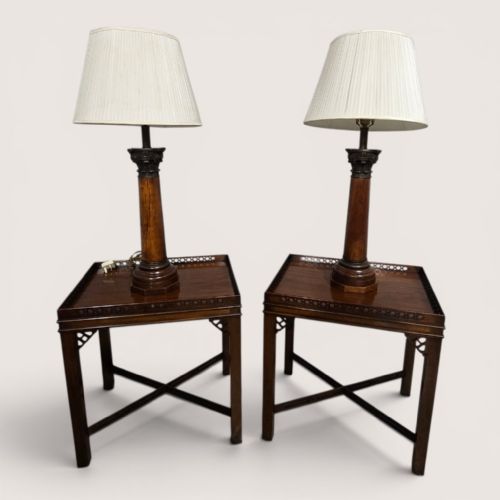
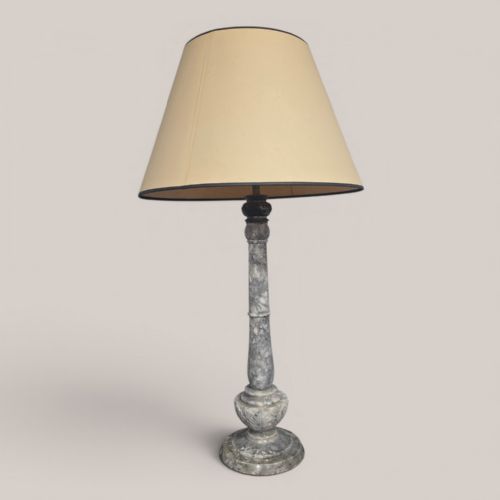
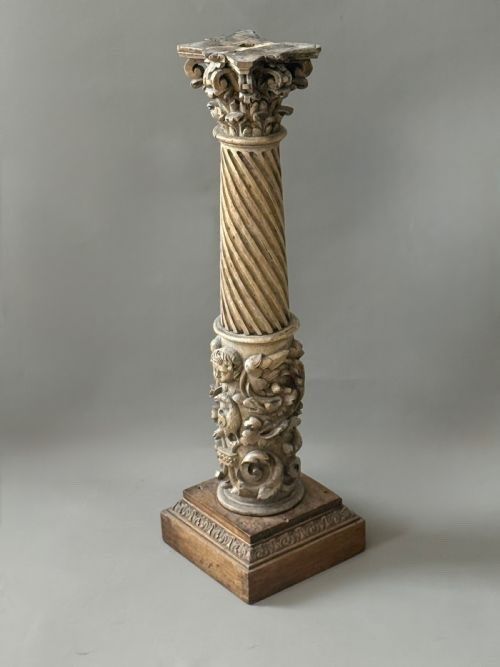
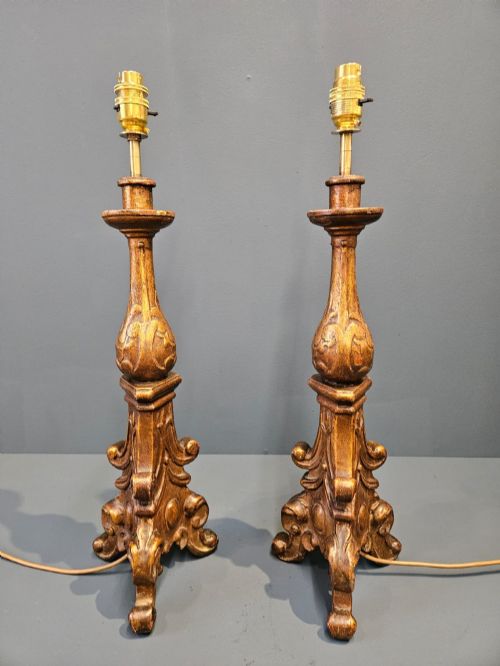
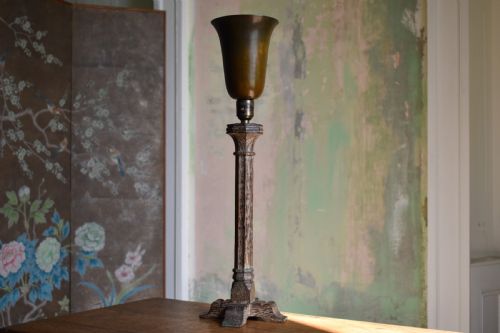
Carved Column Table Lamp
A carved column table lamp brings architectural weight and warm light to a room, drawing the eye with classic turned or carved timber.
Carved Column Table Lamp
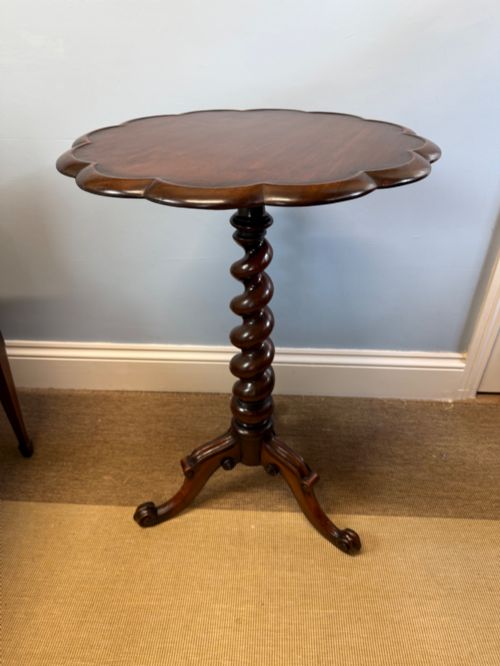
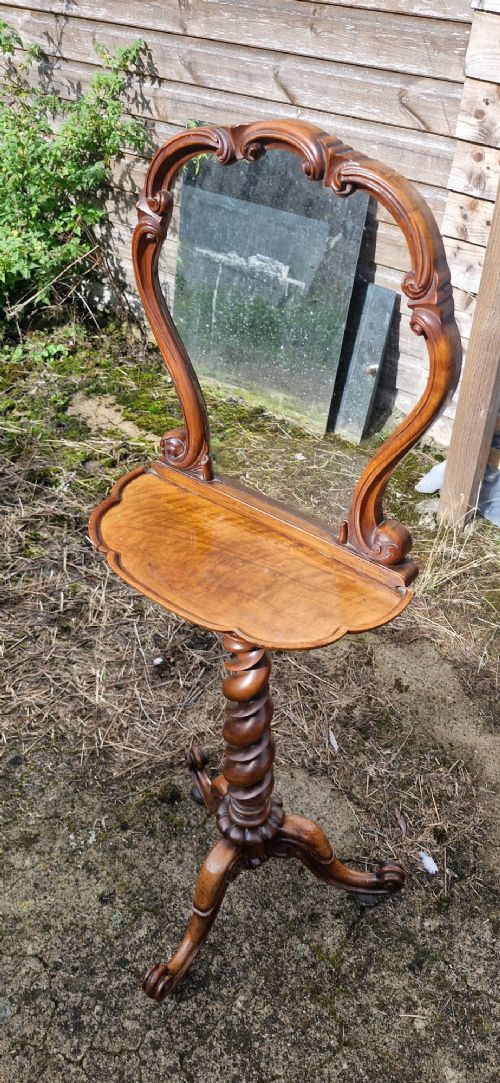
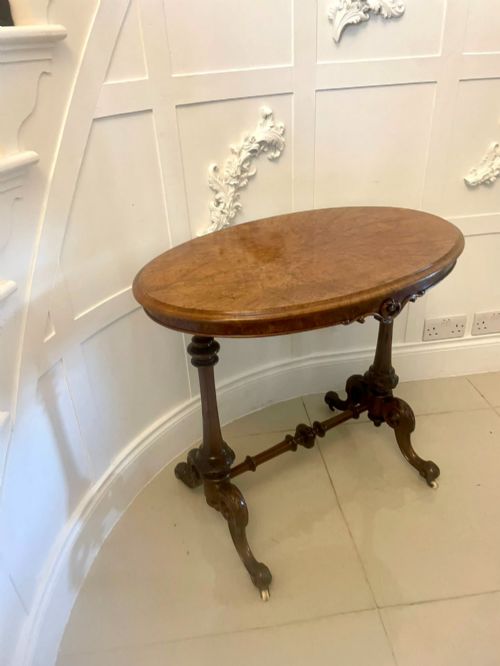
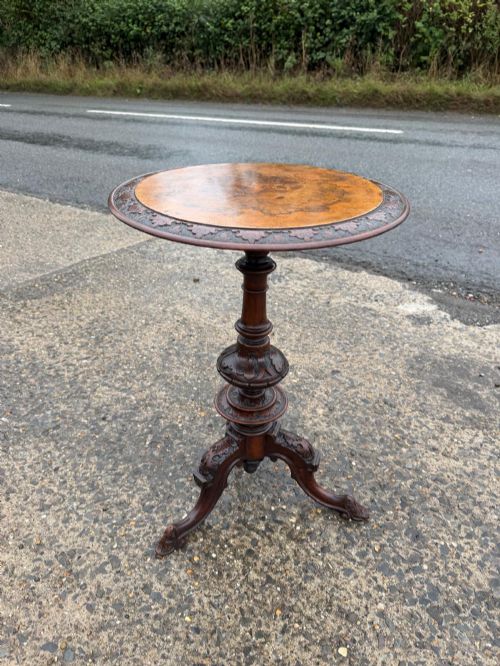
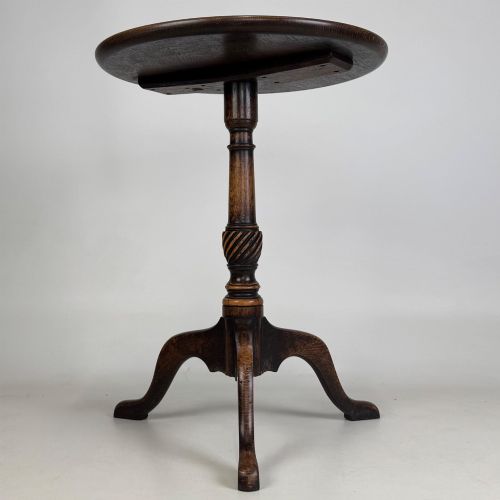
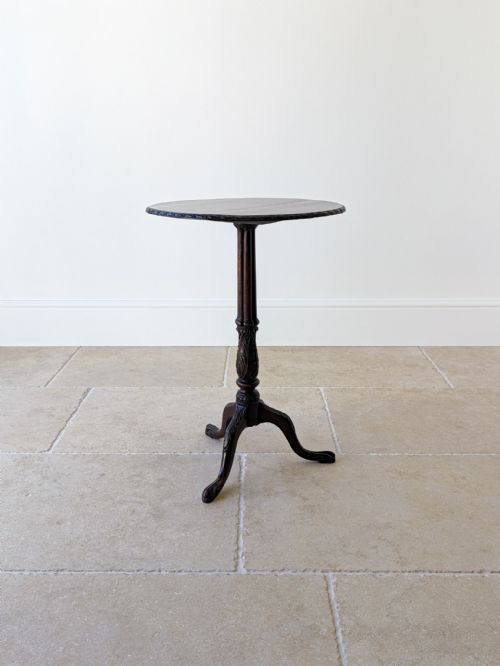
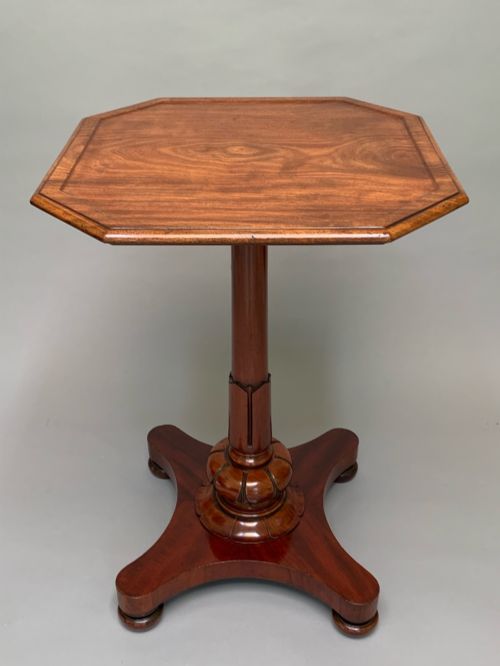
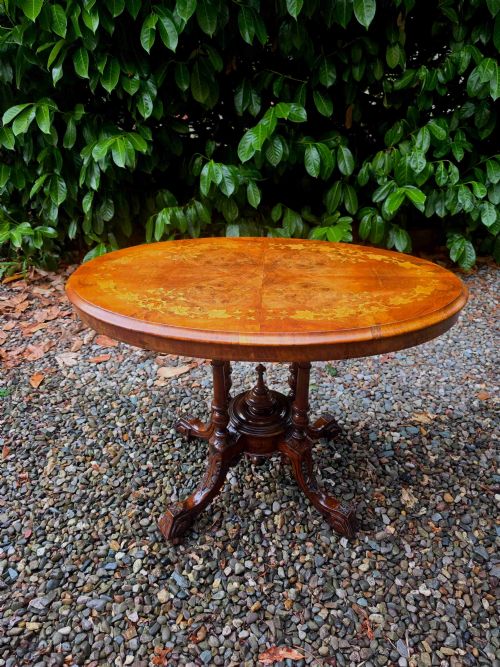
When you search for a carved column table lamp, you encounter items shaped by past centuries, primarily originating from the nineteenth century alongside earlier examples. These pieces frequently take the form of converted occasional tables, side tables, wine tables, or dedicated lamp bases designed to elevate lighting in a room.
The selection on this page demonstrates that many versions began life as functional furniture before finding a second purpose as lamp stands. You will find tripod tables, pillar structures, and turned wooden columns made from dense timbers like mahogany and walnut.
Origins stretch from British workshops to continental Europe and further afield, encompassing styles such as Victorian, Regency, and Baroque. Buyers select these items to anchor a scheme with genuine period presence rather than modern reproduction.
How they were made
Timbers such as mahogany, walnut, burr walnut, and oak form the primary structural body of these pieces, often shaped on a lathe to create the characteristic column or pillar. Carpenters utilised traditional joinery, securing tripod legs to central stems or mounting heavy wooden blocks to support the vertical weight.
Surface decoration frequently includes hand carving, wood inlays, boxwood stringing, or applied gilt and paint finishes. Brass components appear in mounts and fittings, while certain examples incorporate marble bases or glass elements to add stability and textural contrast.
Several tall columns spent decades holding tea sets before someone quietly decided they belonged closer to the ceiling.
What varies in quality
The distinction between standard examples and the finest pieces rests upon the crispness of the carving and the selection of timber figures. A well-chosen piece displays rich burr walnut or fiddleback grain that catches the light, paired with deep, hand-chiselled detail rather than flat machine milling.
Proportion and structural integrity dictate the overall calibre of the item. Superior columns maintain a balanced weight distribution across their bases, ensuring the tall form stands securely without listing to one side.
The Carved Column Table Lamp Glossary
- Tripod table
- A small freestanding table supported by three legs radiating from a central pillar. This form provides stable footing on uneven floors.
- Barley twist
- A type of turning that resembles a spiralling rope carved into wood. It became popular during seventeenth-century production and returned in later revivals.
- Corinthian
- An architectural order featuring ornate capitals decorated with acanthus leaves. It appears carved into the tops of wooden lamp columns.
- Occasional table
- A small, moveable table intended for flexible placement around a room. Many historical variants of this type convert well into tall lamps.
Carved Column Table Lamp: Frequently Asked Questions
How do I style a carved column lamp?
Place the lamp on a low sideboard or sturdy side table where its height can illuminate darker corners of a room. The substantial timber presence pairs well with neutral walls and traditional interiors.
Ensure the shade size matches the visual weight of the carved base. A well-proportioned linen or fabric shade diffuses the light evenly across the polished wood grain below.
Were these always electric lamps?
Most of these items began as small tables, candlesticks, or architectural pillars before conversion into modern lighting. Skilled makers adapted the vertical wooden columns to house wiring safely while preserving the original structure.
This adaptive history means older turned tables and timber pillars find renewed purpose in contemporary spaces as functional lamps.
How do I date an old wooden lamp?
Examine the timber species, construction marks, and tool traces left by the maker. Mahogany and heavy walnut point toward nineteenth-century production, while seventeenth-century items show deeper, hand-wrought Baroque carving.
Hardware elements such as fixings and the style of turning offer further clues to the period. Comparing the silhouette to documented furniture designs helps narrow down the decade.
Are these lamps heavy to move?
Solid hardwood construction and dense timber cores give these pieces a reassuring heft. Marble-based or gilt-wood examples carry additional weight to keep the tall column stable.
This natural mass prevents the lamp from tipping easily during daily use. Lifting from the solid lower column ensures safe relocation around the home.