


19th Century Tier Stand
These pieces gather books, plants and ornaments across stacked horizontal surfaces, and a 19th century tier stand brings practical multi-level display to a room.
19th Century Tier Stand
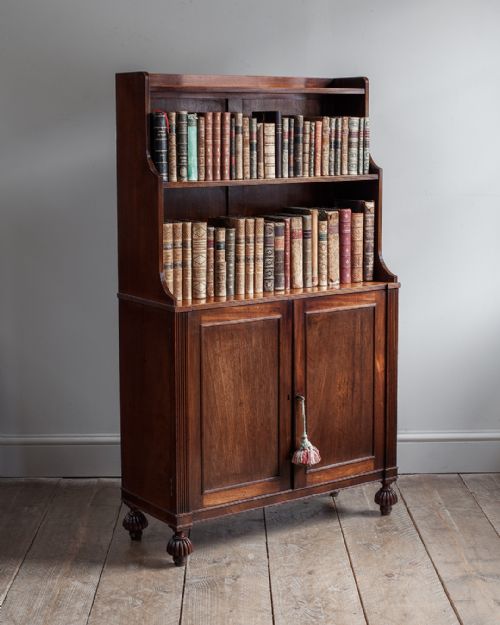
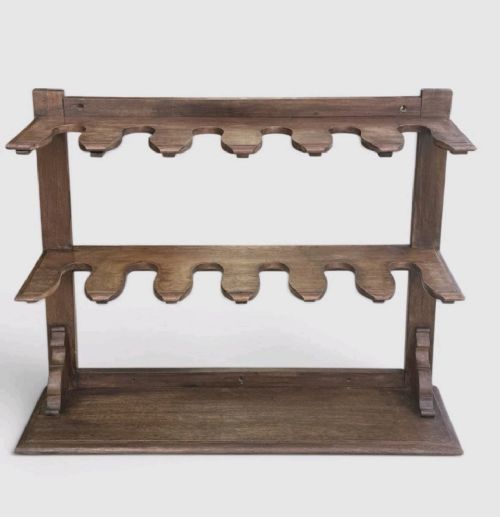
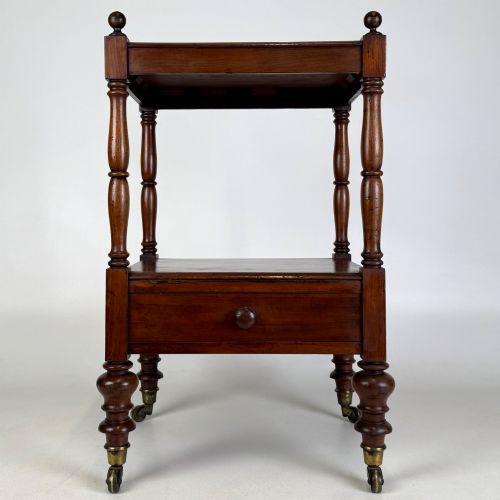
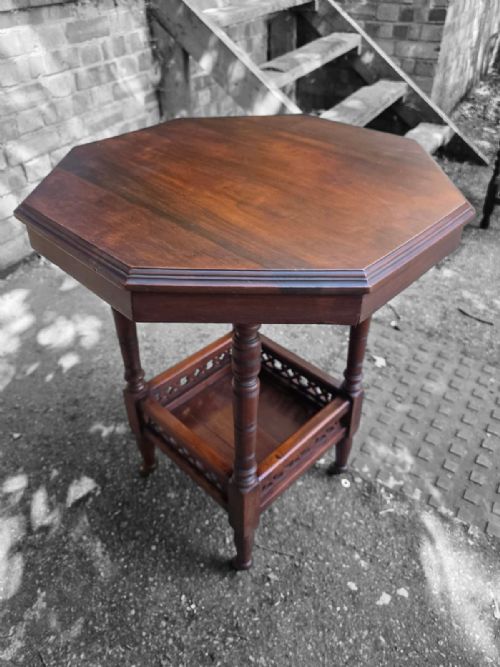
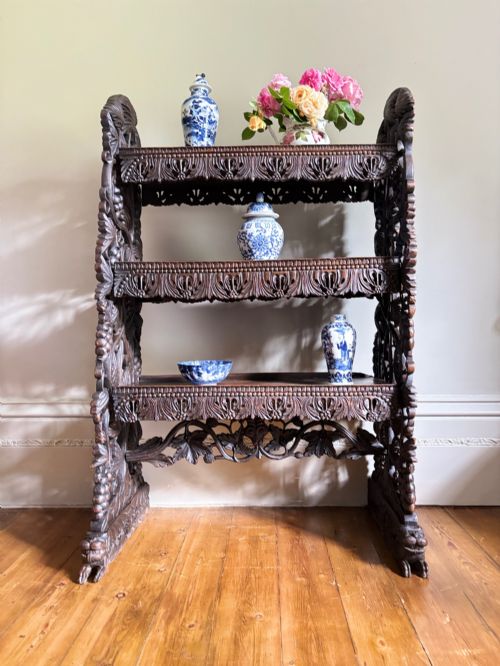
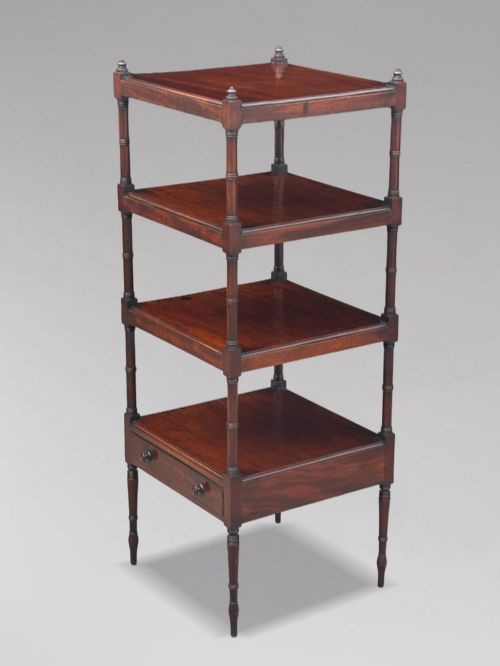
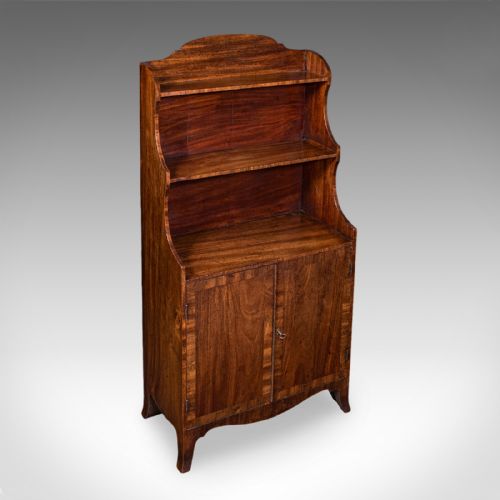
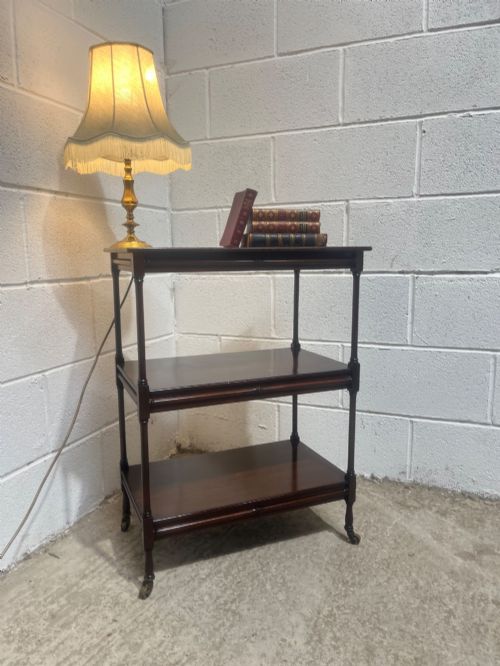
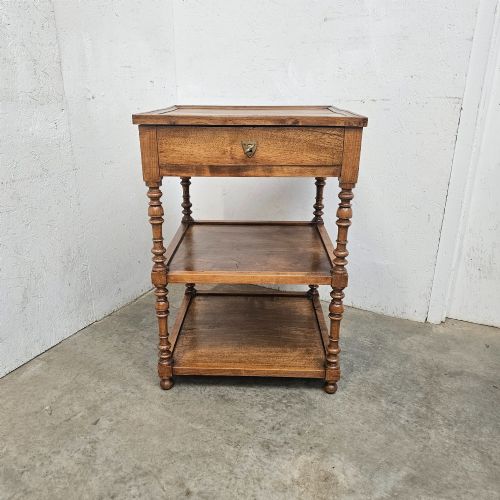
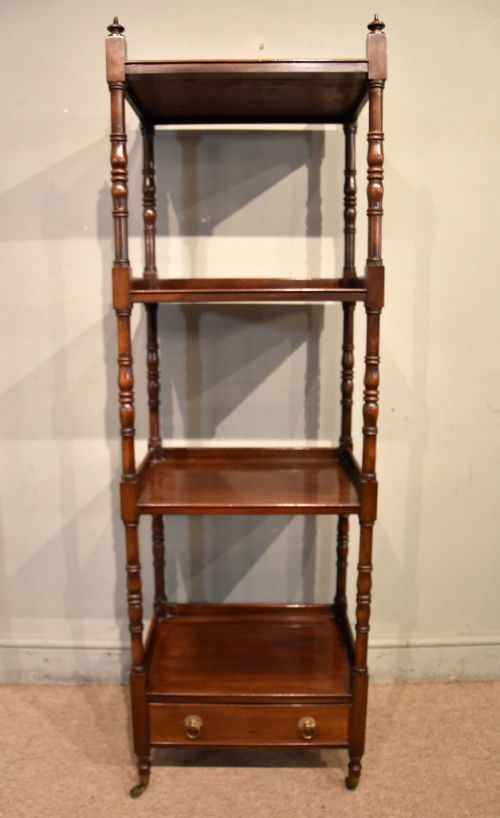
A 19th century tier stand encompasses various multi-shelved forms, including étagères, whatnots, bookcases, and plant stands designed to maximise vertical display space. The pieces meeting this search phrase range from compact two-tier corner units to tall six-tier dumb waiters.
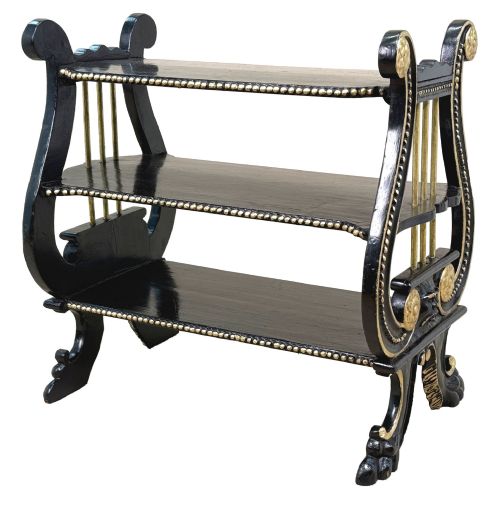
The material evidence spans traditional timbers such as mahogany, walnut, and rosewood alongside bamboo, brass, and ebonised wood. Examples appear across Georgian, Regency, and Victorian periods, with specific items reflecting aesthetic movement and Anglo-Indian styles.
Most pieces function as freestanding furniture for corners, hallways, or central placement in rooms. Buyers will encounter both domestic English cabinet-making and imported or revival designs from French, Chinese, and Indian traditions.
Materials and construction methods
Makers utilised solid and veneered timbers, binding structural integrity with turned supports, brass mounts, and occasional wirework or bamboo frames. Surfaces frequently display marquetry inlay, parcel gilding, or polished wood grains.
Joinery methods rely on stable tiered platforms secured by upright columns or corner pillars, allowing pieces to carry the weight of books, ceramics, and plants across multiple levels.
The listings demonstrate a wide material range, moving from heavy mahogany and rosewood to lightweight bamboo and painted wirework.
Distinctions in quality
Quality reveals itself in the selection of timbers like burr walnut and padouk, alongside the precision of inlaid marquetry and the rigidity of the tier supports. Finer examples exhibit considered proportions, balanced weight distribution across shelves, and integrated brass or gilt metal detailing.
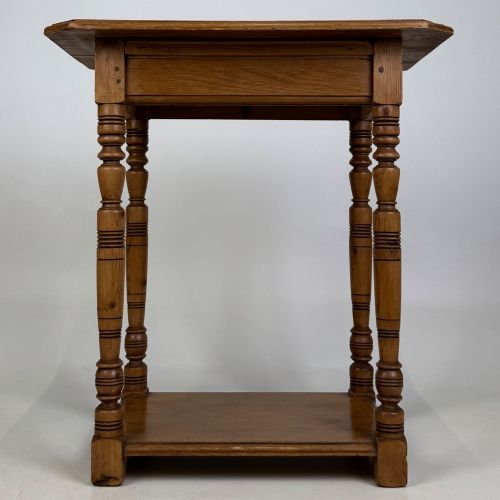
Simpler constructions utilise pine, bamboo, or painted wirework, where stability depends entirely on the tightness of the original joints and the preservation of the material against environmental wear.
Edwards & Roberts·W. Turner Lord & Co
The 19th Century Tier Stand Glossary
- Étagère
- A piece of furniture consisting of a set of open shelves for displaying small objects or ornaments. These usually stand against a wall or fit into a corner.
- Whatnot
- A multiple-shelf stand used for storage or display in nineteenth-century interiors. They appear frequently in mahogany, rosewood, and walnut.
- Marquetry
- Decorative veneer work where pieces of wood, metal, or shell are fitted into a ground material to form geometric or floral patterns. This technique frequently appears on French and Victorian pieces.
- Padouk
- A heavy, durable tropical hardwood with a reddish hue used in cabinet-making. It appears in nineteenth-century Anglo-Indian furniture.
- Dumb waiter
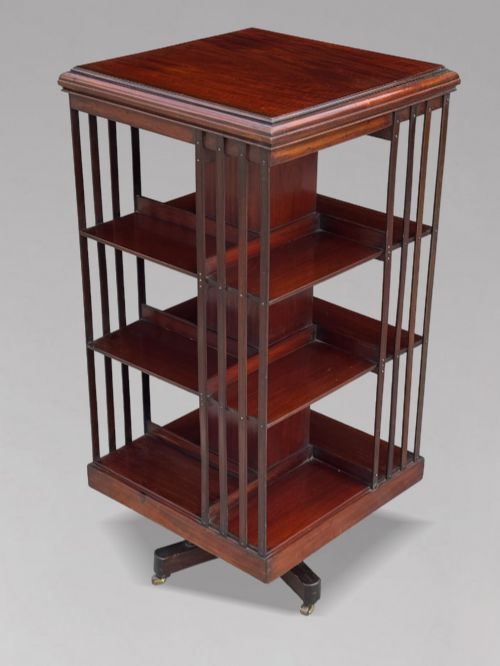
- A tiered stand or revolving set of shelves used originally for holding food or tableware. The form translates easily into multiple shelf arrangements for general display.
19th Century Tier Stand: Frequently Asked Questions
What rooms suit a tier stand?
These multi-level pieces fit easily into corners, hallways, and living spaces where horizontal surface area is limited.
Their stacked shelves provide practical display for plants, books, and small ornaments without occupying a large floor footprint.
How do I care for wood tiers?
Polished mahogany, walnut, and rosewood surfaces require regular dusting with a dry, soft cloth and occasional treatment with appropriate wax.
Direct sunlight and sudden changes in room humidity should be avoided to prevent the timber or veneer from drying out.
Are bamboo stands stable?
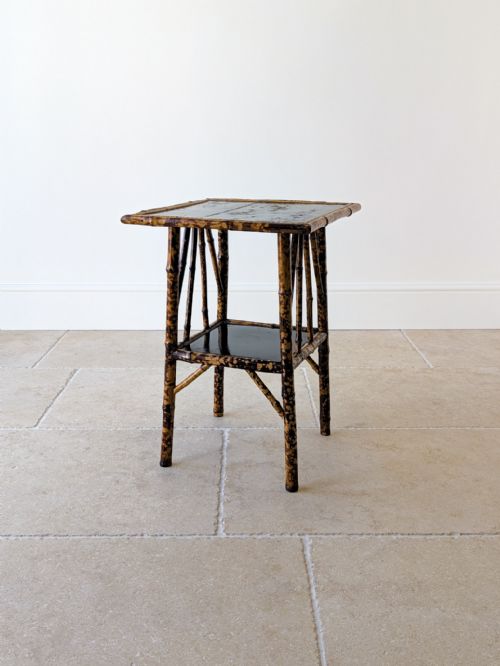
Nineteenth-century bamboo and lacquer pieces were constructed with surprising durability, though their lightweight frames suit decorative items rather than heavy loads.
Checking the bindings and joints ensures the tiered structure remains steady during everyday use.
What distinguishes a whatnot?
Whatnots are defined by their ascending tiers of open shelves supported by slender columns, designed specifically for the exhibition of household collections.
They evolved through the Georgian and Victorian periods into varied corner and freestanding configurations.