



19th Century Steel Pistol
When you search for a 19th century steel pistol, you enter a field defined by mechanical ingenuity, military service and diverse regional styling.
19th Century Steel Pistol
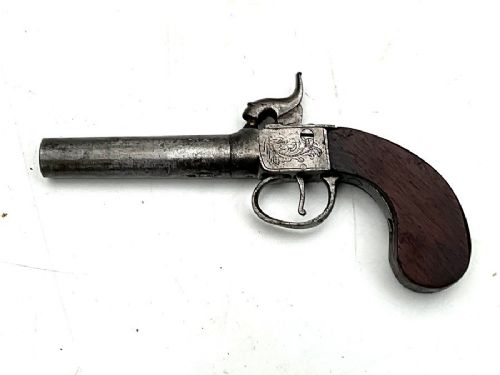
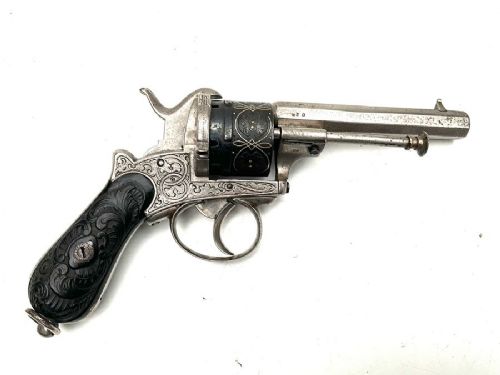
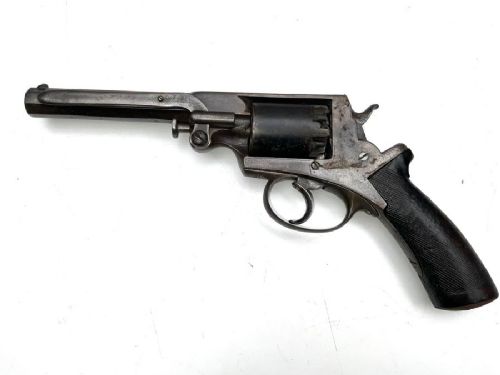
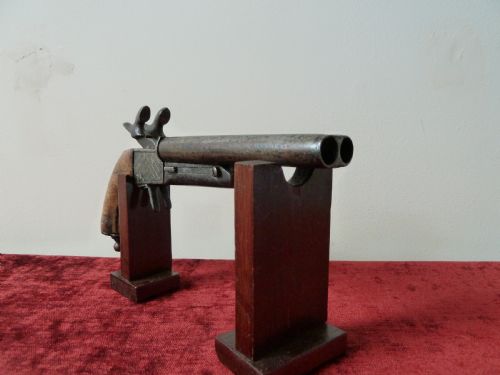
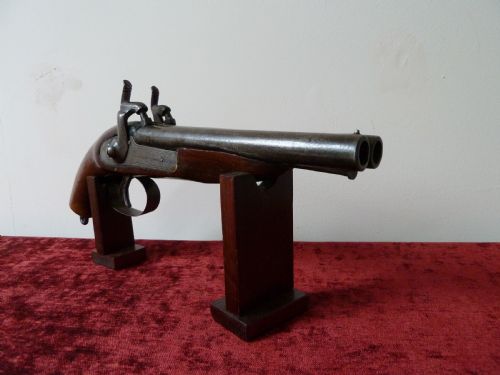
A 19th century steel pistol encompasses a wide variety of personal firearms produced during a century of rapid technological evolution, ranging from early flintlock ignition systems to advanced percussion revolvers and pinfire mechanisms. The examples gathered here span domestic pocket weapons, heavy military sidearms and elaborate diplomatic gifts from the Ottoman Empire and Europe.
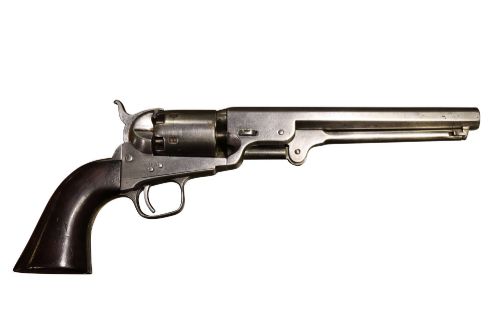
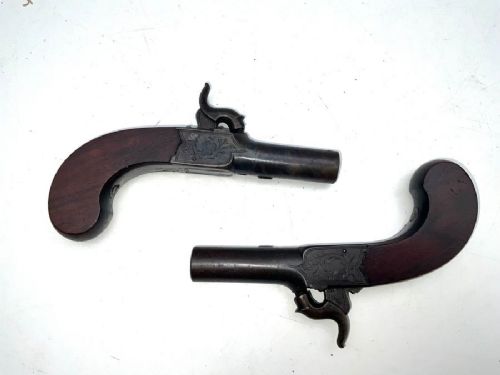
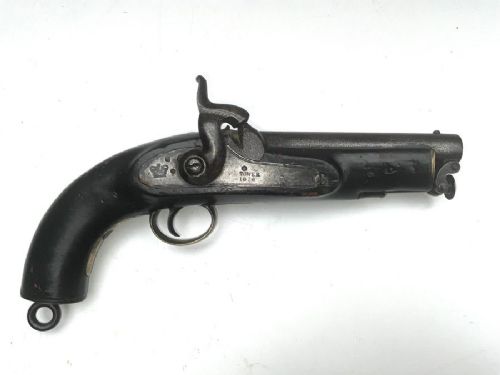
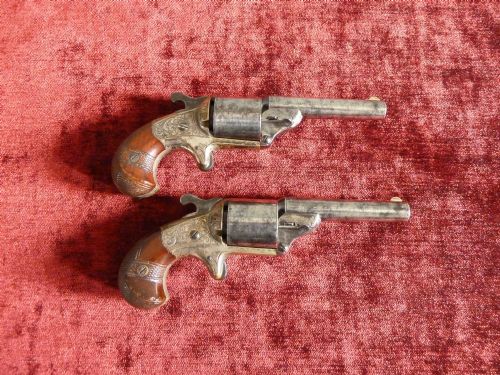
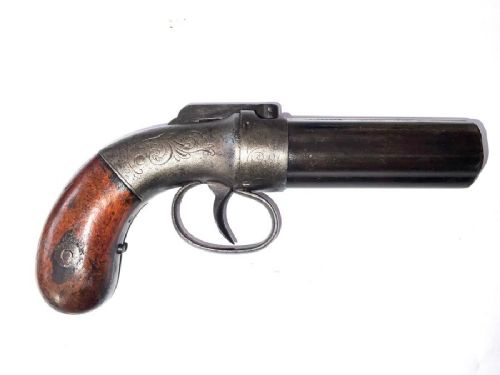
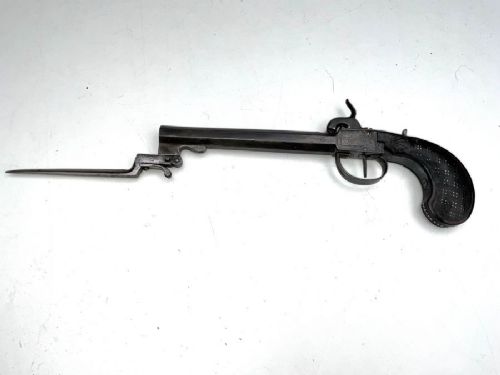
The version you are most likely to meet on this page is the mid-century percussion pocket pistol or belt pistol, often housed in pairs and dating from around eighteen-fifty. These span military contracts, such as British Army officer sidearms and American Civil War revolvers, alongside civilian self-defence pieces featuring folding bayonets or multiple revolving barrels.
How they were made
Makers constructed frames and barrels predominantly from forged steel and iron, pairing these metallic components with stocks carved from walnut, ebony or plain wood. Many pieces integrate brass furniture and iron trigger guards, whilst others display elaborate silver wire inlay or carved mother-of-pearl panels embedded into the grips.
Production methods shifted during the period from traditional hand-forged gunsmithing by regional artisans in London, Liège and Worcester toward interchangeable parts and factory manufacturing in American and British arsenals. Mechanics relied on precise machining for revolving cylinders, boxlock actions and spring-loaded flick bayonets.
Several pocket pistols hide spring-loaded bayonets beneath their barrels, ready to settle an argument after the powder runs out.
What varies in quality
Quality in a 19th century steel pistol rests upon the crispness of the mechanical action, the retention of original matching serial numbers and the integrity of the maker's signature or proof marks. Superior pieces demonstrate smooth cylinder rotation, crisp lock work and unblemished metal surfaces that retain their original browning or blued finish.
The standard of enrichment also divides standard service issue from presentation grade arms, visible in the depth of hand-chased engraving on steel frames, the quality of checkering on walnut grips and the inclusion of fitted wooden storage cases with original accessories.
Colt·Allen And Thurber·Deane Adams And Deane·Auguste Francotte·George Sherwood
The 19th Century Steel Pistol Glossary
- Percussion cap
- An ignition system introduced in the early nineteenth century that uses a small metallic cap placed on a nipple, struck by the hammer to detonate gunpowder. This method largely replaced flintlock ignition due to its reliability in wet weather.
- Rimfire
- A cartridge design where the priming compound is spun into the hollow rim of the base, allowing the firing pin to strike the edge of the casing to ignite the powder. These cartridges appeared widely in mid-nineteenth-century revolvers and pocket pistols.
- Boxlock
- A firearm action where the hammer and lock mechanism are contained within the frame itself rather than on a separate sideplate. This design offers a clean profile and robust construction common in pocket pistols.
- Snaphaunce
- An early flintlock mechanism utilising a steel frizzen and a separate mechanism to hold the pyrites, preceding the standardised flintlock. It appears on regional arms such as Afghan and Ottoman long pistols.
- Flick bayonet
- A spring-loaded blade housed beneath or beside the pistol barrel that flips forward into position when released. This dual-purpose mechanism suited officers and travellers requiring close-quarter defence.
19th Century Steel Pistol: Frequently Asked Questions
How do I identify the firing mechanism?
Examine the ignition area forward of the hammer to distinguish between early flintlocks, which use a flint striking a steel frizzen, and mid-century percussion systems, which rely on a small hammer striking a percussion cap placed on a nipple.
Later nineteenth-century arms utilise self-contained pinfire or rimfire cartridges, visible by the absence of external nipples and the presence of a revolving cylinder or breech-loading mechanism designed for metallic ammunition.
Were these pistols used in combat?
Many listings represent actual service arms issued to military personnel, including British Army officers, light dragoons and American troops during the Civil War.
Other pieces served as civilian pocket weapons for personal protection, whilst heavily ornamented examples from the Ottoman Empire functioned as status symbols or diplomatic presentation gifts rather than frontline sidearms.
How should I store a steel pistol?
Keep the firearm in a dry, stable environment away from humidity and direct sunlight to prevent active rust formation on the steel components and deterioration of the wooden grips.
If the piece is housed in a fitted wooden case, ensure the interior lining remains clean and free from acidic residues that can discolour metal over extended periods.
What does matching numbers mean?
Matching numbers indicate that the primary manufacturing components of a revolver or multi-part pistol bear the same serial number applied during factory assembly, confirming the parts remain original to one another.
This consistency is particularly valued by collectors of nineteenth-century military revolvers, as mismatched parts often suggest subsequent repair or replacement during active service.