

19th Century Spoon
These 19th century spoon examples range from vernacular treen and lovespoons to heavy silver table serving pieces.
19th Century Spoon
When you search for a 19th century spoon, you encounter a surprisingly wide variety of domestic implements, formal silver flatware, and carved folk art. The selection bridges the gap between utilitarian kitchen treen and the grand dining tables of the Victorian and Georgian eras.
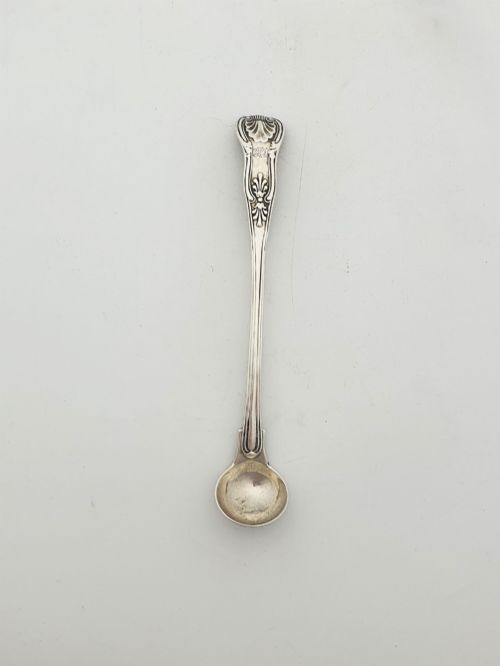
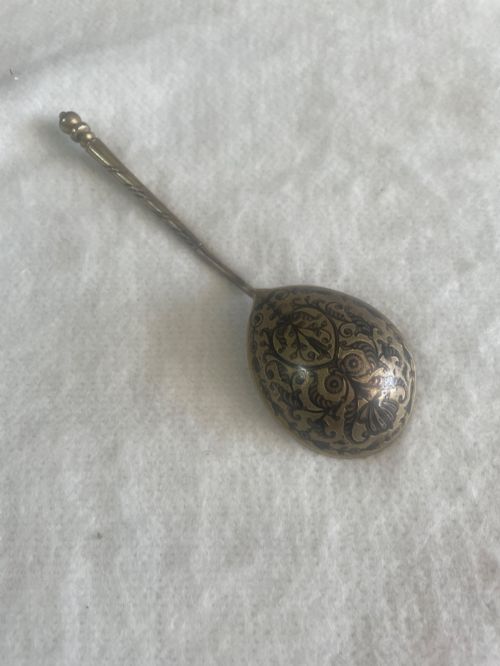
The most common silver iterations include serving spoons, basting spoons, condiment spoons, and marrow scoops marked by London, Dublin, and Moscow assay offices. Alongside these metal table wares sit wooden dairy spoons, fruitwood lovespoons, and even carved antler pieces.
Many items survive from the Victorian period, though earlier Georgian examples and continental Russian silver pieces also appear. Buyers often seek specific forms like mustard spoons, caddy spoons, or large soup ladles to match existing table settings or collections.
Materials and construction
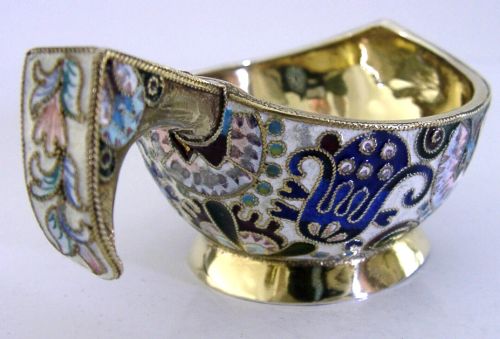
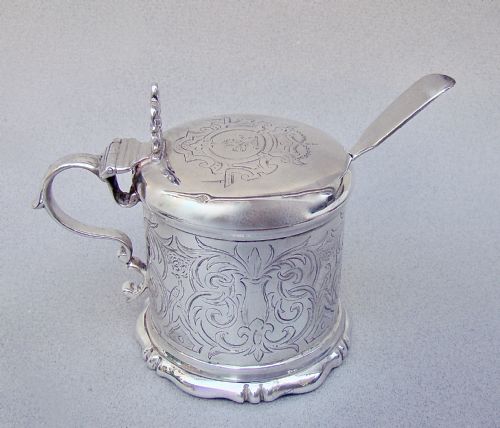
Makers utilised sterling silver, silver gilt, pewter, brass, and plate for formal dining utensils, frequently applying intricate hallmarks, piercing, and enamel work. Silversmiths shaped handles into distinct patterns such as the Queen's pattern and engraved bowls with crests or floral motifs.
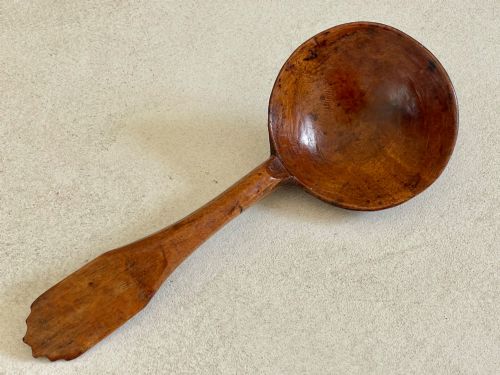
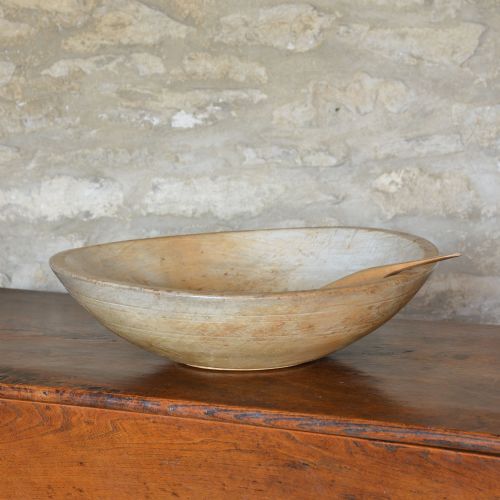
Wooden items rely on local timbers like sycamore, walnut, and fruitwood, shaped by hand into treen bowls or carved meticulously into traditional lovespoons with polychrome wax decoration. Antler and ceramic also served as primary materials for soup ladles and specialised utensils.
19th Century Spoon Retail Price Guide 2026
Typical asking prices for 19th century spoon among the pieces listed under this phrase on Sellingantiques today, from the lower quarter to the upper quarter. They describe what is for sale here now, not the wider market.
Listings feature sterling silver, silver gilt, pewter, brass, ceramic, and various woods including walnut, sycamore, and fruitwood.
Judging quality in domestic and silver wares
Quality rests upon the crispness of the silversmith's marks, the depth of hand-carved detail in treen and lovespoons, and the preservation of original patination. Pieces retaining clear assay office stamps, legible maker initials, and undamaged enamel or gilding hold greater distinction.
Wear patterns reveal the history of a tool, but excessive thinning to silver bowls or splits in wooden dairy spoons detract from the structural integrity. Superior examples display balanced proportions, crisp engraving, and genuine domestic use that enhances the warmth of the material.
Beare Falcke·John Yates·Charles and George Fox·Jonathan Hayne·George Unite·Mary Chawner
The 19th Century Spoon Glossary
- Treen
- Small handmade wooden household objects. These domestic items include dairy bowls, ladles, and spoons shaped from local timbers.
- Lovespoon
- A carved wooden courting gift. Makers decorated these decorative folk art pieces with symbols like hearts, chains, and initials.
- Marrow scoop
- A narrow double-ended silver utensil. Victorians used these long implements to extract marrow from bones during formal meals.
- Hallmark
- Official stamps pressed into precious metals. These marks indicate the assay office, metal purity, and year of manufacture.
- Gilt
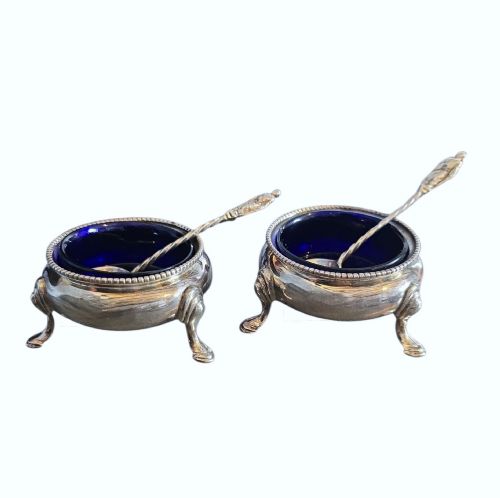
- A thin layer of gold applied to silver surfaces. This technique gives objects a rich interior glow, particularly seen in salt cellars and spoon bowls.
19th Century Spoon: Frequently Asked Questions
What is a marrow scoop?
A marrow scoop is a specialised silver utensil featuring a long, narrow trough at both ends. Wealthy households utilised them at the dining table to extract bone marrow.
Most examples date from the Georgian and Victorian periods, often bearing clear silversmith marks and assay office stamps.
How do I care for silver spoons?
Sterling silver requires gentle cleaning with specialised cloths to prevent the loss of fine engraving and hallmarks. Avoid harsh chemical dips that strip away desirable historical patination.
Store silver items in dry, tarnish-resistant environments and handle them carefully by the stem to preserve the surface.
How are periods identified?
Period identification relies upon a combination of stylistic cues, manufacturing techniques, and official metal hallmarks. Silversmith stamps provide precise city and year codes for metal pieces.
Wooden treen and folk art require close inspection of tool marks, wood species, and wear patterns to estimate the decade of origin.