



19th Century Silver Condiment
These 19th century silver condiment pieces bring nineteenth-century dining tables to life with sterling silver, plate, and glass.
19th Century Silver Condiment
When you search for 19th century silver condiment pieces, you encounter everything from individual salt cellars and mustard pots to multi-bottle cruet sets and novelty pepperettes. The items on this page span the Victorian era, William IV period, and continental workshops, reflecting formal dining habits of the eighteen-hundreds.
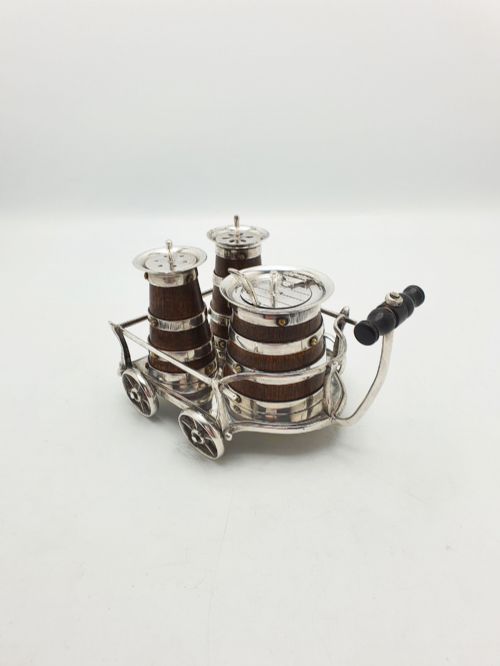
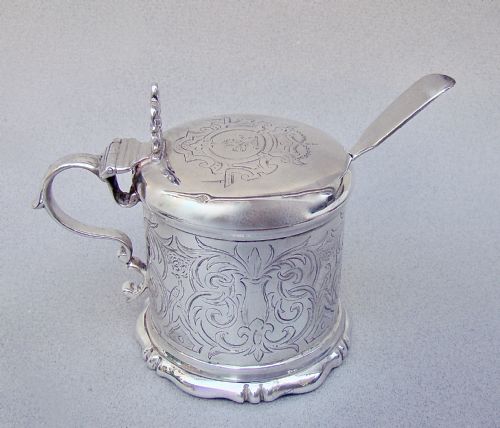
You are most likely to meet silver-plated or sterling silver table wares, often paired with cut glass bottles, oak barrels, or porcelain elements. The forms range from functional drum mustard pots and six-bottle cruet stands to playful novelty pieces shaped like Mr Punch's dog Toby, garden wheelbarrows, and baby peppers.
Judging quality in table silver
Quality separates mass production from master craftsmanship through the crispness of cast figural details and the precision of pierced metalwork. Hand-chased motifs and heavy gauge metal distinguish superior sterling pieces from lighter silver-plated alternatives.
The integration of materials also defines distinction, such as the clarity of cut glass bottles fitted snugly into silver-plated frames or oak barrel cruet sets. Provenance and original matching components elevate specific pieces above standard dining room wares.
19th Century Silver Condiment Retail Price Guide 2026
Typical asking prices for 19th century silver condiment among the pieces listed under this phrase on Sellingantiques today, from the lower quarter to the upper quarter. They describe what is for sale here now, not the wider market.
Materials span sterling silver, silver plate, cut glass, oak wood, and pewter.
Charles & George Fox·Mappin Brothers·Wade Wingfield Wilkins·Michael Alexandrovich Romanov
The 19th Century Silver Condiment Glossary
- Cruet set
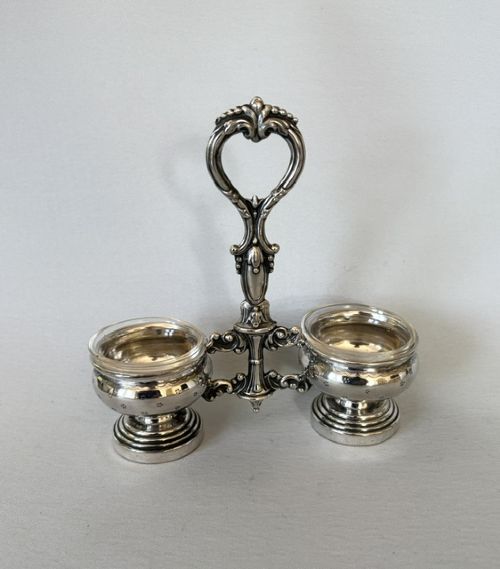
- A matched collection of glass bottles or jars mounted in a silver or silver-plated frame for holding condiments at the table. These frames often include handles for passing around the dining company.
- Pepperette
- A small shaker or pot designed specifically for dispensing ground pepper onto food. Nineteenth-century examples frequently take whimsical novelty shapes.
- Mustard pot
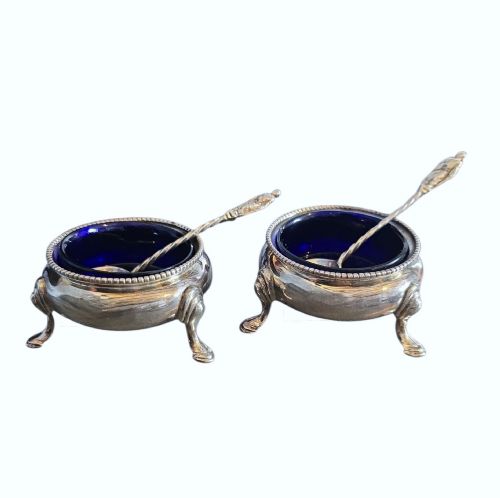
- A small container with a hinged lid and accompanying spoon, made to hold prepared mustard. They often feature blue glass liners to protect the metal from vinegar corrosion.
- Salt cellar
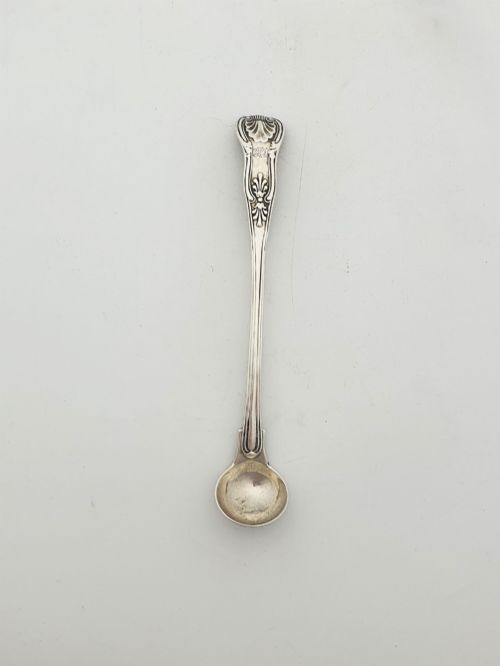
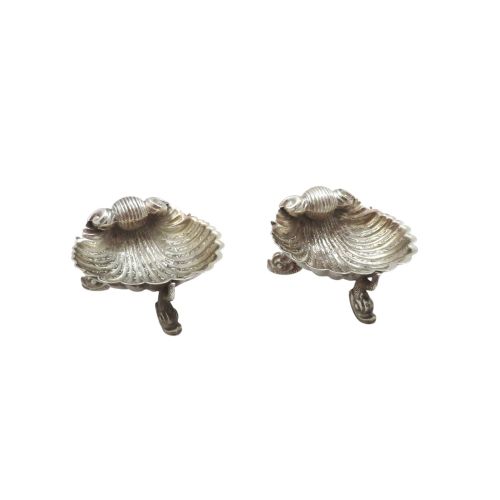
- An open vessel used to hold salt before the invention of individual shakers, usually paired with a small spoon. Victorian examples often adopt naturalistic forms like shells or wheelbarrows.
- Silver plate
- A layer of silver fused to a base metal foundation, widely utilised during the nineteenth century for large cruet frames. It offered the appearance of solid silver at a lower manufacturing cost.
19th Century Silver Condiment: Frequently Asked Questions
What is a cruet set used for?
A cruet set held essential table condiments like vinegar, oil, pepper, and mustard within easy reach of diners.
Servants or guests would use the stand to transport multiple bottles across the dining table during formal meals.
How do I clean antique silver condiment pieces?
Cleaning requires a soft cloth and a gentle silver polish formulated to preserve antique patinas.
Harsh chemical dips should be avoided, particularly on plated items or pieces combined with glass and oak.
Are novelty pepper pots hard to find?
Victorian makers produced numerous novelty pepperettes shaped as animals, figures, and objects for wealthy households.
Today, these characterful designs remain sought-after by collectors focusing on nineteenth-century table silver.