


19th Century Silver Centrepiece
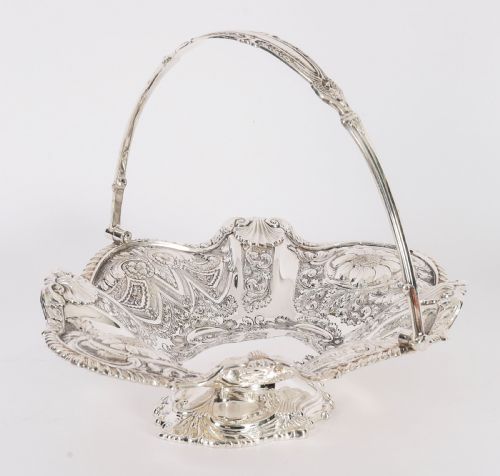
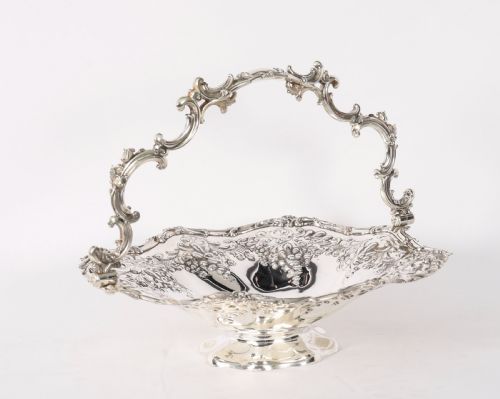
A 19th century silver centrepiece brings commanding scale and intricate ornamentation to a dining table, offering a focal point designed to display fruit or flowers.
19th Century Silver Centrepiece
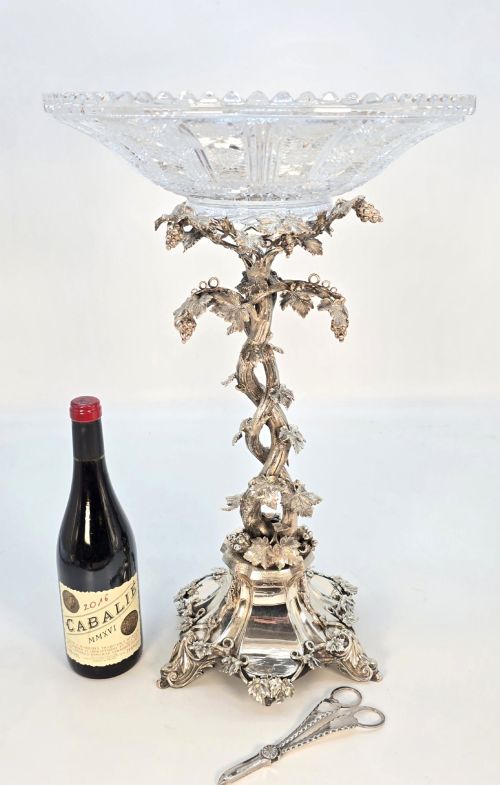
A 19th century silver centrepiece typically takes the form of a large decorative bowl, epergne, or tazza designed to anchor a formal table setting. These items emerge from periods spanning the Georgian era through the Victorian years, reflecting changing domestic tastes in dining display.
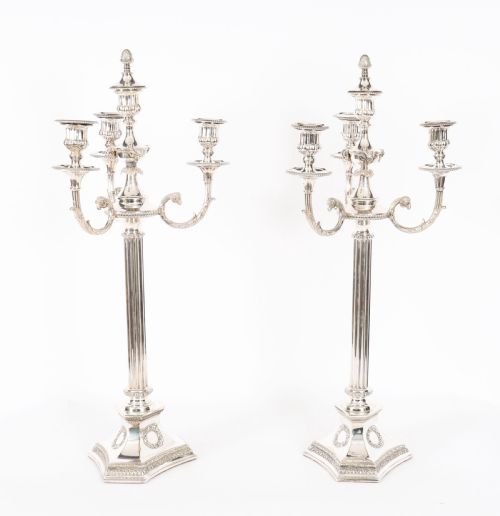
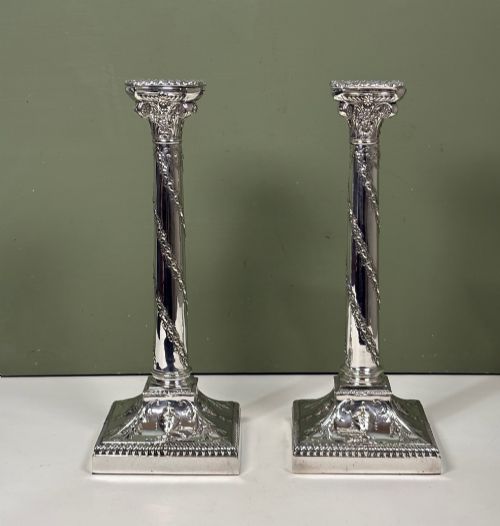
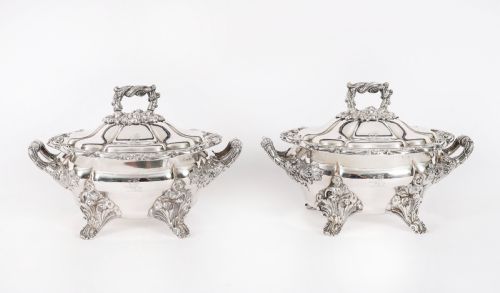
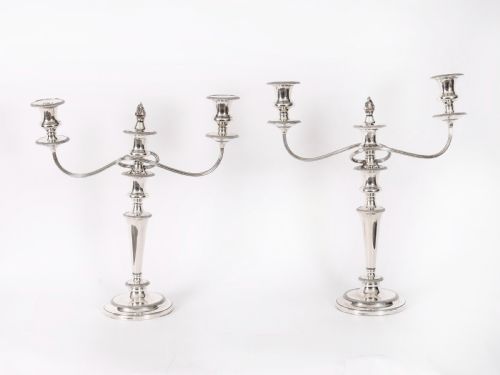
The selections available include silver plated and solid sterling silver versions, frequently paired with heavy cut glass bowls or liners. Alongside dedicated centrepieces, buyers encounter related table service items such as fruit baskets, candelabra, wine coolers, and tureens sharing the same period aesthetic.
Origins stretch across English, Anglo-Indian, Austro-Hungarian, Belgian, and Dutch workshops, demonstrating diverse regional approaches to ornamentation. The prevailing styles draw heavily upon Victorian, Regency, Rococo Revival, and Neoclassical design vocabularies.
How they were made
Makers utilised solid sterling silver or applied silver plating over base metals such as copper and electroplated nickel silver. Old Sheffield Plate appears alongside mid-century plating techniques, creating durable surfaces capable of sustaining detailed decoration.
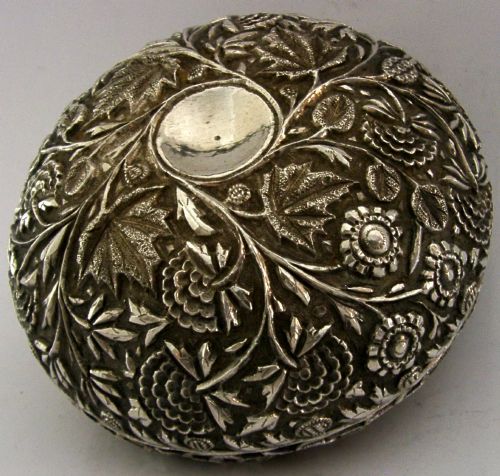
Craftsmen executed intricate ornamentation through repoussé work, piercing, and wirework, creating floral, bird, and scroll motifs across bowls and baskets. Structural elements like candelabra arms and figural supports involved casting, while cut glass components were deeply faceted to complement the reflective metal frames.
The inventory records pieces created across diverse design movements including Neoclassical, Regency, and Rococo Revival.
What varies in quality
The standard of a 19th century silver centrepiece rests upon the crispness of the chased or repoussé decoration and the depth of the metalwork. Pieces displaying sharp, hand-finished details and substantial weight demonstrate superior craftsmanship compared to simpler, mass-produced alternatives.
The integration of materials also defines the piece, particularly where cut glass bowls or liners meet fitted silver mounts without gaps or awkward transitions. Maker marks and hallmarks from established workshops provide an additional indication of pedigree and workshop standard.
George W. Scott & Sons Ltd·Garrard & Co·Daniel and Arter·Josiah Williams & Co·James Dixon·Wade Wingfield Wilkins·James Deakin·Elkington·Mappin & Webb·Benetfink & Co
The 19th Century Silver Centrepiece Glossary
- Centrepiece
- A large decorative vessel placed in the middle of a dining table for formal display. These objects usually hold fruit, flowers, or sweetmeats.
- Epergne
- A tiered table centrepiece featuring a central basket surrounded by smaller hanging baskets or arms. They are frequently combined with cut glass inserts.
- Repoussé
- A metalworking technique where the artisan hammers the design from the reverse side to form raised patterns on the front. This method creates tactile floral and animal motifs.
- Old Sheffield Plate
- An early fusing method where a thin sheet of silver is fused to a thicker copper core by heat and pressure. Edges often reveal the underlying copper layer.
- Compote
- A stemmed dish used for serving fruit or preserves at the table. They appear in solid silver as well as intricate wirework.
19th Century Silver Centrepiece: Frequently Asked Questions
How were centrepieces used?
These large vessels sat in the middle of the dining table during formal meals to display fruit, flowers, or decorative arrangements.
They served as conversational centrepieces that reflected the host's taste and wealth during large dinner parties.
What is Old Sheffield Plate?
Old Sheffield Plate is an early fusing technique where a sheet of silver is bonded to a copper base using heat and pressure.
This method predates electroplating and often shows subtle traces of copper along exposed rims or wear points.
How do I clean silver plate?
Silver plate requires gentle cleaning with a specialised silver polish and a soft cloth to avoid wearing through the thin metal layer.
Avoid harsh abrasive cleaners that can damage the underlying copper or brass base.
Are glass liners original?
Many centrepieces and baskets include cut glass bowls or liners designed to hold moisture and protect the metal from acidic fruits.
Matching cut glass components often feature period-appropriate faceting that complements the surrounding silver framework.