




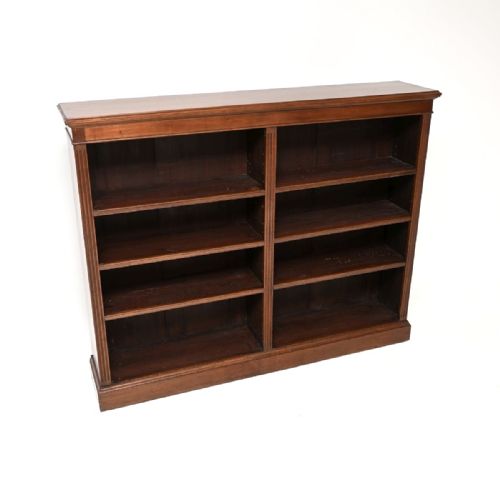
19th Century Shelving Unit
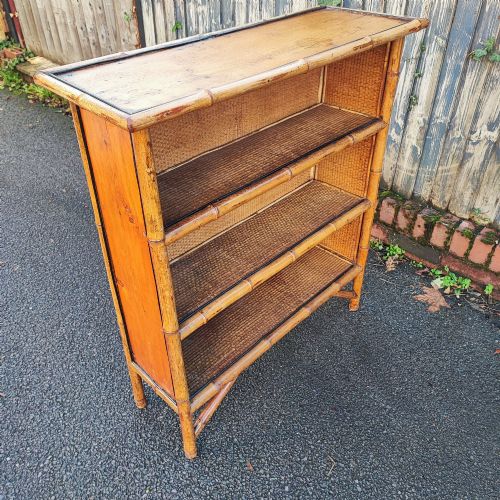
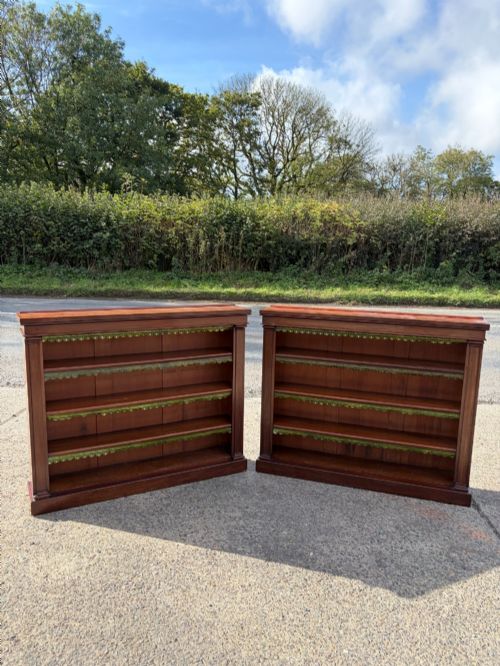
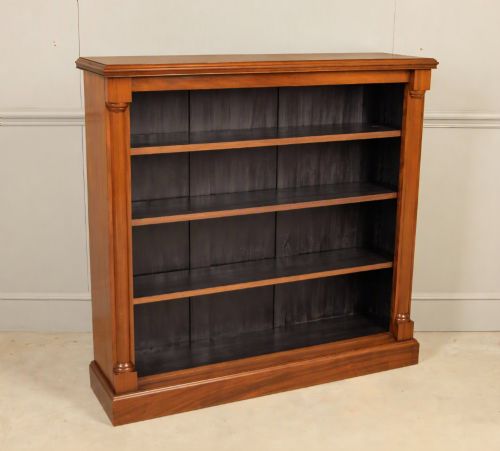
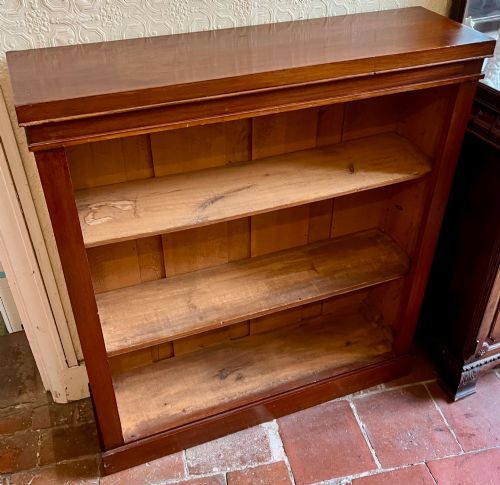
A 19th century shelving unit brings period timber and practical display space into a room, offering open tiers for books and ornaments.
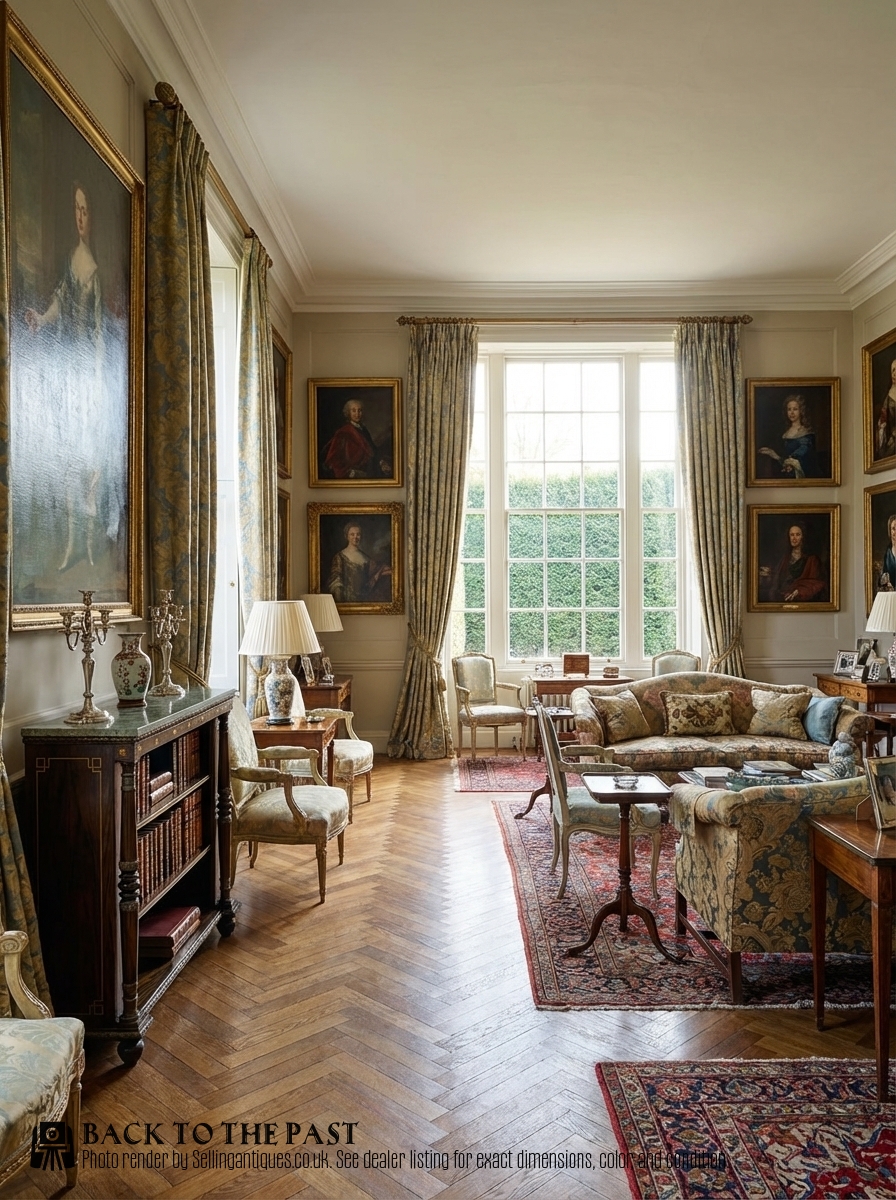
19th Century Shelving Unit
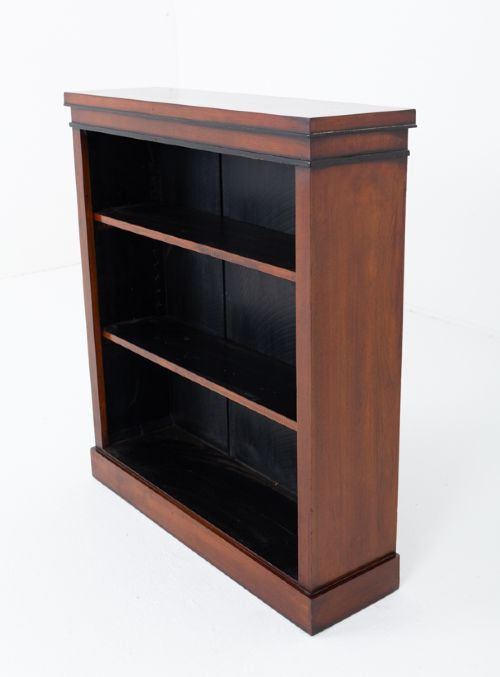
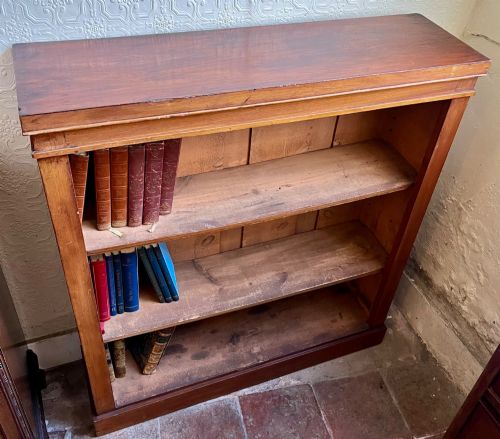
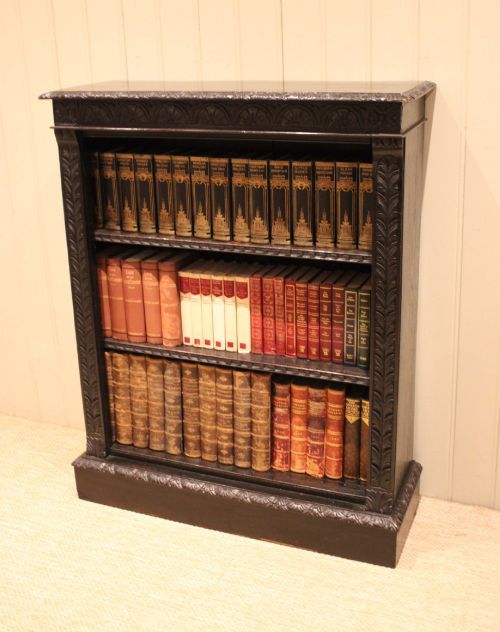
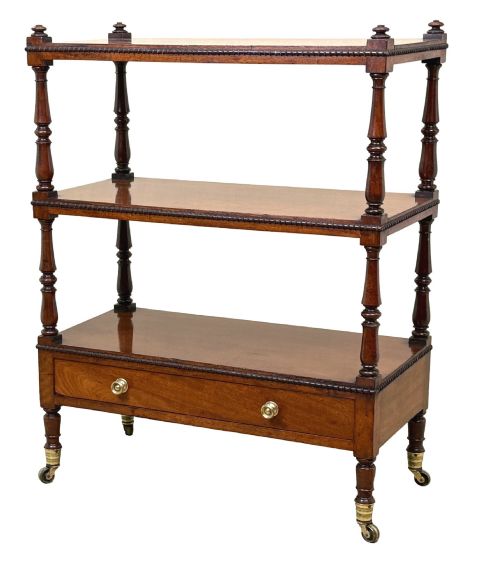
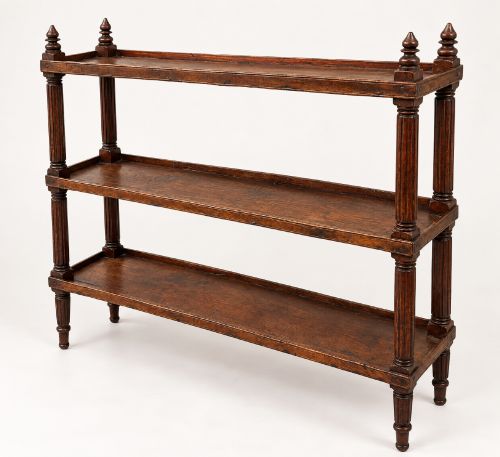
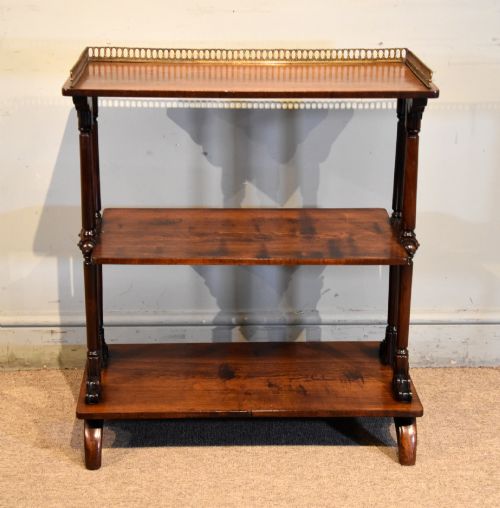
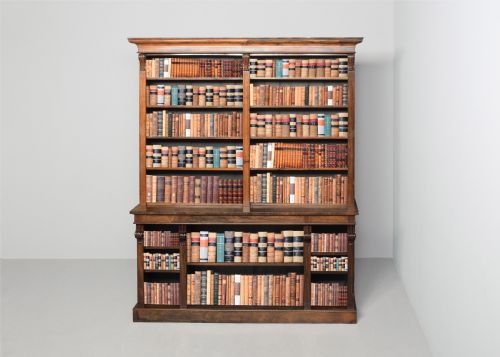
A 19th century shelving unit encompasses open bookcases, wall shelves, etageres, and whatnots originating from the Victorian, Regency, and Georgian periods. These pieces serve to store books and display ornaments while anchoring a room with period furniture forms.
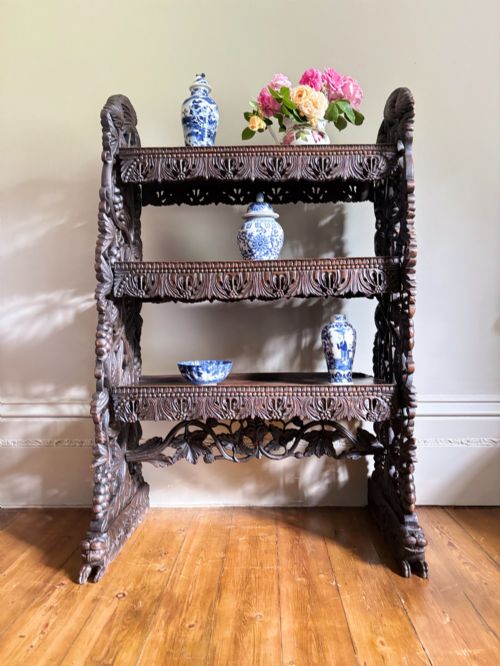
The versions most commonly met on this page are mahogany, rosewood, and walnut open bookcases alongside tiered whatnots and wall-mounted shelves. Makers and manufacturers produced both freestanding library furniture and smaller hanging or corner units for domestic use.
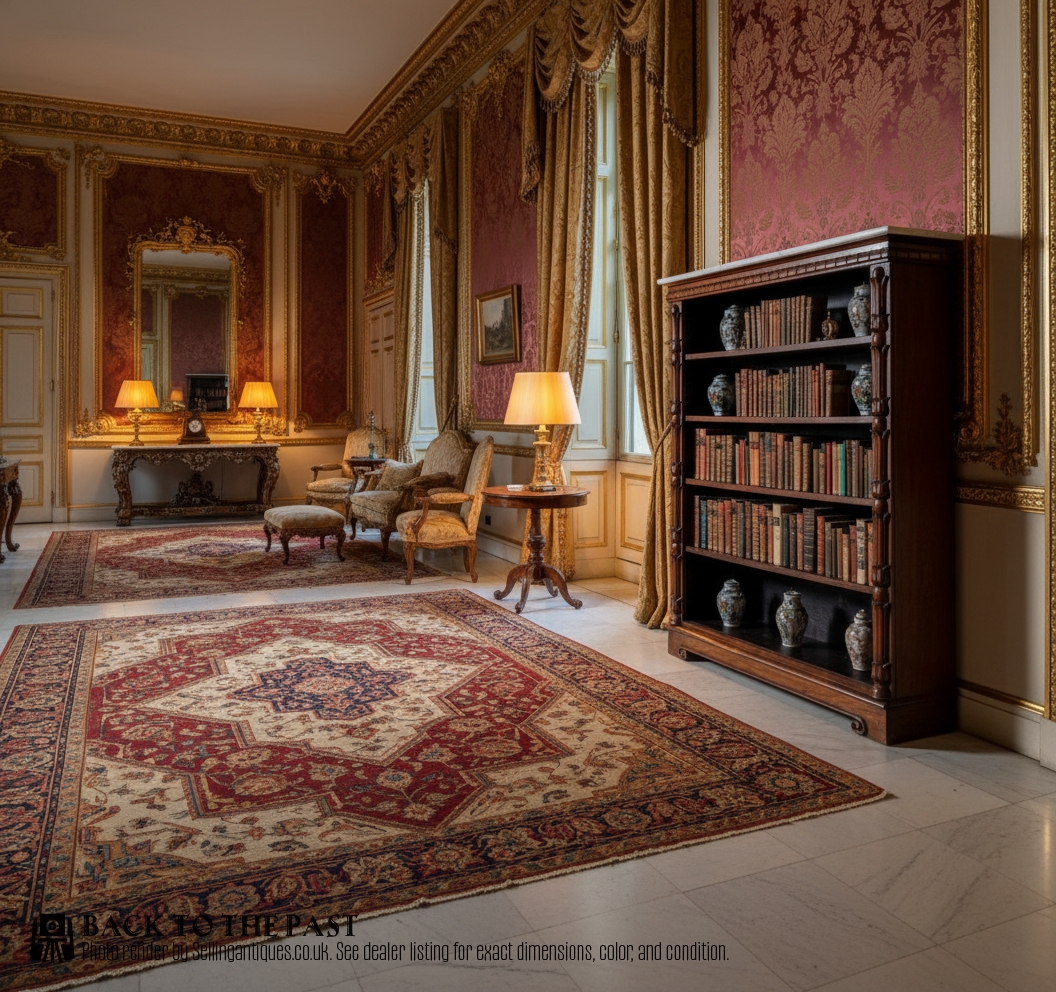
How they were made
Cabinetmakers constructed these pieces using dense hardwoods such as mahogany, rosewood, walnut, padauk, and oak, often selecting burr veneers for decorative grain patterns. Pine and teak also appear in regional and utility furniture.
Joinery techniques included adjustable shelf mechanisms, turned legs, carved ornamentation, and occasionally ormolu mounts or brass details. Items range from simple pegged pine kitchen racks to breakfront library bookcases with complex sectional construction.
19th Century Shelving Unit Retail Price Guide 2026
Typical asking prices for 19th century shelving unit among the pieces listed under this phrase on Sellingantiques today, from the lower quarter to the upper quarter. They describe what is for sale here now, not the wider market.
Object forms span open bookcases, wall shelves, corner whatnots, etageres, chiffoniers, alcove cupboards, and baker's wrought iron racks.
What varies in quality
The distinction between ordinary and superior pieces lies in the choice of timber, the crispness of carved details, and the sophistication of the internal construction. Selected burr veneers, finely turned supports, and integrated adjustable shelving elevate a piece above standard utility items.
Proportion and integrity dictate value in period furniture. Pieces that retain their original surfaces, matching grain patterns, and sound structural joinery stand apart from heavily altered or mismatched examples.
The 19th Century Shelving Unit Glossary
- Waterfall bookcase
- A tiered shelving unit where each successive shelf steps back from the one below, creating a cascading profile popular in the Regency period.
- Whatnot
- A freestanding piece of furniture consisting of multiple open shelves supported by pillars or columns, designed for displaying ornaments.
- Etagere
- A set of open shelves for displaying small objects or china, originating in France and frequently featuring turned legs or delicate supports.
- Chiffonier
- A low cabinet, often topped with a small tier of shelves, combining enclosed storage with display space.
- Breakfront
- A piece of furniture whose central section projects forward from the flanking sections, creating depth and architectural presence.
- Padauk
- A heavy tropical hardwood with a distinctive reddish-brown colour, utilised in overseas trade pieces such as Anglo-Indian shelving.
19th Century Shelving Unit: Frequently Asked Questions
What is an etagere?
An etagere is a multi-tiered open shelving unit designed primarily for displaying small decorative objects, porcelain, and curiosities. These pieces originated in France and typically feature slender vertical supports.
Unlike standard bookcases intended for heavy volumes, etageres prioritise delicate open display and graceful proportions over heavy load-bearing capacity.
How do I identify a Regency bookcase?
Regency bookcases date from the early decades of the 19th century and often exhibit classical restraint, clean architectural lines, and fine mahogany or rosewood timbers. Brass inlay and waterfall tiers frequently appear in this group.
They differ from later Victorian iterations by eschewing heavy ornamentation in favour of refined proportions and subtle decorative brasswork.
Were these shelves used for books?
Many open bookcases and shelving units were specifically built to house circulating libraries and private collections in 19th-century homes. Adjustable shelving systems allowed owners to accommodate volumes of varying heights.
Other formats, such as whatnots and wall racks, served domestic functions for displaying ceramics, tea wares, and decorative ornaments rather than heavy reference books.
What is burr walnut?
Burr walnut is a highly decorative wood veneer harvested from the warted growths on walnut trees, yielding intricate, swirling grain patterns. Cabinetmakers applied it to the primary surfaces of high-status Victorian furniture.
This material creates a striking visual texture that sets luxury breakfront bookcases and cabinets apart from plain timber examples.
How do I care for antique wood?
Antique wood furniture requires stable indoor humidity away from direct sunlight and heat sources to prevent timber from drying, warping, or cracking. Gentle dusting with a dry, soft cloth preserves the historic polish.
Avoid silicone-based sprays and harsh chemical polishes, which can degrade the original finish over time.