
Adjustable Open Shelves
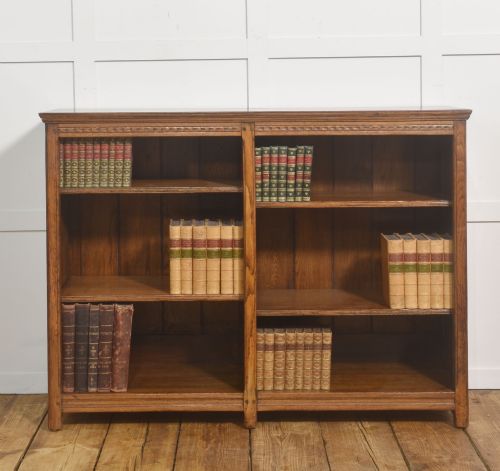
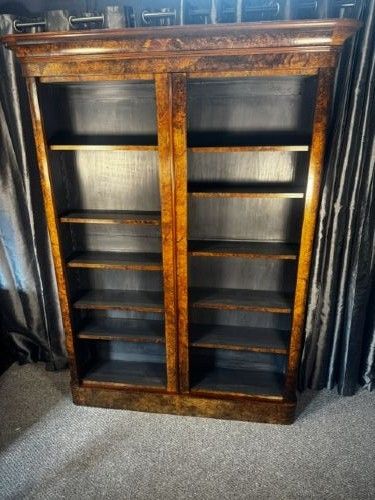
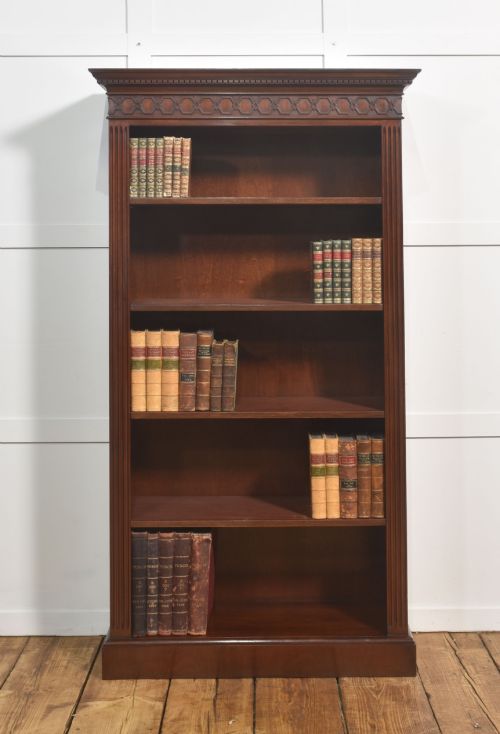
Adjustable open shelves offer accessible storage for libraries and studies, combining practical height variations with display space.
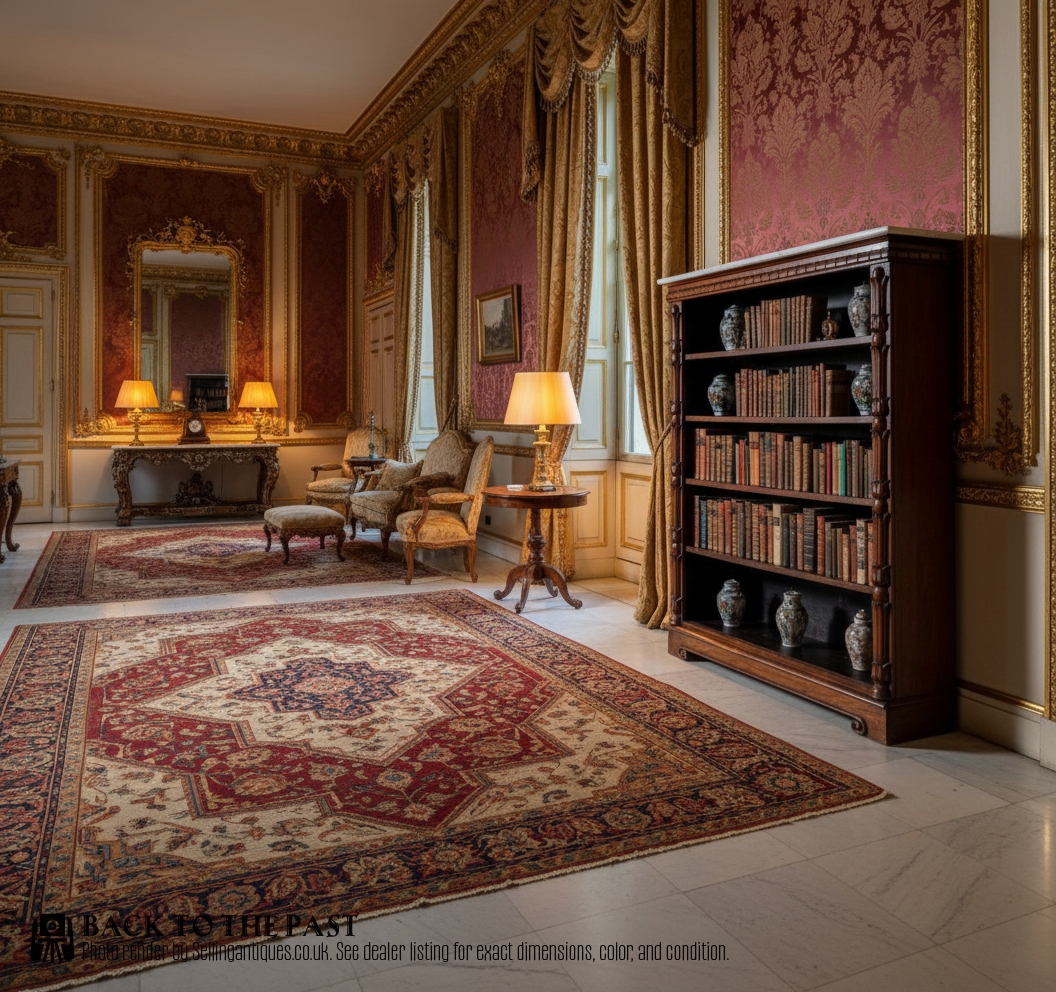
Adjustable Open Shelves
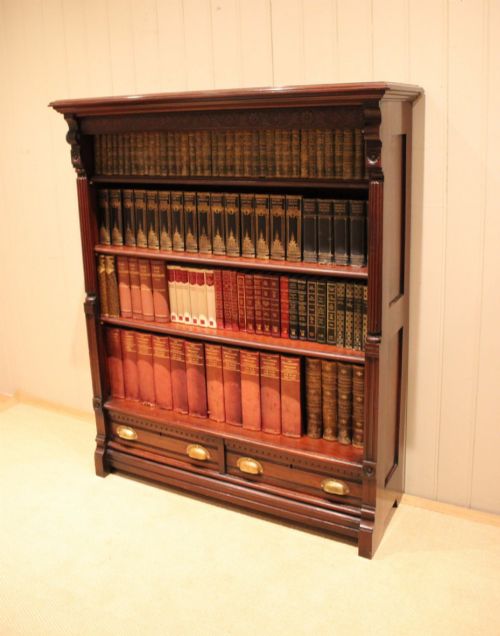
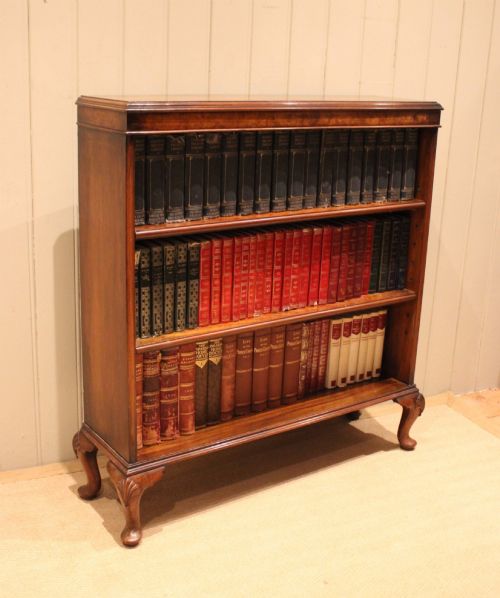
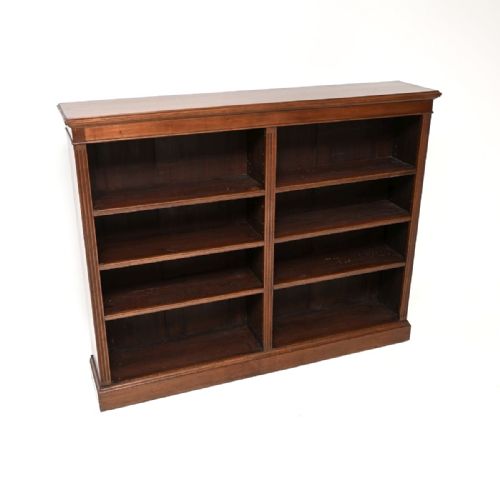
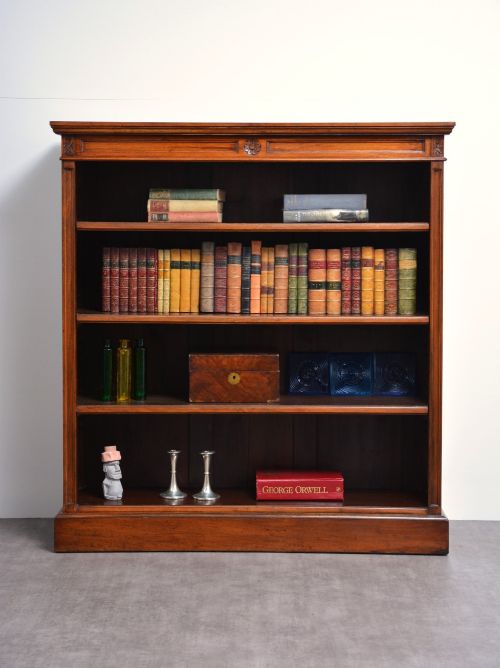
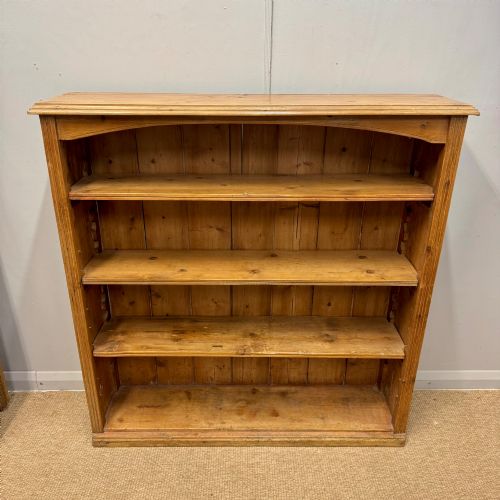
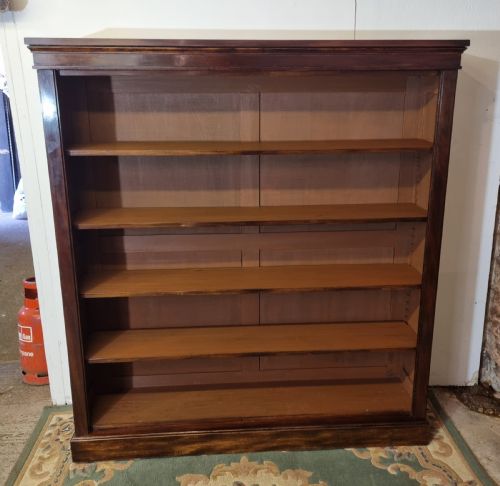
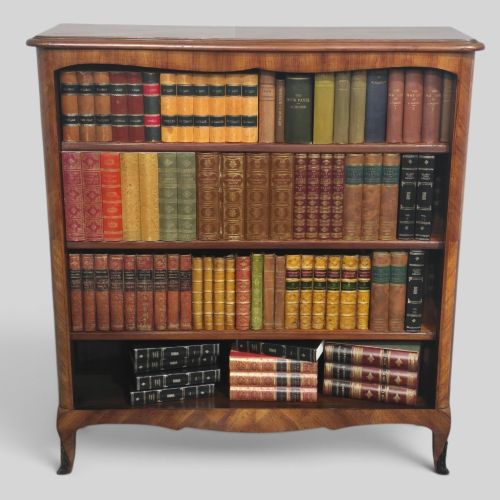
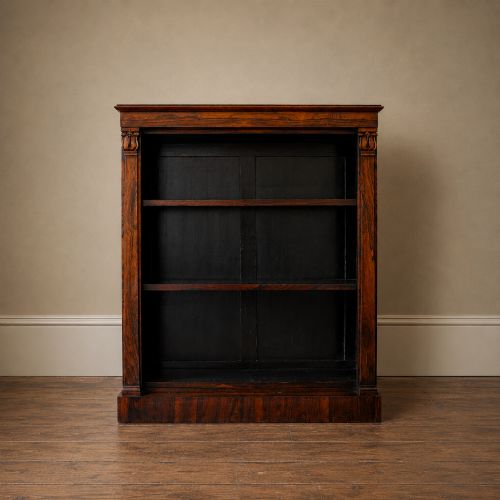
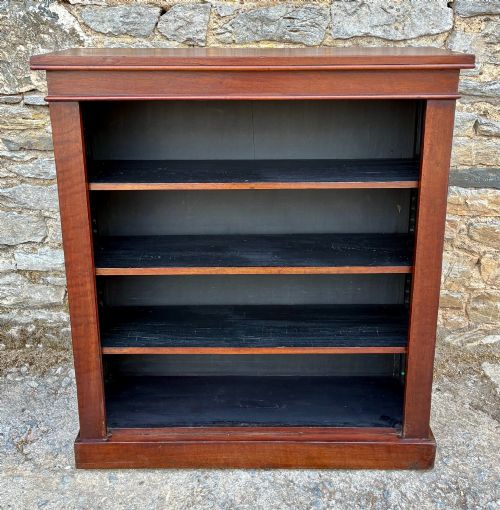
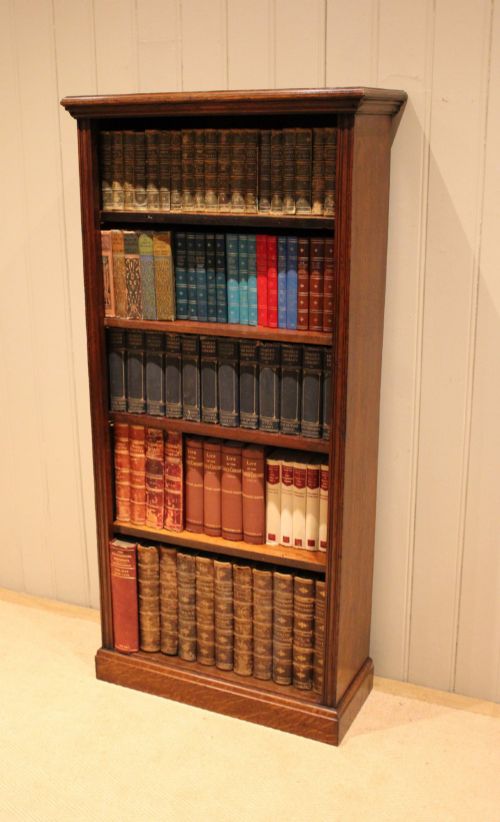
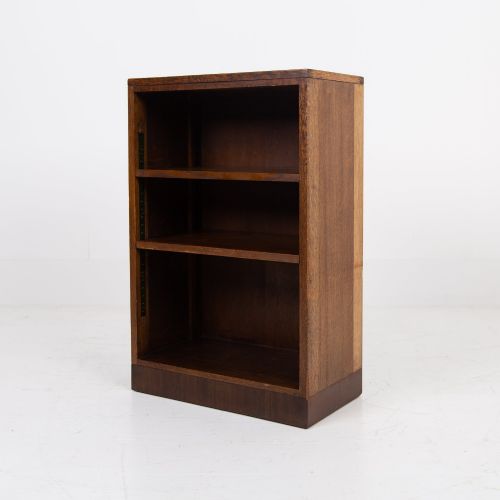
Adjustable open shelves primarily appear as bookcases and open library units designed to accommodate books of varying heights through movable shelf mechanisms. These pieces emerge predominantly from the nineteenth and early twentieth centuries, spanning Victorian, Edwardian, and Regency periods.
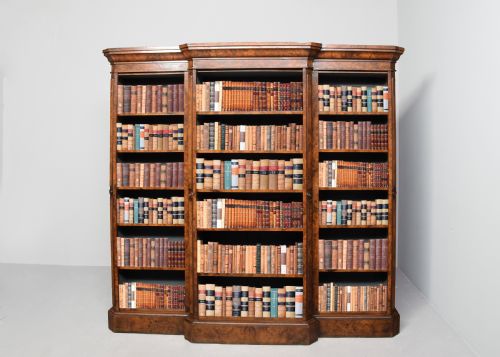
Buyers encounter forms ranging from small dwarf bookcases to large breakfront library pieces with multiple sections. Mahogany, oak, and walnut form the core of the selection, occasionally augmented by rosewood, pine, and specialised veneers.
The layout typically involves an open front backed by timber panels, occasionally featuring decorative carving, leather tops, or marble surfaces. Standard proportions vary from low dwarf units to tall structures containing multiple adjustable tiers.
How they were made
Cabinet makers utilised dense hardwoods such as mahogany, oak, and walnut for the primary carcass construction and structural framing. Selected pieces incorporate burr walnut, rosewood veneer, or satinwood banding across the display surfaces.
Internal shelf support relies on traditional wooden ratchets, brass studs, or movable pegs set into vertical grooves. Joinery methods include solid timber alignment for weight-bearing shelves alongside applied mouldings and carved architectural detailing.
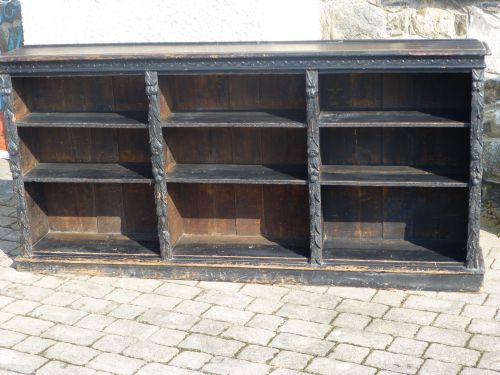
Watch for carved green men peering through the foliage on nineteenth-century oak woodwork.
What varies in quality
Quality rests in the selection of figured timbers like burr walnut or substantial mahogany, matched with the precision of the shelf adjustment mechanism. Simpler softwood or pine versions occupy a different tier from complex breakfront library bookcases featuring fitted columns and brass hardware.
Construction depth dictates overall merit, seen in multi-section breakfronts versus simple single-bay dwarf units. The integrity of the timber patination and the refinement of period stylistic details, such as carved panels or inlay work, distinguish finer workshop output.
Waring and Gillows·Gillows
The Adjustable Open Shelves Glossary
- Breakfront
- A cabinet design where the central section projects forward from the flanking outer sections. This configuration often appears on larger nineteenth-century library pieces.
- Dwarf bookcase
- A low-standing bookcase designed to sit beneath window height or leave wall space clear above. These units are common in nineteenth-century residential interiors.
- Ebonised
- Timber treated with a dark stain or finish to imitate ebony. This technique frequently highlights carved details on nineteenth-century furniture.
- Veneer
- A thin layer of figured wood applied over a secondary timber base. Walnut and rosewood veneers add decorative grain patterns to the primary carcass.
- Ratchet
- An adjustable mechanical support system using notched wooden strips inside the bookcase sides. This allows shelf heights to alter incrementally.
Adjustable Open Shelves: Frequently Asked Questions
How do adjustable shelf mechanisms work?
Internal shelf supports utilise wooden ratchets, movable brass pins, or slotted vertical strips fixed to the interior sides. These systems allow individual shelves to lift out and reposition according to book heights.
Traditional nineteenth-century units rely on hand-cut notches or brass hardware embedded directly into the side panels. This functional design ensures stability while accommodating changing display requirements.
How do I identify a Victorian piece?
Victorian examples display characteristic timber choices such as rich mahogany, figured walnut, and solid oak. Stylistic indicators include period revival influences, carved architectural motifs, and robust carcass construction.
Construction traits such as hand-cut joinery and traditional adjustable shelf mechanisms help separate nineteenth-century production from later adaptations.
Are these units suitable for modern rooms?
The open configuration provides immediate visibility and straightforward access for everyday book storage and display. Compact dwarf variants fit easily into smaller contemporary living spaces.
Tall multi-section bookcases require dedicated wall space but offer substantial vertical storage capacity without visual heaviness.