




19th Century Sepia Drawing
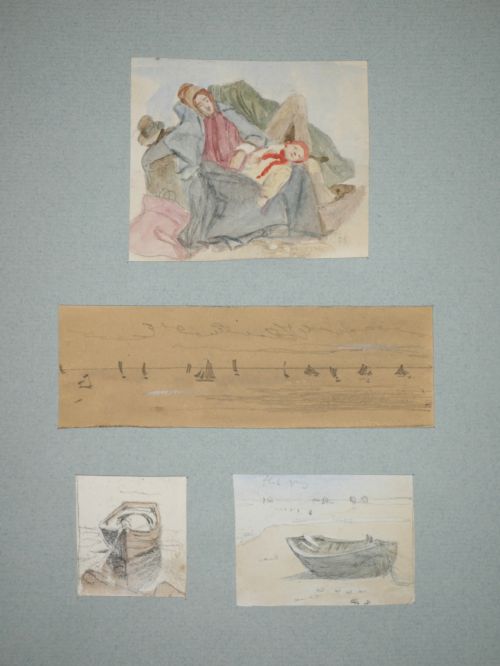
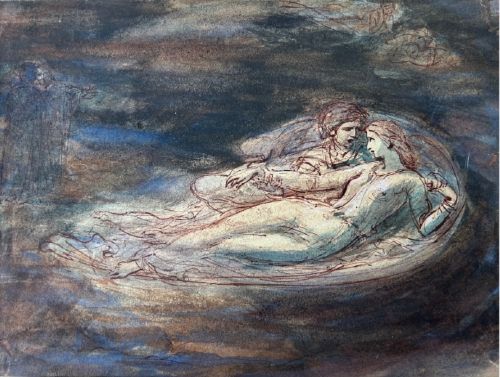
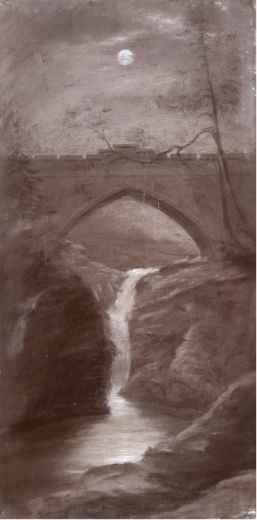
A 19th century sepia drawing captures monochromatic monochrome warmth on paper, offering collectors direct access to Victorian and Georgian draughtsmanship.
19th Century Sepia Drawing
A 19th century sepia drawing is a work on paper utilising monochrome ink, wash, or pencil, often seen in framed formats under glass. These pieces record landscapes, architectural studies, portraits, and narrative scenes from Georgian and Victorian periods.
The selections span British and French origins, encompassing academic life studies, preparatory sketches, and topographical views. Examples range from early 19th century architectural elevations to mid-Victorian portraiture and Pre-Raphaelite ink works.
How They Were Made
Artists executed these works on paper using ink, graphite, charcoal, and chalk, frequently combining pencil underdrawings with monochrome washes. Mixed-media variations incorporate watercolour and gouache highlights alongside the primary brown or dark tones.
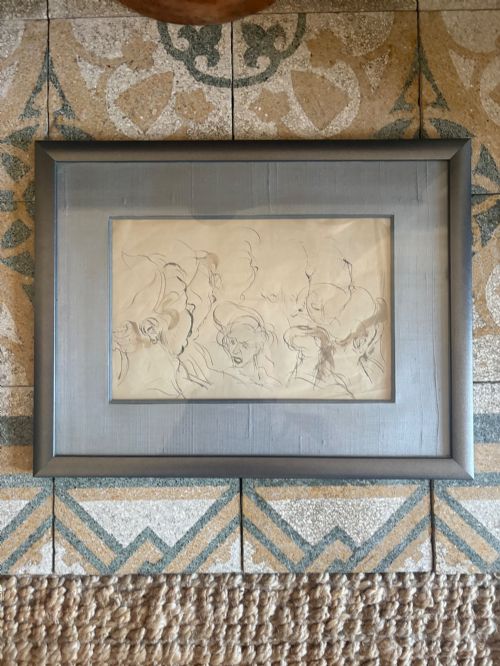
Framing typically involves wood and glass protection, with some examples presented within gilt gesso frames. Finished sheets often display watermarks, collector stamps, or artist signatures documenting their provenance.
Materials recorded in current inventory include paper, ink, watercolour, graphite, chalk, charcoal, glass, and wood.
What Varies in Quality
Draughtsmanship distinguishes academic precision and preparatory confidence from amateur output, evident in the handling of line and tonal gradation. Finished compositional works by named practitioners carry greater documentary weight than anonymous sketches.
The condition of the paper surface and the stability of the ink or wash determine longevity. Intact framing, legible inscriptions, and well-preserved tonal depth separate superior examples from faded or heavily browned sheets.
James Smetham·William Frederick Settle·Alfred Dehodencq·Sir Francis Leggatt Chantrey·George De Paris·Theobald Chartran·Henri Josephe Hesse·Joseph Hansom·George Richmond·John Thirtle·Thomas Lound
The 19th Century Sepia Drawing Glossary
- Sepia
- A dark brown pigment originally derived from the ink sac of the cuttlefish. It defines the characteristic warm monochrome palette seen across many period drawings.
- Wash
- A diluted layer of ink or watercolour applied across paper to create shadow and tonal depth. Artists used washes to build volumetric form in landscape and figure studies.
- Preparatory study
- A preliminary sketch or drawing executed in pencil, ink, or chalk to plan a larger finished painting or mural. These works reveal the artist's working method.
- Graphite
- A form of crystalline carbon used as a drawing medium in pencils. It produces fine grey lines ranging from hard light marks to soft dark strokes.
19th Century Sepia Drawing: Frequently Asked Questions
How do I date a sepia drawing?
Dating relies on visible inscriptions, artist lifespans, watermark evidence, and stylistic markers associated with Georgian and Victorian periods. Paper stock and framing components frequently corroborate the era of production.
Comparative analysis with known academic or architectural works from schools such as South Kensington provides further chronological context.
Where should I hang these drawings?
Works on paper require positioning away from direct sunlight to prevent the fading of ink, sepia wash, and watercolour pigments. Stable indoor humidity levels protect both the historic paper and the accompanying wooden or gilt frames.
Displaying them under glass ensures physical protection from atmospheric dust and accidental marking.
What is an academic life study?
An academic life study is a detailed drawing of the human figure produced within an instructional studio setting, typically from a live model. These exercises formed a core component of 19th-century artistic training.
They demonstrate the draughtsman's mastery of anatomy, shading, and proportion.
How are architectural drawings different?
Architectural drawings focus on structural precision, building elevations, and spatial planning rather than organic landscapes or portraits. Signed examples often record specific schools, institutions, or public buildings.
Draftsmen utilised fine ink lines and washes to delineate masonry, fenestration, and decorative schemes.