
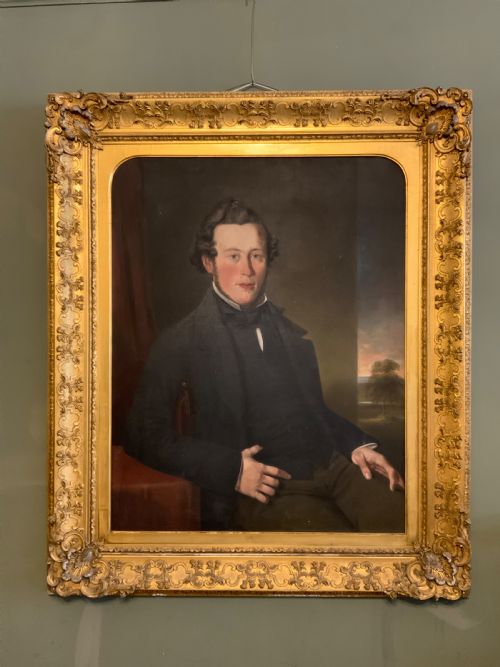
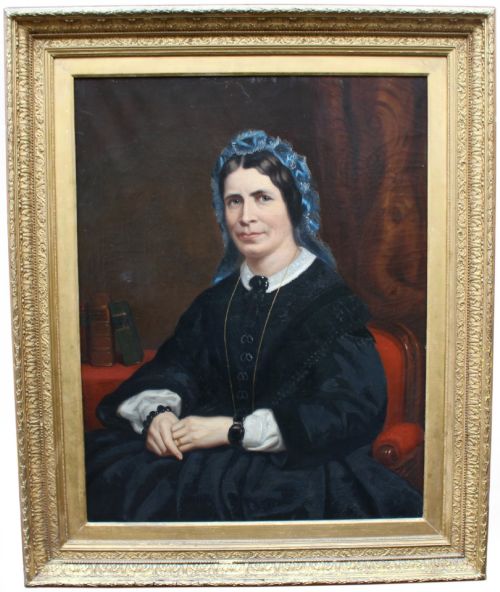


19th Century Seated Portrait
These pieces capture a sitter at rest, and a 19th century seated portrait brings character and presence to a room through oil on canvas, watercolour, or pastel.
19th Century Seated Portrait
A 19th century seated portrait depicts a single figure posed within an interior or landscape setting, spanning eras from the Regency period through to Edwardian times. You will encounter works ranging from large oil paintings on canvas to intimate pastel and watercolour studies.
The subjects include gentlemen, ladies, novelists, geologists, and historical figures, often rendered by named artists or the British and French schools. These works vary from grand scale canvases to small portrait miniatures and framed drawings on paper.
Most examples found here date across the Victorian and 19th century eras, utilising traditional mediums housed in original wooden and gilt frames.
How they were made
Artists built these works primarily using oil paint applied to canvas, alongside watercolours, pastels, chalk, and graphite on paper. Canvases were stretched over wooden frames, whilst works on paper frequently received protective glass glazing.
Framing played an integral role, with many pieces set inside ornate gilt wooden mouldings that complemented the tone of the artwork. Draftsmanship relied on precise sketching techniques before pigment application, as seen in charcoal and pencil portrait studies.
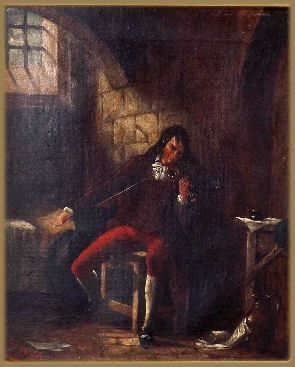
One gentleman sitter occupies a prison cell alongside Nicolo Paganini while the virtuoso plays his violin.
What varies in quality
Quality rests in the fidelity of facial expression, anatomical proportion, and the psychological depth the artist achieves in the sitter's gaze. Works by accomplished painters command attention through confident brushwork and nuanced handling of light across fabric and skin.
The integrity of the original support, the preservation of the pigment without extensive overpainting, and the harmony of the period frame elevate certain pieces above standard decorative works.
W.R. Waters·John Raphael Smith·William Robert Dickinson·Henry William Pickersgill·Ramsay Richard Reinagle·James Archer·Gaston Bouy·Ferdinand Barth·Stephen Taylor·Joseph Clover·John Dalziel Kenworthy·Keeley Halswelle
The 19th Century Seated Portrait Glossary
- Oil on canvas
- A painting medium where pigments are suspended in drying oils and applied to a stretched woven fabric support. This combination allows for rich colour blending and lasting durability.
- Pastel
- A medium consisting of powdered pigment combined with a binder and pressed into sticks for drawing. It creates a velvety surface texture that requires glass protection.
- Watercolour
- A paint where coloured pigments are suspended in a water-based solution, typically applied to paper. It yields translucent washes of colour.
- Gilt frame
- A wooden picture surround coated with a thin layer of gold leaf or metallic paint. These frames define the outer boundary of many period artworks.
- Portrait miniature
- A small, highly detailed painting designed for intimate viewing. These works require exceptional precision due to their reduced scale.
19th Century Seated Portrait: Frequently Asked Questions
How do I identify the sitter?
Many portraits bear inscriptions on the reverse of the canvas, on old labels, or along the frame detailing the name and dates of the individual. Biographical clues such as professions or crests also help identify the subject.
Researching contemporary records or exhibition catalogues often links the sitter to the artist and the date of execution.
Where should I hang a large oil painting?
Large canvases require a wall with stable environmental conditions, away from direct sunlight and excessive heat sources like radiators. Placing them at eye level in principal reception rooms allows the fine details of the pose and expression to be appreciated.
Ensure the wall construction safely supports the combined weight of the painting and its wooden frame.
What is the difference between an oil and a watercolour?
Oil paintings utilise pigment bound in drying oil on canvas, offering rich textures, deep tones, and high durability over centuries. Watercolours apply water-soluble pigments onto paper, resulting in a lighter, more translucent appearance.
Watercolours require glass framing to protect the paper surface from atmospheric moisture.
How do I care for a framed pastel drawing?
Pastel works on paper must remain sealed behind glass to prevent the delicate pigment dust from shifting or smudging. Avoid placing them in rooms with high humidity, which can damage both the paper support and the mounting materials.
Dust the wooden and gilt frames gently with a dry cloth without touching the glazed surface.